

DJI Mavic drone batteries are indeed lithium-ion, which allows for high energy density and lightweight characteristics essential for drone performance. Lithium-ion technology is critical for maximizing flight time while minimizing weight, making it an ideal choice for advanced drone applications. In this article, you will learn about the benefits of lithium-ion batteries, how they work, and important considerations for maintaining them.
Understanding Lithium-Ion Technology
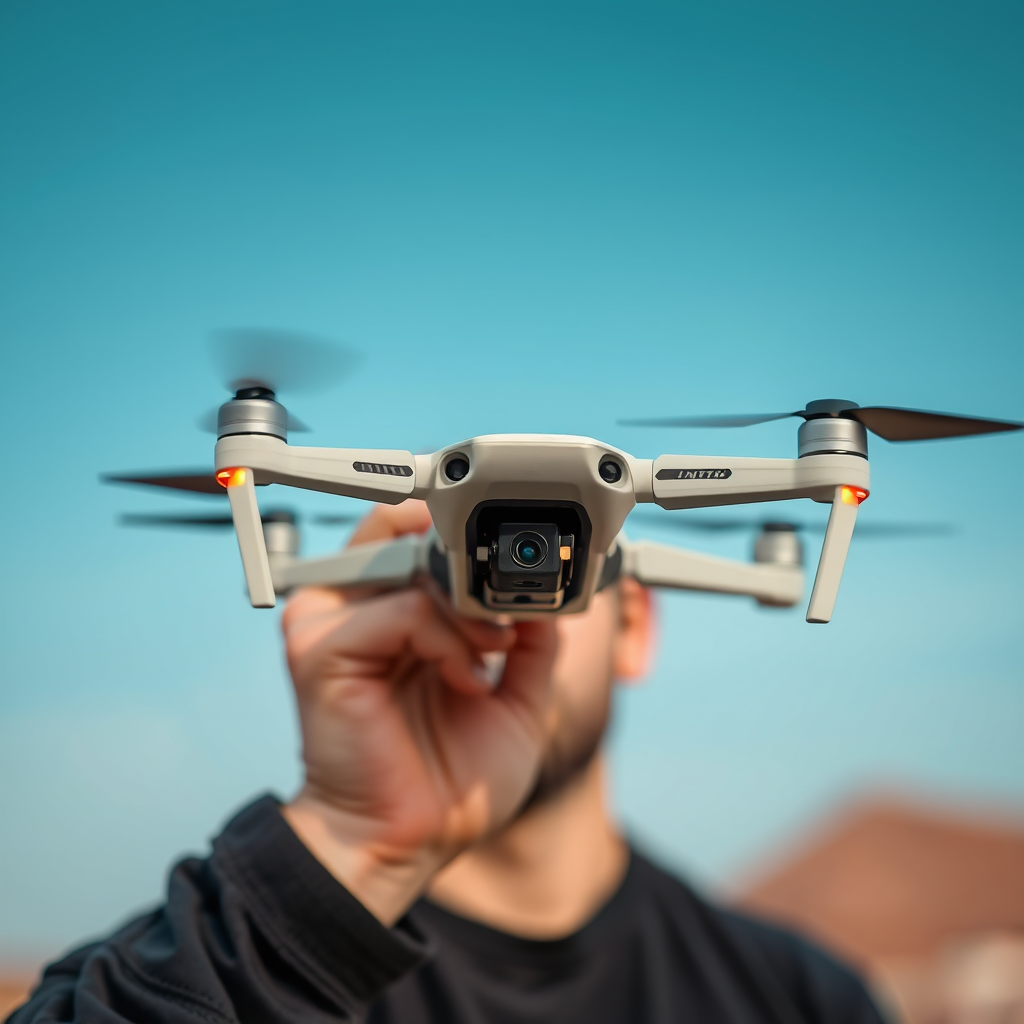
Lithium-ion batteries utilize lithium compounds as electrodes, which provide efficient energy storage and a high voltage per cell. This technology allows for a compact design while delivering significant amounts of energy, making them particularly advantageous for applications requiring portability and efficiency, such as drone operation. The chemical composition of lithium-ion batteries facilitates longer flight times and faster charging compared to other battery types, like nickel-cadmium or lead-acid batteries, which are bulkier and less efficient. As a result, the DJI Mavic series of drones benefits from this technology, enabling users to enjoy extended flight durations and rapid recharging capabilities that are essential for both recreational and professional use.
Benefits of Lithium-Ion Batteries for Drones

One of the most significant advantages of lithium-ion batteries is their high energy density, which allows manufacturers to create lightweight designs without compromising on power. For example, DJI’s Mavic Air 2 boasts a flight time of up to 34 minutes, showcasing how lithium-ion batteries contribute to exceptional performance. The lightweight nature of these batteries means that drones can achieve higher altitudes and faster speeds, enhancing user experience and operational capabilities.
Moreover, lithium-ion batteries have a longer lifespan compared to other battery technologies. They can endure numerous charge cycles—typically between 300 to 500 cycles—before experiencing a significant decline in capacity. This longevity makes them ideal for frequent use, as commercial drone operators can rely on consistent performance over time. Additionally, lithium-ion batteries discharge at a much slower rate when not in use, allowing users to keep their drones ready for action without the need for frequent charging.
How DJI Mavic Batteries Work
DJI Mavic batteries are equipped with a sophisticated battery management system (BMS) that plays a crucial role in their operation. The BMS regulates the voltage and temperature of the battery, ensuring that it remains within safe operating limits to prevent overheating and overcharging. This level of regulation is vital for maintaining battery health and enhancing safety during both flight and charging phases.
Additionally, each DJI Mavic battery is equipped with smart technology that communicates directly with the drone. This technology allows the drone to monitor battery status in real-time, providing essential information such as remaining charge, voltage levels, and overall health. Users benefit from this communication through features like low-battery alerts and automatic return-to-home functions, which help to mitigate the risk of losing a drone during flight due to battery depletion.
Safety Features in DJI Mavic Batteries
Safety is a paramount concern when it comes to battery technology, and DJI has implemented several built-in protections in their Mavic batteries to address this issue. These safety features include protections against short circuits and excessive discharge, which can lead to battery failure or even fire hazards. The batteries are designed to shut down automatically if they detect conditions that could lead to unsafe operation.
Furthermore, DJI Mavic batteries incorporate advanced thermal management systems that help prevent overheating during both flight and charging. These systems are designed to dissipate heat effectively, ensuring that the battery remains within optimal temperature ranges. The combination of these safety features ensures that users can operate their drones with peace of mind, knowing that their equipment is designed with safety at the forefront.
Proper Maintenance of Your Mavic Battery
To maximize the lifespan and performance of your DJI Mavic batteries, proper maintenance is crucial. One of the best practices for long-term storage is to keep the batteries at a partial charge, ideally around 40-60%. Storing batteries fully charged or completely depleted can lead to capacity loss over time.
Regularly checking your batteries for physical damage is also essential. Signs of swelling, cracks, or corrosion may indicate that the battery is failing and should be replaced immediately. Additionally, performing firmware updates on your drone can enhance the safety features of your batteries, ensuring that you have the latest protections and performance improvements.
Troubleshooting Common Battery Issues
Even with proper care, battery issues can sometimes arise. Users should be aware of signs of swelling or physical damage to their batteries, as these can indicate impending failure. If you notice any abnormalities, it’s crucial to stop using the battery and consult DJI’s guidelines for battery disposal and replacement.
Calibrating your batteries can also significantly enhance their performance and longevity. Calibration involves fully charging the battery, discharging it to a specific level, and then recharging it again. This process helps to ensure that the battery’s internal monitoring systems are accurate, which can prevent unexpected low-battery warnings during flight.
Frequently Asked Questions about DJI Mavic Batteries
Many users have questions regarding the operational aspects of DJI Mavic batteries. Common misconceptions include misunderstandings about battery lifespan and charging cycles. For example, while lithium-ion batteries can handle hundreds of cycles, their capacity will gradually diminish over time, which is normal and to be expected.
To extend battery life, users are encouraged to avoid extreme temperatures and to follow proper charging practices, such as not leaving batteries connected to a charger for prolonged periods after they are fully charged. It’s also advisable to use official DJI chargers and accessories to ensure compatibility and safety.
Maintaining your DJI Mavic drone’s lithium-ion batteries is crucial for optimal performance and safety. By understanding their technology, benefits, and how to care for them, you can ensure a better flying experience. For more insights and tips on drone care, stay connected with our blog!
Frequently Asked Questions
Are DJI Mavic drone batteries made of lithium-ion?
Yes, DJI Mavic drone batteries are primarily lithium-ion batteries. This type of battery is favored for its high energy density, which allows for longer flight times and lighter weight compared to other battery types. Lithium-ion batteries also have a longer lifespan and better discharge rates, making them a popular choice for drone manufacturers like DJI.
How long do DJI Mavic drone lithium batteries last?
The lifespan of DJI Mavic drone lithium batteries can vary, but generally, they are designed to last for about 300 to 500 charge cycles. After this period, you may notice a decrease in performance and flight time. To maximize battery life, it’s essential to follow proper charging practices and store the batteries at recommended temperatures to avoid damage.
Why do DJI Mavic drones use lithium batteries instead of other types?
DJI Mavic drones utilize lithium batteries due to their superior energy-to-weight ratio, which is crucial for maintaining the drone’s flight efficiency and agility. Lithium batteries also charge faster and provide stable power output, which is vital for the performance of high-tech features such as obstacle avoidance and high-resolution video recording.
What is the best way to maintain DJI Mavic lithium batteries?
To maintain your DJI Mavic lithium batteries effectively, store them in a cool, dry place and avoid exposing them to extreme temperatures. It’s advisable to keep the battery charge between 40% and 60% for storage and to use the DJI GO app to monitor battery health regularly. Additionally, avoid deep discharging the battery, as this can significantly reduce its lifespan.
Which DJI Mavic drone models use lithium batteries?
All models in the DJI Mavic series, including the Mavic Mini, Mavic Air, Mavic 2 Pro, and Mavic 3, utilize lithium batteries. Each model may have different battery specifications in terms of capacity and flight time, but they all benefit from the advantages of lithium battery technology, allowing for efficient power management and extended flying durations.
References
- Lithium-ion battery
- https://www.dji.com/ca/support/faq/what-type-of-batteries-are-used-in-dji-drones
- https://www.sciencedirect.com/topics/engineering/lithium-ion-battery
- https://www.bbc.com/news/technology-45599823
- https://www.faa.gov/uas/resources/publications/media/UAS_Battery_Safety.pdf
- https://www.nasa.gov/sites/default/files/atoms/files/lithium_ion_battery_fact_sheet.pdf
- https://www.technologyreview.com/2021/09/02/1033678/lithium-ion-battery-safety/
