

The answer is yes—drone hubs are pivotal in enabling scalable operations across various industries. By centralizing drone management and logistics, these hubs streamline processes and enhance efficiency, making it easier for businesses to expand their aerial services. As organizations increasingly turn to drone technology to meet the demands of modern logistics and delivery, understanding how these hubs function and the benefits they provide is essential. In this article, we will explore how drone hubs operate, their advantages, the industries that stand to gain the most, the challenges that may arise during implementation, and future trends in drone hub development.
Understanding Drone Hubs
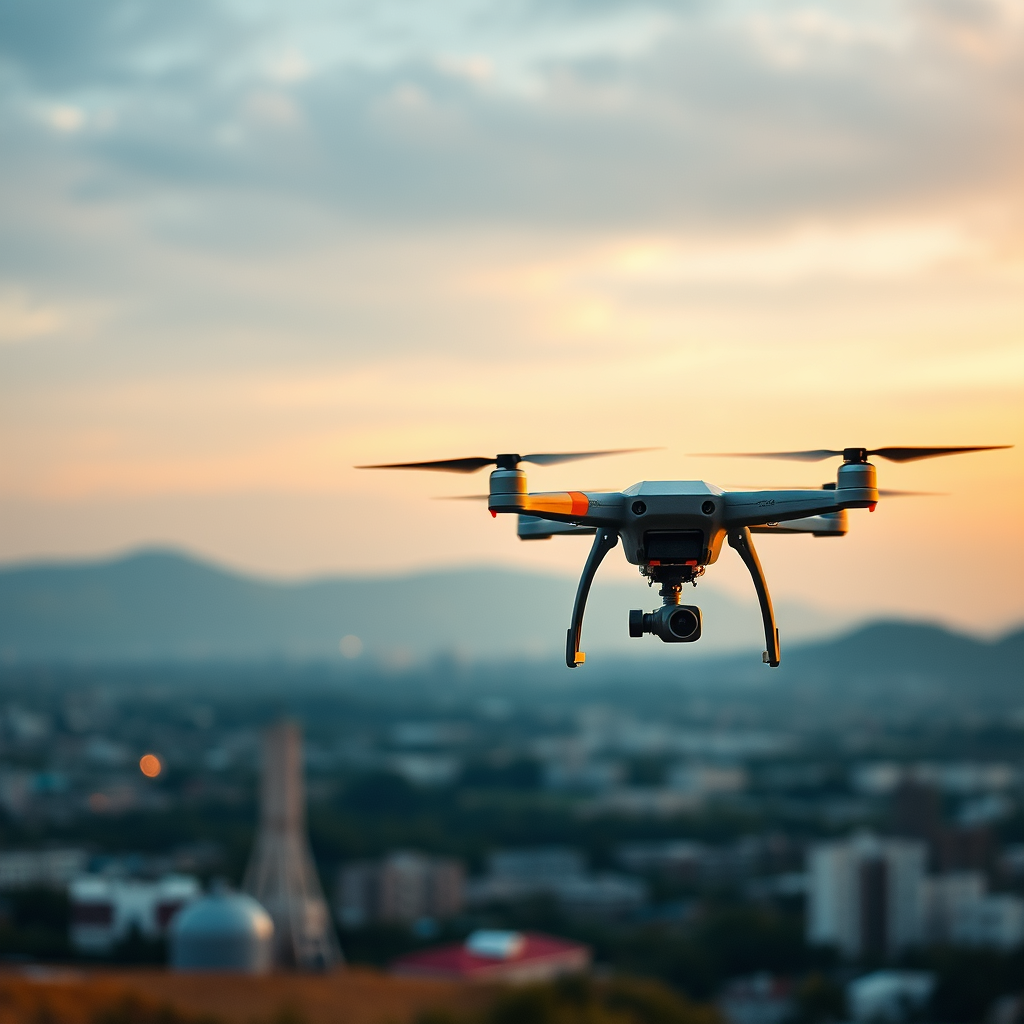
A drone hub is a centralized facility designed to manage drone operations effectively, including planning, dispatching, and monitoring flights for various applications such as delivery or surveillance. The primary purpose of these hubs is to optimize logistics and ensure that drone deliveries are executed efficiently, minimizing delays and maximizing coverage. By consolidating various functions—such as charging stations, maintenance areas, and operational control—drone hubs serve as an integrated solution for businesses looking to scale their operations.
The technology involved in hub operations is increasingly sophisticated. Drone hubs typically incorporate advanced software for route optimization, real-time tracking, and communication networks that facilitate seamless interaction between drones and the control center. Additionally, many hubs employ artificial intelligence (AI) to analyze data and improve flight paths, enhancing operational efficiency. These technologies work together to create a cohesive system that allows businesses to deploy drones effectively, ensuring that they can respond swiftly to customer demands and operational challenges.
Benefits of Implementing Drone Hubs

One of the most significant benefits of drone hubs is the increased efficiency they offer in delivery and resource management. By centralizing operations, businesses can ensure that drones are dispatched according to the most efficient routes, which not only speeds up delivery times but also reduces fuel consumption and wear on the drones. For instance, companies like Zipline have demonstrated that centralized drone hubs can enable rapid medical supply deliveries, ensuring that critical supplies reach remote areas within minutes.
Cost reduction is another key advantage of implementing drone hubs. With optimized routing and operations, businesses can minimize overhead costs associated with logistics. For example, a study by the FAA indicates that drone deliveries can save up to 40% compared to traditional delivery methods. This cost-effectiveness, combined with the ability to scale operations without a linear increase in costs, positions drone hubs as an attractive solution for companies looking to enhance their logistics capabilities.
Key Industries Benefiting from Drone Hubs
Several key industries stand to benefit immensely from the implementation of drone hubs.
In the e-commerce and retail sector, the push for faster delivery times has never been more critical. Companies like Amazon have been exploring drone delivery for years, and the establishment of drone hubs is set to revolutionize how products reach consumers. By utilizing drone hubs, retailers can drastically reduce the time it takes to deliver products, leading to improved customer satisfaction and increased sales. With the ability to handle multiple deliveries simultaneously, drone hubs can support the demands of a growing market while maintaining operational efficiency.
Agriculture is another industry poised for significant advancements through drone hubs. Farmers are increasingly using drones for crop monitoring, precision farming, and even pesticide application. Drone hubs can facilitate these operations by providing centralized data management and fleet coordination, enabling farmers to monitor vast areas of land more efficiently. This not only helps in optimizing crop yields but also reduces labor costs and environmental impact, ultimately leading to a more sustainable agricultural practice.
Challenges of Scaling Operations with Drone Hubs
Despite the numerous benefits, scaling operations with drone hubs is not without its challenges. One of the primary hurdles is navigating regulatory environments and compliance issues. The integration of drones into commercial airspace is still a developing area, with regulations varying significantly by region. For instance, in the United States, the FAA has stringent regulations governing drone operations that must be adhered to, which can slow down the implementation of drone hubs. Companies must stay informed and agile to adapt to changing regulations while ensuring safety and compliance.
Technical challenges also loom large, notably in cybersecurity and infrastructure needs. As drone operations become more automated and connected, the potential for cyber threats increases. Ensuring robust cybersecurity measures are in place is crucial to protect sensitive data and maintain operational integrity. Additionally, the physical infrastructure required to support drone hubs—such as charging stations and maintenance facilities—must be strategically developed and maintained to keep pace with operational demands.
Future Trends in Drone Hub Development
Looking ahead, several emerging technologies could significantly enhance the operations of drone hubs. Innovations in battery technology, for instance, promise longer flight times and faster charging capabilities, allowing drones to cover greater distances and complete more deliveries in a shorter timeframe. Furthermore, advancements in autonomous flight technology will support the development of fully automated drone hubs, reducing the need for human intervention and increasing operational efficiency.
Predictions for the future of drone logistics suggest a shift towards more integrated urban logistics systems, where drone hubs will play a central role in the distribution of goods. As cities evolve and adapt to the growing demand for efficient delivery services, drone hubs may become integral to smart city initiatives, working in tandem with other transport modalities for a seamless supply chain.
Case Studies: Successful Drone Hub Implementations
Several companies have successfully integrated drone hubs into their operations, demonstrating the potential for improved scalability and operational efficiency. For example, Wing, a subsidiary of Alphabet, has established drone delivery hubs in various locations, providing on-demand delivery services for essential goods. Metrics from their operations indicate that they can complete deliveries in under 30 minutes, showcasing the effectiveness of centralized drone management.
Another notable case is that of Zipline, which has implemented drone hubs in several countries to deliver medical supplies. By utilizing a network of strategically placed drone hubs, Zipline has achieved remarkable operational efficiency, delivering blood and vaccines to remote areas within a short timeframe, thus saving countless lives.
These case studies highlight the tangible benefits that drone hubs can offer, including enhanced service delivery, improved logistical efficiency, and the ability to scale operations effectively.
The potential of drone hubs to transform operations is immense, providing solutions to scalability challenges across various sectors. By understanding their benefits and addressing the challenges, businesses can leverage drone technology to enhance their logistics and delivery systems. As the industry continues to evolve, exploring how to implement drone hubs in your operations can position your business to stay ahead in this rapidly changing landscape.
Frequently Asked Questions
What are drone hubs and how do they function in scalable operations?
Drone hubs are centralized locations where drones are stored, charged, and maintained, serving as operational bases for drone fleets. They facilitate efficient management by enabling quick deployment, recharging, and routine maintenance of drones, which is essential for businesses looking to scale their operations. By consolidating these functions, drone hubs enhance logistical efficiency, reduce downtime, and improve flight scheduling, ultimately leading to more streamlined and scalable operations.
How can drone hubs improve delivery speed and efficiency?
Drone hubs significantly enhance delivery speed and efficiency by reducing the time it takes for drones to reach their delivery points. With strategically located hubs, drones can operate within a defined radius, minimizing travel distance. Additionally, the ability to quickly recharge and service drones at these hubs means that they can complete multiple deliveries in a shorter time frame, making drone hubs a crucial component in achieving rapid response times for businesses.
Why are drone hubs considered essential for urban delivery networks?
Drone hubs are essential for urban delivery networks because they help tackle the challenges posed by traffic congestion and limited landing zones in densely populated areas. By establishing multiple drone hubs throughout a city, companies can facilitate efficient routing and reduce delivery times while avoiding obstacles. This decentralized approach also allows for better scalability, as additional hubs can be added to meet growing demand without overburdening existing infrastructure.
What are the best practices for setting up a drone hub for business operations?
The best practices for setting up a drone hub include selecting strategic locations based on delivery demand, ensuring compliance with local regulations, and investing in robust charging and maintenance infrastructure. Additionally, implementing advanced software for drone fleet management and establishing clear operational protocols can enhance efficiency and safety. By prioritizing these factors, businesses can maximize the effectiveness of their drone hubs and support scalable operations.
Which industries can benefit the most from implementing drone hubs?
Industries such as logistics, e-commerce, agriculture, and emergency services can greatly benefit from implementing drone hubs. For logistics and e-commerce, drone hubs streamline last-mile deliveries, while in agriculture, they facilitate efficient crop monitoring and spraying. Emergency services can leverage drone hubs for rapid response in disaster situations. By adopting drone hubs, these industries can enhance their operational capabilities, reduce costs, and improve service delivery, making it a key factor in their scalability.
References
- Delivery drone
- https://www.nytimes.com/2021/01/20/technology/drones-delivery.html
- https://www.reuters.com/technology/drones-key-sustainable-urban-logistics-2021-09-14/
- https://www.itu.int/en/ITU-T/focusgroups/drones/Documents/Background_Paper.pdf
- https://www.nasa.gov/sites/default/files/atoms/files/nasa_drones.pdf
- https://www.sciencedirect.com/science/article/pii/S0968090X19305399
- Unmanned Aircraft Systems (UAS) | Federal Aviation Administration
- https://www.itu.int/en/ITU-T/focusgroups/drones/Pages/default.aspx
- https://www.theguardian.com/technology/2022/jul/20/drones-deliveries-urban-logistics
