
Drones are not universally banned, but their usage is subject to various regulations depending on the country and specific circumstances. As drone technology evolves and becomes more prevalent in various sectors, understanding the legal landscape is crucial for both recreational and commercial users. This article will explore the current state of drone regulations, the reasons for restrictions, and what users need to know to operate drones legally.
Overview of Drone Regulations
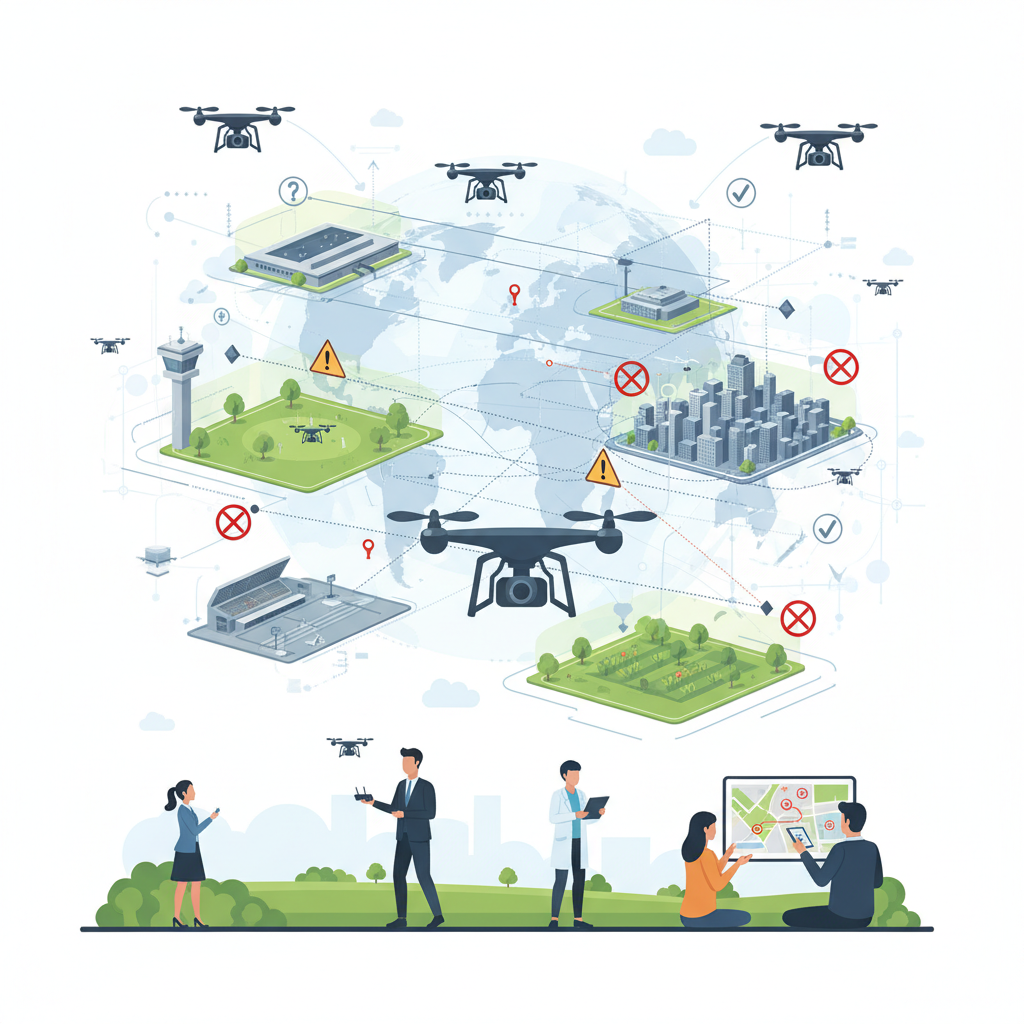
Different countries have unique regulations governing drone use, often shaped by their specific needs and concerns. In the United States, the Federal Aviation Administration (FAA) oversees drone regulations, categorizing them into two main types: recreational and commercial. Recreational drone users must follow guidelines, such as flying below 400 feet and maintaining a visual line of sight. Conversely, commercial users must obtain a Remote Pilot Certificate and adhere to stricter operational guidelines.
In the European Union, the European Union Aviation Safety Agency (EASA) has established a regulatory framework that includes three categories: Open, Specific, and Certified. The Open category allows for low-risk operations without the need for special authorization, while the Specific category requires risk assessments and operational authorization. The Certified category is reserved for high-risk operations, similar to manned aviation.
Countries such as Australia and Canada have their own regulatory bodies—Airservices Australia and Transport Canada, respectively—each with distinct requirements for drone operators. Thus, regulations can vary significantly between recreational and commercial use, emphasizing the importance of understanding local laws before taking flight.
Reasons for Drone Restrictions
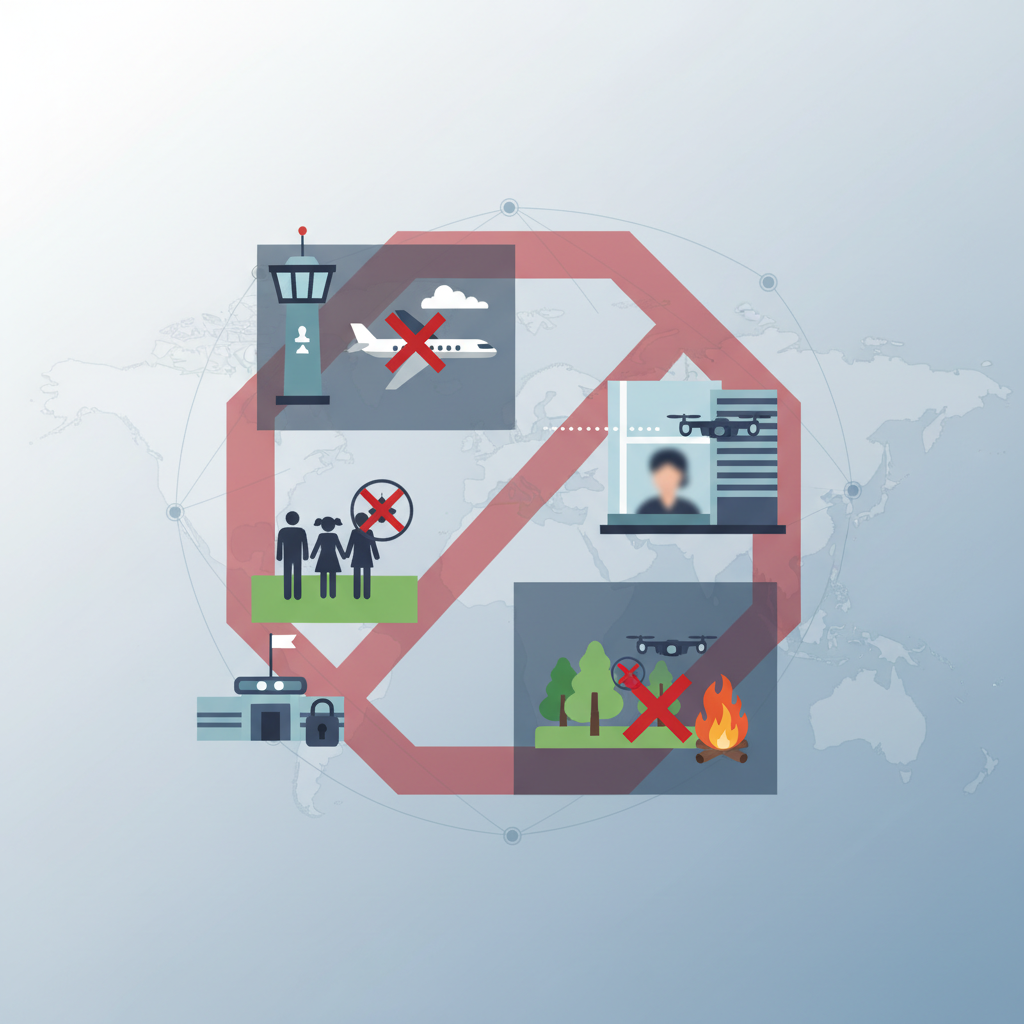
The primary reasons for drone restrictions center around safety and privacy concerns. The potential for drones to interfere with manned aircraft poses a significant risk to aviation safety. Reports of near-misses between drones and commercial aircraft have prompted regulatory bodies to implement strict airspace restrictions, particularly around airports and densely populated areas.
Privacy is another critical issue. Drones equipped with high-resolution cameras can easily invade personal privacy, leading to concerns about surveillance and unauthorized data collection. Legislation in several jurisdictions now includes provisions that specifically address the use of cameras on drones, requiring operators to obtain consent before capturing images of individuals or private property.
Moreover, the potential for misuse in criminal activities, such as smuggling or even acts of terrorism, has led to enhanced scrutiny and regulations. Law enforcement agencies are particularly concerned about drones being used for illegal surveillance or to transport illicit goods, which has prompted many governments to adopt stringent guidelines to mitigate these risks.
Key Areas of Drone Regulation
Key areas of drone regulation encompass airspace restrictions, registration requirements, and licensing. Airspace restrictions are crucial for maintaining safety in shared airspace. No-fly zones are established around airports, military installations, and certain public events, where drone operations are prohibited or require special permission. Additionally, altitude limits are often imposed to ensure that drones do not interfere with other aircraft.
Many countries now require drone operators to register their devices, especially for those that exceed a certain weight threshold. For example, in the U.S., drones that weigh more than 0.55 pounds (250 grams) must be registered with the FAA. This registration process helps authorities keep track of drone ownership and promotes accountability among operators.
Licensing requirements also play a significant role in drone regulation. In the U.S., commercial drone operators must obtain a Remote Pilot Certificate, which involves passing a knowledge test on aeronautical topics. Similarly, in the EU, drone pilots must complete training and pass assessments to operate in the Specific and Certified categories. These measures ensure that drone operators possess the necessary knowledge and skills to fly safely and responsibly.
Impact of Drone Bans on Industries
While drones are not universally banned, certain industries may face limitations due to stringent regulations. The photography and videography industry, for instance, has seen growth thanks to drones, but operators must navigate complex regulations that vary by location. In some cases, drone operators must secure permits to shoot in specific areas, which can hinder creativity and increase costs.
Agriculture is another sector profoundly affected by drone regulations. Drones used for crop monitoring and precision agriculture must comply with airspace restrictions and may require additional certifications for specific uses. While these regulations aim to ensure safe operations, they can also slow down the adoption of innovative agricultural practices.
Delivery services, particularly those utilizing drones for last-mile deliveries, face regulatory hurdles that can stifle innovation. Companies like Amazon and Google have been developing drone delivery systems for years, yet they must contend with a patchwork of regulations that can delay the rollout of their services. The potential benefits of drone delivery, such as reduced delivery times and lower carbon footprints, are often overshadowed by regulatory challenges.
Resources for Drone Operators
For those looking to navigate the complex world of drone regulations, several resources are available. Government websites, such as the FAA’s in the U.S. and EASA’s in Europe, provide comprehensive information on legal requirements, registration processes, and operational guidelines. These sites are essential for staying informed about changes in the regulatory landscape.
In addition to official resources, online communities and forums can offer valuable support and insights. Platforms like the DJI Forum and various Facebook groups allow drone users to share experiences, ask questions, and discuss best practices. Networking with other drone operators can provide practical knowledge and foster a sense of community among enthusiasts and professionals alike.
Moreover, local drone clubs often organize events and training sessions, providing opportunities for users to enhance their skills and knowledge while staying compliant with regulations. Connecting with these organizations can be beneficial for both new and experienced operators seeking to engage with the drone community.
Future of Drone Regulations
Looking ahead, the future of drone regulations appears to be evolving. Trends indicate a move towards more lenient regulations as technology advances and safety measures improve. Many countries are beginning to recognize the economic benefits of drones, leading to discussions about streamlining regulations to facilitate innovation while maintaining safety standards.
Ongoing discussions about privacy, safety, and the economic benefits of drones are crucial in shaping future regulations. For instance, the integration of drone traffic management systems is being explored to safely accommodate increased drone operations in urban environments. This technological advancement could lead to more efficient regulation and broader acceptance of drones across various sectors.
Additionally, as public awareness of drone technology grows, there is potential for a more informed discourse around privacy concerns and the responsible use of drones. Collaborative efforts between regulators, industry stakeholders, and the public could pave the way for a balanced approach that fosters innovation while addressing safety and privacy issues.
In conclusion, while drones are not outright banned, understanding and adhering to regulations is crucial for safe and legal operation. Operators must familiarize themselves with local laws and stay informed about changes in the regulatory landscape to ensure compliance. By doing so, they can fully exploit the potential of drone technology, contributing to various industries while promoting safety and responsibility in the skies.
Frequently Asked Questions
Are drones banned in certain countries?
Yes, many countries have specific regulations regarding the use of drones, and in some cases, they are outright banned. For example, countries like Afghanistan and North Korea have strict restrictions or bans on civilian drone use. It’s essential to research local laws and regulations before flying a drone in any country to avoid legal issues and ensure compliance with aviation authorities.
What are the restrictions on drone usage in the United States?
In the United States, the Federal Aviation Administration (FAA) regulates drone usage, which includes rules such as not flying above 400 feet, keeping the drone within visual line of sight, and avoiding restricted airspace around airports and military installations. Additionally, commercial drone pilots must obtain a Remote Pilot Certificate, while recreational users must follow the guidelines set out in the Special Rule for Model Aircraft. Understanding these restrictions is crucial for safe and legal drone operation.
Why are drones banned in some public spaces?
Drones are often banned in public spaces to ensure safety, privacy, and security. For instance, areas like national parks and urban centers may have restrictions to prevent accidents, protect wildlife, and avoid infringing on people’s privacy. Local governments may impose these bans to manage the growing presence of drones and address concerns from residents and visitors alike.
How can I find out if drone flying is allowed in my area?
To determine if drone flying is permitted in your area, you can check with your local aviation authority or visit the FAA’s website for national regulations. Additionally, many cities and states have their own specific laws regarding drone use, so it’s advisable to consult local government websites or contact city officials. Various drone apps and platforms also provide maps and information on no-fly zones, making it easier to stay compliant.
What are the best practices for flying a drone legally?
To fly a drone legally, first ensure you are familiar with and adhere to local and national regulations. Always register your drone if required, avoid restricted areas, and respect privacy laws by not flying over private property without permission. Additionally, it’s best practice to fly during daylight hours, maintain visual line of sight, and notify nearby people when operating in crowded spaces to enhance safety and compliance.
References
- https://en.wikipedia.org/wiki/Drone_regulation
- https://www.faa.gov/uas/getting_started/what_is_ua
- https://www.nytimes.com/2021/01/22/us/drones-regulations.html
- https://www.reuters.com/technology/us-faa-proposes-new-rules-drones-2023-01-19/
- https://www.theguardian.com/us-news/2020/jun/02/drones-police-use-america-privacy-rights
- https://www.nasa.gov/feature/what-you-need-to-know-about-drones
- https://www.ncbi.nlm.nih.gov/pmc/articles/PMC7333637/
- https://www.faa.gov/uas/resources/policy_library/
- https://www.c-span.org/video/?c4951950/drones-privacy-rights
- https://www.aopa.org/news-and-media/all-news/2023/january/18/faa-proposes-new-drone-regulations
