

Yes, drones are legal in New Jersey, but they are subject to specific regulations and guidelines set forth by both state and federal authorities. These rules aim to ensure safety and privacy for all citizens while allowing for the beneficial use of drone technology. As drone usage continues to rise, understanding these regulations is essential for both recreational and commercial pilots to navigate the airspace legally and responsibly.
Overview of Drone Regulations in New Jersey
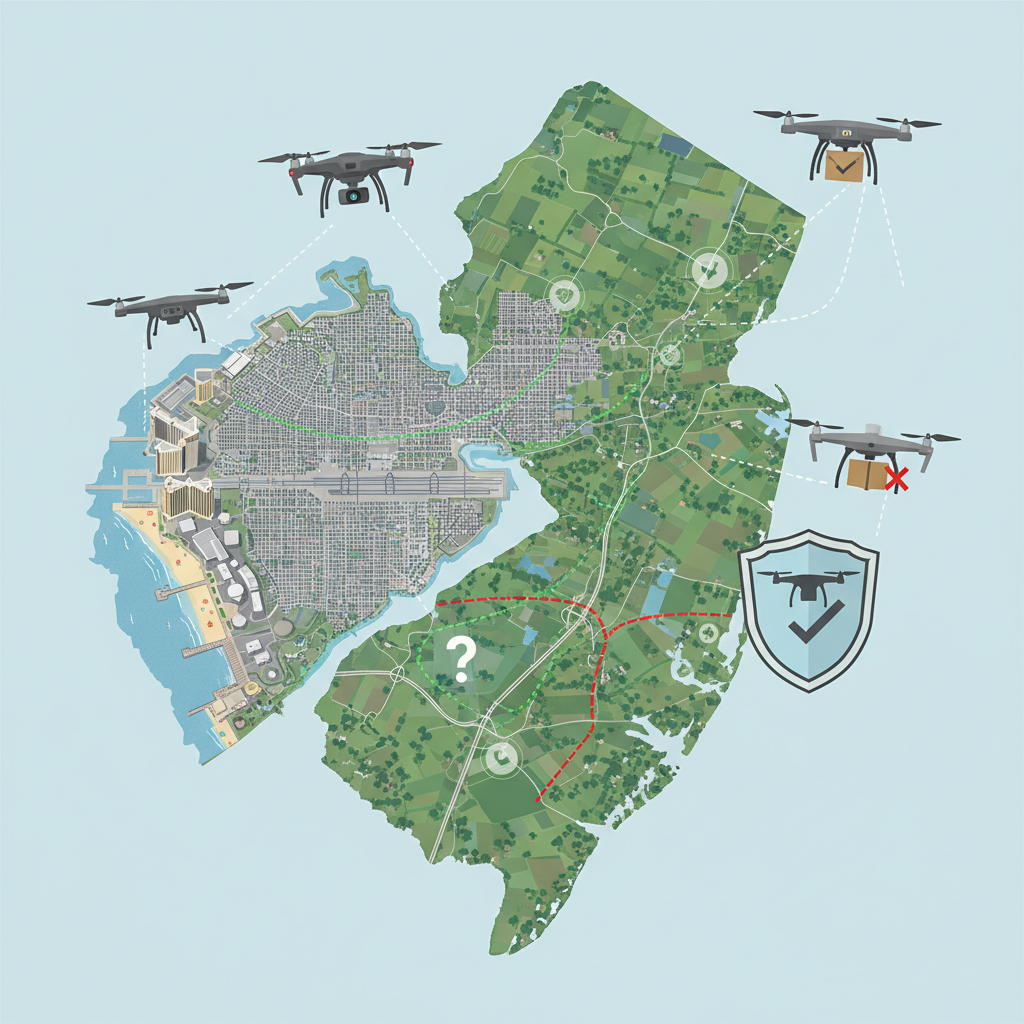
Drone regulations in New Jersey are governed primarily by the Federal Aviation Administration (FAA), which has established rules applicable nationwide. The FAA classifies drones into two categories: recreational and commercial use. Recreational pilots must adhere to guidelines such as flying below 400 feet, maintaining visual line-of-sight, and avoiding restricted airspace. In addition to these federal regulations, New Jersey has its own state laws that impose additional restrictions, particularly concerning privacy and safety.
For instance, New Jersey’s law prohibits drone flights over certain critical infrastructures, such as power plants, and mandates that drone operators respect the privacy of individuals. These regulations are designed to balance the technological advancements of drone operations with the safety and rights of the public, ensuring that drones do not become a nuisance or a threat to privacy.
Requirements for Drone Pilots in NJ
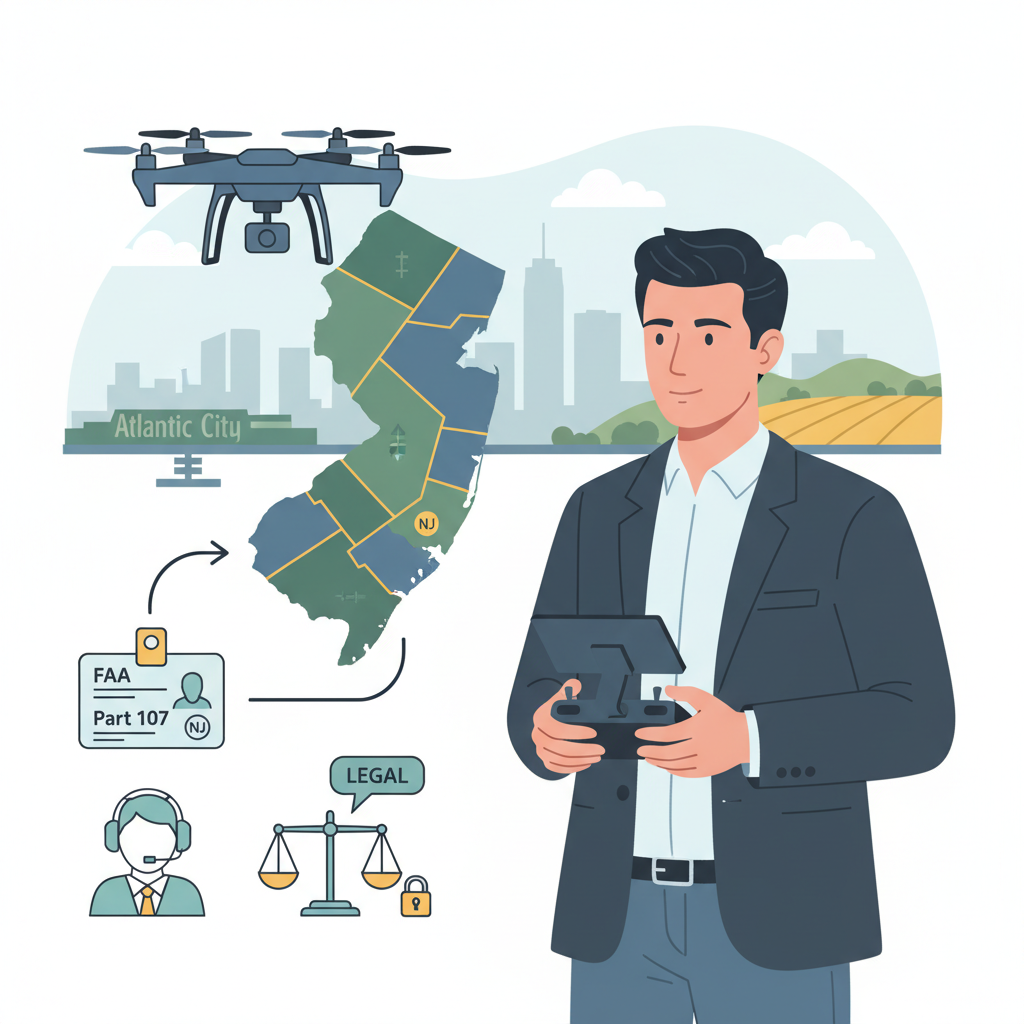
Before operating a drone in New Jersey, pilots must fulfill specific requirements set by the FAA, particularly if the drone weighs over 0.55 pounds. This registration process involves submitting an application online and paying a nominal fee, after which the pilot receives a registration number that must be displayed on the drone. Failure to register can result in fines and penalties.
For those intending to use drones for commercial purposes, obtaining a Remote Pilot Certificate is mandatory. This certification process requires passing a knowledge test that covers FAA regulations, airspace classification, weather, and drone operation. Commercial pilots must also adhere to additional guidelines, such as operating drones only during daylight hours and ensuring that their drones are in a condition for safe operation.
Restricted Areas for Drone Flight
In New Jersey, certain areas are off-limits for drone operations to ensure public safety and security. Drones cannot be flown within five miles of an airport without notifying the airport authorities and obtaining permission. Additionally, military bases and other restricted airspace areas, such as those designated by the FAA, require explicit authorization before flying.
Moreover, specific public spaces, such as state parks and conservation areas, may have additional regulations regarding drone use. For instance, many state parks in New Jersey have designated areas for drone flying and may require permits for commercial use. Pilots should always verify local regulations and requirements before taking off to avoid potential legal issues.
Privacy Concerns and Laws
Privacy is a significant concern associated with drone operations, and New Jersey has enacted laws aimed at protecting citizens from unwarranted surveillance. Under state law, using drones to capture images or videos of individuals without their consent can lead to substantial penalties, including fines and civil lawsuits. This legislation underscores the importance of respecting the privacy rights of others while using drone technology.
Furthermore, drone operators must be aware of the potential for trespassing. Flying over private property without permission can lead to disputes and legal action. To mitigate these risks, drone pilots should prioritize obtaining consent from property owners before conducting flights over or near private land.
Local Ordinances Affecting Drone Use
In addition to state and federal regulations, local municipalities in New Jersey may impose their own rules governing drone use. These local ordinances can vary widely; some towns may have strict regulations regarding the times and locations where drones can be flown, while others might be more permissive. It’s crucial for drone pilots to conduct thorough research on local laws before flying.
For example, towns like Hoboken and Jersey City have implemented specific rules that restrict drone flights in densely populated areas or near sensitive locations. Pilots should always check with local government resources or websites to ensure compliance with any additional regulations that may apply.
Tips for Safe and Legal Drone Operation
To ensure safe and legal drone operation in New Jersey, pilots should adhere to the following best practices:
1. Stay Informed: Regularly check for updates on FAA regulations and local laws, as these can change frequently.
2. Pre-Flight Checklist: Before taking off, conduct a thorough inspection of your drone to ensure it is in good working order. Check for battery life, propeller integrity, and any potential software updates.
3. Maintain Visual Line-of-Sight: Always keep your drone within your visual line-of-sight during operation. This practice not only complies with regulations but also enhances safety by allowing you to react quickly to any potential hazards.
4. Respect Privacy: Avoid flying over private property without permission and be cautious when capturing images or videos to ensure compliance with privacy laws.
5. Use Technology Wisely: Leverage apps and tools that provide information about airspace regulations, no-fly zones, and weather conditions. This can help in planning safe flight paths.
By following these guidelines, drone operators can enjoy their flying experience while adhering to the legal framework established for safe and responsible drone use.
In summary, while drones are indeed legal in New Jersey, it is paramount for pilots to be well-informed about the regulations and requirements governing their use. Understanding federal guidelines, state laws, and local ordinances is essential for ensuring compliance and promoting safety and privacy. As technology continues to evolve, staying updated and educated will empower drone pilots to operate successfully within the legal parameters set forth by authorities. For additional information, consulting the FAA and local government resources can provide further clarity on specific regulations affecting drone operation in New Jersey.
Frequently Asked Questions
Are drones legal to fly in New Jersey?
Yes, drones are legal to fly in New Jersey, but there are specific regulations that must be adhered to. Operators must follow the Federal Aviation Administration (FAA) guidelines, which include registering their drones if they weigh over 0.55 pounds. Additionally, state and local laws may impose further restrictions, such as flying drones near schools, parks, or in certain urban areas, so it’s essential for drone pilots to check for local ordinances before flying.
What are the rules for flying drones recreationally in New Jersey?
Recreational drone pilots in New Jersey must comply with FAA rules, which include flying below 400 feet, keeping the drone within visual line-of-sight, and avoiding flying near airports or crowded areas. Additionally, it is advisable to avoid flying over private property without permission and to respect the privacy of others. Following these guidelines ensures safe and legal drone operation while minimizing potential conflicts with the law.
How can I register my drone in New Jersey?
To register your drone in New Jersey, you need to visit the FAA’s DroneZone website. Registration is required for all drones weighing between 0.55 pounds and 55 pounds, and it costs $5 for a three-year period. You will need to provide your email address, physical address, and a credit card for payment. After successful registration, you will receive a unique registration number that must be marked on your drone.
Why are there restrictions on where I can fly my drone in New Jersey?
Restrictions on flying drones in New Jersey are primarily in place to ensure public safety and privacy. Drones can pose risks to manned aircraft, especially near airports and densely populated areas. Additionally, regulations aim to protect the privacy of individuals by preventing unauthorized aerial surveillance. Understanding these restrictions helps drone operators avoid legal issues and contributes to safer airspace management.
What are the best practices for flying a drone in New Jersey?
The best practices for flying a drone in New Jersey include familiarizing yourself with both FAA regulations and local laws, conducting pre-flight checks to ensure your drone is in good condition, and always flying within your visual line-of-sight. Additionally, it’s wise to avoid flying in adverse weather conditions and to respect the privacy of individuals by not filming or photographing without consent. Following these practices helps ensure a safe and enjoyable flying experience.
References
- https://www.nj.gov/transportation/aircraft/drones.shtml
- https://www.nj.gov/nj/home/features/2021/20210330_drones.html
- https://www.washingtonpost.com/road-to-recovery/2020/11/12/5d6c6170-24a1-11eb-9b14-ad872157ebc9_story.html
- https://www.faa.gov/uas/
- https://www.nj.gov/dep/
- https://www.nj.gov/njsp/about/faq/faq_drones.html
