
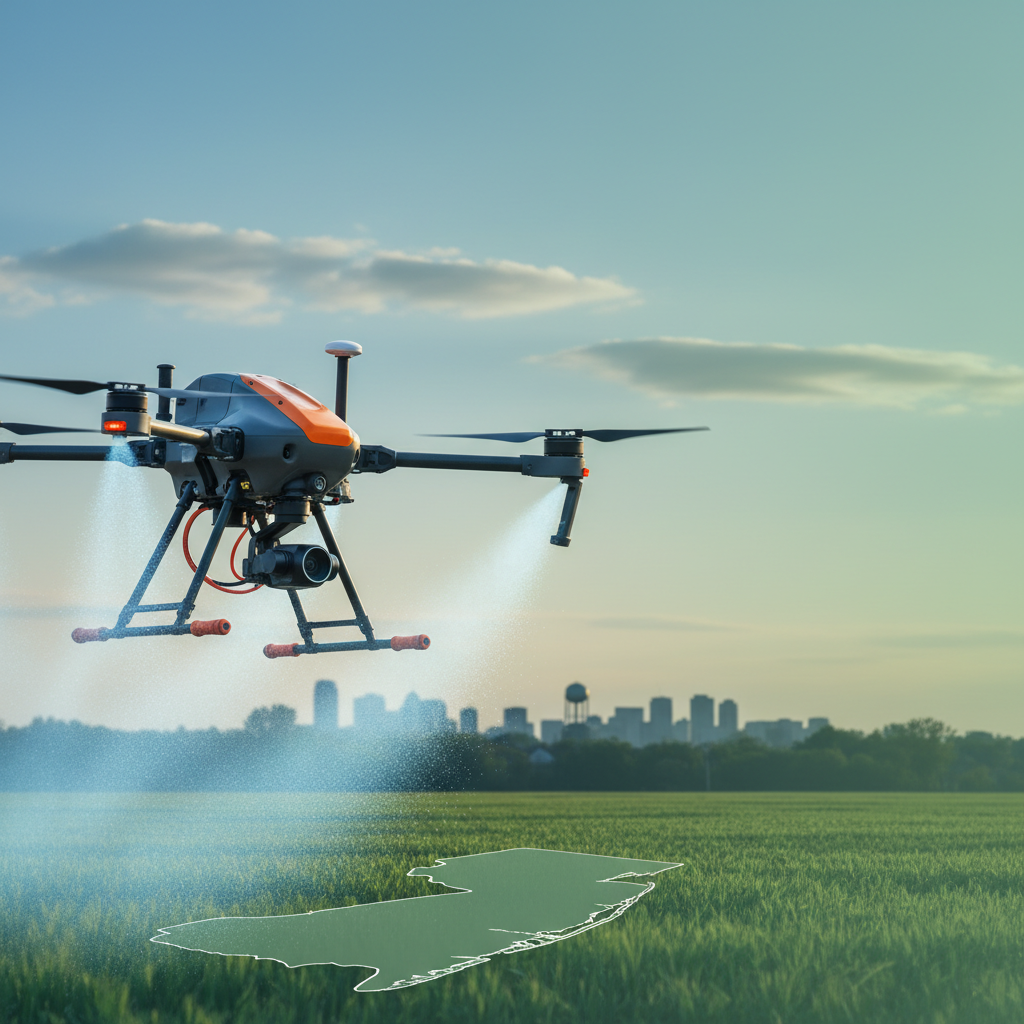
Yes, drones are indeed being utilized for spraying applications in New Jersey, including agricultural practices and mosquito control. This innovative technology is transforming how farmers manage crops and how municipalities combat pests, offering both efficiency and precision. However, the deployment of drones for such purposes raises important discussions around environmental impact, regulation, and public perception, which this article will thoroughly explore.
Overview of Drone Usage in NJ
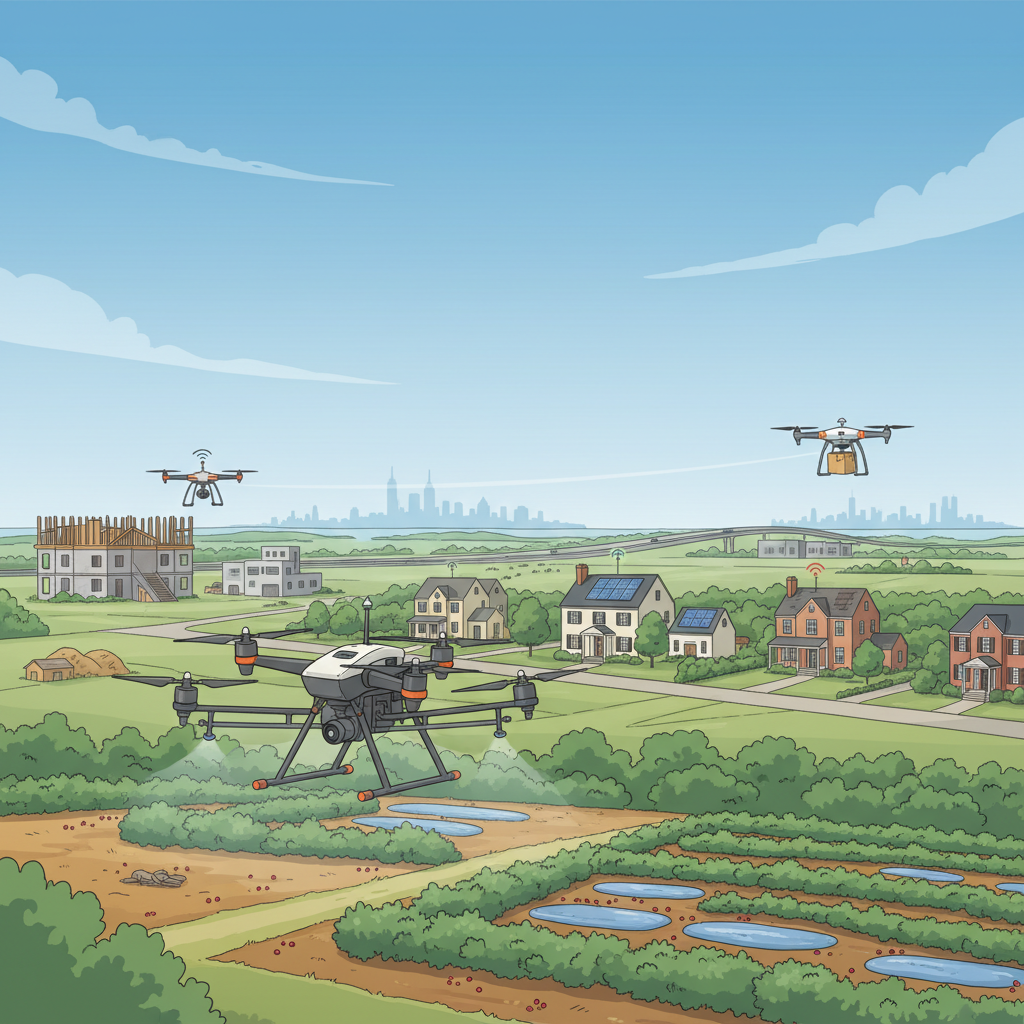
Drones are increasingly used for agricultural purposes, such as pesticide and herbicide application, as well as for managing pests in urban settings. In New Jersey, the adoption of drone technology has surged due to its ability to operate in hard-to-reach areas and deliver treatments more efficiently than traditional methods. The use of drones not only helps in monitoring crop health but also in managing pest infestations more effectively. This trend aligns with the growing need for sustainable practices in agriculture, as drones can significantly reduce the amount of chemicals used while enhancing the overall yield. Their ability to gather real-time data also aids farmers in decision-making, optimizing resource allocation.
Agricultural Applications
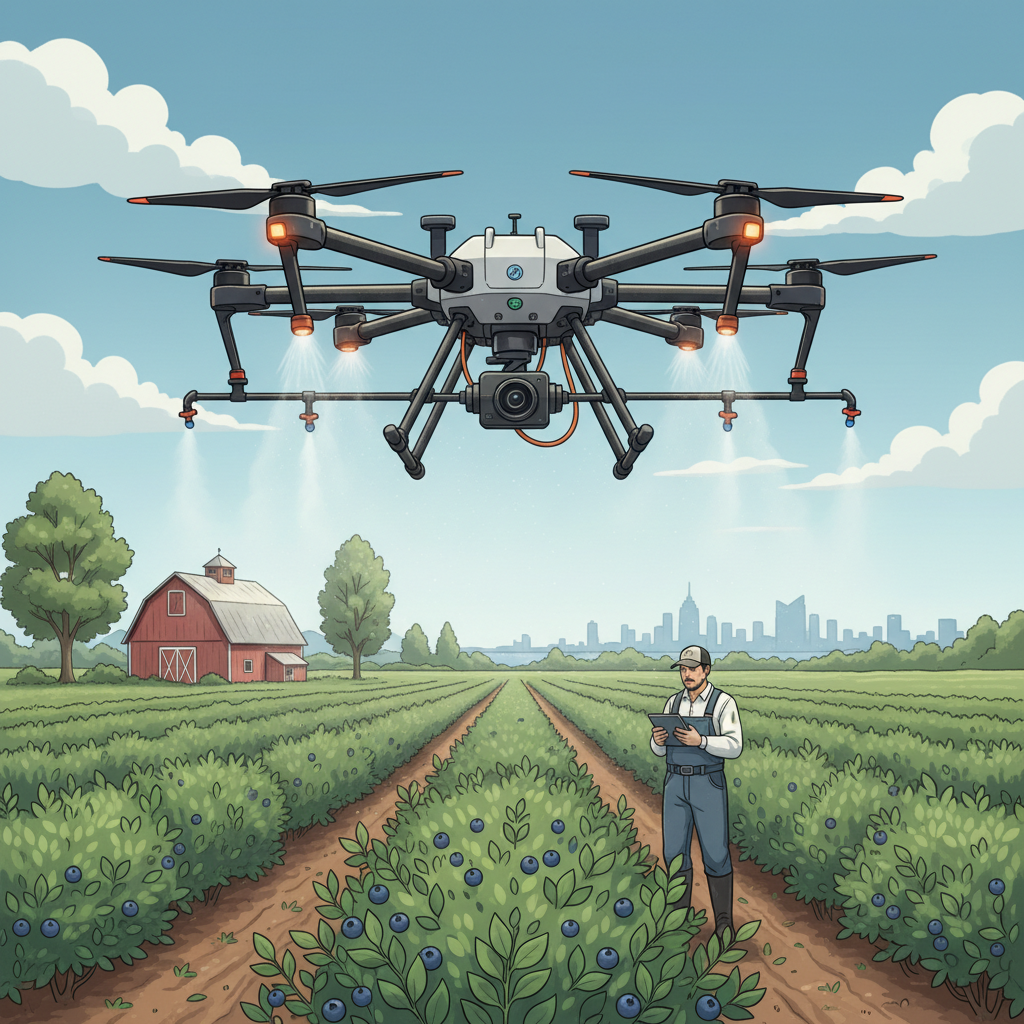
Farmers in New Jersey are leveraging drones to spray fertilizers and pesticides over large areas quickly and evenly. This method offers a distinct advantage: the precise application of chemicals can lead to reduced waste and lower costs. For instance, by utilizing drone technology, farmers can apply treatments only where necessary, minimizing the risk of over-application that can lead to environmental runoff. Moreover, drones are equipped with advanced sensors and imaging technology, allowing for detailed mapping and analysis of fields. This enables farmers to identify problem areas, such as those suffering from pest infestations or nutrient deficiencies, and target them with appropriate treatments. As a result, drone-assisted agriculture not only promotes efficiency but also supports sustainable farming practices by reducing the overall chemical footprint.
Mosquito Control Initiatives
In addition to agricultural applications, some New Jersey municipalities are employing drones for mosquito control. As climate change and urban development expand the habitats for mosquitoes, the risk of mosquito-borne diseases like West Nile Virus and Zika Virus has increased. Drones provide a modern solution to this public health issue by enabling targeted spraying in areas where mosquitoes thrive. Such initiatives have been implemented in towns like Westfield and Woodbridge, where aerial spraying has been utilized to effectively manage mosquito populations with minimal disruption to the local ecosystem. The targeted nature of drone spraying means that chemicals are applied in specific areas at calculated times, maximizing effectiveness while minimizing exposure to non-target species.
Environmental Concerns
Despite the benefits of drone spraying, there are valid concerns regarding the impact of chemical applications on local ecosystems. The indiscriminate use of pesticides and herbicides can pose risks to non-target organisms, including pollinators like bees and butterflies. Additionally, there are apprehensions about chemical runoff into water systems, which can affect aquatic life and drinking water quality. As such, discussions around regulations and safety measures are ongoing to ensure minimal environmental disruption. Stakeholders, including environmental groups and agricultural associations, advocate for rigorous assessments before drone spraying operations are approved. The goal is to strike a balance between effective pest management and the preservation of biodiversity.
Regulatory Landscape
The Federal Aviation Administration (FAA) regulates drone operations, including those for agricultural spraying in New Jersey. These regulations ensure that drone operators adhere to safety standards and operational guidelines. For instance, drone pilots must obtain specific certifications and comply with airspace restrictions. Additionally, local governments may impose further regulations tailored to their municipalities, such as restrictions on spraying times and the types of chemicals that can be used. This layered regulatory framework aims to protect public health and safety while fostering innovation in drone technology. As the industry evolves, ongoing dialogue among regulators, farmers, and community members is essential to develop effective policies that accommodate both agricultural needs and environmental protections.
Public Perception and Community Impact
Community awareness and attitudes towards drone spraying vary widely. While some residents appreciate the technological advancements and potential benefits, others express concerns about privacy, safety, and environmental implications. Education campaigns are needed to inform the public about the benefits and safety of these practices. For example, local governments and agricultural organizations can host informational sessions that explain how drone technology works, the safety measures in place, and the environmental considerations taken into account. Engaging with the community not only fosters transparency but also helps build trust among residents, which is crucial for the successful adoption of drone spraying initiatives.
Future of Drone Spraying in New Jersey
The technology behind drone spraying is rapidly evolving, with potential for even more precise and environmentally friendly methods. Innovations such as autonomous drones and advanced imaging technology promise to enhance the capabilities of drone applications in agriculture and pest control significantly. Ongoing research is likely to expand the applications of drones into other sectors, such as forestry management and environmental monitoring. As the capabilities of drone technology continue to improve, it is expected that their role in sustainable practices will grow, offering solutions that align with the increasing demand for environmentally responsible methods in various industries.
In conclusion, drones are being actively utilized for spraying in New Jersey, primarily for agriculture and mosquito control. The benefits they offer, such as efficiency and precision, are significant; however, it is essential to address environmental concerns and public perceptions to ensure responsible use. Understanding their applications and engaging in community discussions can help leverage this technology effectively. If you’re interested in learning more about drone regulations or community initiatives, stay informed and engaged with local discussions to foster a better understanding of this rapidly evolving technology.
Frequently Asked Questions
Are drones being used for agricultural spraying in New Jersey?
Yes, drones are increasingly used for agricultural spraying in New Jersey. Farmers utilize these unmanned aerial vehicles (UAVs) to efficiently apply fertilizers, pesticides, and herbicides across their fields. Drones allow for precise targeting, reduced chemical usage, and less environmental impact compared to traditional spraying methods, making them a popular choice among local farmers.
What types of products can drones spray in New Jersey?
In New Jersey, drones can spray a variety of agricultural products, including pesticides, herbicides, fungicides, and fertilizers. They are also used for crop monitoring and health assessments, which can help farmers determine the best timing and amount of product needed for their crops. This versatility enhances both crop yield and sustainability efforts in the state.
How do drone spraying regulations work in New Jersey?
Drone spraying regulations in New Jersey are governed by both state and federal laws, primarily enforced by the Federal Aviation Administration (FAA) and the New Jersey Department of Agriculture. Operators must obtain the necessary licenses and adhere to guidelines that ensure safety, environmental protection, and compliance with pesticide application standards. It’s essential for drone operators to stay updated on these regulations to avoid penalties and ensure responsible usage.
Why should farmers consider using drones for spraying in New Jersey?
Farmers in New Jersey should consider using drones for spraying due to the numerous advantages they offer. Drones enhance efficiency by covering large areas quickly and allow for precise application that minimizes waste and environmental impact. Additionally, drone technology can offer data analytics for better decision-making, ultimately leading to improved crop health and increased productivity.
Which companies provide drone spraying services in New Jersey?
Several companies in New Jersey specialize in drone spraying services, including agricultural technology firms and local UAV service providers. Examples include companies like Precision Drone Solutions and AgriSpray, which offer tailored spraying solutions for various crops. It’s advisable to research and choose a service provider that has a good reputation, proper certifications, and experience in the specific types of spraying needed for your agricultural operations.
References
- https://www.nj.gov/dep/health/eht/faq.htm
- https://www.nj.gov/agriculture/divisions/plant/planthealth/
- https://www.nj.gov/dep/health/eht/
- https://www.nj.gov/health/
- https://www.nytimes.com/2022/06/10/us/drone-pesticides-new-jersey.html
- https://www.wbur.org/news/2022/06/10/new-jersey-drone-pesticides-spray-controversy
