
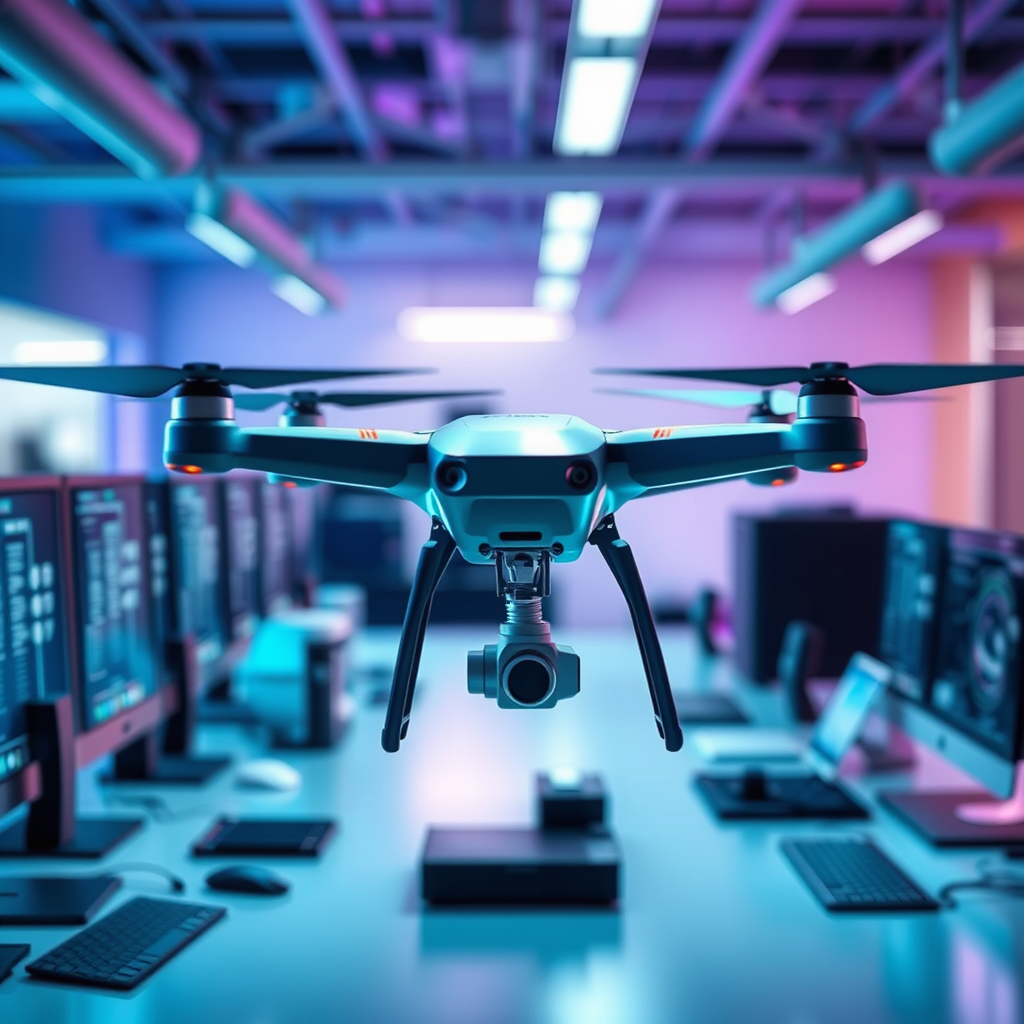
Hydrogen-powered drones are indeed on track to revolutionize the aerial technology landscape, offering significant advantages such as extended flight times and a markedly reduced environmental impact. By harnessing the power of hydrogen fuel cells, these drones can operate for longer periods than their battery-powered counterparts, making them particularly appealing for various industrial applications. As the demand for sustainable and efficient aerial solutions grows, hydrogen drones emerge as a leading contender in the quest for greener technology.
Advantages of Hydrogen-Powered Drones
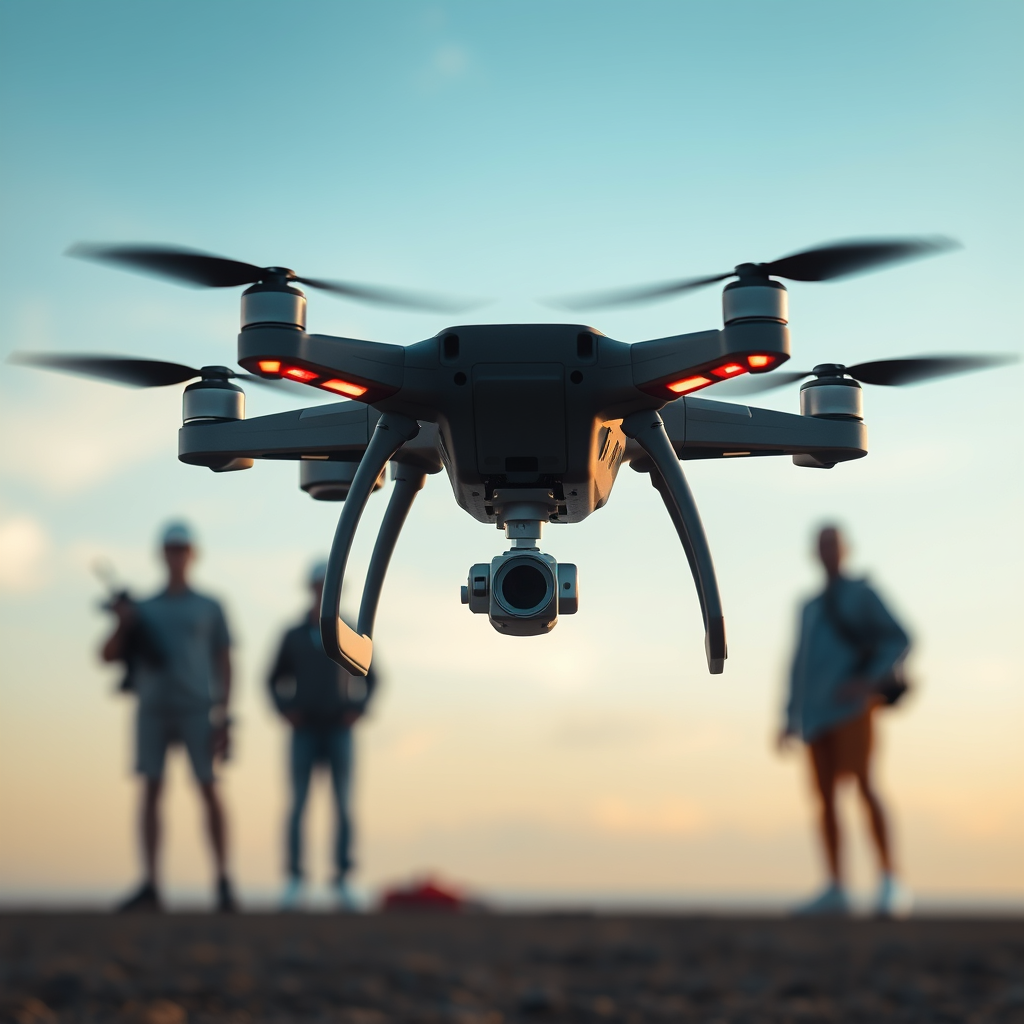
One of the most compelling advantages of hydrogen-powered drones is their longer flight durations. Traditional battery-powered drones are typically limited by their battery life, which can restrict operational capabilities to a few hours. In contrast, hydrogen drones can achieve flight times of up to several hours or even days, depending on the design and hydrogen storage capacity. This extended operational range makes them particularly suitable for missions that require prolonged airborne presence, such as surveillance, search and rescue, and remote monitoring.
Additionally, hydrogen drones have a lower environmental impact compared to conventional drones. The only byproduct of hydrogen fuel cells is water vapor, making them a clean alternative in an era where industries are increasingly scrutinized for their carbon footprints. This aligns perfectly with global efforts to reduce greenhouse gas emissions and combat climate change, positioning hydrogen drones as a more sustainable option in the aerial technology sector.
Current Applications of Hydrogen Drones

The applications for hydrogen-powered drones are diverse and hold significant potential across various sectors. In logistics and delivery services, these drones can transport goods over long distances without the need for frequent recharging, thus enhancing efficiency. For instance, companies like Amazon are exploring drone delivery systems, and integrating hydrogen technology could further expand their operational capabilities while minimizing environmental impact.
In agriculture, hydrogen drones can play a crucial role in crop monitoring and spraying. With their extended flight times, these drones can cover larger areas, providing farmers with vital data on crop health and enabling precise application of fertilizers and pesticides. This not only increases efficiency but also promotes sustainable farming practices by reducing chemical runoff and optimizing resource use.
Technological Innovations Driving Hydrogen Drones
Several technological innovations are propelling the development of hydrogen-powered drones. Advances in fuel cell technology have dramatically improved the efficiency and reliability of these systems. Modern fuel cells are more compact and lightweight, enabling drones to carry larger payloads and maintain higher speeds. Companies such as ZeroAvia are at the forefront of this innovation, creating hydrogen fuel cell systems specifically designed for aviation applications.
Moreover, the integration of lightweight materials and design enhancements is crucial for optimizing drone performance. The use of carbon fiber composites and advanced aerodynamics allows for greater energy efficiency and enhanced flight stability. These innovations not only improve the operational capabilities of hydrogen drones but also contribute to their overall sustainability and cost-effectiveness.
Challenges Facing Hydrogen-Powered Drones
Despite their numerous advantages, hydrogen-powered drones face several challenges that could hinder their widespread adoption. One significant issue is the high cost associated with fuel cell production and hydrogen storage. Currently, the technology remains more expensive than traditional battery systems, which could limit its appeal to budget-conscious businesses. Ongoing research and development are essential to reduce production costs and make hydrogen drones more accessible to a wider market.
Another challenge lies in the infrastructure limitations for hydrogen refueling stations. Unlike electric charging stations, which are becoming increasingly common, the availability of hydrogen refueling facilities is still limited, especially in rural or remote areas. For hydrogen drones to become a viable option for logistics and delivery services, robust refueling infrastructure must be developed to support their operational needs.
Comparison with Traditional Drones
When comparing hydrogen-powered drones to traditional battery-powered models, several factors come into play, including cost-effectiveness and operational efficiency. While upfront costs for hydrogen drones may be higher, their longer flight durations and lower operational costs could lead to savings in the long run. For instance, businesses that require continuous operation can benefit from reduced downtime and maintenance costs associated with battery replacements.
From an environmental perspective, hydrogen drones offer significant sustainability advantages. Unlike traditional drones that rely on lithium-ion batteries, which pose recycling challenges and have a limited lifespan, hydrogen drones generate only water vapor as a byproduct. This positions them as a more environmentally friendly alternative, particularly in industries where reducing emissions is a priority.
Future Outlook for Hydrogen-Powered Drones
The future outlook for hydrogen-powered drones is bright, with predictions indicating significant market growth and adoption rates across various sectors. As industries increasingly prioritize sustainability and efficiency, the demand for hydrogen drones is expected to rise. According to a report by MarketsandMarkets, the global drone market is projected to reach $42 billion by 2025, with hydrogen-powered drones likely to capture a substantial share of this growth.
Moreover, potential regulatory changes may further influence the development of hydrogen drones. As governments implement stricter emissions regulations and promote sustainable technologies, hydrogen drones may receive support in the form of grants and incentives. Technological advancements, such as improved fuel cell efficiency and enhanced hydrogen storage solutions, will also play a critical role in shaping the future of this innovative technology.
The future of hydrogen-powered drones looks promising, with their unique advantages positioning them as a viable alternative to traditional drones. As technology continues to advance and infrastructure develops, these drones could redefine aerial applications across various industries. To stay informed and explore opportunities in this innovative field, consider following industry news and research developments.
Frequently Asked Questions
What are hydrogen-powered drones and how do they work?
Hydrogen-powered drones are unmanned aerial vehicles (UAVs) that utilize hydrogen fuel cells to generate electricity. These drones convert hydrogen gas into electricity through a chemical reaction, emitting only water vapor as a byproduct. This technology allows for longer flight times and greater energy efficiency compared to traditional battery-powered drones, making them ideal for various applications like delivery services, agricultural monitoring, and search and rescue missions.
Why are hydrogen-powered drones considered a potential game-changer in the drone industry?
Hydrogen-powered drones are seen as a potential game-changer due to their ability to provide extended flight durations and quicker refueling times compared to electric drones. With the capability to fly for several hours on a single tank of hydrogen, these drones can cover larger areas and complete tasks more efficiently. Additionally, their environmentally friendly operation aligns with the increasing demand for sustainable technology, making them a compelling choice for industries seeking to reduce their carbon footprint.
How do hydrogen-powered drones compare to electric drones in terms of performance?
In terms of performance, hydrogen-powered drones typically outshine electric drones with their longer flight times and reduced weight, as they do not require heavy battery packs. While electric drones might struggle with continuous operation beyond 30-60 minutes, hydrogen drones can often exceed flight times of 4 hours or more. This performance advantage opens up opportunities for applications that require prolonged endurance, such as surveillance, mapping, and emergency response.
What are the challenges facing the adoption of hydrogen-powered drones?
The adoption of hydrogen-powered drones faces several challenges, including infrastructure limitations for hydrogen production, storage, and refueling. Currently, hydrogen refueling stations are limited, which could hinder widespread use. Additionally, the cost of hydrogen fuel cells and the technology required to produce and maintain them can be high, making it a significant investment for businesses. Addressing these challenges will be crucial for the broader adoption of hydrogen drones in various sectors.
Which industries could benefit the most from hydrogen-powered drone technology?
Several industries stand to benefit immensely from hydrogen-powered drone technology, including agriculture, logistics, and environmental monitoring. In agriculture, drones can efficiently survey large fields and monitor crop health over extended periods. The logistics sector can utilize these drones for last-mile deliveries, reducing reliance on conventional transport methods. Furthermore, environmental monitoring agencies can use hydrogen drones for long-term data collection in remote areas, enhancing their ability to track changes in ecosystems and climate.
References
- Fuel cell
- https://www.sciencedirect.com/science/article/pii/S0360319919307547
- https://www.reuters.com/article/us-aviation-drones-hydrogen-insight-idUSKBN2A20J3
- https://www.bbc.com/news/science-environment-59245680
- https://www.nasa.gov/feature/nasa-develops-hydrogen-powered-drone
- https://www.energy.gov/eere/fuelcells/hydrogen-fuel-cells-drones
- https://www.theguardian.com/technology/2021/aug/17/hydrogen-powered-drones-potential-uses
- https://www.nrel.gov/docs/fy21osti/77527.pdf
