
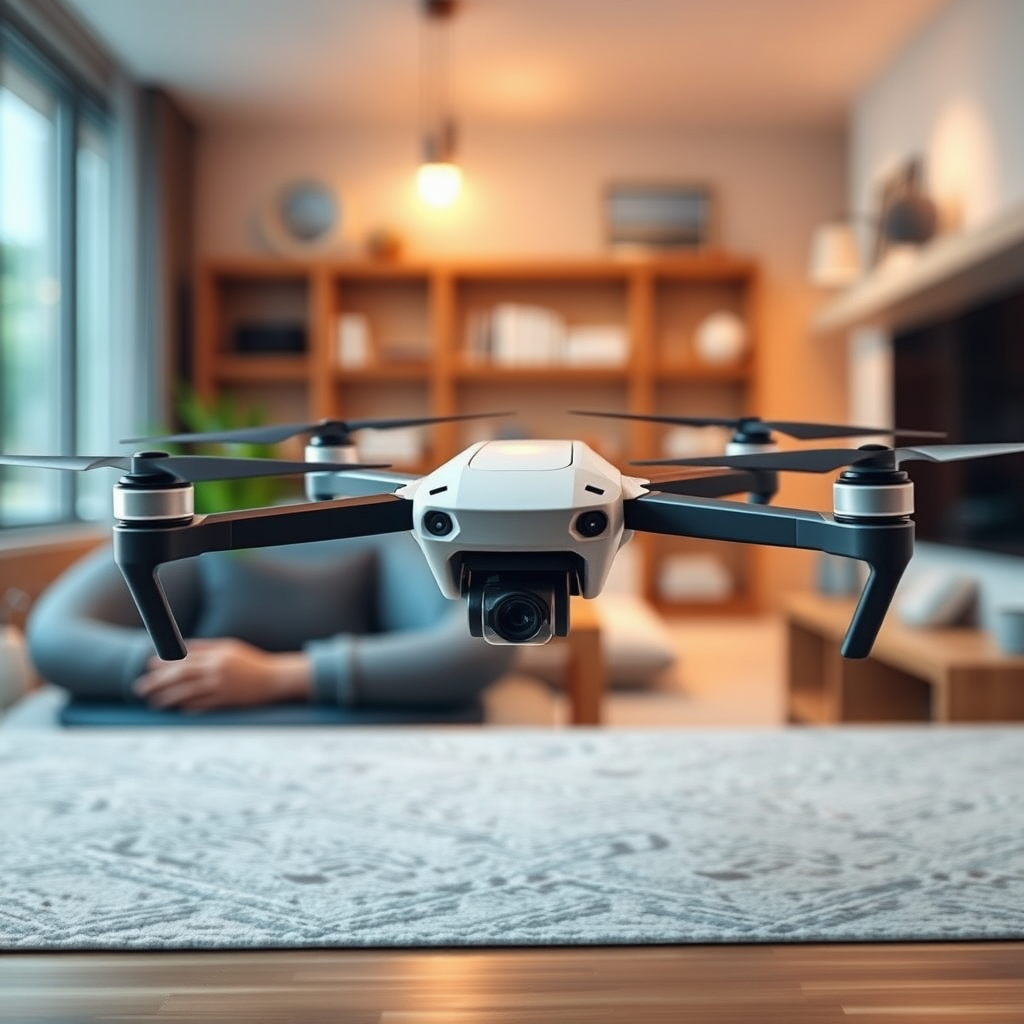
The short answer is yes, nano-drones are on track to be ready for consumer use by 2025. With advancements in technology, regulatory frameworks, and market demand, these tiny flying devices could soon become a staple in everyday life. As we stand on the brink of a new era in personal technology, nano-drones are emerging as versatile tools that promise to enhance various aspects of our daily routines. In this article, we will explore the current state of nano-drone technology, anticipated developments, and potential applications for consumers.
Current State of Nano-Drone Technology
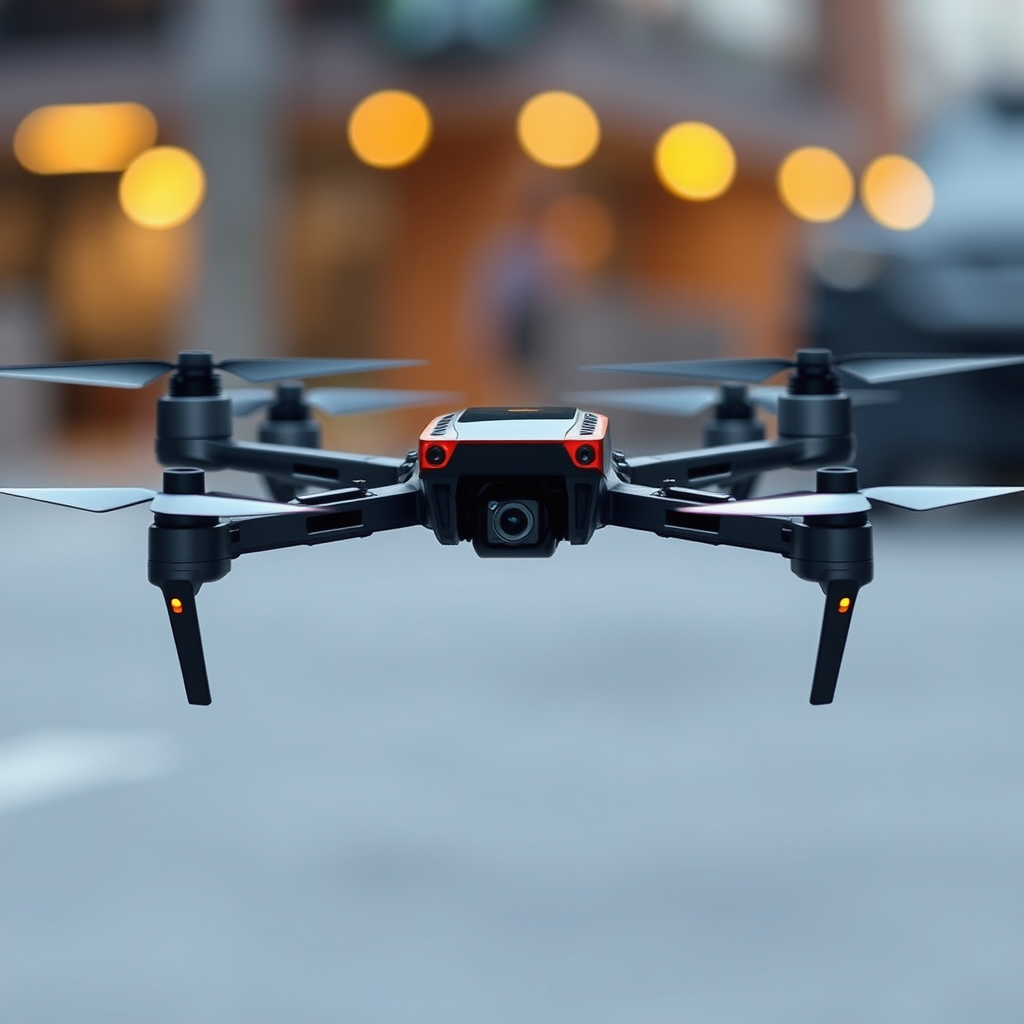
Nano-drones, defined as drones weighing less than 250 grams, have already made significant strides in terms of capabilities. Current models typically offer flight times ranging from 10 to 30 minutes, depending on battery specifications and operational conditions. With ranges of up to several hundred meters, these drones are capable of performing basic tasks like aerial photography and real-time video streaming. The technology underpinning nano-drones revolves around miniaturization, which has allowed engineers to pack sophisticated components—such as sensors, cameras, and communication devices—into very small frames without sacrificing performance.
Recent advancements in battery efficiency have also played a critical role in enhancing the operational capabilities of nano-drones. Lithium polymer batteries, known for their lightweight and high energy density, have become the standard in this sector. Innovations in energy-saving algorithms and battery management systems are enabling longer flight times and more efficient power usage. As a result, the current generation of nano-drones is becoming increasingly capable, setting the stage for future consumer adoption.
Regulatory Landscape for Drone Usage
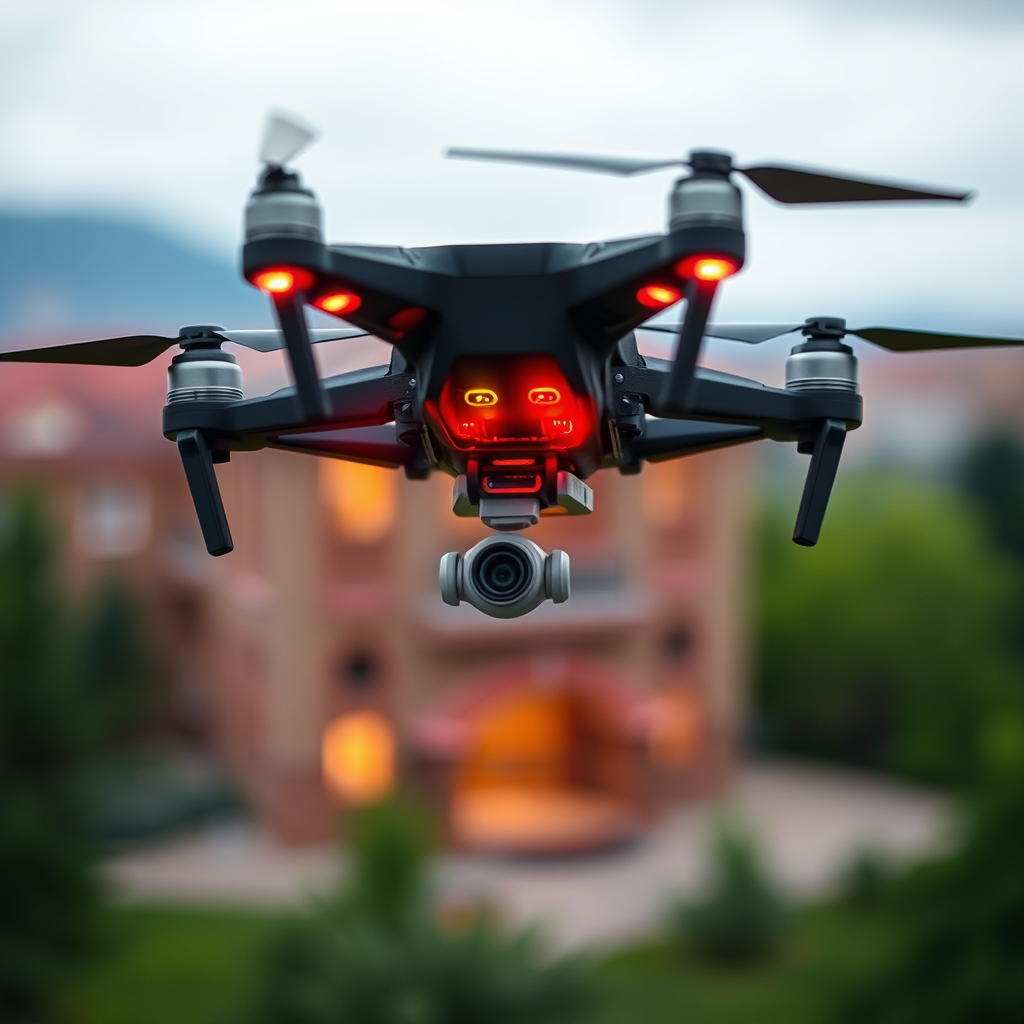
Navigating the regulatory landscape is crucial for the widespread adoption of nano-drones. Currently, regulations surrounding drone usage vary significantly by country, with the Federal Aviation Administration (FAA) in the United States imposing strict guidelines regarding registration, flight altitude, and operational zones. These regulations are primarily focused on safety, privacy, and airspace management. However, the emergence of nano-drones presents a unique challenge and opportunity for regulators.
In anticipation of consumer adoption, there is a growing recognition among policymakers that regulations need to evolve. Efforts are underway to create a more streamlined regulatory framework that accommodates the unique characteristics of nano-drones. For instance, some jurisdictions are already considering allowing flight in urban areas under specific conditions, provided that operators adhere to safety protocols. Future policies could facilitate broader usage by simplifying the registration process and allowing for more flexible flight permissions, paving the way for consumer-friendly applications.
Market Demand for Nano-Drones
The market demand for nano-drones is on the rise, driven by consumer interest in personal technology and the need for innovative solutions across various sectors. According to industry analysts, the global drone market is expected to reach $63 billion by 2025, with nano-drones capturing a significant portion of that growth. Consumers are particularly interested in applications related to photography, security, and delivery services, which are becoming increasingly viable due to the enhanced capabilities of these small devices.
As an example, the photography sector is experiencing a surge in demand for portable aerial imaging solutions. Hobbyists and professionals alike are drawn to the prospect of capturing stunning aerial shots without the need for bulky equipment. Furthermore, industries such as real estate and tourism stand to benefit from the integration of nano-drones, which can provide unique perspectives and enhance marketing efforts. Additionally, sectors like security and surveillance are increasingly exploring the use of nano-drones for monitoring premises, highlighting the wide-ranging applications that can drive market demand.
Key Innovations on the Horizon
As we look to the future, several key innovations are expected to further enhance the capabilities of nano-drones. One of the most anticipated advancements is the development of superior navigation systems that leverage artificial intelligence (AI) and machine learning. These technologies will enable nano-drones to navigate complex environments autonomously, avoiding obstacles and adapting to changing conditions in real time.
Another significant innovation is the enhancement of obstacle avoidance systems. Currently, many nano-drones are equipped with basic sensors that help prevent collisions. However, emerging technologies are expected to provide advanced spatial awareness, allowing drones to make split-second decisions to avoid hazards. This level of sophistication will not only improve safety but also expand the range of applications for nano-drones, making them suitable for indoor operations and more crowded environments.
Battery technology is also poised for improvement, with researchers exploring solid-state batteries that promise higher energy densities and faster charging times. Such advancements will increase the viability of nano-drones for longer missions and more demanding applications.
Challenges to Consumer Adoption
Despite the promising outlook for nano-drones, several challenges remain that could impede consumer adoption. Privacy concerns are among the most significant obstacles, as the potential for surveillance and data collection raises ethical questions. Consumers may be hesitant to embrace technology that could infringe on their privacy or be perceived as intrusive.
Technical limitations also pose challenges, particularly regarding battery life and payload capacity. While current models are lightweight and portable, the trade-off often comes at the expense of performance. As such, consumers may find it challenging to balance the desire for advanced features with the practical limitations of existing technology.
Public perception of drones plays a crucial role in their acceptance as well. The media often portrays drones in a negative light, focusing on misuse or accidents rather than their positive applications. Addressing these concerns through educational initiatives and transparent communication will be essential for fostering consumer trust and acceptance.
Future Applications of Nano-Drones
The potential applications for nano-drones are vast and varied. In personal photography, consumers may soon find themselves utilizing nano-drones to capture stunning aerial shots during vacations, family gatherings, or outdoor adventures. These small devices could provide a level of creativity and flexibility that traditional photography equipment cannot match, allowing users to explore new perspectives.
In the realm of home security, nano-drones could integrate seamlessly into smart home ecosystems. Consumers could deploy these drones to monitor their properties, receiving real-time alerts and visual feeds directly to their smartphones. This capability would enhance the level of security while providing peace of mind for homeowners.
Moreover, nano-drones could play a significant role in the logistics and delivery services sector. As companies explore last-mile delivery solutions, these tiny drones could offer an efficient and cost-effective means of transporting goods over short distances, particularly in urban environments.
The integration of nano-drones into everyday life is poised to transform consumer experiences, making tasks more efficient and enjoyable.
The anticipated readiness of nano-drones for consumer use by 2025 is promising, driven by technological advancements and growing market interest. As regulations adapt and innovations emerge, these tiny devices could revolutionize how we interact with our environment. From enhancing personal photography to improving home security, the potential applications are vast. Stay informed about this exciting development, and consider how you might incorporate nano-drones into your life in the near future!
Frequently Asked Questions
What are nano-drones and how do they differ from traditional drones?
Nano-drones are extremely small unmanned aerial vehicles, typically weighing less than 250 grams and measuring a few inches across. Unlike traditional drones, which can be larger and equipped with more powerful batteries and cameras, nano-drones are designed for close-range use, often featuring advanced stabilization technology and obstacle avoidance systems. Their compact size makes them ideal for indoor flying, personal use, and applications like surveillance, search and rescue, and even educational purposes.
How can I safely operate a nano-drone when they become available in 2025?
To safely operate a nano-drone, it’s essential to familiarize yourself with local regulations regarding drone usage, as these can vary by region. Start by practicing in open, unobstructed areas to develop your piloting skills. Always keep the drone in your line of sight, respect privacy laws, and avoid flying in crowded spaces or near airports. Additionally, investing in a nano-drone with built-in safety features, such as GPS hold and automatic return-to-home functions, can enhance safety during operation.
Why are nano-drones expected to become popular among consumers by 2025?
Nano-drones are expected to gain popularity among consumers by 2025 due to their affordability, ease of use, and versatility. As technology advances, manufacturers are developing more sophisticated features, such as high-definition cameras and advanced flight automation, which make these drones appealing for both recreation and practical applications. Furthermore, the growing interest in aerial photography and the potential for educational and hobbyist uses are likely to fuel demand for consumer-friendly nano-drones.
What are the best use cases for nano-drones in everyday life?
Nano-drones can be utilized in various everyday scenarios, such as capturing stunning aerial photographs or videos, conducting home inspections, or assisting in event planning and monitoring. They can also serve educational purposes, providing hands-on experience in coding and robotics for students. Furthermore, nano-drones are ideal for recreational activities, offering a fun way to engage in outdoor flying or participate in drone racing events.
Which features should I look for in a nano-drone before purchasing in 2025?
When considering a nano-drone for purchase in 2025, look for features such as flight time, camera quality, and ease of control. A flight time of at least 10-15 minutes is ideal for most users, and a camera with at least 720p resolution will enhance your aerial photography experience. Additionally, consider models equipped with GPS capabilities for stability, auto-return functions for safety, and user-friendly controls, especially if you are a beginner.
References
- Nanotechnology
- https://www.bbc.com/news/technology-59203684
- https://www.reuters.com/technology/what-are-nano-drones-2022-02-15/
- https://www.sciencedirect.com/science/article/pii/S2351978921000567
- https://www.nist.gov/news-events/news/2020/09/nist-researchers-develop-nano-drones-improve-drug-delivery
- https://www.techrepublic.com/article/nano-drones-and-the-future-of-drone-technology/
- https://www.ncbi.nlm.nih.gov/pmc/articles/PMC7018318/
- https://www.theguardian.com/technology/2021/oct/09/nanotechnology-drone-innovation
- News | American Association for the Advancement of Science (AAAS)
- https://www.itu.int/en/ITU-T/focusgroups/ai4good/Pages/nano-drones.aspx
