

Yes, there are drones in the sky at night. While many people associate drone activity with daylight hours, numerous drones operate after dark for various purposes, including surveillance, agriculture, and recreational use. Nighttime drone flights are increasingly common as technology evolves, offering unique capabilities that allow for effective operations in low-light conditions. This article explores the reasons behind nighttime drone flights, their visibility, and the regulations governing their use.
The Rise of Nighttime Drone Use
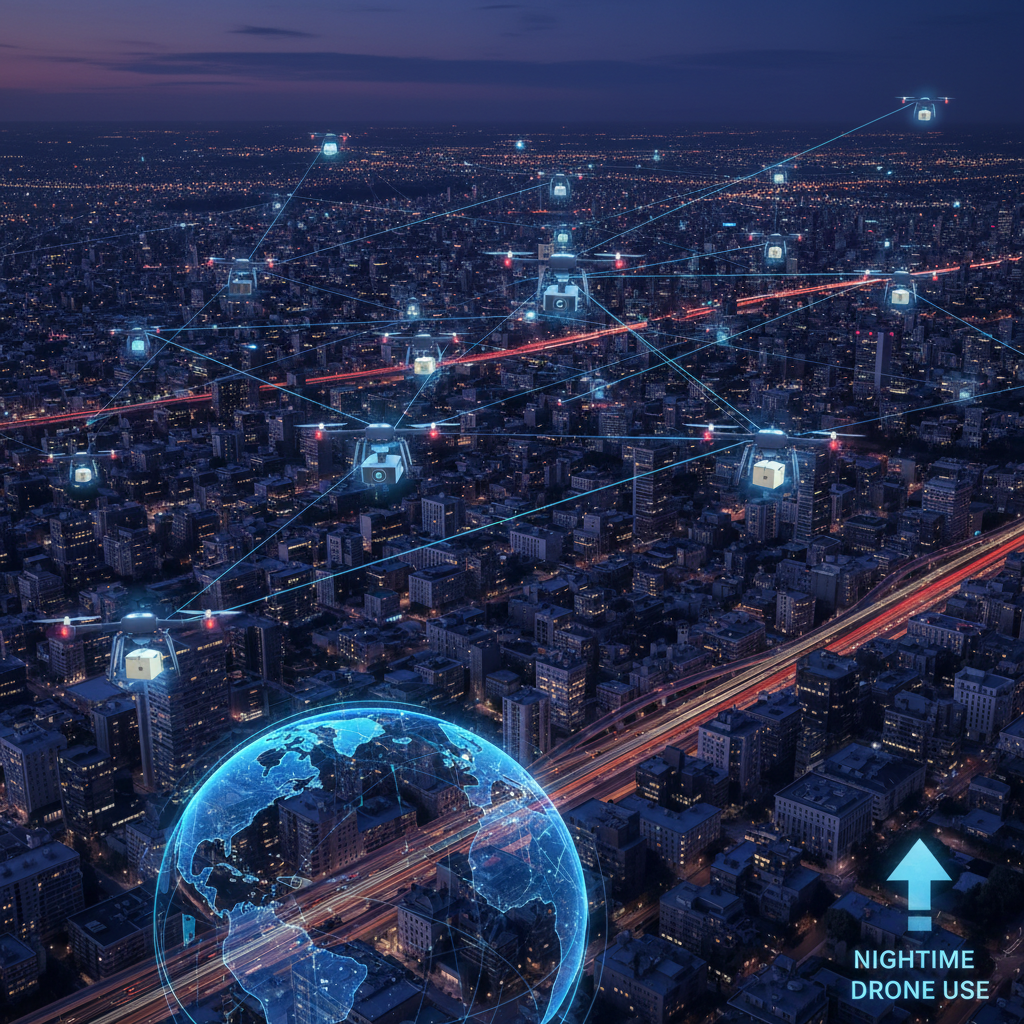
The use of drones after sunset has surged in recent years, driven by a variety of factors. One significant reason is the increased demand for nighttime photography and videography. Photographers and filmmakers are leveraging drones equipped with advanced cameras to capture stunning images of urban landscapes illuminated by city lights or natural wonders under the moonlight. The unique perspective offered by aerial photography at night can create compelling visual narratives that are difficult to achieve during the day.

Additionally, drones play a crucial role in search and rescue operations, where the ability to cover vast areas quickly and efficiently is vital. Nighttime operations can enhance the effectiveness of these missions, as drones equipped with thermal imaging cameras can detect heat signatures, aiding in locating missing persons or assessing disaster-stricken areas. This capability not only improves safety and efficiency but also reduces the time taken to execute critical operations.
Types of Drones Flying at Night
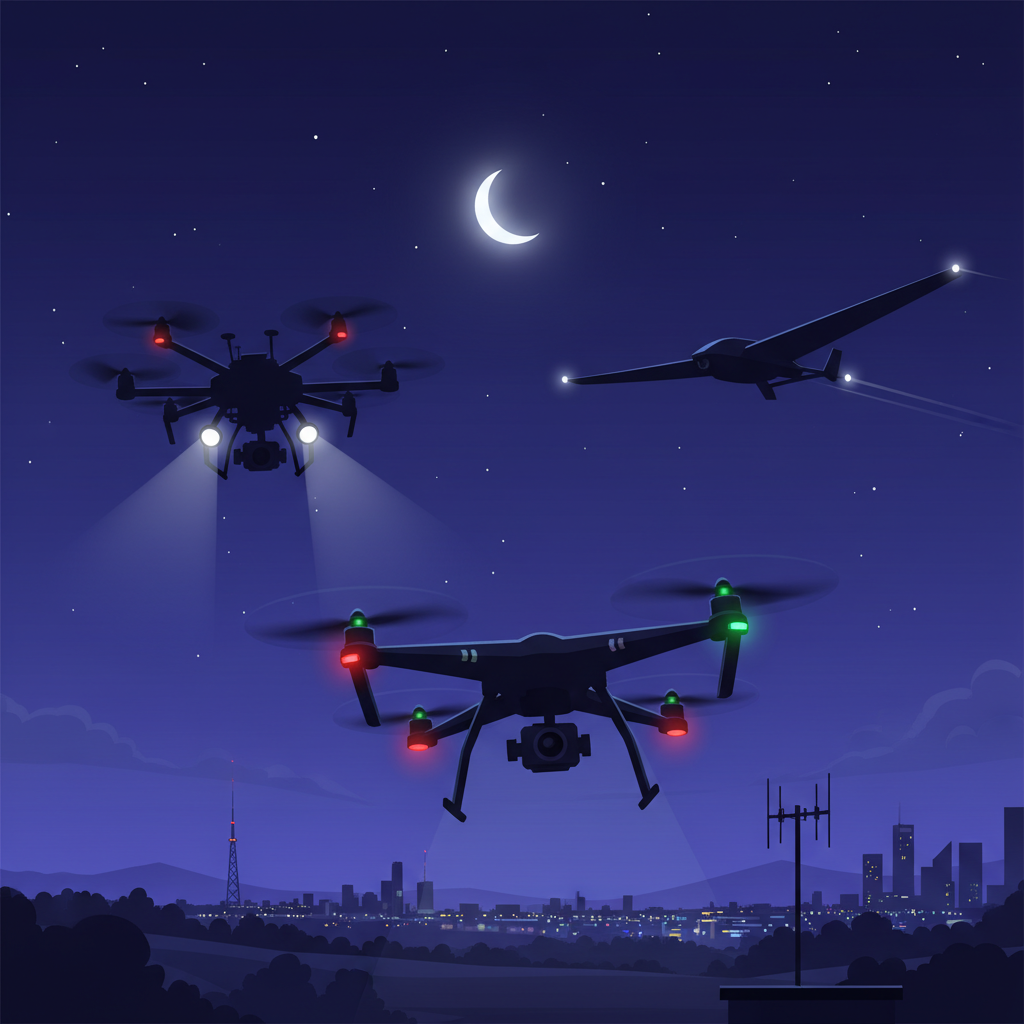
Nighttime drone operations can be categorized into two primary types: commercial drones and recreational drones. Commercial drones are often equipped with advanced technology such as night vision or thermal imaging capabilities, enabling them to perform specialized tasks after dark. For instance, agricultural drones can monitor crop health under low light, using thermal sensors to identify irrigation issues that might be invisible during the day.
On the other hand, recreational drones are increasingly popular among hobbyists who enjoy flying at night, often for stargazing or simply the thrill of night flights. Many of these drones feature LED lights that enhance visibility, making them easy to spot against the night sky. Hobbyists often utilize these drones for capturing breathtaking night sky photography or simply enjoying the experience of flying in the serene night atmosphere.
Regulations for Nighttime Drone Operations
With the rise of nighttime drone usage, regulatory bodies have implemented specific guidelines to ensure safety and compliance. In the United States, the Federal Aviation Administration (FAA) mandates that drones flying at night must be equipped with appropriate lighting to ensure they are visible to other air traffic and ground-based observers. The regulations require drones to have anti-collision lights that are visible for at least three statute miles, ensuring that operators can navigate their drones safely without posing a risk to other aircraft.
Moreover, commercial operators are typically required to obtain specific permits for night flights, which often involve demonstrating proficiency in nighttime operations. This ensures that operators are aware of the additional challenges posed by flying at night, such as reduced visibility and the potential for encountering unexpected obstacles. Compliance with these regulations is crucial for maintaining safety and avoiding penalties.
Safety Considerations for Nighttime Drone Flying
Flying drones at night presents unique safety challenges that operators must consider. Low visibility conditions can significantly increase the risk of accidents, making it essential for pilots to conduct thorough pre-flight checks. This includes ensuring that the drone’s lights are functioning correctly, as well as confirming that all equipment is in optimal working condition.
Additionally, drone operators must maintain situational awareness of their surroundings and local airspace restrictions. Understanding the layout of the area, including potential obstacles such as trees or buildings, is critical for safe navigation. Pilots should also familiarize themselves with any local regulations regarding nighttime flying, as some areas may impose restrictions on drone operations after dark.
How to Spot Drones at Night
Identifying drones in the night sky can be challenging, but there are specific characteristics that can help observers distinguish them from other flying objects, such as traditional aircraft. Drones are typically equipped with LED lights that can be seen from a distance, often flashing in distinctive patterns. For example, many drones display a combination of red, green, and white lights, which can help indicate their direction and orientation.
Understanding the flight patterns of drones can also aid in identification. Unlike airplanes, which travel at higher altitudes and maintain a steady course, drones often maneuver in more erratic patterns, hovering in place or making sharp turns. Observers can further investigate unusual lights in the sky by utilizing smartphone applications that track drone flights, providing real-time information about nearby drone activity.
Future Trends in Nighttime Drone Technology
The future of nighttime drone operations looks promising, with continued advancements in technology enhancing the safety and efficiency of these flights. Innovations in drone design are leading to the development of more sophisticated night vision and thermal imaging systems, allowing for greater accuracy in low-light conditions. For instance, some manufacturers are creating drones that can autonomously navigate through complex environments using advanced sensors and artificial intelligence.
Moreover, the integration of AI and automation into drone technology is poised to revolutionize nighttime operations. AI can help optimize flight paths, improve obstacle detection, and enable drones to operate autonomously under challenging conditions. This could open up new opportunities for industries such as agriculture, public safety, and media, allowing for more efficient and cost-effective nighttime operations.
As drone technology continues to evolve, the potential applications for nighttime flights will expand, creating new avenues for innovation and exploration.
In conclusion, while drones are indeed present in the night sky, their operation is subject to specific regulations and safety protocols. The rise of nighttime drone use reflects the growing demand for unique aerial perspectives and the benefits they provide in critical operations such as search and rescue. As technology advances, nighttime drone usage is likely to increase, offering new opportunities and challenges. For those interested in flying drones at night, it is essential to understand local regulations and prioritize safety practices to ensure a successful and responsible flying experience.
Frequently Asked Questions
Are there drones flying in the sky at night?
Yes, there are drones that fly at night, but their operation is subject to specific regulations and restrictions. Many countries, including the United States, require operators to have special permissions or licenses to fly drones after dark. These nighttime flights are typically conducted for purposes such as aerial photography, surveillance, and search-and-rescue operations, but they must adhere to safety protocols, including the use of lights for visibility.
Why do some drones operate at night?
Drones operate at night for various reasons, including enhanced surveillance capabilities, nighttime photography, and monitoring wildlife or agricultural fields without disturbing them. Nighttime flights can offer unique perspectives and data that are not possible during the day. Additionally, certain industries, such as construction and energy, may utilize drones at night to maximize productivity and efficiency while minimizing disruptions.
What regulations govern nighttime drone flights?
Nighttime drone flights are regulated by aviation authorities, such as the Federal Aviation Administration (FAA) in the United States. Pilots must have a Part 107 Remote Pilot Certificate and must comply with additional requirements such as operating within visual line of sight, using anti-collision lights, and flying below 400 feet. Regulations may vary by country, so it’s essential for drone operators to check local laws before flying at night.
How can I identify a drone in the night sky?
Identifying a drone at night can be challenging, but there are a few indicators. Drones are typically equipped with LED lights that may blink or change colors, making them distinguishable from aircraft. Additionally, drones tend to fly lower than traditional aircraft and often exhibit more erratic movements. If you notice a small, bright light moving in a controlled manner at a low altitude, it is likely a drone.
What are the risks of flying drones at night?
Flying drones at night poses several risks, including reduced visibility for both the drone operator and other air traffic. The potential for collisions with obstacles or other aircraft increases due to limited light. Additionally, operators may find it more challenging to maintain visual line of sight, which is crucial for safe flying. To mitigate these risks, operators should ensure their drones are equipped with proper lighting and follow all regulatory guidelines for night operations.
References
- https://en.wikipedia.org/wiki/Drone
- https://www.faa.gov/uas/
- https://www.nytimes.com/2021/09/08/us/drones-night-sky.html
- https://www.sciencedirect.com/science/article/pii/S2352864821000731
- https://www.theguardian.com/us-news/2020/sep/23/what-are-the-legalities-of-drone-use-at-night
- https://www.cnbc.com/2020/10/07/drones-at-night-what-you-need-to-know.html
- https://www.nap.edu/catalog/21827/drones-in-the-sky-issues-and-implications-for-the-future
- https://www.govinfo.gov/app/details/GOVPUBS-2801528e8d3a7f1b8b6a2e9c0e7c586c
