
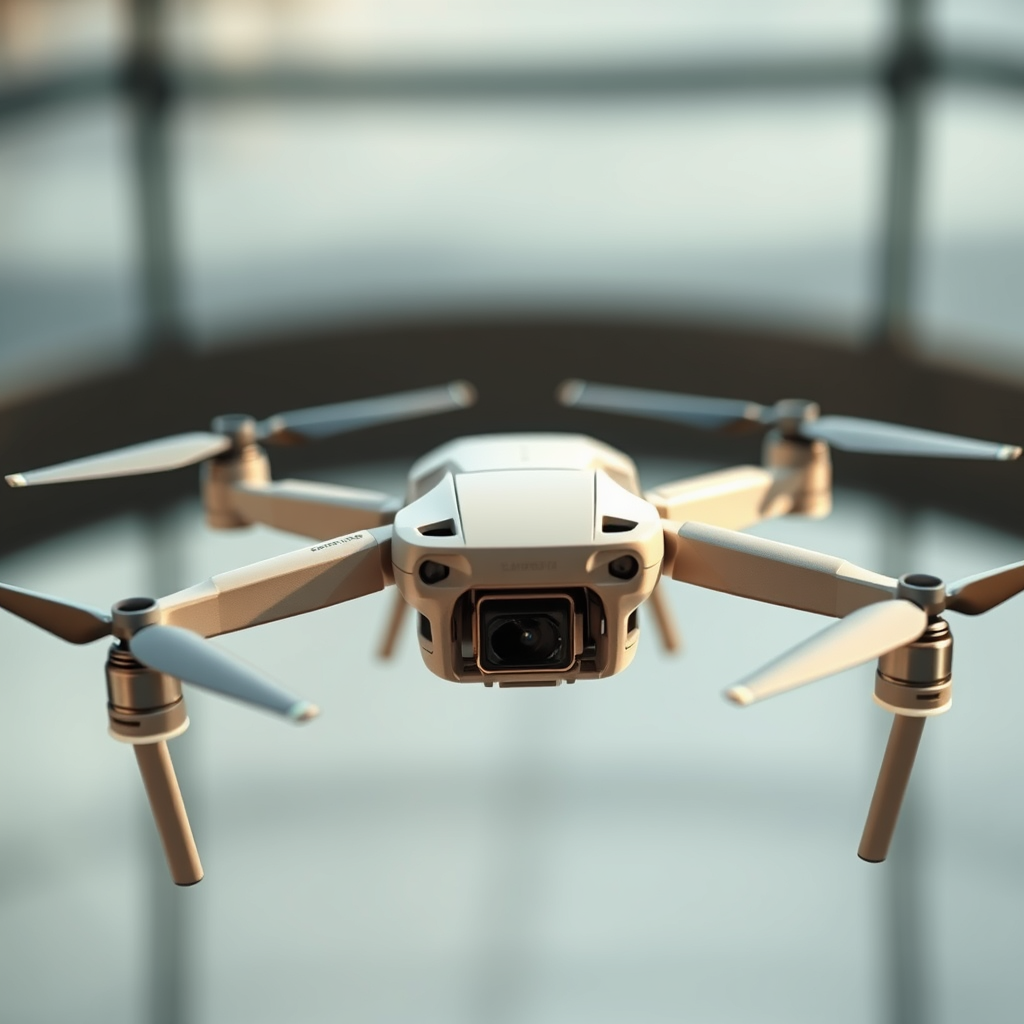
Yes, there are drones designed to carry a person, often referred to as passenger drones or eVTOL (electric vertical takeoff and landing) aircraft. These innovative flying vehicles are emerging as a new mode of transportation that promises to alleviate urban congestion and transform personal mobility. In this article, we will explore the various types of passenger drones, their capabilities, safety concerns, and future potential, providing a comprehensive overview of this exciting technology.
Overview of Passenger Drones
Passenger drones are advanced aerial vehicles specifically engineered to transport individuals, typically in urban environments. They leverage cutting-edge technology to provide a new layer of mobility that is not only efficient but also environmentally friendly due to their electric power sources. Unlike traditional drones, which are primarily used for recreational purposes, surveillance, or cargo delivery, passenger drones are designed with the complex needs of human passengers in mind, integrating safety, comfort, and regulatory compliance into their design.
The distinction between passenger drones and traditional drones lies in their size, capabilities, and intended use. While traditional drones can usually carry small payloads and operate at lower altitudes, passenger drones are larger, equipped with multiple rotors or wings, and built to fly at higher altitudes to navigate urban landscapes effectively. This shift towards passenger drones represents a significant evolution in drone technology, expanding their applications and potential impact on transportation systems.
Types of Passenger Drones
eVTOL Aircraft: Design and Technology
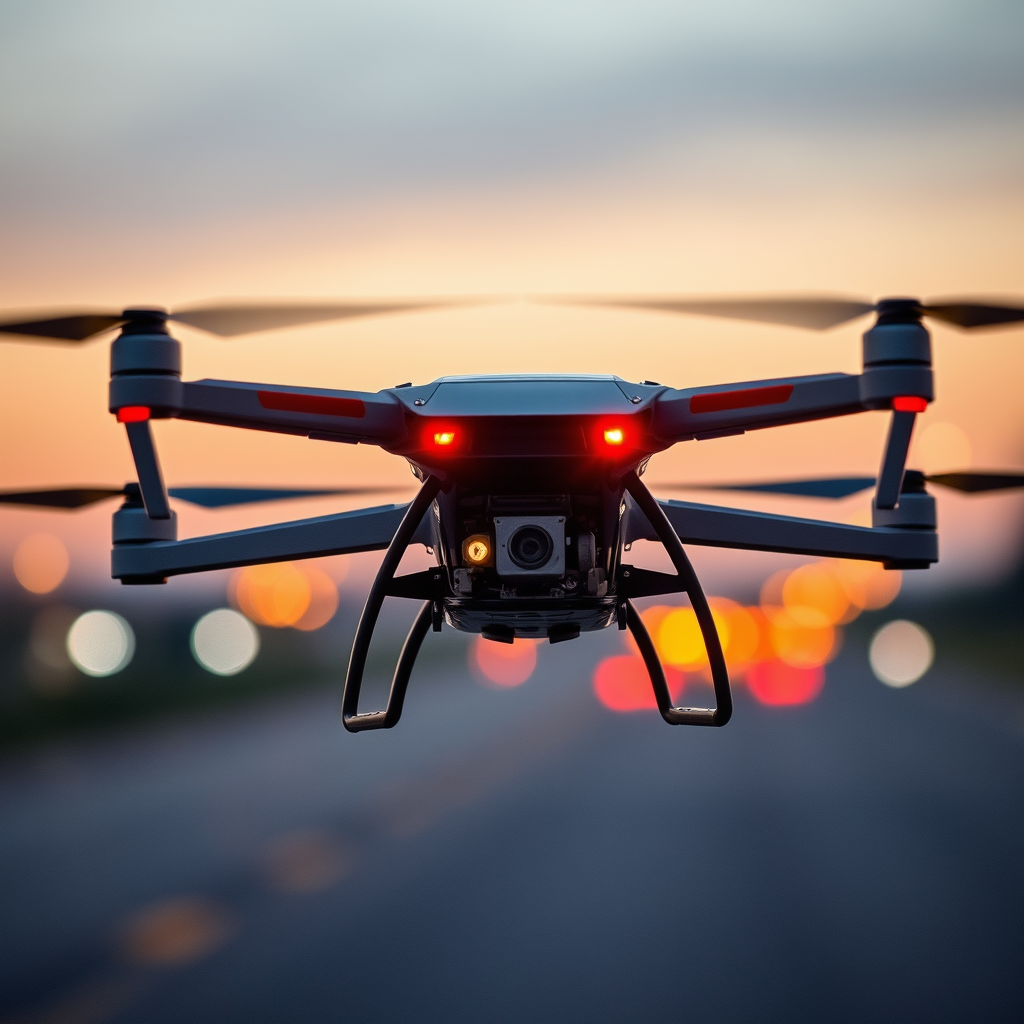
eVTOL aircraft are at the forefront of passenger drone technology, characterized by their ability to take off and land vertically, similar to helicopters, while utilizing electric propulsion for flight. These aircraft are designed to be efficient, quieter, and more environmentally friendly than traditional aviation options. The eVTOL design typically includes multiple rotors or propellers, allowing for enhanced stability and control during flight.
Prominent examples of eVTOL aircraft include the Joby Aviation eVTOL, which boasts a range of 150 miles and a top speed of 200 mph, and the Archer Aviation’s Maker, designed for urban air mobility with a focus on reducing travel times in congested areas. Another notable entrant is the Volocopter, which has been actively testing its VoloCity model, aiming to become a viable option for urban air taxi services.
Examples of Current Models in Development or Use
Several companies are currently developing or testing passenger drones, showcasing the diversity in design and application. For instance, Lilium’s jet, which features a unique design with fixed wings and multiple tilting jet engines, aims to provide intercity travel solutions with a range of over 160 km. Meanwhile, the Airspeeder project is creating a racing format for passenger drones, pushing the boundaries of performance and design in a competitive setting. This variety of models highlights the rapid evolution within the industry and the exciting possibilities that lie ahead.
How Passenger Drones Work
Passenger drones utilize advanced flight mechanics and technology to ensure safe and smooth operations. At their core, these vehicles integrate sophisticated flight control systems that manage everything from propulsion to navigation. Many passenger drones are equipped with redundant systems to enhance safety, ensuring that even in the event of a malfunction, the drone can maintain stable flight.
Automation plays a crucial role in the operation of passenger drones. While some models are designed to be fully autonomous, allowing for pilotless flights, others incorporate a pilot option for added safety and control. The guidance systems in these drones often rely on a combination of GPS, LiDAR, and obstacle detection technologies to navigate urban environments effectively and avoid potential hazards.
Safety Considerations
Regulatory Standards and Certifications Needed
As passenger drones evolve, regulatory frameworks are being developed to ensure their safe integration into existing airspace. In the United States, the Federal Aviation Administration (FAA) has begun establishing guidelines that define the certification and operational standards for eVTOL aircraft. These regulations are critical for ensuring that passenger drones meet safety requirements comparable to those in traditional aviation.
Safety Features Incorporated into Passenger Drones
Passenger drones are designed with multiple safety features to protect occupants. These include redundant flight systems, emergency parachutes, and advanced collision avoidance technology. Some models also incorporate real-time monitoring systems that can provide data on potential mechanical issues, enabling preventative maintenance before flights. Additionally, rigorous testing protocols and simulations are employed to validate safety measures before these drones can be commercially deployed.
Current Limitations and Challenges
Technical Hurdles in Drone Design and Functionality
Despite their potential, passenger drones face several technical challenges that must be addressed before widespread adoption can occur. These include limitations in battery technology, which currently restricts flight duration and range, as well as the need for more robust materials to enhance structural integrity. Additionally, achieving noise reduction is essential for urban acceptance, as noise pollution can hinder the feasibility of passenger drones in densely populated areas.
Public Perception and Acceptance of Passenger Drones
Public perception is another significant hurdle that passenger drones must overcome. Concerns about safety, noise, and the potential for accidents can impede acceptance. Effective public education campaigns, demonstrating the safety and benefits of passenger drones, will be crucial in shifting perceptions and garnering public support for urban air mobility initiatives.
Future of Personal Air Transportation
Predictions for the Passenger Drone Market
The passenger drone market is poised for significant growth, with industry analysts predicting it could reach a valuation of over $1 billion by the next decade. This growth is driven by advancements in technology, increasing investments from aerospace companies, and the need for innovative solutions to urban transportation challenges. As cities continue to grapple with traffic congestion, passenger drones may emerge as a viable alternative to traditional ground transportation.
Potential Impact on Urban Transportation and Commuting
The integration of passenger drones into urban transportation systems has the potential to drastically reshape the way we commute. By providing an aerial option that bypasses ground traffic, these drones could significantly reduce travel times and improve overall mobility in crowded cities. Furthermore, by utilizing electric power, passenger drones can contribute to more sustainable and eco-friendly transportation solutions, aligning with global efforts to reduce carbon emissions.
In conclusion, passenger drones represent a significant advancement in transportation technology, with the potential to revolutionize how we travel. Their innovative designs and growing capabilities offer exciting possibilities for urban mobility, but they also come with challenges that need to be addressed. As developments continue, staying informed about their progress and implications will be essential for anyone interested in the future of mobility. The journey towards widespread passenger drone adoption is still in its infancy, but the future appears promising.
Frequently Asked Questions
What are passenger drones and how do they work?
Passenger drones, often referred to as urban air mobility (UAM) vehicles or eVTOLs (electric vertical takeoff and landing aircraft), are designed to carry people. These innovative drones utilize electric propulsion and advanced flight technologies, allowing them to take off and land vertically, similar to helicopters. Equipped with autonomous or semi-autonomous flying capabilities, these drones aim to alleviate urban congestion by providing on-demand air transport.
How safe are drones that can carry people?
The safety of passenger drones is a paramount concern and is being addressed through stringent regulations and testing. Manufacturers must comply with aviation safety standards set by authorities like the FAA and EASA, including rigorous testing for reliability and emergency systems. Additionally, many drones are designed with multiple redundancies and fail-safe mechanisms to ensure passenger safety during flight.
Why are passenger drones a viable solution for urban transportation?
Passenger drones offer a promising solution to urban transportation challenges by potentially reducing traffic congestion and travel time in densely populated areas. They can bypass road traffic, providing a direct aerial route, which could significantly speed up commutes. Furthermore, as cities seek sustainable transportation options, electric passenger drones could contribute to cleaner air and lower carbon emissions compared to traditional vehicles.
Which companies are leading in the development of personal drones for passengers?
Several companies are at the forefront of developing passenger drones, including prominent names like Volocopter, Joby Aviation, and AeroMobil. These companies are pioneering technologies that integrate electric propulsion, autonomous navigation, and innovative designs to create viable urban air mobility solutions. As they conduct successful test flights and work with regulatory bodies, they are making strides towards commercializing passenger drones.
What regulations govern the operation of drones that carry people?
The operation of passenger drones is governed by a complex framework of aviation regulations, which vary by country. In the U.S., the FAA has established guidelines for the certification of eVTOLs and their operations, focusing on safety, airworthiness, and pilot training. Other countries, such as those in the European Union, have similar regulations through EASA, ensuring that passenger drones meet stringent safety and operational standards before they can be used for commercial air transport.
References
- https://en.wikipedia.org/wiki/Passenger_drone
- https://www.bbc.com/news/technology-45386541
- https://www.theguardian.com/technology/2021/jun/08/flying-taxis-are-a-step-closer-to-take-off
- https://www.nytimes.com/2021/10/16/business/drone-taxis-urban-air-mobility.html
- https://www.nasa.gov/aeroresearch/technology/urban_air_mobility
- https://www.sciencedirect.com/science/article/abs/pii/S0968090X19303635
- https://www.darpa.mil/news-events/2021-10-20
- https://www.techcrunch.com/2022/10/04/electric-air-taxis-are-here/
