
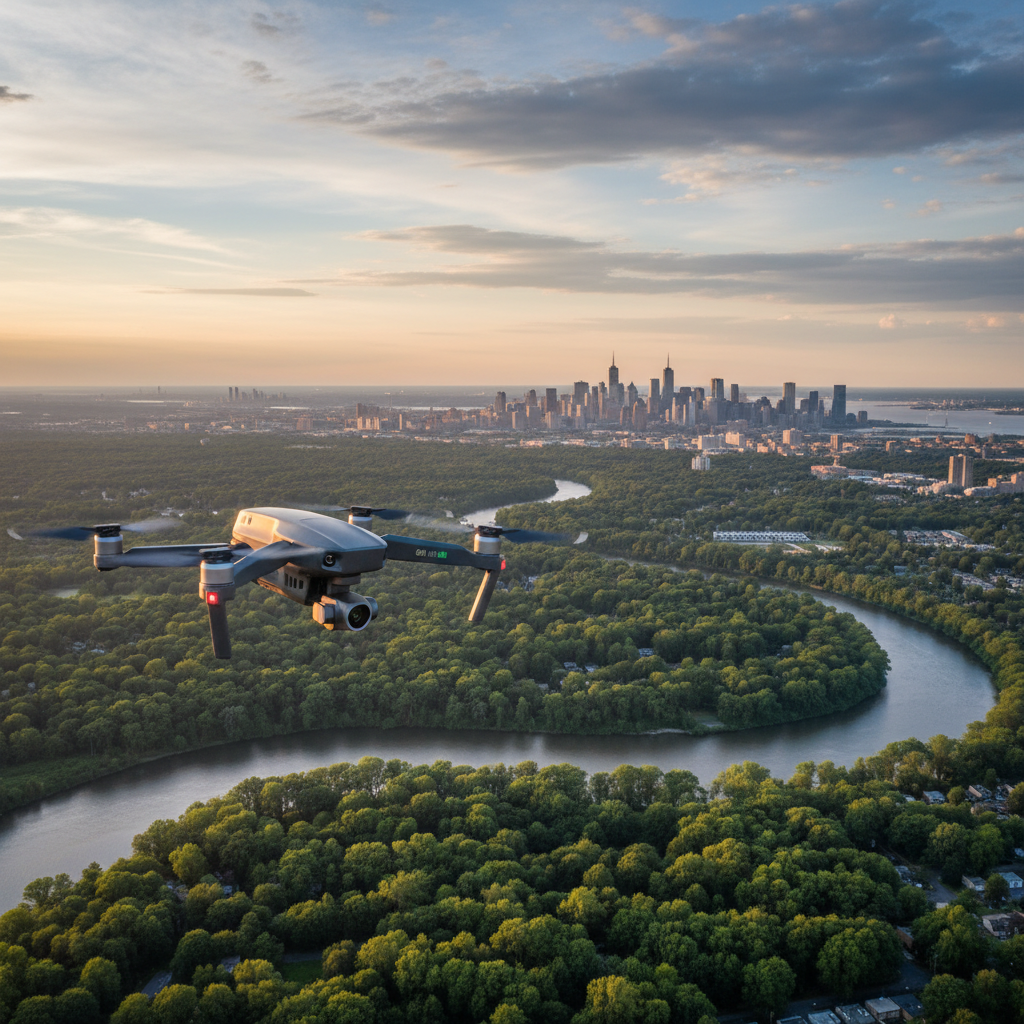
Yes, there are still drones flying over New Jersey, with their presence being felt in various sectors such as law enforcement, agriculture, and recreational use. As technology advances, the use of drones continues to evolve, raising questions about regulations and safety. New Jersey has embraced drone technology, leveraging its capabilities for a range of applications while navigating the complexities associated with their operation.
Current Drone Activity in New Jersey
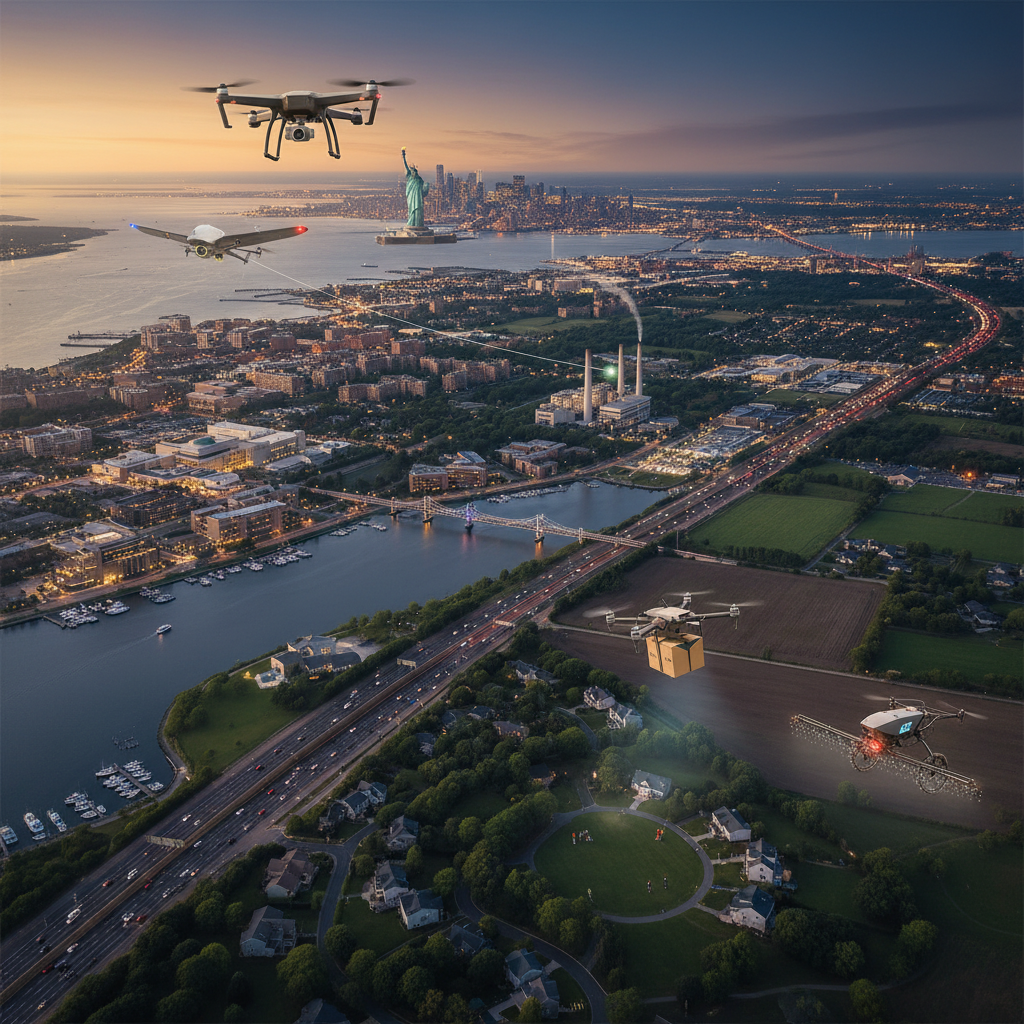
Drone usage in New Jersey spans multiple sectors, reflecting the technology’s versatility and growing acceptance. In law enforcement, drones have become invaluable tools for surveillance, crime scene analysis, and search-and-rescue missions. Agricultural applications have also surged, with farmers utilizing drones for crop monitoring, soil analysis, and livestock management. Additionally, infrastructure inspections, particularly for bridges and power lines, now frequently employ drone technology due to its efficiency and cost-effectiveness.
Recent statistics indicate a robust increase in drone registrations within the state. According to the Federal Aviation Administration (FAA), New Jersey ranks among the top states for drone registrations, with tens of thousands of registered unmanned aircraft systems (UAS). Data from 2023 suggests that New Jersey has experienced a 15% increase in drone flights compared to the previous year, signaling a growing reliance on this technology across various domains.
Regulations Governing Drone Use
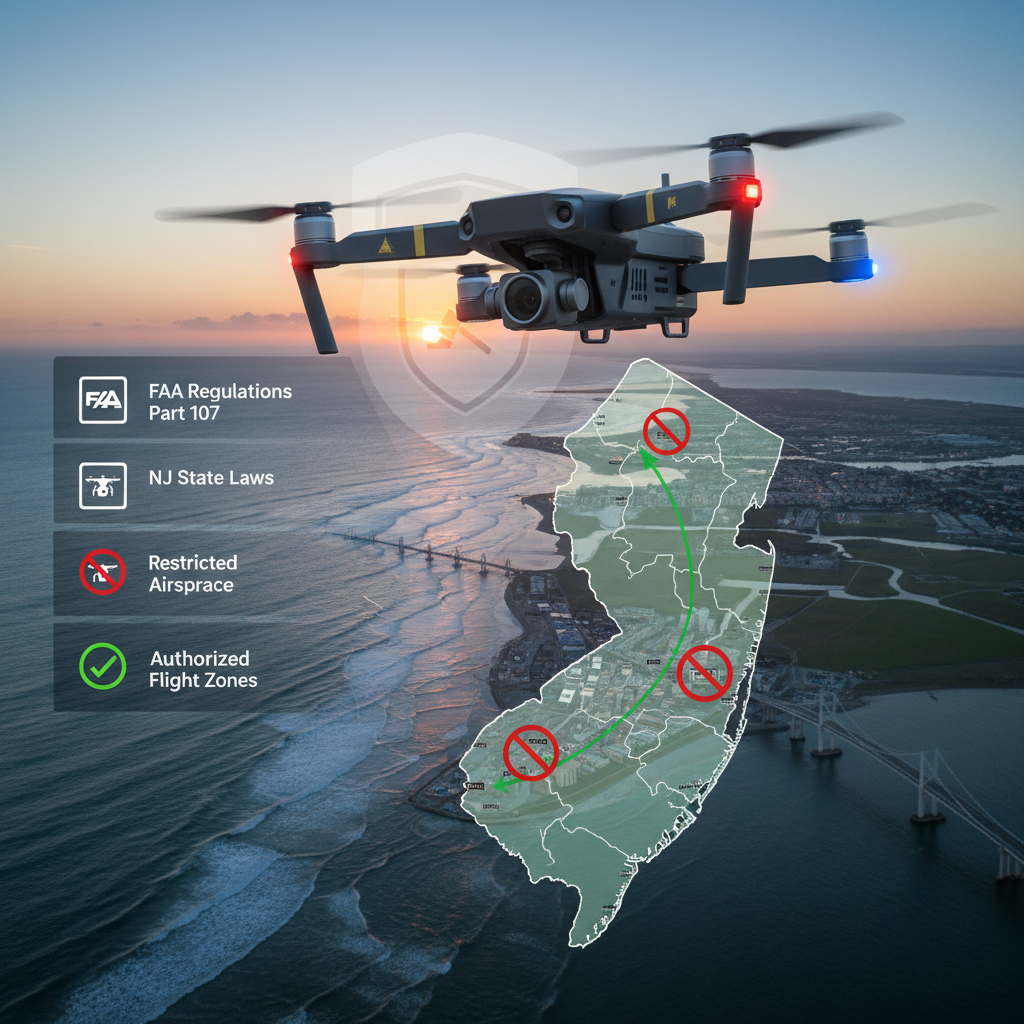
Federal and state regulations play a crucial role in shaping drone operations within New Jersey. The FAA governs UAS through a series of rules that mandate registration, operational limitations, and pilot certification. For instance, recreational drone operators must adhere to guidelines that restrict flight altitude, prohibit flying near airports, and require maintaining visual contact with the drone at all times.
Additionally, New Jersey has implemented state-specific regulations that further delineate drone usage. Specific no-fly zones exist, particularly around sensitive areas such as military bases, airports, and certain wildlife refuges. These restrictions are enforced to ensure safety and minimize the risk of accidents or privacy violations. Operators must remain cognizant of both federal and state laws to avoid penalties and ensure responsible drone operation.
Drone Applications in Various Industries
Drones have found applications in several industries, demonstrating their adaptability and effectiveness. In law enforcement, agencies across New Jersey have integrated drone technology into their operations. Drones provide real-time aerial footage during emergencies, allowing officers to assess situations from a vantage point not possible with traditional methods. Furthermore, drones have been utilized in investigations to reconstruct crime scenes, offering critical evidence that can aid in prosecutions.
In the agricultural sector, New Jersey farmers have increasingly adopted drones for precision farming. These unmanned aircraft are equipped with high-resolution cameras and sensors that can assess crop health, monitor irrigation systems, and detect pest infestations. By analyzing the data collected from drone flights, farmers can make informed decisions, optimizing yields while minimizing resource usage. This technology not only enhances productivity but also promotes sustainable farming practices.
Safety and Privacy Concerns
While the benefits of drone technology are significant, they also bring forth safety and privacy concerns. Public apprehension regarding drones often revolves around their potential for accidents, particularly in populated areas. Instances of drone crashes have raised alarms about the risks associated with drone flights, prompting discussions among stakeholders about the need for stricter regulations and safety protocols.
Moreover, privacy issues related to drone surveillance have become increasingly relevant. The ability of drones to capture high-resolution images and videos from above raises questions about individual privacy rights. Residents may feel uneasy about being monitored without consent, leading to calls for clearer guidelines on drone surveillance and data usage. As drone technology continues to advance, balancing safety and privacy will be essential to maintain public trust and acceptance.
The Future of Drones in New Jersey
The future of drones in New Jersey is poised for significant growth and innovation. As technology evolves, we can expect enhancements in drone capabilities, such as improved battery life, advanced AI integration, and enhanced safety features. These advancements will likely expand the potential applications of drones, from delivering medical supplies to remote areas to conducting environmental monitoring and disaster response.
Furthermore, the rise of urban air mobility could see drones playing a role in transforming transportation within the state. Companies are exploring the development of passenger drones, which could provide an alternative means of commuting in densely populated areas. As infrastructure adapts to accommodate these innovations, New Jersey may emerge as a leader in drone technology and urban mobility solutions.
Local Drone Enthusiast Communities
New Jersey boasts a vibrant community of drone enthusiasts, reflecting the growing popularity of this technology among hobbyists. Numerous clubs and organizations cater to drone pilots, offering resources, networking opportunities, and support. For instance, the New Jersey Drone Academy and various local flying clubs provide training sessions and workshops for both novice and experienced pilots.
Events such as drone racing competitions and aerial photography contests also attract participants from across the state. These gatherings not only foster camaraderie among drone enthusiasts but also serve as platforms for sharing knowledge and showcasing innovative uses of drone technology. Engaging with local communities can enhance the overall drone experience, ensuring that hobbyists remain informed about best practices and evolving regulations.
In conclusion, drones continue to be a significant presence in New Jersey, serving various beneficial functions while also raising important regulatory and safety considerations. The state’s diverse applications of drone technology highlight its potential to enhance public safety, improve agricultural efficiency, and foster innovation. By staying informed about their usage and applicable regulations, residents can better understand the evolving role of drones in their community and participate responsibly in this transformative technology.
Frequently Asked Questions
Are there still drones flying over New Jersey?
Yes, drones are still flying over New Jersey, especially in urban areas and near popular outdoor locations. The use of drones has increased significantly for various purposes, including photography, delivery services, and agricultural monitoring. However, it’s essential to note that drone operators must adhere to local regulations and federal guidelines set by the FAA to ensure safety and privacy.
What are the regulations for flying drones in New Jersey?
In New Jersey, drone operators must comply with both federal and state regulations, which include registering their drones with the FAA if they weigh more than 0.55 pounds. Additionally, local laws may impose restrictions on where drones can be flown, particularly near airports, schools, and other sensitive areas. It’s crucial for drone pilots to familiarize themselves with these regulations to avoid fines or penalties.
How can I report a drone flying too close to my property in New Jersey?
If you encounter a drone flying too close to your property, you can report it to local law enforcement or the FAA. Documenting the incident with photos or videos can also be helpful. The FAA encourages citizens to report any unsafe drone operations, and local police may take action if the drone’s operation violates local privacy laws or creates a nuisance.
Why are drones so popular in New Jersey?
Drones have become increasingly popular in New Jersey due to their versatility and ability to capture high-quality aerial footage for real estate, events, and inspections. Additionally, businesses are utilizing drones for delivery services and agricultural monitoring, providing efficient solutions in various industries. The scenic landscapes and urban settings in New Jersey also make it a prime location for recreational drone flying.
What are the best drones for recreational use in New Jersey?
Some of the best drones for recreational use in New Jersey include the DJI Mini 2, which offers excellent portability and high-quality camera capabilities, and the DJI Mavic Air 2, known for its advanced features and flight time. Both options are user-friendly for beginners while providing enough functionality for experienced users. When choosing a drone, consider factors such as camera quality, battery life, and ease of use to enhance your flying experience.
References
- https://www.nj.gov/dep/airmon/aircraft.html
- https://www.nj.com/news/2021/04/are-drones-legal-in-new-jersey-what-to-know-about-flying-a-drone-in-the-garden-state.html
- https://www.nytimes.com/2020/06/04/nyregion/new-jersey-drones.html
- https://www.reuters.com/article/us-usa-drone-regulations-idUSKBN1ZC1C7
- https://www.faa.gov/uas/
- https://www.wired.com/story/drone-regulations-nj-new-york/
- https://www.nps.gov/articles/drones-in-national-parks.htm
