

When comparing the Asylon DroneCore and the Anzu Raptor V, the critical decision hinges on whether your primary need is robust LTE connectivity or stringent NDAA compliance. Each drone offers unique features tailored to specific operational requirements, making them suitable for different applications in security and surveillance. This article will delve into the capabilities and strengths of both drones, providing a comprehensive analysis to assist you in making an informed decision based on your operational needs.
Overview of Asylon DroneCore
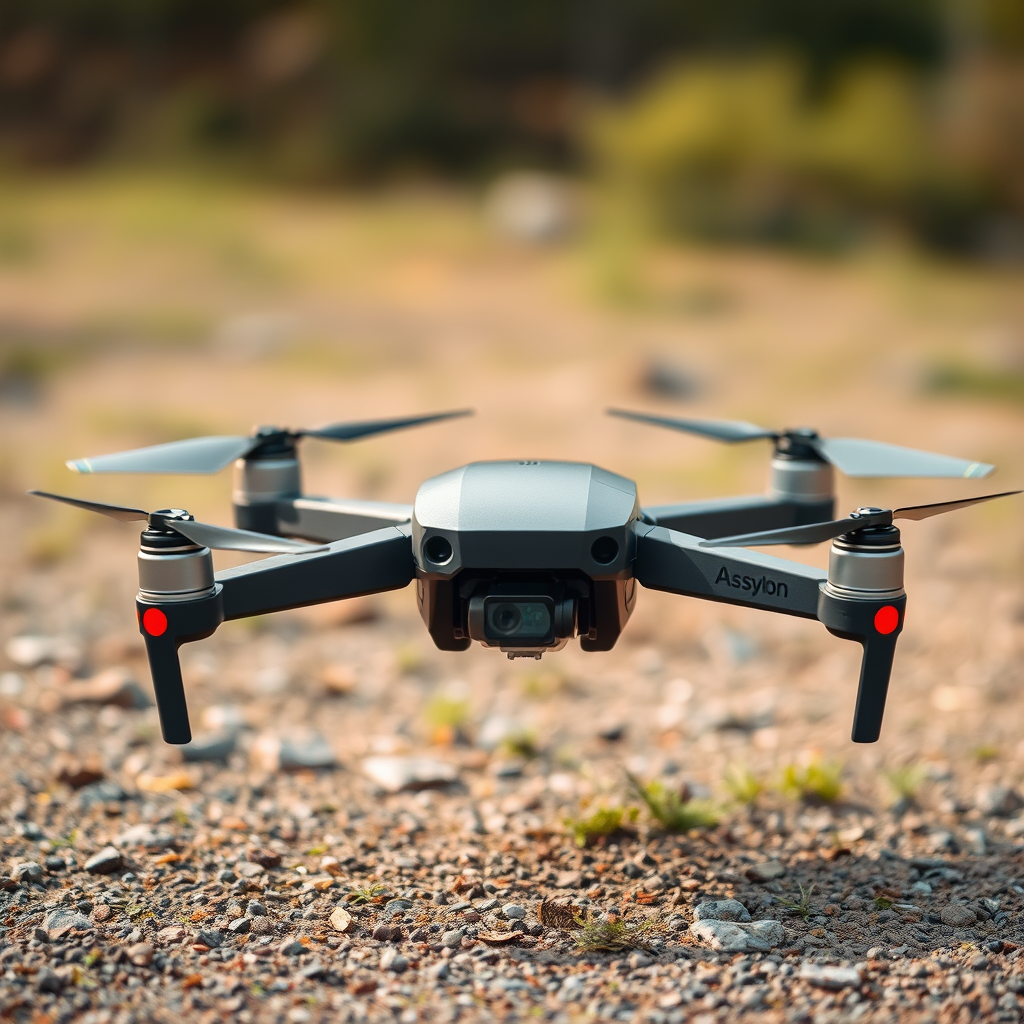
The Asylon DroneCore is engineered for real-time surveillance and security applications, serving as a solution designed to meet the demands of modern security operations. Its standout feature is its robust LTE connectivity, which ensures reliable data transmission over long distances, making it effective in both urban and remote environments. The DroneCore is equipped with advanced sensors and cameras that enable it to perform high-resolution surveillance, offering users the ability to monitor activities in real-time without the latency issues often associated with traditional connectivity methods. This drone is particularly beneficial for security firms and public safety organizations that require constant surveillance capabilities.
Additionally, the DroneCore is built with modularity in mind, allowing users to customize its payloads for various applications, from environmental monitoring to crowd control. Its ease of deployment, combined with real-time data access through LTE networks, positions it as a versatile tool in the arsenal of security professionals.
Overview of Anzu Raptor V
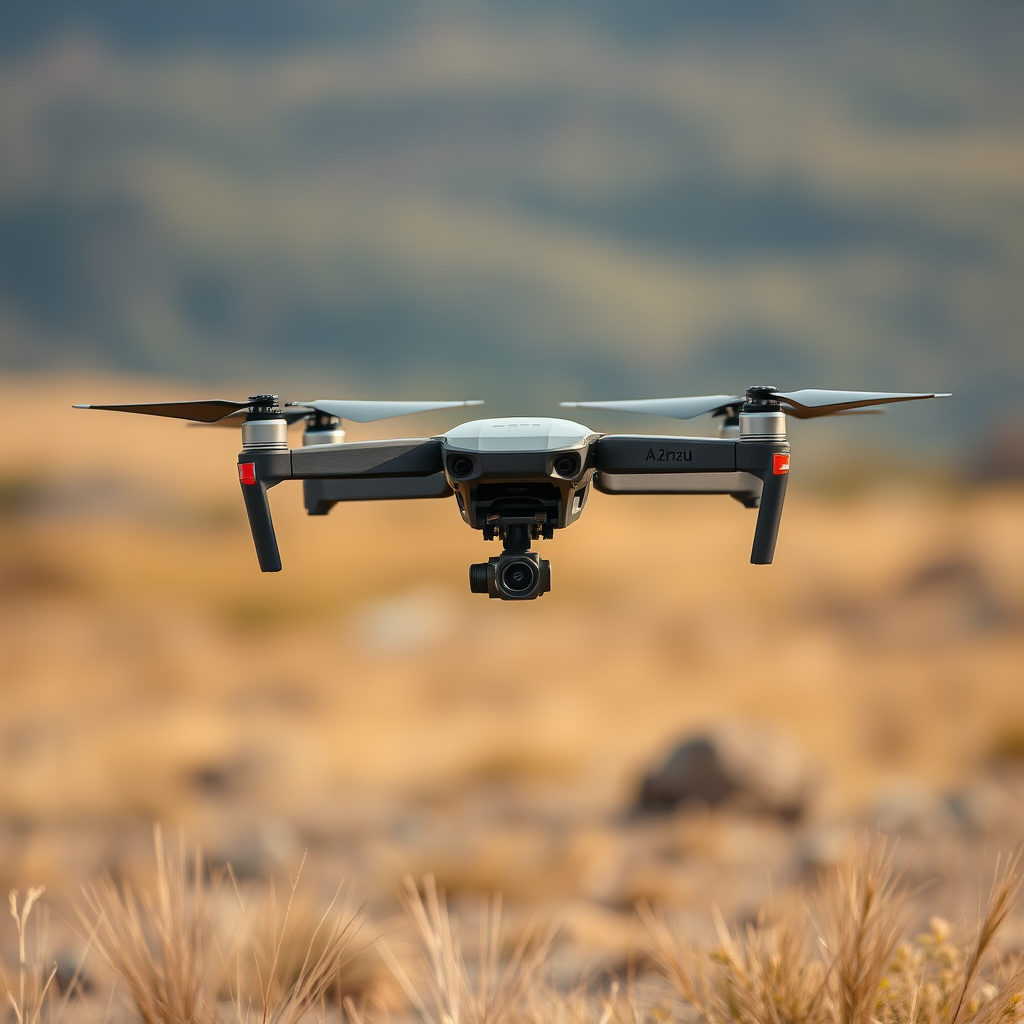
In contrast, the Anzu Raptor V is specifically tailored for the defense and security sectors, focusing heavily on compliance with NDAA standards. NDAA compliance is particularly crucial for organizations engaged in government and military contracts, as it ensures that the drone meets stringent security requirements regarding data protection and operational integrity. The Raptor V is designed to operate in sensitive environments where security is paramount, making it an ideal choice for intelligence, surveillance, and reconnaissance missions.
The Anzu Raptor V integrates advanced security features, including encrypted data transmission and secure communication protocols, which protect against potential cyber threats. These capabilities make it suitable for critical operations where data integrity and confidentiality are non-negotiable. Furthermore, the Raptor V is optimized for various conditions, ensuring robust performance in diverse operational scenarios.
Performance Comparison: 7km LTE
When evaluating the Asylon DroneCore’s LTE capabilities over a 7km range, it becomes evident that this drone excels in providing seamless connectivity. The LTE network is designed to facilitate high-speed data transfers, enabling the DroneCore to transmit high-definition video feeds and sensor data in real-time. This capability is particularly advantageous in urban settings where obstacles such as buildings can impede traditional radio frequency signals.
The advantages of LTE connectivity extend beyond mere distance. The Asylon DroneCore can maintain a stable connection even in areas with challenging terrain, making it suitable for applications like search and rescue operations, where timely data is critical. Moreover, the DroneCore’s ability to leverage existing cellular infrastructure allows for quicker deployment and reduced operational costs, as there’s no need for setting up dedicated communication networks.
Performance Comparison: 7km NDAA Security
On the other hand, the Anzu Raptor V’s performance is heavily influenced by its adherence to NDAA standards over the same 7km distance. This compliance ensures that the drone is equipped with features that protect sensitive data from interception or tampering. The Raptor V utilizes secure communications protocols, which encrypt data both at rest and in transit, providing a higher level of assurance for operations in secure environments.
NDAA compliance is not just a regulatory requirement; it reflects a commitment to security that is increasingly demanded by government agencies and contractors. The Anzu Raptor V’s design prioritizes operational integrity, making it an ideal choice for missions that require a high level of discretion. Its advanced surveillance capabilities, combined with NDAA compliance, position it as a critical asset for military and defense applications.
Use Cases and Applications
The Asylon DroneCore excels in various scenarios, particularly in urban monitoring, emergency response, and event security. Its versatility allows it to be deployed for crowd management during large public events or to assist first responders in assessing situations from an aerial perspective. The drone’s ability to transmit live feeds enhances situational awareness, enabling security personnel to make informed decisions rapidly.
In contrast, the Anzu Raptor V is better suited for defense-oriented applications, including military reconnaissance, border patrol, and critical infrastructure protection. Its NDAA compliance makes it a go-to choice for government contracts that require stringent data security measures. The drone is also capable of operating in high-threat environments where the risk of data breach is significant, thus providing a reliable solution for sensitive missions.
Cost and Value Assessment
When it comes to pricing structures, both the Asylon DroneCore and the Anzu Raptor V reflect their unique capabilities and target markets. The DroneCore is positioned competitively for commercial security applications, with pricing that aligns with its LTE capabilities and modular design. Organizations focused on versatility and a broad range of applications will find the DroneCore to be a cost-effective investment.
In contrast, the Anzu Raptor V, due to its specialized NDAA compliance features, typically comes at a premium price point. However, for government agencies and defense contractors, this investment is justified by the enhanced security and operational integrity it provides. Long-term value and return on investment for both drones ultimately depend on the specific operational needs and security requirements of the purchasing entity.
User Feedback and Reviews
User experiences and feedback provide valuable insights into the performance and reliability of both drones. The Asylon DroneCore has been praised for its user-friendly interface and the effectiveness of its LTE connectivity in diverse environments. Users often highlight its quick deployment capabilities and the quality of the video feeds, which significantly enhance their operational efficiency.
Conversely, the Anzu Raptor V receives accolades for its robust security features and reliable performance in sensitive operations. Users appreciate the peace of mind that comes with NDAA compliance, particularly when operating in environments where data security is paramount. However, some users have noted that its advanced features can lead to a steeper learning curve compared to more straightforward drone options.
The feedback from both user bases underscores the importance of aligning drone capabilities with specific operational needs, ensuring that users select the right tool for their missions.
The comparison between the Asylon DroneCore and Anzu Raptor V reveals that your choice should depend on your specific needs, whether they lean more towards robust LTE connectivity or stringent NDAA compliance. Weighing the pros and cons of both will allow you to make an informed decision tailored to your operational requirements. If you’re looking for drones that meet high security and connectivity standards, consider reaching out to manufacturers for demonstrations or further information.
Frequently Asked Questions
What are the key differences between Asylon DroneCore and Anzu Raptor V in terms of range and security features?
The Asylon DroneCore is designed for extended operational range, boasting a 7km LTE connectivity, which allows for real-time data transmission and control over longer distances. In contrast, the Anzu Raptor V also supports a 7km operational range but emphasizes compliance with NDAA security standards, making it a preferred choice for government and defense applications where data security is paramount. This difference in focus means that while both drones offer similar ranges, their intended use cases and compliance features vary significantly.
How does the NDAA compliance of the Anzu Raptor V enhance its appeal for government agencies compared to the Asylon DroneCore?
The NDAA, or National Defense Authorization Act, outlines stringent requirements for the use of technology and equipment by government agencies, particularly in terms of security and supply chain integrity. The Anzu Raptor V’s NDAA compliance ensures that it meets these rigorous standards, thereby reducing the risk of utilizing technology that could be compromised. This compliance not only enhances trust and reliability for government users but also opens up opportunities for contracts that require adherence to these security measures, positioning the Anzu Raptor V as a more suitable option for sensitive operations.
Which drone, Asylon DroneCore or Anzu Raptor V, offers better real-time data transmission capabilities?
The Asylon DroneCore excels in real-time data transmission due to its 7km LTE connectivity, which supports high-speed communication and robust data transfer, making it ideal for applications that require immediate feedback, such as surveillance and inspection missions. While the Anzu Raptor V also provides a substantial range, its primary focus on security might limit some aspects of its data transmission capabilities compared to the more versatile and connectivity-focused Asylon DroneCore. Therefore, for users prioritizing real-time data integration, the Asylon DroneCore may be the better option.
Why should businesses consider the Asylon DroneCore for commercial operations over the Anzu Raptor V?
Businesses may find the Asylon DroneCore more appealing for commercial operations due to its advanced LTE capabilities, which allow for greater flexibility in deployment and usage in various industries such as agriculture, real estate, and logistics. The drone’s ability to transmit data in real-time without the stringent security requirements of NDAA compliance makes it easier for companies to integrate into their existing workflows. In contrast, the Anzu Raptor V’s focus on government contracts and security may limit its applicability for standard commercial use cases.
What factors should I consider when choosing between the Asylon DroneCore and Anzu Raptor V for my specific needs?
When deciding between the Asylon DroneCore and Anzu Raptor V, consider the primary use of the drone—whether it’s for commercial or government applications. Evaluate the importance of real-time data transmission against the necessity for compliance with NDAA security standards. Additionally, think about the operational range required, the types of payloads you’ll be using, and your budget. By weighing these factors, you can select a drone that best aligns with your operational goals and security requirements.
References
- Drone
- https://www.nytimes.com/2023/01/15/technology/drones-military.html
- https://www.reuters.com/business/aerospace-defense/
- https://www.bbc.com/news/technology-58791258
- https://www.sciencedirect.com/science/article/pii/S2213138821000554
- drones | TechCrunch
- https://www.cnbc.com/2023/04/20/us-military-drone-technology.html
- https://www.armytimes.com/2023/04/25/us-army-moves-forward-with-drone-programs/
