

When it comes to drone security solutions, the Asylon DroneSentinel and Anzu Raptor T stand out as two of the most robust options available, particularly regarding their impressive 7km LTE capabilities and adherence to NDAA security standards. Each drone offers unique features tailored for specific applications in security operations, thereby allowing organizations to choose the one that best aligns with their operational needs. In this article, we will dive into the distinct features of both drones, evaluate their LTE capabilities, assess their compliance with NDAA regulations, and explore real-world use cases to facilitate an informed decision.
Overview of Asylon DroneSentinel
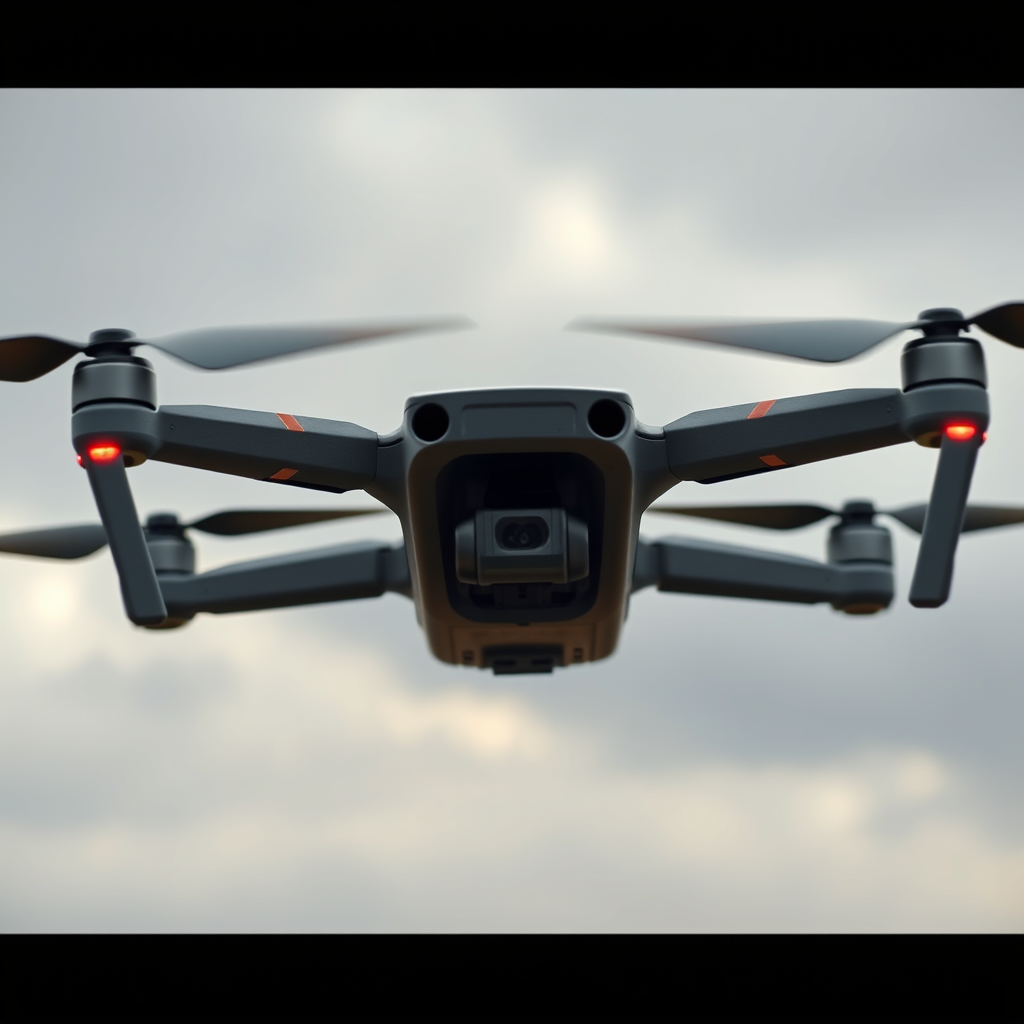
The Asylon DroneSentinel is engineered for rapid deployment in security operations, making it an optimal choice for organizations that require swift and agile response capabilities. It integrates advanced LTE connectivity, enabling real-time monitoring and seamless data transmission over long distances. This feature is pivotal for security personnel who need to receive live footage and telemetry data without delay, enhancing situational awareness during critical incidents.
In addition to its LTE capabilities, the DroneSentinel is equipped with sophisticated sensors and cameras that provide high-definition imagery and thermal imaging. The design is also modular, allowing for easy upgrades and adaptability to various mission profiles—whether for urban surveillance, event security, or critical infrastructure protection. This versatility is a significant advantage for agencies that must respond to a wide range of security scenarios.
Overview of Anzu Raptor T
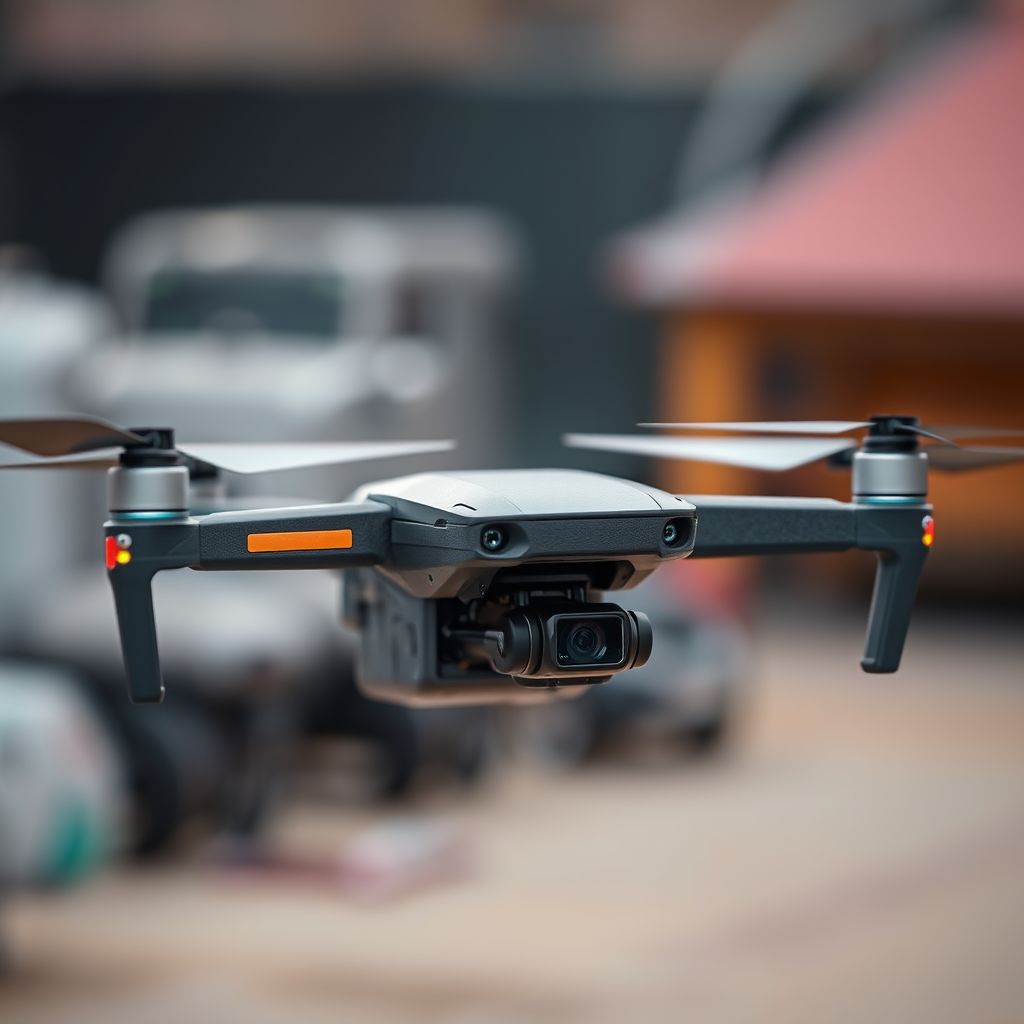
The Anzu Raptor T is specialized in surveillance and reconnaissance applications, making it particularly well-suited for environments requiring detailed assessment and monitoring. One of its key differentiators is its incorporation of NDAA-compliant technology, which ensures that all components are sourced from trusted suppliers, thereby meeting stringent national security criteria. This compliance is crucial for government agencies and organizations that prioritize security assurance in their operations.
The Raptor T features advanced imaging capabilities, including high-resolution cameras and sensors designed for long-range observation. Its design focuses on stealth and endurance, allowing it to operate effectively in remote or sensitive locations without drawing attention. This makes it an ideal choice for border monitoring, critical infrastructure surveillance, and other applications where discretion is paramount.
Comparison of 7km LTE Capabilities
When comparing the 7km LTE capabilities of both drones, the Asylon DroneSentinel’s system stands out for its extensive coverage and quick response times. The DroneSentinel leverages LTE connectivity to facilitate high-bandwidth transmission of video feeds and data, which is critical for real-time decision-making in security operations. This feature allows operators to maintain constant communication with the drone, ensuring that they receive timely updates that can influence tactical responses.
On the other hand, the Anzu Raptor T focuses on secure data handling over long distances. While it also offers LTE connectivity, its primary strength lies in ensuring that sensitive information transmitted back to the command center is encrypted and protected. This robust security framework is essential for missions where data integrity is as crucial as operational efficiency.
NDAA Compliance and Security Features
NDAA compliance is a pivotal factor for organizations, particularly those in government or defense sectors. The implications of NDAA compliance for drone operations mean that all technology used must meet strict security standards to eliminate risks associated with foreign adversarial influence. The Anzu Raptor T excels in this area, as it is built entirely using components that are verified against NDAA guidelines. This commitment to compliance ensures that users can operate with confidence, knowing that their systems are secure from potential vulnerabilities.
In contrast, while the Asylon DroneSentinel provides robust security features, it may not fully meet all NDAA compliance requirements depending on the components selected. However, Asylon emphasizes security in its operational design, including features like secure data transmission and advanced encryption protocols to protect against unauthorized access. Organizations must weigh the importance of NDAA compliance against the DroneSentinel’s versatile capabilities to determine the best fit for their needs.
Use Cases and Applications
The Asylon DroneSentinel excels in urban security scenarios, where rapid deployment and real-time data sharing are essential. For instance, during large public events or demonstrations, the DroneSentinel can monitor crowd dynamics, identify potential threats, and provide live feeds to command centers. Its modularity also allows it to adapt to various technologies, such as facial recognition cameras or environmental sensors, maximizing its utility in dynamic environments.
Conversely, the Anzu Raptor T is particularly effective in remote surveillance and border monitoring. Its long-range capabilities and NDAA-compliant technology make it an optimal choice for agencies that need to conduct reconnaissance in areas where traditional surveillance methods may not be viable. For example, it can monitor illegal crossings or assess environmental threats in remote regions, providing valuable intelligence without compromising on security.
Customer Feedback and Reviews
User experiences with the Asylon DroneSentinel highlight its ease of use and rapid deployment capabilities. Many users appreciate the intuitive interface and the drone’s ability to integrate seamlessly with existing security systems. However, some users have reported limitations in battery life during extended operations, which is a consideration for missions requiring prolonged surveillance.
The Anzu Raptor T, on the other hand, receives praise for its stealth capabilities and data security features. Users commend its performance in challenging environments and its ability to deliver high-quality imagery over long distances. However, some reviews indicate that its complex setup may require more training and expertise, which could be a barrier for some organizations.
Cost Considerations and Value
Cost is a critical factor when evaluating both drones. The Asylon DroneSentinel generally comes with a more competitive pricing structure, offering a variety of packages that include essential features such as LTE connectivity and real-time monitoring capabilities. Organizations can choose from different options based on their budget and operational requirements, making it a flexible choice for various security needs.
In contrast, the Anzu Raptor T’s pricing reflects its advanced technology and NDAA compliance. While it may be positioned at a higher price point, the long-term value derived from its secure and reliable operations can justify the investment for agencies that require stringent security measures. Furthermore, the potential cost savings associated with preventing security breaches and enhancing operational efficiency can outweigh initial expenses over time.
The comparison between the Asylon DroneSentinel and Anzu Raptor T provides valuable insights into which drone best meets your security requirements, especially when considering LTE capabilities and NDAA compliance. By weighing their features, applications, and customer feedback, you can determine the ideal choice for your specific use case. Each drone offers distinct advantages that cater to different operational needs, making it essential to evaluate your priorities and objectives when selecting the right drone for your security operations.
Frequently Asked Questions
What are the key differences between Asylon DroneSentinel and Anzu Raptor T in terms of LTE and NDAA security?
The Asylon DroneSentinel is primarily focused on offering a robust LTE connection for drone operations, allowing for seamless communication over a distance of up to 7 kilometers. In contrast, the Anzu Raptor T emphasizes compliance with NDAA security standards, ensuring that its components are sourced from trusted manufacturers to mitigate risks associated with foreign influence. While both drones can operate effectively over the same distance, the choice between them often boils down to a preference for connectivity versus stringent security compliance.
How does the 7km LTE range of the Asylon DroneSentinel enhance operational capabilities?
The 7km LTE range of the Asylon DroneSentinel significantly enhances operational capabilities by allowing real-time data transmission and control over extended distances. This connectivity enables operators to monitor live feeds, receive telemetry data, and conduct remote operations without the limitations imposed by traditional RF communication. This is particularly beneficial in scenarios such as surveillance, search and rescue, or agricultural monitoring, where distance and real-time updates are crucial for mission success.
Why is NDAA compliance important when choosing a drone like the Anzu Raptor T?
NDAA compliance is vital when selecting a drone like the Anzu Raptor T due to its implications for national security and data privacy. The NDAA (National Defense Authorization Act) restricts the use of certain technologies and components from foreign adversaries, ensuring that the drone operates with trusted and secure hardware. For government agencies and organizations handling sensitive information, using an NDAA-compliant drone minimizes the risk of cyber threats and enhances overall operational integrity.
Which drone is better for law enforcement applications: Asylon DroneSentinel or Anzu Raptor T?
The choice between the Asylon DroneSentinel and Anzu Raptor T for law enforcement applications depends on specific operational needs. If real-time data streaming and extended operational range are priorities, the DroneSentinel with its 7km LTE capabilities may be more suitable. However, if the agency requires strict compliance with security regulations and is dealing with sensitive operations, the Anzu Raptor T would be the better option due to its NDAA-compliant features that ensure the protection of data and communications.
What factors should I consider when deciding between the Asylon DroneSentinel and Anzu Raptor T?
When deciding between the Asylon DroneSentinel and Anzu Raptor T, consider factors such as operational requirements, regulatory compliance, and mission objectives. Evaluate whether the priority is on connectivity and range (favoring the DroneSentinel), or if the focus is on security and compliance (favoring the Raptor T). Additionally, assess your budget, the type of payloads you may need to carry, and the specific applications you intend to use the drone for, as these could heavily influence your decision.
References
- Drone
- https://www.reuters.com/technology/drone-security-systems-2021-09-15/
- Unmanned Aircraft Systems (UAS) | Federal Aviation Administration
- https://www.bbc.com/news/technology-53928483
- https://www.nist.gov/news-events/news/2020/12/nist-issues-new-draft-guidelines-drone-security
- https://www.techrepublic.com/article/how-drones-are-changing-the-way-security-companies-operate/
