
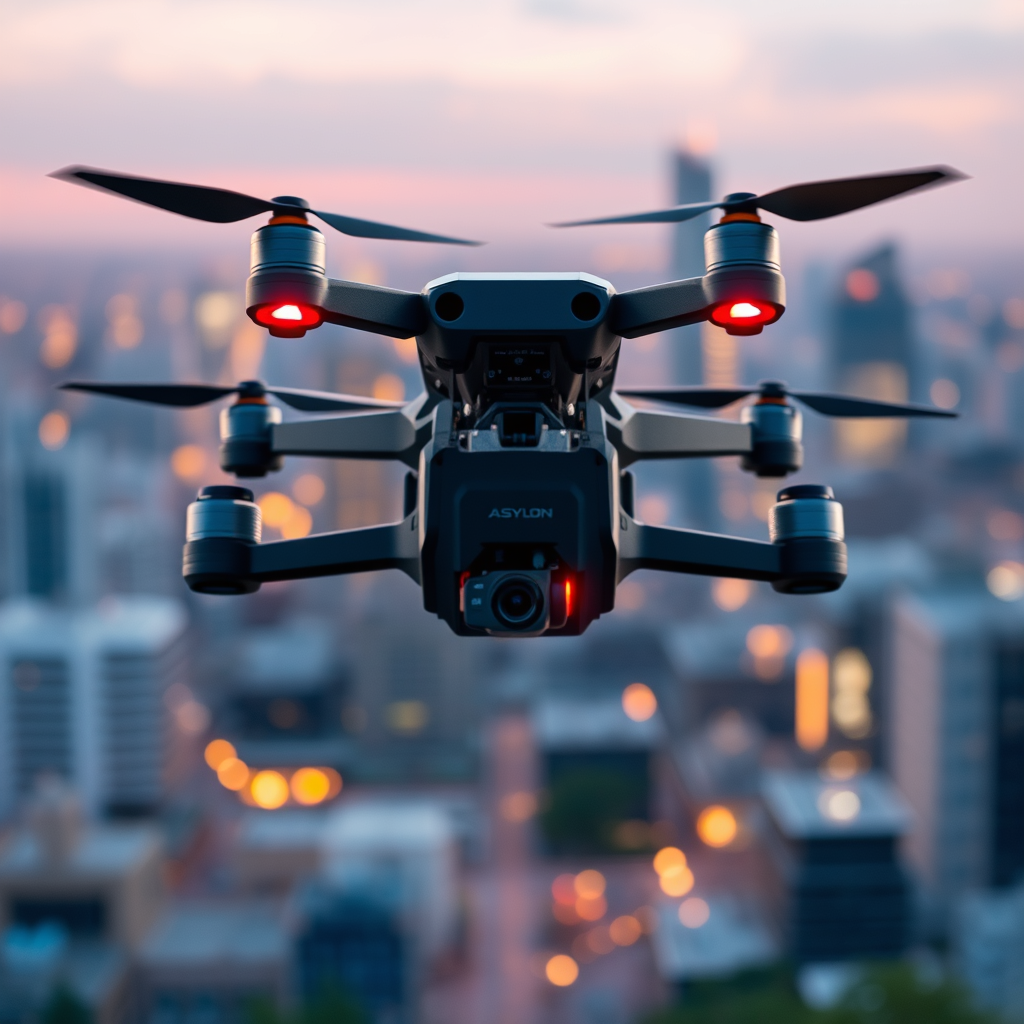
In the competitive landscape of enterprise drone security, the Asylon DroneSentinel stands out with its robust 7km LTE connectivity, surpassing the Freefly Astro Prime’s 5km radio range. This connectivity advantage allows for uninterrupted data transmission and effective long-range surveillance, making the DroneSentinel a preferred choice for security operations requiring extensive coverage. This article explores the distinguishing features, capabilities, and practical applications of both drones, enabling you to make an informed decision tailored to your security requirements.
Overview of Asylon DroneSentinel
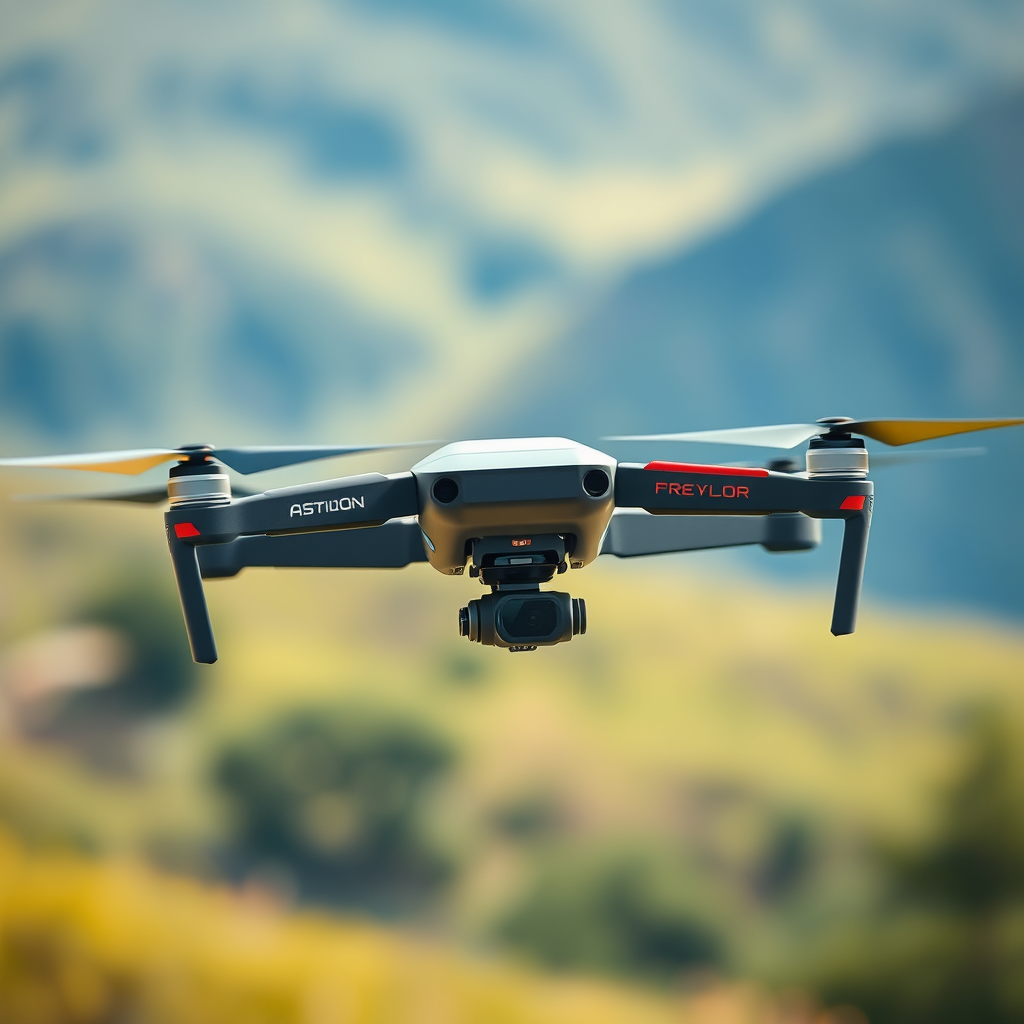
The Asylon DroneSentinel is engineered for long-range surveillance, utilizing LTE technology to provide seamless connectivity over distances of up to 7 kilometers. This capability is particularly beneficial for large-scale enterprise security operations, where reliable communication is critical. The DroneSentinel is equipped with advanced artificial intelligence that enhances its threat detection capabilities, allowing it to analyze real-time data and identify potential risks swiftly. This means that security teams can respond proactively to threats, rather than reactively, which is essential for protecting valuable assets.
Furthermore, the DroneSentinel’s design incorporates a rugged build, allowing it to operate in various environmental conditions. Its extended flight time, often exceeding 30 minutes on a single charge, enables thorough surveillance of expansive areas without the need for frequent recharges. This drone is not only a tool for monitoring but also a sophisticated platform capable of integrating additional sensors and payloads, making it versatile for different security applications.
Overview of Freefly Astro Prime
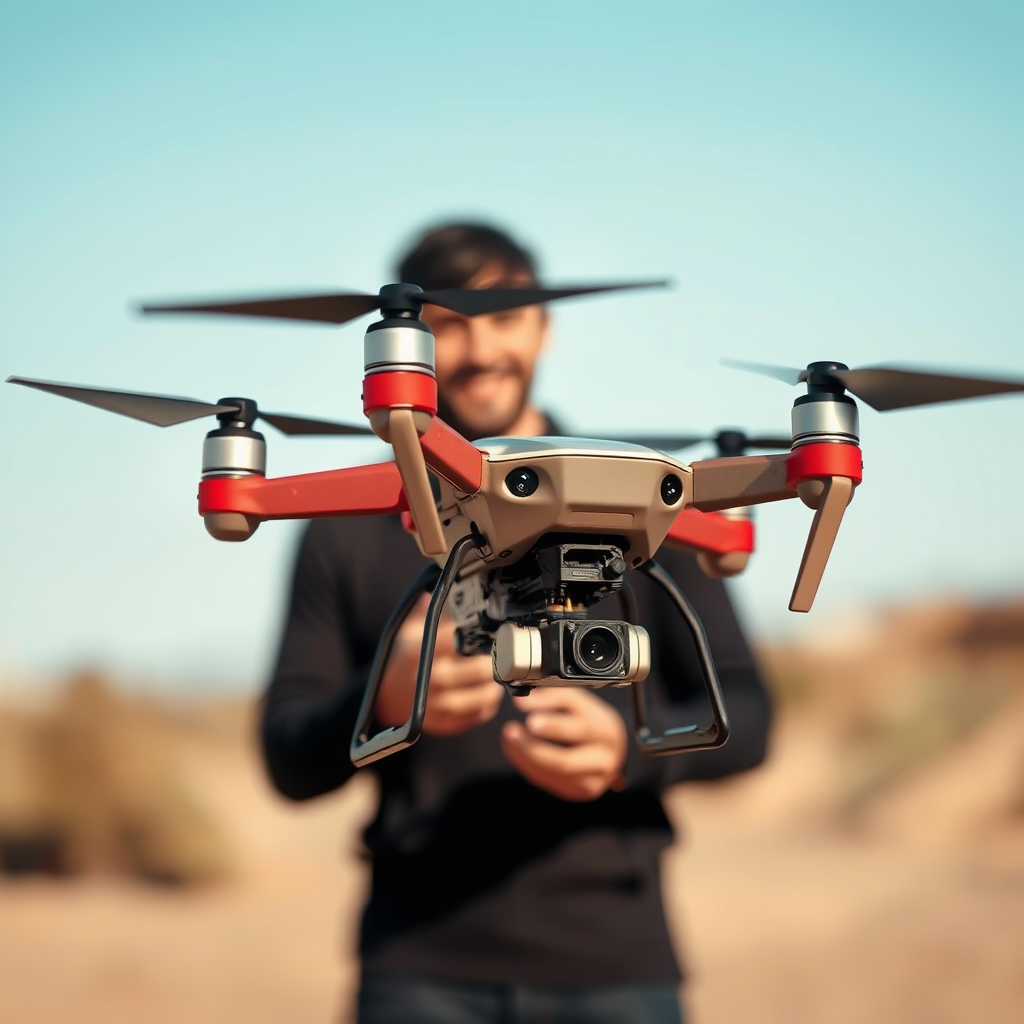
In contrast, the Freefly Astro Prime emphasizes operational flexibility with its 5km radio range. This drone is designed to adapt to various environments, making it suitable for a diverse array of applications, from aerial photography to industrial inspections. Its modular design allows for easy swapping of payloads, enabling users to customize the drone based on the specific needs of each mission. For instance, it can be equipped with high-resolution cameras, thermal imaging sensors, or even delivery mechanisms, making it a versatile choice for enterprises.
The Astro Prime is known for its quick deployment capabilities, which is invaluable in urgent scenarios where immediate aerial surveillance is required. Despite its shorter range, its robust performance characteristics and adaptability ensure it remains competitive in the market. The drone’s user-friendly interface and intuitive flight controls make it accessible to operators of varying expertise levels, further enhancing its appeal for businesses looking to implement drone technology without extensive training.
Connectivity Comparison: LTE vs. Radio
The connectivity comparison between the Asylon DroneSentinel and the Freefly Astro Prime is a pivotal factor in evaluating their effectiveness for enterprise security. The 7km LTE connectivity of the DroneSentinel allows for uninterrupted communication and real-time data transfer, crucial in scenarios where immediate updates and information sharing can mitigate risks. LTE connectivity is generally more reliable in urban environments where physical obstacles may cause interference, ensuring that security operations can continue without disruption.
On the other hand, the 5km radio range of the Astro Prime may be more susceptible to interference, particularly in densely populated areas. The operational effectiveness of a drone can be severely impacted if communication drops or becomes unreliable, potentially leading to gaps in surveillance coverage. Therefore, organizations operating in challenging environments must weigh the implications of these connectivity technologies carefully. The choice between LTE and radio should align with the specific operational requirements and geographical considerations of the security tasks at hand.
Performance and Flight Time
Performance metrics play a crucial role in drone selection, particularly in mission-critical applications. The Asylon DroneSentinel excels in this area, boasting longer flight times due to its efficient power management system. Users can expect flight durations that can exceed 30 minutes, providing ample time for comprehensive surveillance missions without the need to frequently land for battery changes. This extended flight time is particularly advantageous for large-scale operations where maintaining a watchful eye over vast areas is essential.
Conversely, while the Freefly Astro Prime may have a shorter flight duration of around 20-25 minutes, it compensates for this limitation with its quick deployment capabilities. The Astro Prime can be rapidly launched and retrieved, making it suitable for situations that require immediate aerial support. However, operators must consider how these performance characteristics align with their security objectives. In scenarios where extensive coverage and prolonged surveillance are paramount, the DroneSentinel’s superior flight performance may prove to be more advantageous.
Use Cases and Applications
When assessing the use cases for each drone, the Asylon DroneSentinel shines in scenarios where long-range monitoring is critical. For instance, it is ideal for securing large industrial sites, critical infrastructure, or borders where constant surveillance is necessary. Its LTE connectivity allows for real-time data analysis, enabling security personnel to respond promptly to any detected threats.
On the other hand, the Freefly Astro Prime is well-suited for dynamic environments where versatility is key. Its adaptability makes it an excellent choice for applications in event monitoring, disaster response, and urban inspections, where conditions can change rapidly. The ability to customize payloads allows organizations to tailor the drone’s functionality to meet specific operational needs, whether for delivering supplies in emergency situations or conducting inspections in hard-to-reach areas.
In summary, both drones have unique strengths that cater to different operational needs. The choice between them should consider the specific security tasks, environmental challenges, and the desired level of operational flexibility.
Pricing and Value Proposition
When evaluating the pricing and value proposition of the Asylon DroneSentinel and Freefly Astro Prime, it is essential to consider not only the initial investment but also the operational costs associated with each model. The DroneSentinel, with its advanced features and superior connectivity, typically comes with a higher upfront cost. However, the long-term benefits of enhanced security capabilities and reduced risk can outweigh these initial expenses, particularly for enterprises with significant security requirements.
In contrast, the Freefly Astro Prime offers a more budget-friendly option, appealing to organizations looking for flexibility and adaptability without the need for extensive long-range surveillance. Its modular design and ease of use can contribute to lower operational costs, especially for businesses that may not require the extensive capabilities of the DroneSentinel.
Ultimately, organizations must evaluate these drones based on their specific security needs, considering how the features and functionalities align with their operational goals. A thorough cost-benefit analysis will aid in determining which drone offers the best value for your investment.
Customer Feedback and Market Trends
Customer feedback and market trends provide valuable insights into the performance and satisfaction levels associated with both the Asylon DroneSentinel and Freefly Astro Prime. Users of the DroneSentinel often praise its reliable connectivity and advanced AI capabilities, highlighting how these features enhance their security operations. Reviews frequently mention the drone’s ability to operate seamlessly over long distances, contributing to a more proactive security posture.
Conversely, the Freefly Astro Prime has garnered positive reviews for its versatility and ease of use. Customers appreciate the modular payload options and the drone’s adaptability to various scenarios, making it a favored choice for businesses requiring a multi-functional drone.
In terms of market trends, there is a growing demand for drones equipped with advanced connectivity options and AI capabilities. As enterprises increasingly recognize the importance of incorporating drone technology into their security strategies, both Asylon and Freefly are expected to continue innovating and adapting to meet evolving customer needs. Industry experts observe a shift towards integrated security solutions that combine drone technology with other surveillance systems, highlighting the importance of interoperability in future developments.
In summary, while the Asylon DroneSentinel offers an edge with its 7km LTE connectivity, the Freefly Astro Prime remains a strong contender with its flexibility and adaptability. Assess your specific security needs and consider testing both systems to find the perfect fit for your enterprise. For more insights or personalized recommendations, reach out to our expert team today.
Frequently Asked Questions
What are the key differences between the Asylon DroneSentinel and Freefly Astro Prime in terms of range and connectivity?
The Asylon DroneSentinel offers a robust 7km LTE connectivity, making it suitable for long-range operations and remote monitoring applications. In contrast, the Freefly Astro Prime is equipped with a 5km radio control system, which is effective for shorter distances and may provide lower latency during operation. This fundamental difference in connectivity options can impact mission planning, especially in environments where extended reach is critical for security and surveillance tasks.
How does the security feature set compare between the Asylon DroneSentinel and Freefly Astro Prime?
The Asylon DroneSentinel is designed specifically for enterprise security, featuring advanced capabilities such as automated surveillance, intrusion detection, and real-time alerts. Meanwhile, the Freefly Astro Prime, while capable, primarily focuses on versatility for various applications, which may not include as extensive a security feature set. For businesses prioritizing security, the DroneSentinel may offer more comprehensive solutions that align with specific security needs.
Why is the choice between LTE and radio control important when selecting a drone for security applications?
The choice between LTE and radio control is crucial because it directly affects the drone’s operational range, reliability, and data transmission capabilities. LTE allows for greater distances and can leverage cellular networks for real-time data transfer, making it ideal for security operations over vast areas. Conversely, radio control, while effective within a shorter range, may experience interference and has limitations in terms of data transmission, which could affect situational awareness during critical missions.
Which drone is best for enterprise-level security operations, Asylon DroneSentinel or Freefly Astro Prime?
For enterprise-level security operations, the Asylon DroneSentinel is typically the better choice due to its specialized features tailored for security, such as enhanced monitoring capabilities and longer LTE range. Its design prioritizes security needs, making it well-suited for applications like perimeter surveillance and rapid incident response. The Freefly Astro Prime, although versatile, may not offer the same level of security features, making it better suited for general aerial photography or commercial use rather than dedicated security applications.
How do the pricing and value propositions of Asylon DroneSentinel and Freefly Astro Prime compare for businesses?
The pricing of the Asylon DroneSentinel generally reflects its advanced features and capabilities tailored for security, often making it a higher upfront investment. However, businesses focused on security may find that the value it provides in terms of safety, monitoring, and data collection justifies the cost. The Freefly Astro Prime may come at a lower price point, appealing to those seeking versatility and cost-effectiveness for various applications, but may lack the specialized features that justify a higher investment in critical security scenarios.
References
- https://en.wikipedia.org/wiki/Drone_security
- https://www.bbc.com/news/science-environment-53223566
- https://www.reuters.com/technology/understanding-drone-technology-2021-06-18/
- https://www.sciencedirect.com/science/article/pii/S2352864820307514
- https://www.techrepublic.com/article/how-drones-are-revolutionizing-security-operations/
- https://www.nist.gov/itl/iad/ig/drone-safety-and-security-research
- https://www.darpa.mil/attachments/DroneTechnologyOverview.pdf
- https://www.wired.com/story/drones-security-privacy/
