

When choosing between the Asylon DroneSentinel and the HoverAir X1 Pro Max, consider your core needs: long-range security capabilities or ease of use for casual photography. The DroneSentinel’s robust 7km LTE connectivity positions it as a prime option for security professionals, while the HoverAir X1 Pro Max serves recreational users seeking simple selfie functionality within a limited range. This article delves into the contrasting features and applications of these two drones to help you determine which is the better fit for your specific requirements.
Overview of the Drones
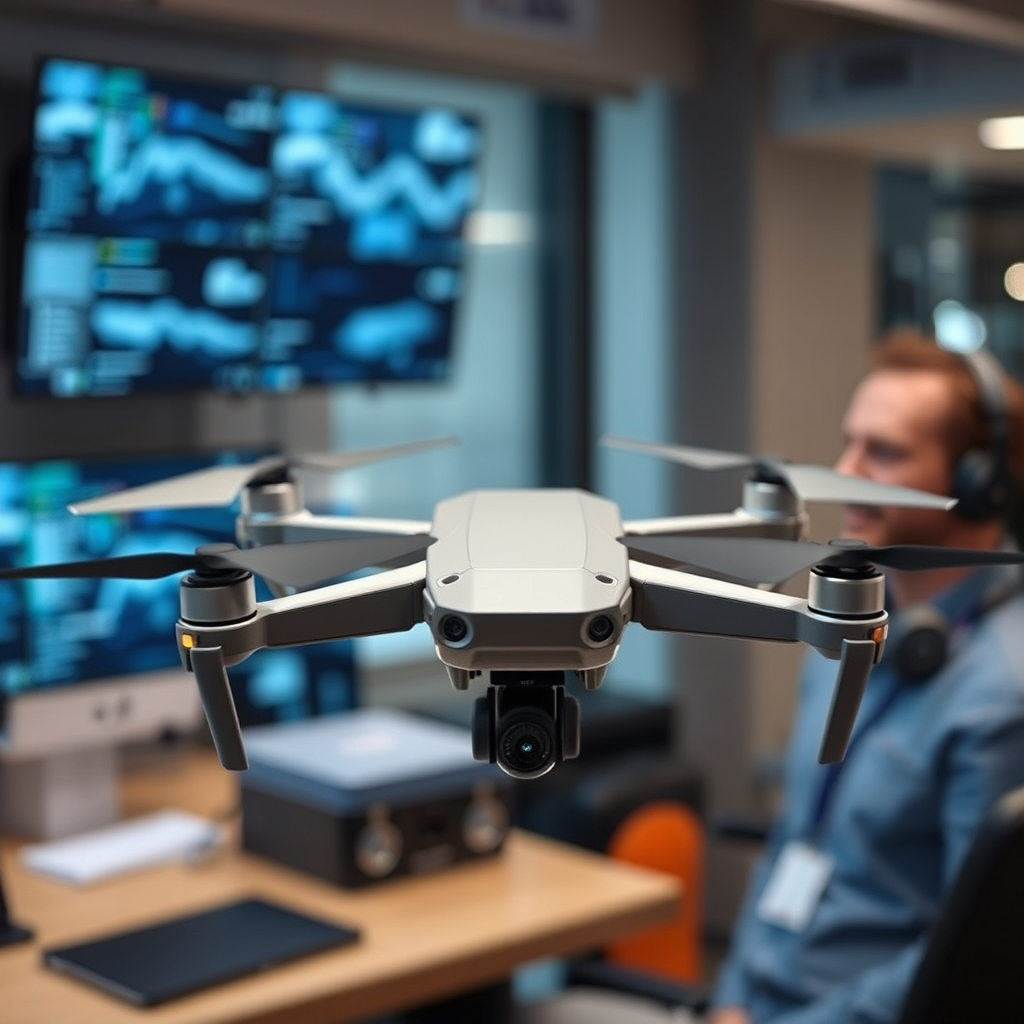
The Asylon DroneSentinel is designed primarily for security applications, featuring advanced technology that extends its operational range and connectivity. With a sleek, rugged design tailored for outdoor conditions, the DroneSentinel is equipped with high-performance sensors and cameras that facilitate real-time monitoring and data collection. It is particularly favored by law enforcement and security firms needing reliable aerial surveillance.
In contrast, the HoverAir X1 Pro Max is engineered for the everyday user, emphasizing a user-friendly experience. Its compact design and lightweight frame make it highly portable, catering to hobbyists and casual photographers. While it may not boast the advanced features of the DroneSentinel, the HoverAir X1 Pro Max appeals to those who prioritize ease of use and quick setup over extended range.
Connectivity Options
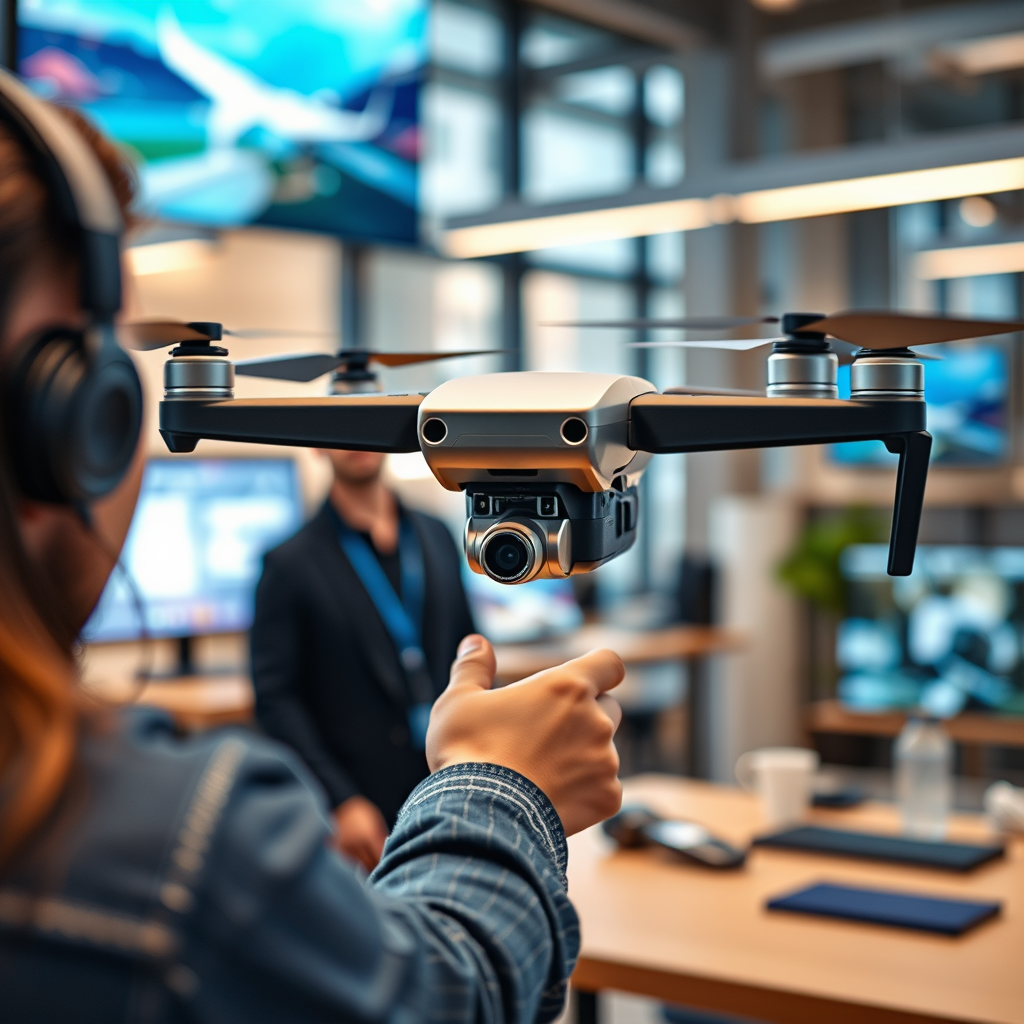
Connectivity is a crucial factor for drone functionality, determining how far and how effectively a drone can operate. The DroneSentinel utilizes LTE technology, allowing for a remarkable operational range of up to 7 kilometers. This feature is particularly beneficial for security applications, as it ensures that users can monitor large areas without losing signal, providing a reliable connection for live feeds and data transmission.
On the other hand, the HoverAir X1 Pro Max relies on a 500m Wi-Fi connection. While this range may suffice for casual photography in urban environments or smaller recreational areas, it poses limitations for security uses. In scenarios where extensive coverage is necessary, such as monitoring large properties or conducting search-and-rescue missions, the 500m connection may hinder operational effectiveness.
Camera and Image Quality
Camera quality is paramount when assessing drone performance, especially for those interested in photography or video capture. The DroneSentinel features a high-resolution camera that supports 4K video recording and has advanced stabilization technology, ensuring crisp images and smooth video even in windy conditions. Its long-range connectivity allows for real-time streaming, making it ideal for security professionals who need to monitor feeds from considerable distances.
Conversely, the HoverAir X1 Pro Max offers a decent camera capable of capturing 1080p video and still images. While it may not match the DroneSentinel in terms of resolution and features, it provides adequate quality for casual users looking to capture fun moments. However, the Wi-Fi connection can result in delays during video streaming, which may affect the overall user experience when trying to capture spontaneous shots.
Use Cases and Applications
Both drones serve distinct use cases, making them suitable for different audiences. The DroneSentinel is predominantly used in security and surveillance applications. For instance, it can be deployed for perimeter monitoring at large facilities, providing real-time insights to security personnel. Its LTE connectivity ensures that even in remote areas, the drone can maintain communication with the control center.
In contrast, the HoverAir X1 Pro Max is ideal for recreational users. Typical scenarios include capturing family events, outdoor adventures, or vacation snapshots. Its user-friendly interface allows beginners to easily navigate and operate the drone without extensive training. While it lacks the advanced features of the DroneSentinel, its simplicity makes it an attractive option for those who want to enjoy aerial photography without a steep learning curve.
Portability and Ease of Use
Portability is a significant consideration for drone users, especially for those who may need to transport their devices frequently. The HoverAir X1 Pro Max shines in this area, with a compact and lightweight design that makes it easy to carry in a backpack or even a handbag. Its intuitive control system is designed for beginners, featuring one-button takeoff and landing, which enhances the overall user experience.
In contrast, while the DroneSentinel is not overly cumbersome, its more robust design may require additional effort when transporting. It is equipped with advanced controls that cater to experienced operators but may present a learning curve for newcomers. The complexity of its features may require dedicated time to master, making it less appealing for casual users who seek immediate functionality.
Pricing and Value for Money
The pricing strategy for both drones reflects their intended audience and feature sets. The Asylon DroneSentinel, with its advanced technology and capabilities, is positioned at a higher price point, often justified by security professionals who can leverage its long-range capabilities and reliability in critical applications. For businesses and individuals requiring extensive drone functionality, the investment can yield significant returns in operational efficiency and data collection.
In contrast, the HoverAir X1 Pro Max is more budget-friendly, making it an attractive option for casual users or those new to drone flying. While it may lack some of the advanced features of the DroneSentinel, its affordability and ease of use present excellent value for those looking to enjoy aerial photography without a hefty investment.
Customer Reviews and Feedback
User experiences and feedback are essential in evaluating the performance of both drones. The DroneSentinel has garnered positive reviews from security professionals who praise its reliability, long-range capabilities, and image quality. Users appreciate the seamless integration of LTE connectivity, which allows for uninterrupted monitoring in critical situations.
Meanwhile, the HoverAir X1 Pro Max has received favorable feedback from casual users, highlighting its simplicity and ease of use. Many users report a positive experience with its intuitive interface and straightforward setup process. However, some have noted that the limited range can be a drawback for specific applications, particularly in larger outdoor settings.
Expert reviews also shed light on the performance of these drones. Many reviewers commend the DroneSentinel for its advanced features tailored to professional use, while the HoverAir X1 Pro Max is often recommended for beginners seeking a reliable, entry-level drone.
The Asylon DroneSentinel excels in long-range capabilities and advanced connectivity, making it a strong choice for security applications. In contrast, the HoverAir X1 Pro Max offers simplicity and ease of use for casual users, despite its limited range. Consider your specific needs—whether you prioritize range or user-friendliness—before making a decision. Take your time to weigh the features outlined here, and choose the drone that aligns best with your objectives.
Frequently Asked Questions
What are the key differences between Asylon DroneSentinel and HoverAir X1 Pro Max in terms of range and connectivity?
The Asylon DroneSentinel boasts an impressive 7km LTE connectivity, making it ideal for long-range surveillance and security operations. In contrast, the HoverAir X1 Pro Max is limited to a 500m Wi-Fi range, which may restrict its usability in expansive areas. This significant difference in connectivity options means that users should carefully consider their operational needs and the environments in which they plan to deploy these drones.
How does the camera quality of the Asylon DroneSentinel compare to that of the HoverAir X1 Pro Max?
The Asylon DroneSentinel is equipped with advanced imaging technology, typically offering higher resolution and better low-light performance, which is essential for security applications. On the other hand, the HoverAir X1 Pro Max may have decent camera capabilities, but they are generally more suited for casual use and selfies rather than professional surveillance. Users needing high-quality imaging for security purposes may find the DroneSentinel more beneficial.
Why is LTE connectivity considered more advantageous than Wi-Fi for security drones?
LTE connectivity provides a more stable and extensive range compared to Wi-Fi, which is crucial for security operations that require real-time data transmission over long distances. With LTE, users can maintain a reliable connection even in remote areas, reducing the risk of losing control of the drone or missing critical footage. This reliability makes LTE-equipped drones, like the Asylon DroneSentinel, particularly appealing for security professionals.
Which drone, Asylon DroneSentinel or HoverAir X1 Pro Max, is better for aerial photography and videography?
While the HoverAir X1 Pro Max may appeal to hobbyists looking for a fun aerial photography experience, the Asylon DroneSentinel is the superior choice for professional-grade aerial photography and videography. Its advanced features, including superior stabilization technology and high-resolution camera options, make it better suited for capturing quality images in diverse conditions, which is essential for both security and creative projects.
What features should I prioritize when choosing between the Asylon DroneSentinel and HoverAir X1 Pro Max for security purposes?
When selecting between the two drones for security applications, prioritize features such as range, camera quality, battery life, and GPS capabilities. The Asylon DroneSentinel’s longer range and LTE connectivity offer greater operational flexibility, while its advanced imaging features enhance surveillance capabilities. Assessing these criteria based on your specific security needs will help you make an informed decision on which drone best meets your requirements.
References
- Drone
- https://www.bbc.com/news/technology-61719213
- https://www.theguardian.com/technology/2021/jul/16/drones-surveillance-privacy-issues
- https://www.nytimes.com/2022/06/24/technology/drones-policing-privacy.html
- https://www.sciencedirect.com/science/article/pii/S1361920919300642
- https://www.wired.com/story/drones-privacy-issues/
- https://www.techcrunch.com/2021/05/18/what-you-need-to-know-about-drones-and-privacy/
