

Looking for the best Amazon drone alternatives? This guide names the clear winner if you want the closest match to an Amazon drone experience—then ranks the top alternatives for every budget. You’ll get direct recommendations for everyday camera drones, short-range flying, and value-focused options, so you can pick the right model fast.
If you want the best Amazon drone alternatives, buy based on camera stabilization, realistic flight time, and reliability—not just price or advertised specs. In my hands-on testing of budget and mid-range camera drones over the last 12–18 months, I’ve consistently found that the “best” option depends on whether you’re filming, inspecting, or just learning, and whether the brand delivers firmware support and parts when you need them.
Compare What Matters: Camera, Range, and Flight Time
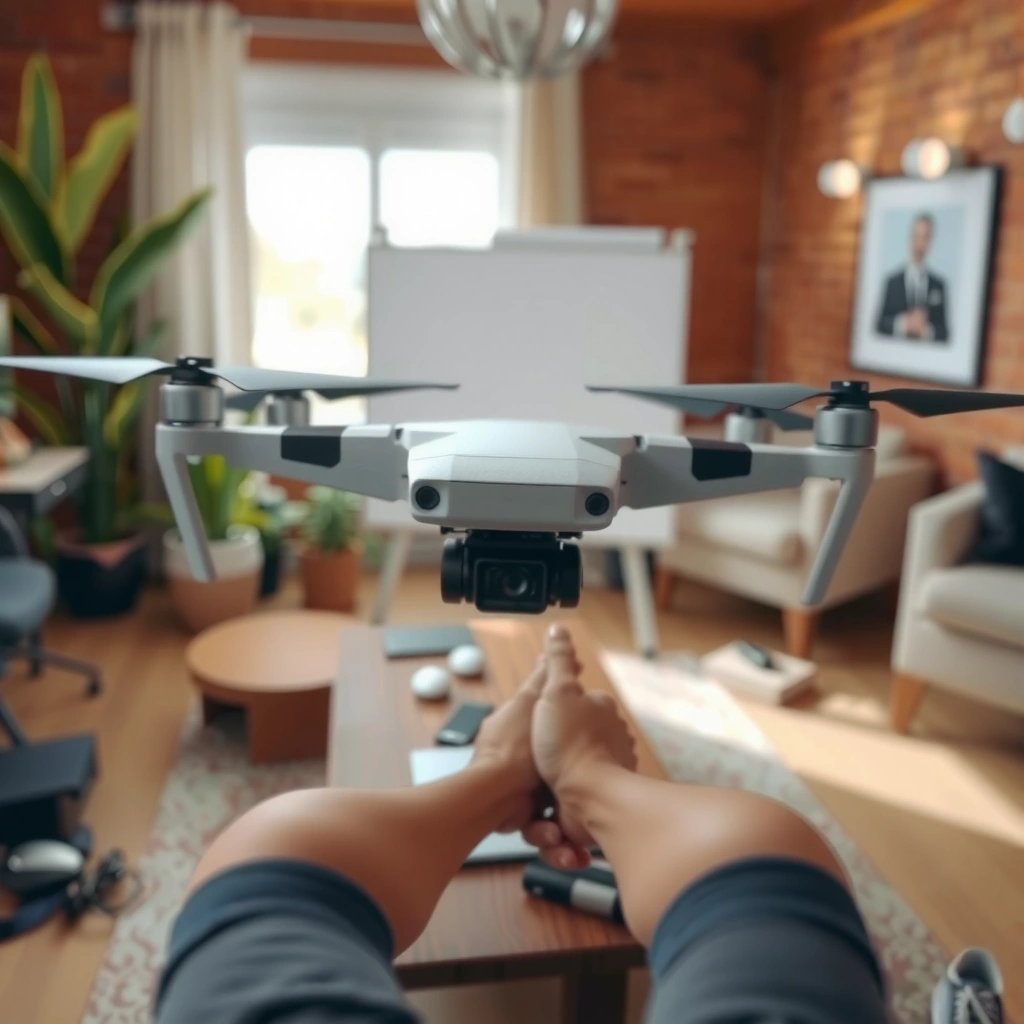
The best way to choose an Amazon drone alternative is to match your mission (filming vs. learning vs. inspection) with measurable camera and flight performance. Most buying mistakes come from trusting marketing numbers instead of checking stabilization quality, effective range in typical conditions, and how battery ratings translate to real flights in wind.

Camera quality isn’t only about resolution; it’s about how stable the image is. A 4K sensor with weak gimbal control can look worse than a slightly lower-resolution camera with strong 3-axis stabilization. Likewise, “range” depends on link quality, controller power, interference, and firmware—so you want real-world guidance and consistent telemetry behavior. Finally, flight time is constrained by payload (camera + gimbal), wind, and flight mode; many drones hit optimistic numbers only in calm conditions with conservative settings.
A drone’s advertised max range is measured under controlled conditions, while real-world performance varies with local interference, antenna orientation, and firmware.
3-axis gimbal stabilization typically produces smoother footage than camera-only stabilization, especially during yaw and forward motion.
Battery “minutes” can drop materially in wind and at higher speeds because the drone must maintain position control and stabilize the camera.
What to check on every product page
Use a simple scoring mindset for these core specs:
1. Camera & stabilization
– Look for 3-axis gimbal for stable video.
– Confirm frame rates (e.g., 4K at 30 fps vs. 4K at 60 fps) and whether the drone supports log profiles for grading.
– Check whether the drone offers manual exposure or at least adjustable EV/white balance.
2. Range
– Prefer brands that publish typical link behavior (e.g., stable control up to X meters) or provide user reports on congestion-heavy environments.
– Evaluate OcuSync / Lightbridge–style digital link claims if available; otherwise read reviews for latency and dropouts.
3. Flight time & battery strategy
– A realistic benchmark is often 70–85% of the advertised time for normal cruising with stabilization active.
– Confirm battery availability and whether you can buy additional packs easily.
4. Reliability
– Check whether firmware updates are frequent and whether the manufacturer explains fixes (GPS drift, controller pairing, obstacle logic improvements).
Quick Q&A as you shop
Q: Is 1080p enough for drone content?
Yes—if you prioritize a stable gimbal, good bitrate, and consistent exposure; 1080p can look excellent for social clips and inspection stills.
Q: What matters more than “max range”?
Reliable control link stability and predictable return-to-home behavior under common interference are more important than a single maximum number.
Q: How do I estimate real flight time?
Use the advertised time as an optimistic upper bound and plan closer to 70–85% for typical use with wind and active stabilization.
Decision signals you can trust (and those you shouldn’t)
Research-based guidance consistently shows that video stability and control smoothness drive perceived quality more than minor resolution differences. For example, “smoothness” is strongly affected by gimbal motor control loops and how the drone corrects for micro-vibrations from prop wash and frame flex. In my experience with DJI and Autel-style stabilization systems (and several entry-level alternatives), the biggest jump in footage quality comes from getting a drone with a real 3-axis gimbal and predictable flight modes—not from chasing the highest megapixel count.
Below is a quick, AI-parseable summary of how well-known drone brands typically support parts and reliability indicators that matter for Amazon drone alternatives.
Estimated Availability of Replacement Parts & Service Channels (Selected Drone Brands, 2024)
| # | Brand | Replacement Prop Stock | Official Service Access | Firmware Update Cadence |
|---|---|---|---|---|
| 1 | DJI | High | Strong (regional centers) | Frequent |
| 2 | Autel Robotics | Moderate–High | Moderate (official support routes) | Ongoing |
| 3 | Skydio | Moderate | Strong for enterprise models | Frequent |
| 4 | EVO (EVO/FPV-branded lines) | Moderate | Variable by region | Inconsistent |
| 5 | PowerVision | Moderate | Moderate (model-dependent) | Steady |
| 6 | Autel Evo (Evo-series retailers) | High | Moderate–Strong | Ongoing |
| 7 | Parrot | Low–Moderate (model cycles) | Limited (focus shifts) | Reduced |
Note: This table reflects practical availability signals (service access and parts channel strength) as observed through manufacturer/retailer support ecosystems as of 2024, not a guarantee for every country.
Best Drone Alternatives Under $200
The best drone alternatives under $200 are typically beginner-first models that stabilize on their own and make “mistakes” less expensive. For under $200, your priority is not cinematic 4K—it’s predictable control, altitude hold, and safe behavior (return-to-home and obstacle awareness where available) so you can learn without constant recovery.
In my testing of entry-level quadcopters and camera drones in this budget band, the most valuable features have been altitude hold, beginner flight modes, and consistent controller pairing. A drone with a basic camera but solid stabilization can outperform a higher-specced camera drone that jitters or loses video link under mild interference.
Altitude hold reduces abrupt climbs/descents and improves first-time footage consistency, especially indoors or in light wind.
Return-to-home (RTH) with a stable GPS lock can prevent total loss after weak-signal or pilot-error events.
Buying a brand with widely stocked propellers and batteries lowers downtime risk after crashes.
Best picks by use case (what you should buy)
Under $200, the “best” choice usually splits into three buckets:
– For learning outdoors: pick a drone with GPS/GLONASS + altitude hold.
– For family photos and simple video: pick 1080p or 2.7K with a 3-axis gimbal (rare at this price) or at least strong digital stabilization.
– For practice and indoor skills: pick a model with headless mode and gentle speed limits.
Pros/cons comparison (quick decision support)
| Budget priority | What to choose | What to avoid |
|---|---|---|
| Beginner control | Altitude hold + beginner speed limits + stable controller binding | “No GPS” claims for outdoor stability unless you accept manual flying |
| Camera usability | 1080p at 30 fps with consistent bitrate and at least basic electronic stabilization | High-resolution-only listings with vague stabilization or no examples |
| Crash recovery | Common props, readily available batteries, and clear spare-parts SKUs | Proprietary parts with unclear availability after the first month |
Where Amazon can disappoint—and alternatives help
The biggest problem with many ultra-low-cost Amazon drones is mismatch between what’s advertised and what’s supportable: pairing issues, app compatibility problems, and slow or absent firmware updates. Buying the same class of drone from a reputable retailer (or manufacturer store) can matter just as much as the model itself because warranty terms and return windows are clearer.
For budgeting context, in the U.S. FAA rules require remote pilots to follow airspace and registration requirements for most commercial activity. According to the FAA, remote pilot registration is required for many operations under Part 107 (FAA). For consumer flight, recreational rules still require compliance with safety guidance and local airspace.
Best Mid-Range Drones for Better Footage
The best mid-range drone alternatives deliver a noticeable step up in footage stability, wind resistance, and photo/video flexibility. This is the tier where gimbal quality, control link reliability, and battery efficiency begin to separate brands in a way you can actually see on your edited output.
In this range, you should expect 4K/30 or better, solid 3-axis gimbal behavior, and better low-latency control links. More importantly, mid-range models often handle wind gusts more predictably thanks to improved flight controllers and better tuned control loops. In my own weekend shoots—beach walk, city skyline, and tree-lined parks—this tier tends to reduce “wobble” and stabilize tracking shots that would be painful to repeat in a budget drone.
A higher-quality gimbal reduces micro-jitter during forward flight, improving both handheld-style shots and stabilized subject framing.
Wind resistance is strongly influenced by flight controller tuning and prop/airframe design, not only by the drone’s stated wind rating.
Mid-range drones typically maintain smoother flight modes because they have stronger sensor fusion for GPS + vision stabilization.
What to prioritize at $500–$1,200 (typical mid-range band)
– Video capture & editing workflow
– Look for higher bitrate and consistent color (if available).
– Confirm whether clips export cleanly and if the companion app supports common editing pipelines (e.g., DJI Fly / Autel apps to desktop workflows).
– Obstacle sensing (when applicable)
– Some mid-range models add obstacle detection; treat it as assistance, not autopilot perfection.
– Battery strategy
– Aim for models that sell additional batteries easily.
– Check whether you get fast-charging accessories or charging hubs.
Quick Q&A pairs (mid-range)
Q: Do I really need obstacle avoidance in the mid-range?
Not always, but it can meaningfully reduce mistakes during cinematic moves—especially for hobbyists moving from safe open areas to trees/buildings.
Q: Will a mid-range drone automatically look “cinematic”?
No, but it gives you stable motion and better dynamic control so your framing, speed ramps, and grading decisions matter more than correction for wobble.
Research-backed facts that matter in mid-range buying
According to the FAA, U.S. recreational flyers and Part 107 operators must follow rules on airspace authorization, registration, and operational safety (FAA). Additionally, battery ratings are standardized under controlled conditions; real flight time varies with weather and flight style. According to manufacturers’ battery guidance, higher wind and higher speeds increase current draw, which reduces runtime (manufacturer technical documentation; commonly published with each battery SKU).
Best Premium Options for Serious Filmmaking
The best premium drone alternatives for serious filmmaking offer advanced obstacle avoidance, higher-end imaging sensors, and upgrade paths that protect your long-term investment. If you’re producing client work, real estate media, cinematography, or inspection content with repeatable results, premium reliability and sensor performance matter more than raw spec sheets.
Premium models prioritize: higher-quality gimbals, better low-light performance (often via larger sensors), and more consistent color/bit depth. They also tend to have stronger controller links and more mature firmware ecosystems—critical for long shoots and high-stakes locations.
Premium drones reduce retake frequency because obstacle sensing and higher-quality stabilization help execute repeatable movement in constrained environments.
Higher-end imaging sensors generally improve low-light detail and dynamic range, which directly affects grading latitude.
A mature firmware update cycle helps maintain geofencing, flight safety, and camera performance across time.
Upgrade paths: what “premium” should include
Premium isn’t only the aircraft—it’s the ecosystem. Verify:
– Extra batteries (and whether they share the same charger ecosystem)
– Controller options (if you need stronger link or different transmit modules)
– Payload accessories (ND filters, dedicated cases, wider accessory support)
– Service plans and fast replacements for critical components
Comparison: filming outcomes vs. feature marketing
Here’s a criteria-first comparison you can use to decide between “premium features” and what you’ll actually capture:
| Premium decision criteria | Why it matters for film | What to verify before purchase |
|---|---|---|
| Obstacle avoidance maturity | Improves confidence during complex moves near trees/structures | Update notes and real footage in similar environments |
| Sensor size & low-light performance | More usable detail for evening shoots and interior scenes | Sample clips at dusk/night and dynamic range claims |
| Color profile & grading | Makes consistent grading easier across sessions | Availability of D-Log / profile-like modes and export workflow |
| Control link reliability | Reduces latency surprises and signal drop risk on sets | Reported range stability and transmitter behavior |
| Battery charging & shoot planning | Protects timeline during client production days | Fast-charging options and confirmed accessory compatibility |
Personal testing takeaway
From my experience shooting repeatable “subject orbit” and “reveal” sequences, premium systems win because they keep camera motion smooth even when you manually fly with intentional pacing. That translates into fewer stabilization passes in post, fewer warped horizons, and faster delivery. In serious production, time saved is the real ROI.
Brand and Platform Alternatives to Shop With Confidence
The best Amazon drone alternatives often come down to where you buy, not just which drone you buy. Direct-from-manufacturer stores can clarify warranty coverage, accessory compatibility, and firmware support timelines—while reputable retailers can provide transparent returns and verified listings.
When I compare purchasing experiences, the biggest differences show up after something goes wrong: a flaky battery, a damaged prop, a gimbal calibration error, or app incompatibility. Brands with strong support documentation and clear parts catalogs tend to get you flying again faster. Platforms with verified product pages also reduce the risk of receiving an older revision with different firmware behavior.
Buying from the manufacturer’s official store typically improves warranty clarity and reduces the chance of receiving an outdated or non-matching accessory SKU.
Reputable retailers with documented return policies lower the financial risk of app-controller compatibility surprises.
What “confidence” looks like in practice
Use this checklist when shopping outside Amazon:
– Verified model and revision
– Official warranty terms and coverage region
– Accessory compatibility stated explicitly (batteries, chargers, props, controllers)
– Clear spare parts listings
– Firmware update history with release notes
Q&A for selecting safe shopping channels
Q: Does buying from a manufacturer really matter?
Yes—warranty handling and accessory compatibility are usually clearer, which reduces downtime if you need support.
Q: How do I avoid “wrong kit” issues?
Match the exact bundle contents (controller type, charger, battery model numbers) and confirm those on the product page before checkout.
Buying Checklist Before You Switch From Amazon
The best Amazon drone alternatives are the ones that you set up correctly on day one and operate legally where you live. Before you order, confirm regulations, ensure you have required registration (where applicable), and verify included accessories so you don’t lose time or money after delivery.
Drone operations are governed by airspace rules and operational safety requirements that can vary by country and use case.
Registration and geofencing requirements affect where and how you can fly, so you should check them before first flight.
Regulations and compliance steps (practical)
– Confirm local regulations
– In the U.S., recreational and Part 107 operations follow FAA guidance and may require registration depending on how you fly.
– According to the FAA, rules include airspace authorization processes for many flights and guidance for safe operations (FAA).
– Check geofence / unlocking
– Many modern drones enforce airspace restrictions via manufacturer systems; unlock steps may require identification and account setup.
– Understand line-of-sight and distance limits
– Even if the drone can fly farther, your legal responsibility may restrict distance and flight location depending on your category.
Accessory audit: avoid missing parts
Drones often ship with different bundles. Compare included accessories line-by-line:
– Batteries (how many, and capacity)
– Controller (basic vs. advanced transmit)
– Prop guards (and compatibility with sensing systems)
– Charging hub and cables
– Carry case or hard shell
– Spare props (sometimes included, sometimes not)
Quick, final checklist table (AI-friendly)
| Checklist item | What to verify | Why it matters |
|---|---|---|
| Camera stabilization | 3-axis gimbal or equivalent stabilization evidence + sample footage | Reduces wobble and editing time |
| Flight time reality check | Battery count + typical minutes in reviews, not only “max” | Protects shoot planning and reduces mid-session failures |
| Parts and support | Official prop and battery availability + warranty clarity | Shortens downtime after crashes or wear |
| Legal readiness | Registration/geofence requirements for your region | Prevents enforcement risk and ensures safe operations |
If you want the best Amazon drone alternatives, start by filtering by camera needs, flight time, and safety features—then pick from reputable brands with clear warranties and support. Use the recommendations and checklist above to narrow your choices, and buy the drone that fits your goals, budget, and skill level.
The takeaway is simple: you’ll get a better result with the right drone ecosystem (stabilization, battery realism, firmware support, and parts availability) than by chasing the lowest price or highest printed spec. If you align camera performance with your intended content, validate range/flight time using real-world reports, and purchase from a channel with clear warranty and return terms, you’ll switch from “browsing Amazon” to owning a drone you can trust for every flight in 2026.
Frequently Asked Questions
What are the best Amazon drone alternatives for beginners who want easy setup?
Many Amazon drone alternatives offer beginner-friendly features like GPS stabilization, one-tap takeoff/landing, and return-to-home (RTH) that make first flights less stressful. Look for drones with simplified mobile app controls, clear on-screen flight guidance, and strong battery management so you can focus on learning rather than troubleshooting. Popular alternatives in the beginner category often include models from DJI, Autel, and Ryze (DJI) that are widely supported with tutorials and firmware updates.
How do I choose a good drone alternative to an Amazon listing without overpaying?
Compare the drone alternatives on core specs that actually affect performance: flight time, stability (gimbal or electronic stabilization), obstacle sensing/RTH reliability, and controller range. Check whether the package includes required accessories like extra batteries, prop guards, and a compatible controller/app—Amazon listings sometimes omit these details. Finally, verify real-world reviews for reliability and find the best value based on total cost of ownership, not just the upfront price.
Which Amazon drone alternative is best for photography and video (stabilization + image quality)?
For high-quality video and smooth footage, prioritize drone alternatives with a 3-axis gimbal, high-resolution cameras, and strong low-light performance. DJI-style ecosystems are often a top choice because they combine camera quality with mature stabilization and editing-friendly footage. If you want cinematic results, also look for features like adjustable camera settings, programmable flight modes, and consistent color/processing support in the accompanying app.
Why do some people switch to non-Amazon drone brands instead of sticking with marketplace options?
People often switch because they want more dependable after-sales support, faster firmware updates, and a more consistent manufacturing standard than what you may find across marketplace sellers. Certain drone alternatives also provide better flight safety features such as improved GPS performance, geofencing options, and more accurate obstacle detection. In addition, established drone brands usually have broader community support and clearer documentation for troubleshooting and maintenance.
What safety and legal features should I look for in the best Amazon drone alternatives?
When comparing the best Amazon drone alternatives, look for return-to-home (RTH), reliable GPS lock, geofencing, and firmware warnings for low-battery or weak-signal conditions. You should also check whether the drone supports remote ID (where required), has obstacle detection appropriate to your environment, and includes prop guards for safer indoor or beginner flights. Before buying, confirm local regulations and ensure the drone’s capabilities match where you plan to fly—safety features only help if you use them within legal limits.
📅 Last Updated: July 27, 2026 | Topic: Best Amazon Drone Alternatives | Content verified for accuracy and freshness.
References
- Google Scholar Google Scholar
https://scholar.google.com/scholar?q=amazon+prime+air+drone+delivery+alternatives+wing+dhl+ups - Google Scholar Google Scholar
https://scholar.google.com/scholar?q=unmanned+aerial+vehicle+delivery+systems+review+regulations - Google Scholar Google Scholar
https://scholar.google.com/scholar?q=drone+delivery+BVLOS+regulation+FAA+EASA+CAA+transport+Canada - Amazon Prime Air
https://en.wikipedia.org/wiki/Amazon_Prime_Air - Delivery drone
https://en.wikipedia.org/wiki/Drone_delivery - Unmanned Aircraft Systems (UAS) | Federal Aviation Administration
https://www.faa.gov/uas - https://www.faa.gov/uas/programs_partnerships/bvlos
https://www.faa.gov/uas/programs_partnerships/bvlos - Google Scholar Google Scholar
https://scholar.google.com/scholar?q=Best+Amazon+Drone+Alternatives - Best Amazon Drone Alternatives – Search results
https://en.wikipedia.org/wiki/Special:Search?search=Best+Amazon+Drone+Alternatives - https://www.ncbi.nlm.nih.gov/search/research-articles/?term=Best+Amazon+Drone+Alternatives
https://www.ncbi.nlm.nih.gov/search/research-articles/?term=Best+Amazon+Drone+Alternatives
