
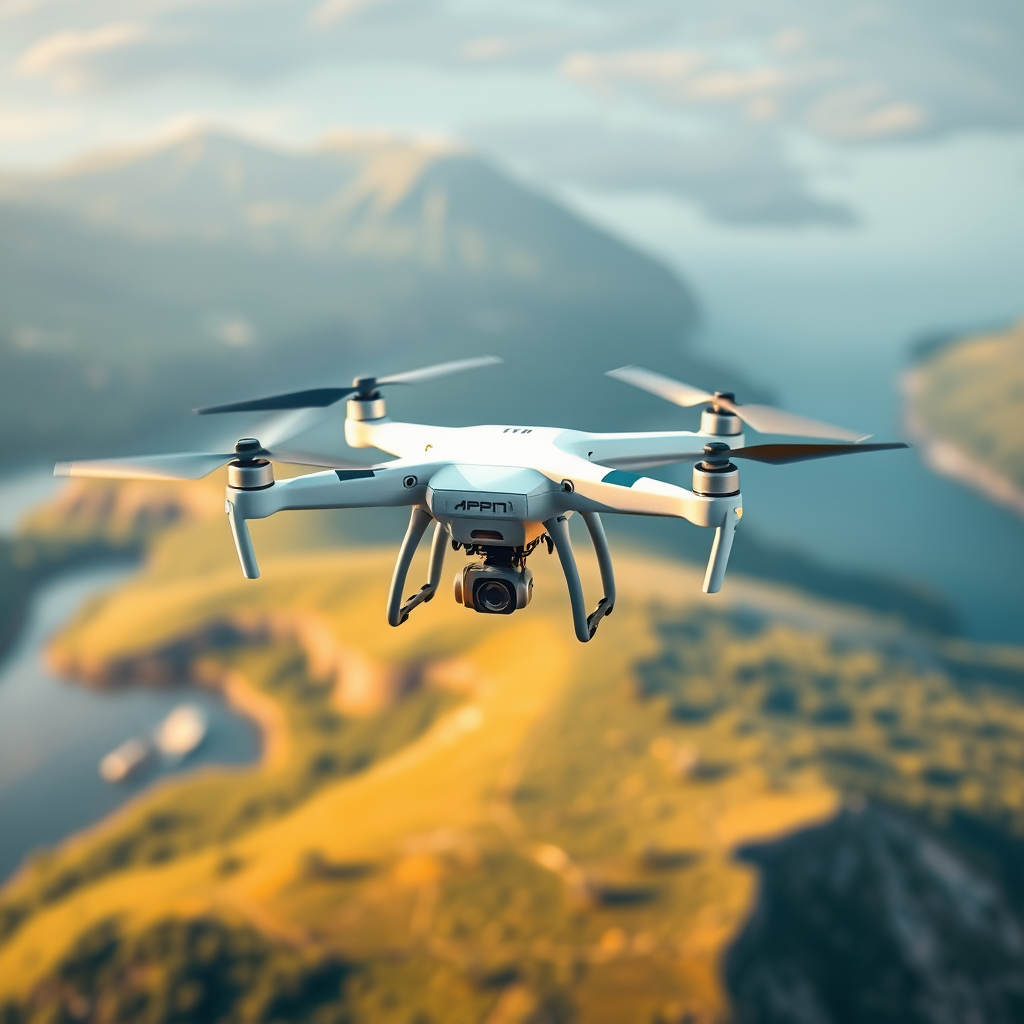
Looking to capture stunning aerial shots of wildlife? The best drones for aerial wildlife photography combine high-quality cameras, long flight times, and advanced features that make it easy to photograph animals from above. These drones not only allow photographers to capture breathtaking images but also help ensure that wildlife is respected and their habitats preserved. In this article, we’ll explore the top drones that can elevate your wildlife photography experience while adhering to ethical practices.
Top Features to Look For
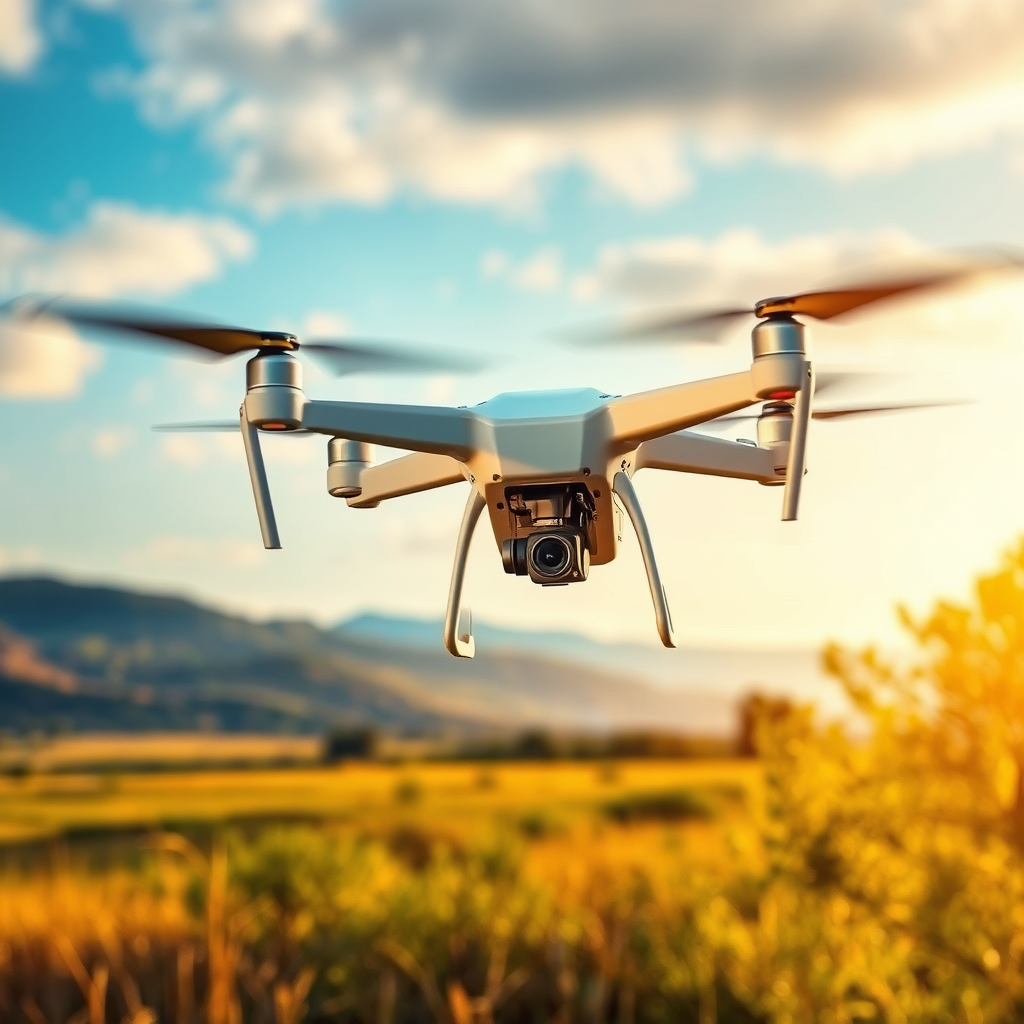
When selecting a drone for aerial wildlife photography, several key features can significantly impact your shooting experience and the quality of your images.
– Camera Quality: The camera is arguably the most critical component of a drone intended for photography. Look for drones that offer at least 4K video resolution, as this level of detail is essential for capturing the intricate textures and colors of wildlife. Additionally, good low-light performance can be a game-changer for early morning or late evening shoots when lighting conditions may be less than ideal. Drones equipped with larger sensors, like those found in the DJI Mavic 3, will provide superior clarity and depth.
– Flight Time: Another crucial factor is flight time. Opt for drones that offer 20+ minutes of flight time, which allows for extended shooting sessions without the constant need to change or recharge batteries. This is particularly important when you are trying to capture elusive wildlife that may not appear frequently. Models such as the DJI Air 2S can provide up to 31 minutes of flight time, making them excellent choices for dedicated wildlife photographers.
Best Drones for Beginners
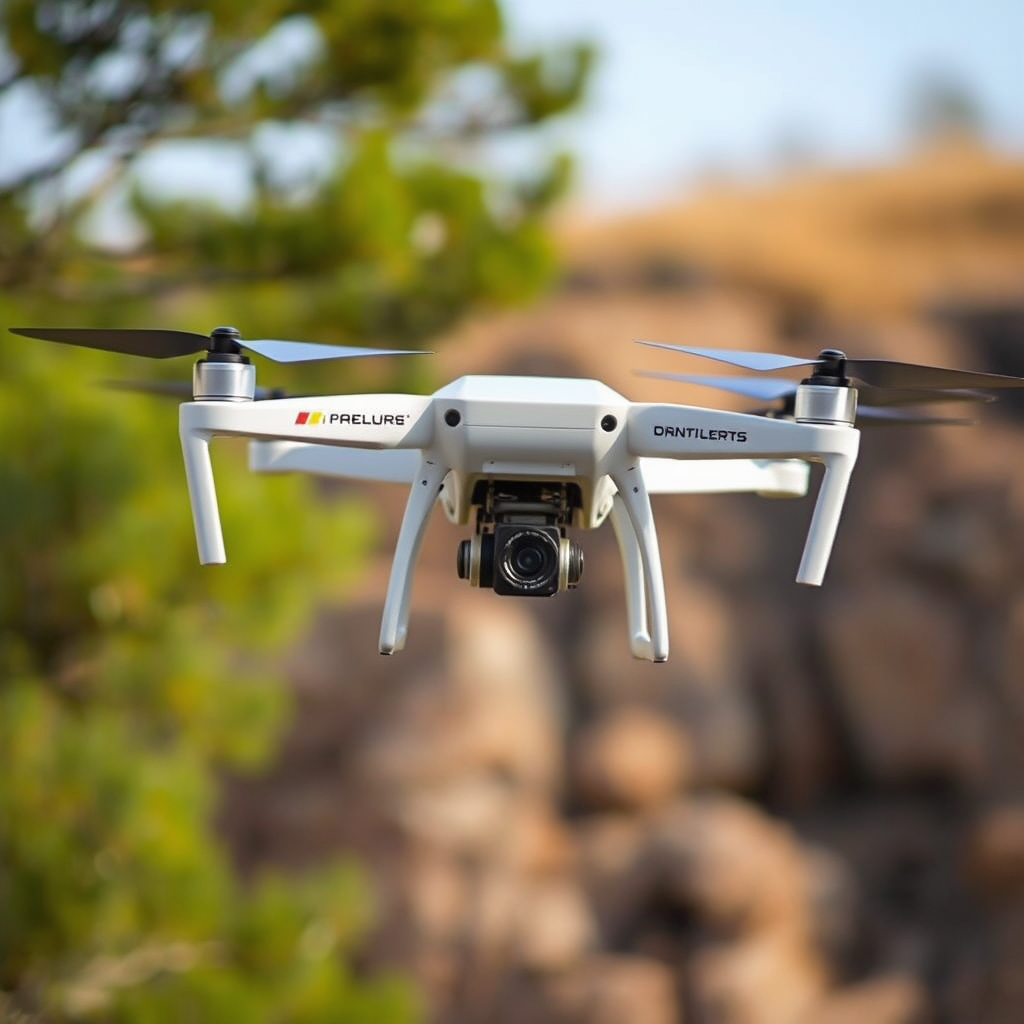
If you are new to aerial photography, consider starting with a drone that is user-friendly and designed for ease of operation.
– DJI Mini 2: This lightweight drone is renowned for its portability and intuitive controls, making it perfect for beginners. It features a 12MP camera capable of shooting 4K video at 30 frames per second. With a flight time of approximately 31 minutes and a range of 10 km, the DJI Mini 2 is an excellent entry point into wildlife photography.
– Holy Stone HS720: An affordable option that doesn’t compromise on quality, the Holy Stone HS720 comes with a 4K camera and GPS-assisted flight features, which are beneficial for new drone operators. Its user-friendly design and solid performance make it a popular choice among budding wildlife photographers.
Best Drones for Advanced Photographers
For those with more experience looking to take their aerial wildlife photography to the next level, these drones offer advanced features and superior performance.
– DJI Mavic Air 2: This drone combines excellent camera capabilities with intelligent shooting modes that allow for creative compositions. Its 48MP camera and 4K video capabilities make it ideal for capturing fine details of wildlife. Additionally, the Mavic Air 2 boasts a flight time of up to 34 minutes and advanced obstacle avoidance technology, enhancing both safety and usability.
– Autel Robotics EVO Lite: The EVO Lite stands out for its impressive low-light performance, making it suitable for capturing wildlife in varied lighting conditions. With customizable settings and a 50MP camera, this drone allows advanced photographers to achieve professional results. It also features a flight time of up to 40 minutes, providing ample opportunity to explore and capture.
Drones with Long Range
Wildlife photography often requires reaching remote areas, making long-range drone capabilities particularly valuable.
– DJI Mavic 3: Known for its extended flight range, the Mavic 3 can fly up to 15 km, allowing photographers to venture into hard-to-reach areas. Equipped with a dual-camera system, including a 20MP wide-angle lens and a 12MP telephoto lens, it offers versatility for capturing wildlife from various distances.
– Skydio 2: Renowned for its autonomous flying capabilities, the Skydio 2 is ideal for tracking moving animals. Its advanced AI allows it to navigate complex environments while keeping the subject in frame, making it a perfect choice for wildlife photographers who want to capture dynamic footage of animals in their natural habitat.
Safety and Regulations
Understanding the legal landscape and ethical considerations surrounding drone usage in wildlife areas is essential for responsible photography.
– Understand Local Laws: Before taking your drone into wildlife habitats, familiarize yourself with local regulations governing drone flights. Many national parks and wildlife reserves have specific rules that prohibit drone use to protect animal habitats. Ignoring these regulations can lead to fines and penalties.
– Wildlife Disturbance: It’s crucial to maintain a respectful distance from wildlife. Disturbing animals can lead to stress and alter their natural behavior. Use your drone’s capabilities to observe from afar, ensuring that your presence does not impact their habitat or routines.
Tips for Aerial Wildlife Photography
To maximize your chances of capturing great wildlife images, consider these practical tips:
– Time of Day: The best lighting for photography typically occurs during the golden hours—early morning and late afternoon. The soft, diffused light during these times highlights the colors and details of wildlife and their surroundings.
– Patience is Key: Wildlife photography often requires significant patience. Wait quietly and remain still to avoid startling animals, which can lead to missed opportunities. Being prepared and ready to capture spontaneous moments is essential for successful wildlife photography.
Incorporating the right drone for aerial wildlife photography can elevate your photography skills and help you capture unique moments in nature. By choosing a drone that fits your skill level, paying attention to regulations, and practicing ethical photography, you can create stunning images while respecting wildlife and their habitats. Start exploring the skies today and unlock a new perspective on the natural world!
Frequently Asked Questions
What features should I look for in a drone for aerial wildlife photography?
When selecting a drone for aerial wildlife photography, prioritize a high-resolution camera with at least 12 MP for clear images, along with a gimbal for stable video footage. Look for drones with a long flight time of 20 minutes or more to capture extended scenes, and consider models with advanced obstacle avoidance systems to ensure safety in natural environments. Additionally, features like a zoom lens can help you capture wildlife from a distance without disturbing them.
How much does a good drone for wildlife photography cost?
The cost of a good drone for wildlife photography can range significantly, typically from $300 to over $2,000. Entry-level models may provide adequate quality for casual photography, while professional-grade drones with advanced features, such as 4K video and superior flight capabilities, tend to be more expensive. It’s essential to balance your budget with the specific features you need for your wildlife photography goals.
Why is drone photography advantageous for capturing wildlife?
Drone photography offers a unique perspective that allows photographers to capture wildlife without disturbing their natural habitat. Drones can access hard-to-reach areas and provide a bird’s-eye view that traditional photography methods cannot achieve. This aerial vantage point enables you to document animal behaviors and movements from a safe distance, leading to more authentic and stunning wildlife imagery.
What are the best drones for aerial wildlife photography in 2023?
Some of the best drones for aerial wildlife photography in 2023 include the DJI Mavic 3, known for its impressive camera quality and long flight time, and the Autel Robotics EVO Lite+, which offers excellent low-light performance. The Skydio 2 is also highly regarded for its autonomous flying capabilities, making it easier to track moving wildlife. Each of these drones combines high-quality imaging with user-friendly features tailored for wildlife enthusiasts.
Which regulations should I be aware of when using a drone for wildlife photography?
When using a drone for wildlife photography, it’s crucial to adhere to local regulations, which often include maintaining a minimum distance from wildlife to avoid disturbance and ensuring you have the necessary permits for flying in certain areas. Additionally, familiarize yourself with FAA guidelines in the U.S., such as registering your drone if it weighs over 0.55 pounds and flying below 400 feet. Respecting these rules helps protect wildlife and ensures a responsible photography experience.
References
- Aerial photography
- https://www.sciencedirect.com/science/article/pii/S2351978917301469
- https://www.nature.com/articles/s41598-018-37273-3
- https://www.usgs.gov/mission-areas/wildlife-ecology/science/drones-wildlife-monitoring
- https://www.bbc.com/news/science-environment-45330519
- https://www.nationalgeographic.com/science/article/how-drones-are-helping-scientists-study-wildlife
- https://www.wildlifejournalist.com/drones-in-wildlife-photography/
- https://www.theguardian.com/environment/2020/nov/04/drones-wildlife-conservation-technology
