
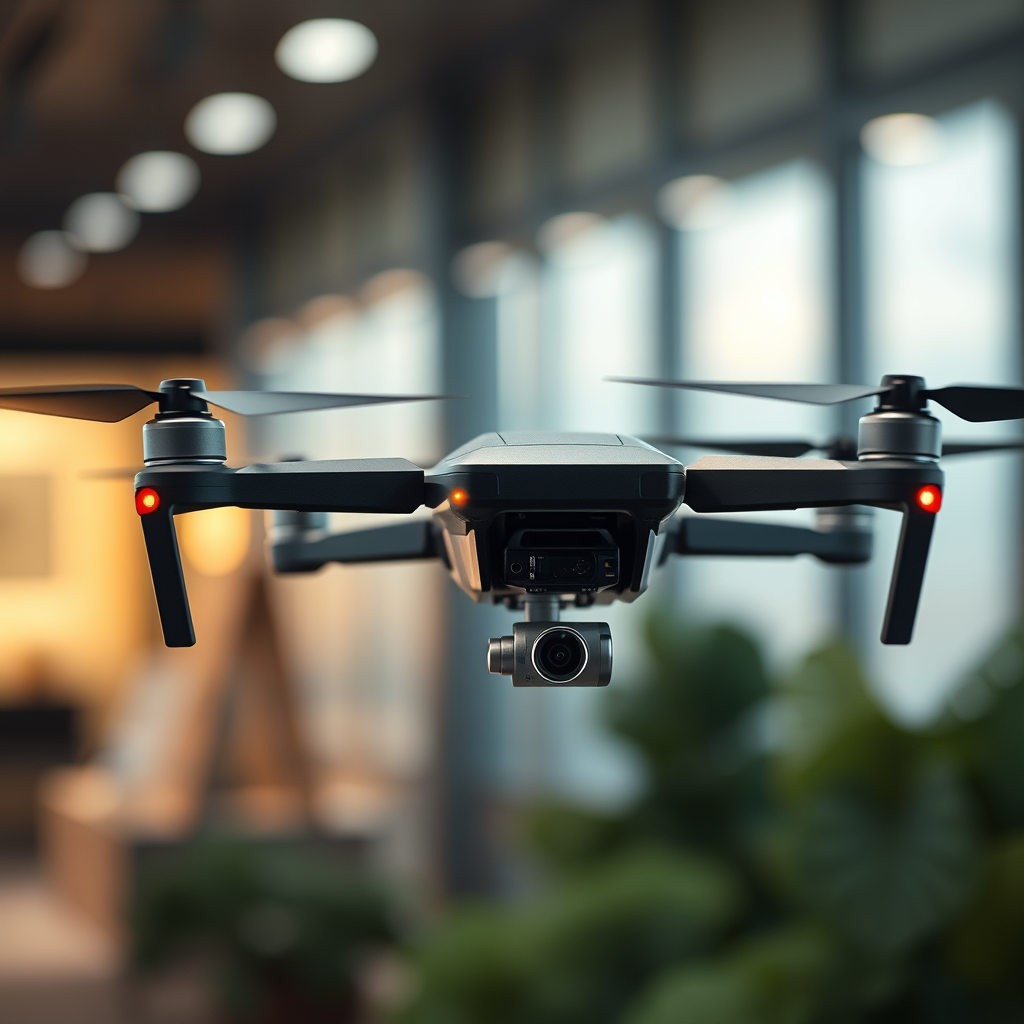
The best drones for high-resolution stills combine advanced camera technology with user-friendly features, making them ideal for photographers seeking stunning imagery. These drones not only facilitate the capture of breathtaking aerial shots but also provide the reliability and ease-of-use that both amateur and professional photographers need. In this article, you’ll discover top drone models that excel in capturing sharp, detailed photos, along with essential factors to consider when choosing your drone.
Top Drone Models for High-Resolution Photography
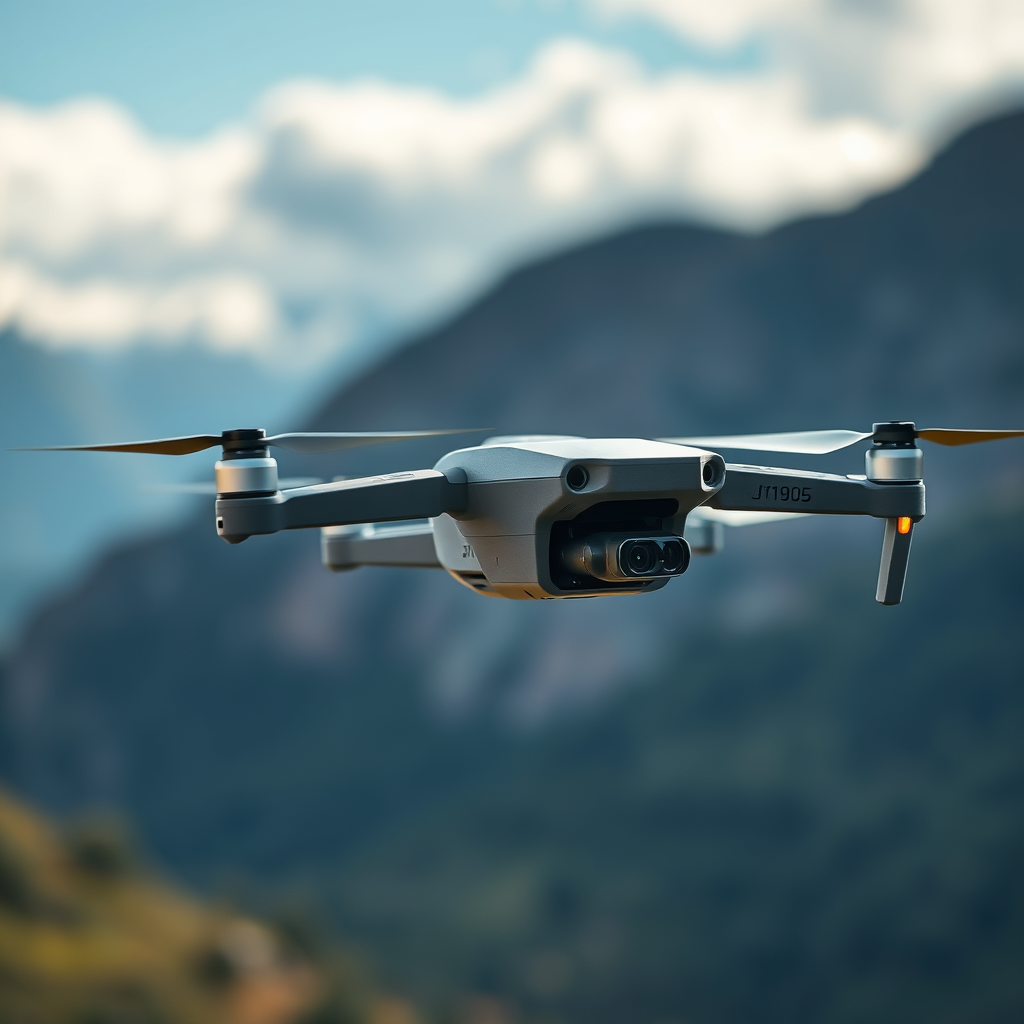
When it comes to high-resolution photography, the drone you choose can significantly impact the quality of your images. Here are two standout models that are highly regarded in the photography community:
– DJI Mavic 3: This drone features a remarkable Hasselblad camera equipped with a 4/3 CMOS sensor, which is pivotal for exceptional image quality. With a native resolution of 20 MP, the Mavic 3 can capture stunning stills with rich colors and impressive dynamic range, making it perfect for landscape photography. Additionally, the Mavic 3 supports shooting in RAW format, allowing for greater post-processing flexibility. Its advanced obstacle avoidance system and extended flight time of up to 46 minutes further enhance its usability for photographers who value both quality and performance.
– Autel Robotics EVO Lite+: This drone stands out with its impressive 50 MP camera, offering an adjustable aperture that enables versatile shooting conditions. Photographers can shoot in various light environments, from bright sunny days to low-light conditions, without sacrificing image quality. The EVO Lite+ also features a large 1-inch sensor, which captures more light and detail than smaller sensors, resulting in stunningly detailed photos. Its 40-minute flight time and robust stabilization technology make it a solid choice for capturing high-resolution stills.
Key Features to Look For
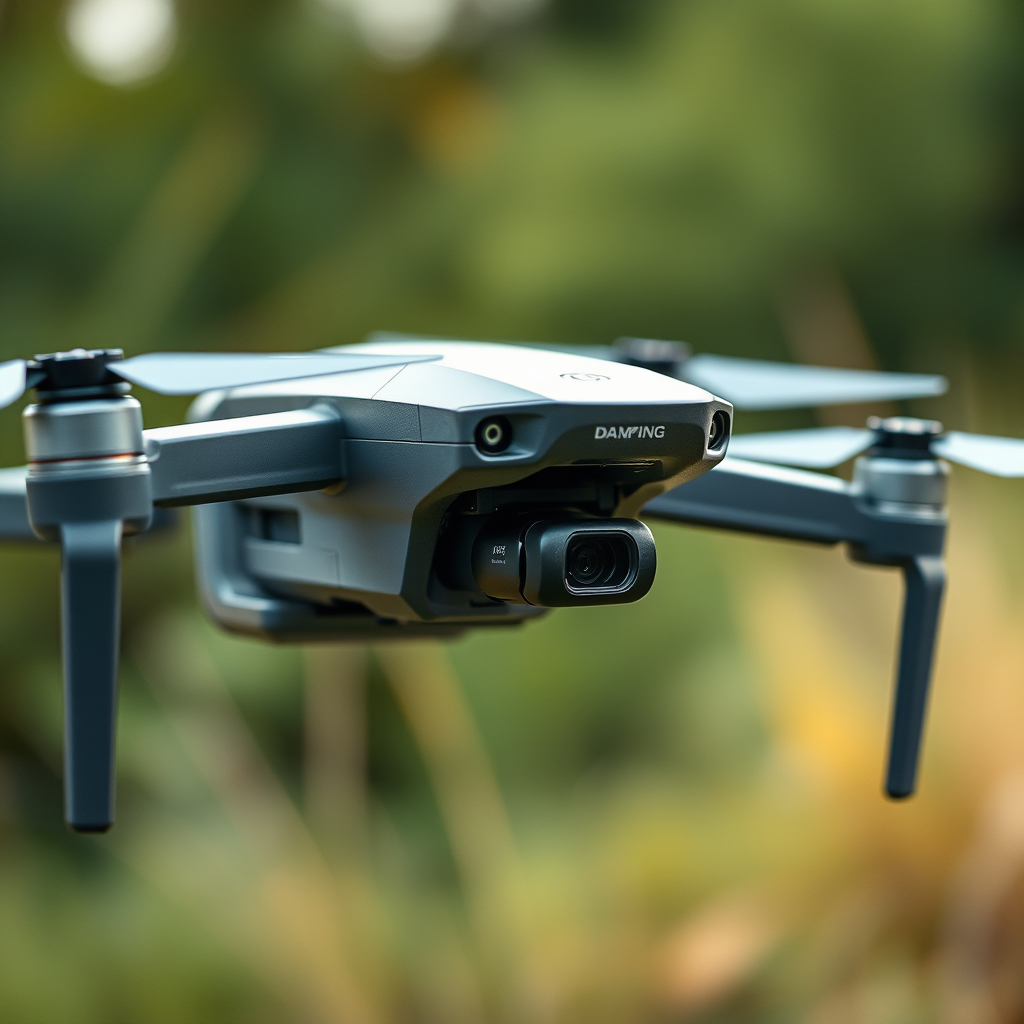
Choosing the right drone for high-resolution photography involves more than just selecting a popular model. Here are some critical features to consider:
– Camera Resolution: Aim for drones with at least 20 MP cameras to ensure high-quality images. A higher resolution allows for larger prints and better cropping options, providing more flexibility in post-production. Some top-tier models even offer resolutions exceeding 50 MP, which can be advantageous for commercial photographers looking to produce large-scale prints.
– Sensor Size: Larger sensors typically capture more light and detail, enhancing image quality. A drone with a 1-inch sensor or larger will usually outperform smaller sensors in low-light conditions, producing clearer, more vibrant images. This is particularly important for capturing intricate details in landscape photography or indoor settings.
Flight Time and Stability
Flight performance is crucial for photographers who require extensive shooting time and stability during flight. Here are two key aspects to evaluate:– Battery Life: Look for drones that offer at least 30 minutes of flight time for extended shooting sessions. Drones like the DJI Mavic 3 and Autel EVO Lite+ excel in this area, allowing photographers to explore and capture images without the constant need to recharge. Longer flight times enable you to take multiple shots from various angles and heights without interruptions.
– Gimbal Stabilization: A 3-axis gimbal helps eliminate motion blur, ensuring crisp stills. This feature is essential for capturing high-resolution images, as even slight movements can lead to blurry photos. Drones equipped with advanced gimbal systems provide smoother footage and clearer stills, making them a must-have for serious photographers.
User-Friendly Controls and Features
For photographers, drones need to be intuitive and easy to operate. Here are some user-friendly features to look for:
– Automated Flight Modes: Features like “Follow Me” and waypoint navigation simplify capturing images while flying. These automated modes allow you to focus on composition and framing rather than manual controls, making it easier to capture dynamic shots, especially in outdoor settings where subjects may be in motion.
– Live View and FPV: Ensure the drone provides a real-time video feed, enhancing framing and composition. A high-definition live view allows photographers to see exactly what the camera sees, making it easier to adjust settings and ensure the perfect shot is captured. This feature is particularly valuable when shooting in challenging environments or at high altitudes.
Price Range and Value
The price of drones can vary significantly based on their features and capabilities. Here’s a breakdown of what you can expect in different price ranges:
– Entry-Level Options: Affordable drones like the DJI Mini 2 provide good quality for beginners, featuring a 12 MP camera capable of capturing 4K video. While they may lack some advanced features of higher-end models, they are excellent for those just starting in aerial photography. Their lightweight design also makes them easy to transport.
– Professional Choices: Higher-end models like the DJI Inspire 2 offer unparalleled quality but at a premium price. With features like interchangeable lenses and dual-operator capabilities, the Inspire 2 is designed for professional filmmakers and photographers who demand the highest standards. Investing in such a drone means you’ll have access to advanced features that can significantly enhance your work.
Accessories for Enhanced Photography
To further improve your aerial photography, consider investing in essential accessories:
– ND Filters: These filters reduce glare and allow for better control over exposure in bright conditions. ND filters are particularly beneficial for long exposure shots or when shooting video, as they help achieve a cinematic look by preventing overexposure without sacrificing shutter speed.
– Extra Batteries: Carrying additional batteries extends your shooting time, ensuring you don’t miss the perfect shot. High-capacity batteries can be a game-changer during long shoots or trips, allowing you to focus on capturing stunning images rather than worrying about battery life.
Choosing the best drone for high-resolution stills involves considering camera quality, flight stability, and user-friendly features. Whether you are a beginner or a professional, investing in the right drone will elevate your photography. Explore the options mentioned, and take your aerial photography to new heights!
Frequently Asked Questions
What features should I look for in a drone for high-resolution still photography?
When selecting a drone for high-resolution still photography, focus on key features such as camera sensor size, resolution, and lens quality. Look for drones equipped with at least a 20MP camera, as well as options for interchangeable lenses if you want versatility. Additionally, consider stabilization technology like a 3-axis gimbal to ensure sharp images, and check the drone’s ISO range for low-light performance.
Which drones are recommended for professional photographers seeking high-resolution images?
For professional photographers, the DJI Mavic 3 and the Sony Airpeak S1 are top contenders for high-resolution stills. The Mavic 3 boasts a 20MP Hasselblad camera with a 4/3 CMOS sensor, providing exceptional image quality and dynamic range. Meanwhile, the Sony Airpeak S1 allows for the use of Sony Alpha cameras, giving photographers the flexibility to use their preferred lenses and settings for stunning aerial shots.
How does drone altitude affect the quality of high-resolution still images?
The altitude of the drone significantly impacts the composition and detail of high-resolution still images. Flying at higher altitudes allows for broader landscapes and unique perspectives, but it may compromise detail in close-up shots. To achieve the best quality, maintain optimal altitude based on the subject; typically, 100-400 feet is ideal for capturing high-resolution images while preserving detail and clarity.
Why is lens quality important for drones used in high-resolution photography?
Lens quality is crucial for drones used in high-resolution photography because it directly affects sharpness, color accuracy, and overall image fidelity. A high-quality lens minimizes optical distortions and aberrations, ensuring that the images captured are clear and vibrant. Investing in a drone with a superior lens can significantly enhance the quality of your still photographs, making it a key consideration for serious photographers.
What are the best practices for capturing high-resolution stills with a drone?
To capture high-resolution stills with a drone, start by using manual camera settings to control exposure, ISO, and shutter speed for optimal results. Additionally, plan your shots during golden hours—early morning or late afternoon—to benefit from soft lighting. Always use a stable flight mode and ensure your drone is calibrated before shooting to avoid blur, and consider shooting in RAW format to maximize post-processing flexibility.
References
- Aerial photography
- https://www.wired.com/story/best-drones-for-photography/
- https://www.techradar.com/news/best-drones-for-photography
- https://www.bbc.com/news/technology-48714821
- https://www.nationalgeographic.com/science/article/drone-photography-what-to-know
- https://www.sciencedirect.com/topics/earth-and-planetary-sciences/drone
- Unmanned Aircraft Systems (UAS) | Federal Aviation Administration
- https://www.researchgate.net/publication/328036647_The_Impact_of_Drone_Photo_Quality_on_Analysis_of_Visual_Aesthetic_Quality_in_Green_Spaces
