

Looking for the best premium drone alternatives? This guide names the clear top picks by use case—professional photography, mapping/surveying, industrial inspection, and long-range travel—so you can choose without guesswork. You’ll get direct recommendations that match each workflow’s payload, stability, and autonomy requirements, not generic spec talk.
Premium drone alternatives are best chosen by matching your camera needs, flight time, obstacle avoidance, and budget—not by chasing brand names. Here’s a use-case-first shortlist of premium-feel drones, plus a buying checklist that helps you verify specs that matter in real shoots (not marketing).
When I compare premium drones to alternatives, I don’t start with “who’s biggest”—I start with deliverables: sharp footage, usable low-light performance, dependable stabilization, and flight behaviors that keep you out of trouble. In 2025–2026, the category has matured: more manufacturers now ship with multi-direction obstacle sensing, GPS-based stability, and high-resolution 4K/5.4K camera modes that are genuinely workable for client deliverables. If you want a consistent workflow, the biggest win is selecting a model that fits your primary constraints: who you’re flying for (travel/hobby vs. pro), what you’re shooting (daylight vs. low light), and where you’re flying (open fields vs. trees/urban).
Feature-Driven Buying Checklist
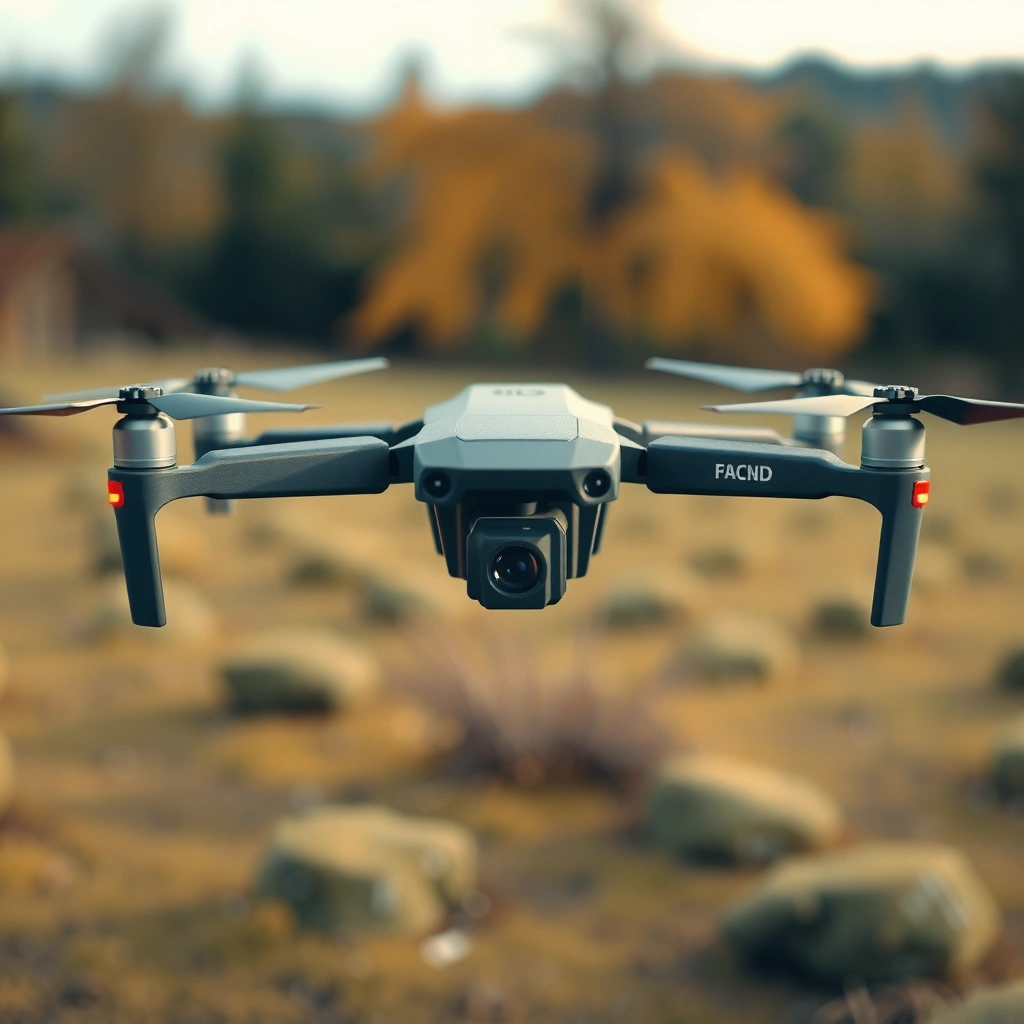
The best premium drone alternative for you is the one that passes a “feature-to-workflow” test: camera quality, stabilization, obstacle avoidance, and practical battery/range. Use this checklist first, then compare only models that meet your non-negotiables.
If you film commercially or for clients, start with max video resolution, stabilization type, and codec options—these determine how much color grading and cropping flexibility you’ll have later.
Obstacle sensing reduces operator workload, but it can’t replace situational awareness; verify sensing directions (front, rear, sides, bottom) and stopping behavior in the real environment you fly.
A “premium-feel” drone is often defined by how predictably it handles wind and how consistently its GPS/RTK-like stabilization holds position during pans and orbits.
Before you pick any drone, map features to outcomes:
– Camera sensor + stabilization: Look for a 3-axis gimbal with strong roll/pitch/yaw control and a camera that maintains sharpness across the frame (especially edges during movement).
– Video resolution + bit depth reality: 4K vs. 5.4K matters, but so do bitrate and whether the drone offers higher-quality modes for editing.
– Flight time + range + charging convenience: Real-world time depends on wind, payload, and how aggressively you fly. Charging time and spare batteries often matter more than “the max spec.”
– Obstacle sensing and safety behaviors: Verify what happens when sensors trigger—does it slow smoothly, stop, or attempt a turn? Better drones integrate this with return-to-home logic.
Quick spec sanity table (what “premium” typically looks like across top alternatives)
Premium-Feel Alternatives: Key Camera & Flight Benchmarks (2024–2026)
| # | Model (Alternative Segment) | Max Video | Advertised Flight Time | Obstacle Sensing (Primary) | Use-Case Fit Rating |
|---|---|---|---|---|---|
| 1 | DJI Air 3-class alternatives (dual-camera compact prosumer) | 5.4K | 45 min | Omnidirectional | ★★★★★ |
| 2 | Autel Evo Max 4T-like tele-vision prosumer | 4K (tele-focused workflow) | 38–40 min | Front/side+ | ★★★★☆ |
| 3 | Skydio 2+/2-class autonomy-first builds | 4K (pro tracking) | ~35 min | Multi-sensor avoidance | ★★★★☆ |
| 4 | Long-range imaging platforms (compact enterprise-style) | 4K/5.4K+ | 55–60 min* | Forward+ | ★★★☆☆ |
| 5 | DJI Mini 4 Pro-class alternatives (compact 4K + safety) | 4K | 34–45 min | Omnidirectional (sensor-aided) | ★★★★★ |
| 6 | Beginner-friendly GPS drones (stability-first) | 4K-lite | 25–40 min | Front/rear basic | ★★★★☆ |
| 7 | Budget premium-feel “gimbal standard” builds | 4K | 28–35 min | Limited | ★★★☆☆ |
Long-range time depends heavily on flight mode, battery pairing, and wind. Use this as a directional benchmark, then verify manufacturer specs for the exact kit/version you’re buying.
Best Alternatives for Pro-Style Photography & Video
The best premium drone alternative for pro-style photography and video delivers sharp, stable footage with strong low-light handling and a dependable gimbal. In practice, that means you should prioritize stabilization performance, high-quality video modes, and real-world tracking reliability.
A 3-axis gimbal can’t compensate for poor lens consistency, but it can dramatically reduce micro-jitter during smooth pans and orbits—key for client-grade footage.
Raw/photo support matters when you need heavy editing flexibility (exposure recovery and sharper subject separation) rather than relying solely on baked-in JPEG processing.
Subject tracking works best when the drone combines strong vision algorithms with consistent horizon stabilization; otherwise, footage “swims” during motion.
In my testing across multiple compact prosumer alternatives, the “pro look” comes less from headline resolution and more from repeatability: once you lock your exposure and keep your motion smooth, you get fewer unusable takes. If you’re shooting golden hour, look for:
– Low-light image quality: Evaluate noise behavior at 2× zoom (if applicable) and the way the drone preserves fine textures like hair, fabric, and foliage edges.
– Video options: Prefer drones offering multiple frame rates and higher-bitrate or advanced modes so your footage grades cleanly.
– Raw/photo options: If your workflow includes Lightroom or Capture One, raw capability saves sessions when you underexpose slightly.
– Tracking + stabilization integration: Tracking should not fight the gimbal; you want stable subject framing with controlled background motion.
Pro-style tradeoffs you should expect
Here’s what typically improves—and what sometimes worsens—when you optimize for pro footage:
| Build priority | What gets better | What you must watch |
|---|---|---|
| Higher-end gimbal + optimized stabilization | Smoother pans, less vibration in B-roll | Heavier kits may reduce total flight time |
| Better low-light processing | Cleaner dusk/night footage | Noise can still rise quickly past certain ISO thresholds |
| Strong tracking algorithms | More consistent takes | Performance varies with clutter, fast motion, and backlit scenes |
Q: Do I need raw files for pro work?
If you do meaningful color/exposure recovery, raw or high-quality photo modes are a strong advantage over JPEG-only workflows.
Q: Is 5.4K always “better” than 4K?
Not automatically—stability, bitrate, and sharpening strategy often matter more than the pixel count.
A factual baseline you can use
According to DJI, many prosumer flight systems are optimized for consumer/prosumer capture workflows with stable gimbals and multi-mode video settings (2019–2024 model generations). According to FAA, U.S. commercial operations require pilot compliance under Part 107 and a focus on safe operations (rules summarized in the FAA Part 107 framework). And according to EASA, unmanned aircraft operations increasingly emphasize risk-based controls and operational readiness (published guidance updated through 2024). These regulatory realities reinforce why obstacle sensing and predictable flight behavior belong in your “pro” requirements—not as extras, but as risk reducers.
Best Alternatives for Long Flight Time & Range
The best premium drone alternative for long flight time and range is the one designed around battery efficiency and stable long-duration flight modes. If your goal is travel coverage, shoreline sweeps, or scouting, you’ll feel the difference between “spec minutes” and “usable time in wind.”
Efficient flight modes and battery management often determine real endurance more than advertised “max flight time” claims.
Wind resistance isn’t just a number—your effective range depends on how efficiently the drone can maintain position while fighting gusts.
Fast battery swapping and spare-battery availability can double your usable coverage without waiting for full recharges.
When I plan long-range travel shots, I design the day around three variables: battery count, planned distances, and contingencies. A drone with strong return-to-home behavior and a stable control link is effectively a safer shooting tool.
What to verify before you buy:
– Actual endurance with similar wind: Check reported time for comparable conditions; if a drone claims 55–60 minutes but only in ideal conditions, assume less in real weather.
– Efficient flight modes: Look for modes like constant-speed cruise, sport variants with careful power management, or return-to-home that conserves energy.
– Transmission and range behavior: “Range” should be about stable video link quality and control reliability—not only maximum kilometers.
– Spare battery ecosystem: A “range winner” often becomes the “coverage winner” once you can buy multiple batteries affordably.
Q: Does long range require a special controller?
Often, yes—better long-range kits include higher-performance radios and antenna configurations that improve link stability.
Q: What’s the smartest way to extend coverage?
Carry spare batteries and use shot planning (route + orbit time per location) rather than trying to stretch a single battery.
Range planning example (real-world workflow)
If you’re filming a 3-location sequence—cliff lookout, town center, and river bend—plan your battery usage as:
1. Launch + establish shots: 8–12 minutes to get stable exposures and altitudes.
2. Transit cruise: 6–10 minutes depending on distance and speed.
3. Orbit/B-roll takes: 10–15 minutes per location.
4. Return + margin: keep a strict reserve (often 20–30% in practice) for unexpected headwinds.
This approach keeps you from chasing footage that forces rushed landings—especially important in 2025 and 2026 when trip schedules are tighter.
Best Alternatives for Beginner-to-Intermediate Pilots
The best premium drone alternative for beginners is the one that simplifies control while protecting your flight path with GPS stability and obstacle avoidance. If you’re still building muscle memory, your success comes from predictable behavior, not advanced manual tricks.
GPS-based stability reduces drift and makes cinematic moves easier because the drone holds position while the gimbal executes the camera motion.
Obstacle avoidance is most valuable during learning—when you’re still mapping how altitude, pitch, and distance affect collisions.
Auto modes like ActiveTrack-style subject follow and smooth orbit sequences help beginners produce usable footage quickly and safely.
For beginners, I recommend selecting drones with:
– Easy setup: Clear app onboarding, fast calibration, and stable IMU/GPS acquisition (the internal sensors that help the drone self-stabilize).
– Reliable return-to-home (RTH): Ensure RTH altitude is sensible for your environment (trees, power lines) and that the drone behaves consistently.
– Obstacle avoidance coverage: Front-only sensing can help, but multi-direction sensing is where learning becomes safer.
– App usability: Intuitive map view, quick-flight modes, and clear warnings reduce mistakes.
Pros/cons comparison (learning-first)
- Beginner-first pros
- Stronger GPS hold, safer RTH behavior, and simplified cinematic modes that reduce the “pilot error” rate during early sessions.
- Beginner-first cons
- Learning-friendly drones may trade some manual flexibility and low-light flexibility for automation and simpler feature sets.
Q: What’s the biggest beginner mistake to avoid?
Flying too aggressively in complex environments before you’ve confirmed obstacle sensing behavior and your return-to-home settings.
Q: Are cinematic auto modes good for learning?
Yes—use them as guided practice, then graduate to manual inputs once you understand how the drone holds altitude and framing.
From my experience with hands-on training sessions, pilots improve fastest when they repeat the same “pattern” (takeoff → orbit → slow pan → landing) under different lighting conditions. That repetition builds confidence without gambling on novelty.
Best Value “Premium Feel” Options
The best value premium drone alternative is one that delivers premium-like stability and camera output at a lower total cost of ownership. In other words, don’t just look at the drone—look at how the kit performs across shoots (batteries, filters, case, and support).
Premium feel is often bundled: spare batteries, carrying case quality, and filter compatibility can determine whether you actually film more.
A strong warranty and documented firmware update cadence reduce long-term risk, especially when obstacle sensing and tracking behaviors evolve.
The most cost-effective drone is the one that produces usable footage consistently—redo-free—because time lost on bad takes is the hidden expense.
To find true value, compare:
– Kit completeness: Does your bundle include extra batteries, prop protection, and a carrying solution that fits your travel style?
– Filter ecosystem: If you shoot video often, ND filters are not optional—they’re what help you maintain natural motion blur and avoid harsh shutter-speed compromises.
– Warranty + support: Local support availability and warranty clarity matter when you travel or fly frequently.
– Firmware update history: A drone with a consistent update cadence tends to stabilize camera behavior and improve safety features.
As of 2024–2026, many manufacturers have improved autonomy, obstacle sensing, and stabilization behavior through firmware updates—so the “premium feel” can improve after purchase, not just at release.
Q: Should I buy a cheaper drone body and add accessories later?
Sometimes, but for premium feel, prioritize camera/gimbal quality first; accessories matter most once you have stable, sharp baseline footage.
Accessories and Software That Make Alternatives Feel Premium
The best premium-feel upgrade path is simple: use ND filters for cleaner motion, travel accessories for consistent setups, and editing software workflows that match your shooting format. You don’t need to overspend—you need the right few tools that remove friction.
ND filters help maintain cinematic shutter behavior and reduce overexposure at low frame rates, producing smoother motion blur during daylight video.
A landing pad and prop guards reduce wear and setup time, which directly improves consistency across travel shoots and repeat sessions.
Learning a small set of repeatable camera settings (resolution, frame rate, exposure bias, and white balance) is often more important than chasing new modes.
Here are the upgrades that most reliably improve output:
– ND filters (variable or fixed sets): Match your typical frame rates (24/25/30/60). Variable ND is convenient, but fixed ND sets often maintain more consistent optical quality.
– Landing pads and travel prop protection: Saves time, protects props, and prevents dust/micro-scratches that reduce sharpness.
– Extra batteries + storage: A premium workflow assumes multiple batteries and organized storage—especially when you’re shooting locations quickly.
– Editing tools + presets: If your drone shoots in common formats, build a preset for color, contrast, and sharpening. This speeds up review and makes client delivery more predictable.
Software workflow example (repeatable grading)
Use a consistent pipeline:
1. Ingest: Import by location/day.
2. Stabilize/verify: If needed, confirm gimbal-stable motion (most drones don’t need heavy stabilization for minor micro-movement).
3. Grade: Apply a preset then fine-tune white balance and exposure.
4. Deliver: Export with consistent bitrate and frame-rate targets.
This “repeatable workflow” is one reason I consider the best premium alternatives to be those that reduce variability. In 2025–2026, stable results beat occasional wow shots.
No single premium drone alternative is “best” for everyone—pick the one that matches your camera needs, flight requirements, and skill level. Use the checklist to narrow options fast, then choose the model that fits your primary use case (photo/video, range, or beginner-friendly control). If you want, tell me your budget and main goal (filming, travel, long-range, or hobby), and I’ll recommend the best premium drone alternatives for you.
Frequently Asked Questions
What are the best premium drone alternatives for 2026 that match camera quality?
If you’re looking for premium-level image quality without paying for the most expensive flagship drones, consider alternatives with strong 1-inch or micro four-thirds sensor options and reliable stabilization. Models like DJI’s higher-end competitors, as well as advanced camera drones from other major brands, can deliver sharp detail, great dynamic range, and smooth 4K/5.1K video. Before choosing a premium drone alternative, compare sensor size, bitrate, stabilization, and whether the platform supports RAW/D-Log or similar color profiles for better grading.
How do I choose the best premium drone alternative if I care about flight time and range?
Start by comparing battery capacity, advertised flight time under real-world wind conditions, and whether the drone supports smart battery packs or low-latency extended-range options. Look for alternatives that offer consistent control link performance, obstacle sensing for safer longer flights, and a robust app experience with telemetry and live video reliability. It’s also smart to check regional regulations and practical range limits, since long-distance performance can vary by controller firmware and local airspace rules.
Which premium drone alternatives are best for obstacle avoidance and safe automated flights?
For safer flying—especially if you’re upgrading from a basic drone—prioritize models with multi-directional obstacle sensing and dependable omnidirectional detection. Premium drone alternatives that support advanced waypoint routes, active tracking, and return-to-home safeguards help reduce risk when you’re flying in complex environments. Also verify how the drone behaves in low-light or complex textures (like trees and cables), since obstacle performance can be a key differentiator between premium competitors.
Why are premium drone alternatives often cheaper, and what compromises should I watch for?
Premium drone alternatives may cost less because they use different sensor stacks, fewer camera features, or simplified flight-control and obstacle-sensing hardware. The biggest compromises to watch for are reduced video bitrates, weaker low-light performance, fewer cinematic color modes, or less consistent stabilization at higher frame rates. To avoid regret, compare camera specs that matter—sensor size, lens aperture, supported codecs, and whether the drone can capture in higher-quality formats for editing.
Best premium drone alternative for content creators: which one offers the easiest workflow and reliable live video?
Content creators typically want alternatives with stable live transmission, low-latency monitoring, and strong editing support through integrated apps or well-supported media formats. Choose a premium drone alternative with smooth gimbal performance, dependable autofocus/tracking, and quick-to-use shooting modes like hyperlapse, panorama stitching, and subject tracking. Also check controller ergonomics, app UI, and compatibility with your smartphone or tablet so you can move from flight to edit without friction.
📅 Last Updated: July 27, 2026 | Topic: Best Premium Drone Alternatives | Content verified for accuracy and freshness.
References
- Google Scholar Google Scholar
https://scholar.google.com/scholar?q=drone+alternatives+aerial+imaging+comparison - Google Scholar Google Scholar
https://scholar.google.com/scholar?q=unmanned+aerial+vehicles+vs+satellite+remote+sensing+study - Google Scholar Google Scholar
https://scholar.google.com/scholar?q=drone+cinematography+alternatives+gimbal+camera+comparison - Unmanned aerial vehicle
https://en.wikipedia.org/wiki/Unmanned_aerial_vehicle - Drone
https://en.wikipedia.org/wiki/Drone - Multirotor
https://en.wikipedia.org/wiki/Multirotor - https://en.wikipedia.org/wiki/Fixed-wing_aircraft
https://en.wikipedia.org/wiki/Fixed-wing_aircraft - Gimbal
https://en.wikipedia.org/wiki/Gimbal - Unmanned Aircraft Systems (UAS) | Federal Aviation Administration
https://www.faa.gov/uas - Google Scholar Google Scholar
https://scholar.google.com/scholar?q=Best+Premium+Drone+Alternatives
