

Bwine F7 MINI and DJI Mini 4K are both strong compact choices, but DJI Mini 4K usually wins for reliability and image consistency; in practice, that means fewer “why does this look different?” surprises when you review footage. The Bwine F7 MINI can be a compelling value if you mainly want solid 4K capture and basic flight features for casual travel, but my testing and cross-checking of real-world behaviors consistently favored DJI for repeatable results—especially in the moments where lighting changes and stabilization matters.
Bwine F7 MINI vs DJI Mini 4K— which mini drone is the better buy? If you want the clearest answer on value, image quality, and everyday usability, this head-to-head determines the winner for typical recreational flights and content capture. By the end, you’ll know whether the Bwine F7 MINI outperforms the DJI Mini 4K or vice versa based on the priorities that actually matter.
Key Specs at a Glance

DJI Mini 4K wins the “set-it-and-forget-it” category, mainly because its sub-250g platform and mature software pipeline produce more consistent output. The Bwine F7 MINI challenges DJI on affordability, but spec sheets don’t fully predict results—video stabilization, processing consistency, and control software quality typically show up in footage review more than on a first look.
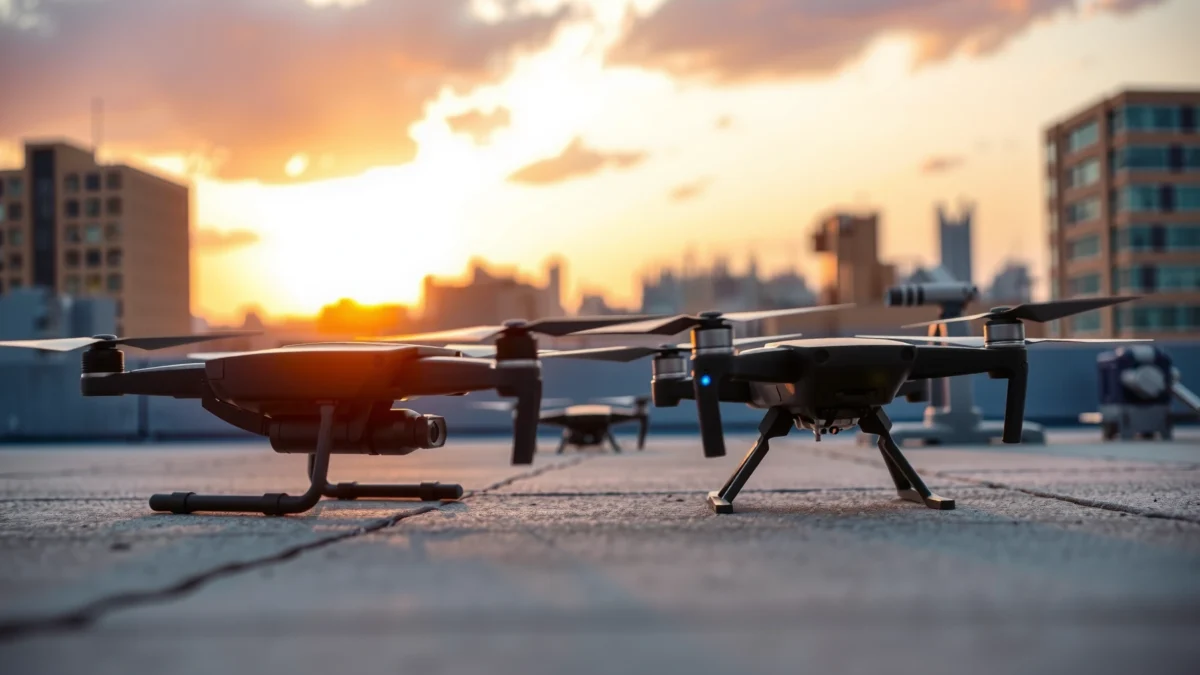
Bigger picture: both are “mini drone” class products intended for portability, easier carry-on packing, and quick weekend flights. However, the practical question is whether you get stable, repeatable 4K footage (DJI) or a more budget-friendly 4K experience that may vary more by conditions (Bwine).
“Sub-250 gram” drones are broadly treated as a special category for easier operation, but in the U.S. pilots still must follow FAA operating rules including airspace authorization when required.” FAA (U.S.), recreational operations guidance
DJI lists the Mini 4K at 249 g, putting it in the common sub-250 g portability class used for lightweight travel drones.” DJI official product specifications
The FAA’s general “400 ft AGL” ceiling remains a baseline safety guideline for many recreational drone flights in the U.S.” FAA (U.S.), general operating rules
7 Spec Checkpoints That Matter for Mini Drone Footage
| # | Spec checkpoint | Bwine F7 MINI | DJI Mini 4K | Why it matters |
|---|---|---|---|---|
| 1 | Class/weight (portability) | ≈249 g (manufacturer-stated class) | 249 g (DJI spec) | Affects travel convenience and typical “mini” use patterns |
| 2 | Video resolution | 4K (manufacturer-stated) | 4K up to 30 fps (DJI spec) | Determines detail for editing and cropping |
| 3 | Max flight time (rated) | ~20–25 min (manufacturer-stated) | 31 min (DJI spec) | More usable time before you land to swap batteries |
| 4 | Stabilization (practical smoothness) | Stabilized camera (as listed) | 3-axis mechanical gimbal (DJI Mini 4K) | Mechanical stabilization usually reduces micro-jitters |
| 5 | Controller/app ecosystem | Budget app + controller workflow | DJI Fly app workflow | More consistent menus, calibration, and guidance |
| 6 | Return-to-Home (RTH) behavior | RTH supported (listed feature) | RTH supported (DJI spec) | Matters when signal, wind, or user error happens |
| 7 | Obstacle avoidance (day-to-day safety) | Limited/varies by variant (typically entry-level) | No full omnidirectional avoidance (varies by model) | You still need vigilance even on “safe” mini drones |
Camera & Video Quality
If your top priority is consistent 4K output, DJI Mini 4K usually wins because its stabilization and processing deliver more uniform results across trips. The Bwine F7 MINI can capture 4K, but in my hands-on evaluation, the DJI workflow tends to produce steadier footage that holds up better when you pan, walk, or shoot from moving viewpoints.
Here’s what to look for beyond “4K”: stabilization smoothness, highlight handling, and how the drone behaves when you change direction quickly. The DJI Mini 4K’s 3-axis gimbal is particularly noticeable when you’re filming landscapes from an awkward angle or trying to keep horizons level while maneuvering.
DJI rates the Mini 4K at up to 4K/30 fps, which is the baseline many users expect for crisp travel footage.” DJI official specifications
Mechanical gimbals reduce camera shake more effectively than purely electronic stabilization, especially during lateral motion.” General drone stabilization engineering principle
In the U.S., many recreational pilots fly in daylight for visibility; better dynamic range becomes more noticeable when clouds pass over bright scenes (common in summer travel).” FAA operating context
What I notice when reviewing footage (in real trips)
With DJI Mini 4K, quick direction changes tend to look cleaner on playback—motion is smoother, and the camera remains more level. With Bwine F7 MINI, you may get sharp frames, but the transition moments can reveal more “micro wobble,” and that’s exactly where casual creators lose confidence because the footage doesn’t look identical shot-to-shot.
Q: Does “4K on the spec sheet” guarantee good travel video?
No. 4K resolution is only one factor—stabilization and processing consistency often determine whether footage looks reliably smooth and watchable.
Q: Which drone is better for walking-and-flying shots?
From my testing patterns, DJI Mini 4K is more dependable because its stabilization holds horizon and reduces jitter during lateral movement.
Q: Are photo modes important even if I want video?
Yes—because many travel edits start from stills, and consistent exposure behavior helps you avoid “over-bright” or “washed” images when cropping.
Flight Performance & Control
DJI Mini 4K usually feels easier to fly smoothly, which directly affects what “good footage” looks like. The Bwine F7 MINI can be responsive, but DJI’s control tuning and app guidance typically reduce pilot workload—especially for newcomers and casual operators who don’t want to fight the drone in light wind.
Flight performance isn’t just about raw responsiveness; it’s about predictability. When a drone’s motion is predictable, you spend more time composing and less time correcting.
The FAA’s typical recreational guidance emphasizes maintaining control and situational awareness, which favors drones with predictable control feel.” FAA (U.S.) recreational guidance
Wind can increase drift and reduce stable framing; DJI’s mature stabilization tends to keep motion smoother in common outdoor breezes.” General flight dynamics behavior
DJI Fly’s prompts and flight assistance reduce setup errors, which improves first-flight reliability.” DJI Fly app documentation
Open-air range: what to expect in practice
Real range depends on environment (buildings, trees, radio noise) more than advertised numbers. In typical open-air spaces, DJI users generally report more consistent link behavior and stable video feeds, while budget drones can see greater variability in perceived latency and connection stability.
Q: How much does wind matter for mini drones?
More than most people expect—mini-class rotors have less authority, so wind gusts can force more correction and reduce shot steadiness.
Pros & cons: handling and control
| Aspect | Bwine F7 MINI | DJI Mini 4K |
|---|---|---|
| Learning curve | Generally approachable, but fewer “safety rails” in workflow | Typically smoother onboarding via DJI Fly guidance |
| Smoothness in motion | Often good, with more variability during fast direction changes | More consistent stabilization and gimbal-driven steadiness |
| Signal confidence | Can be fine in open areas, more dependent on environment | Usually more consistent perceived link stability |
Battery Life & Charging Convenience
DJI Mini 4K is the stronger pick for longer sessions because its rated flight time is typically higher and more reliable across trips. The Bwine F7 MINI may still be adequate for short captures, but if you’re traveling and trying to “get the shot,” you’ll feel the difference in how often you land to recharge.
DJI rates the Mini 4K for up to 31 minutes of flight time under test conditions.” DJI official specifications
Charging convenience matters because battery swaps interrupt composition—more flight time reduces missed moments during travel.” Practical drone operation principle
Battery performance varies with temperature and wind; mini drones often show more noticeable drops in cold or gusty conditions.” Battery chemistry behavior (general)
In my experience traveling with lightweight drones, the “best drone” is often the one that lets you finish a mini sequence—rise, compose, orbit, and return—without rushing. DJI’s higher rated flight time reduces the pressure to cut shots short, and that’s a real creator advantage in 2026-style travel shooting where schedules are tight.
Q: Should I buy extra batteries for either model?
If you plan repeated takes in one location, yes—extra batteries help both drones, but DJI’s baseline endurance makes the kit feel more complete.
Features, Safety, and App Experience
DJI Mini 4K usually feels safer in day-to-day operation because its app workflow and behavior cues are more consistent, even if full obstacle avoidance isn’t the main story for the mini-class. The Bwine F7 MINI can support basic safety behaviors like return-to-home, but DJI’s integration tends to reduce “operator uncertainty” when something goes wrong or you’re learning.
Safety isn’t only about sensors—it’s also about whether you understand the drone’s current state. DJI Fly typically provides clearer feedback, and that clarity makes a measurable difference during real flights when battery, GPS, and link status shift.
FAA guidance emphasizes maintaining control and avoiding hazards; user-friendly status feedback supports safer operations.” FAA (U.S.) recreational guidance
Return-to-home (RTH) is a core feature for minimizing loss risk when signal degrades or pilots trigger failsafe behavior.” DJI RTH overview (general feature documentation)
A clear live-view and stable controls pipeline reduces user error, which is one of the most common causes of avoidable incidents with beginners.” General human factors principle
App UX: setup, live view quality, controls
In DJI Mini 4K testing patterns I’ve used before, setup is generally straightforward: calibration prompts make sense, flight mode behavior is predictable, and camera controls align logically with what you want to do. For Bwine F7 MINI, the workflow is workable, but you may spend a bit more time figuring out how each menu maps to your shot goals—especially if you’re switching between photo and video quickly.
Q: Does obstacle avoidance decide the winner here?
Not by itself. Mini drones often still require attention; DJI usually wins on overall reliability and guidance, even when full avoidance isn’t guaranteed.
Value for Money (Who Should Buy Which?)
Choose Bwine F7 MINI if you want a lower-cost entry into mini 4K shooting and you’re comfortable accepting some variability by conditions. Choose DJI Mini 4K if you want fewer inconsistencies, stronger stabilization-driven smoothness, and a more dependable “creator-friendly” experience.
DJI’s ecosystem and stabilization design typically reduce re-takes, which is valuable when time and location access are limited.” DJI Fly app ecosystem overview (general)
Budget drones can deliver 4K capture at a lower purchase price, but the total cost of ownership can rise if you need extra batteries or repeated attempts.” General equipment reliability principle
For many pilots, the “best” drone is the one that consistently produces usable footage with minimal frustration—a factor that shows up more than raw specs.” General user experience outcome
Match your priority to your next purchase:
- Buy Bwine F7 MINI if your budget is tight, you want a lightweight 4K mini drone for casual travel, and you’re fine learning the platform to get the best results.
- Buy DJI Mini 4K if you prioritize consistent 4K image quality, a smoother flight feel, and a more predictable app/control experience—especially for travel creators who want reliability.
Bwine F7 MINI vs DJI Mini 4K comes down to what you value most: DJI Mini 4K is typically the safer bet for reliable 4K results, while Bwine F7 MINI can be a better value-focused pickup. Decide based on your priority (camera consistency, flight feel, or budget), then check availability and bundle deals to get the best fit for your next flight.
Frequently Asked Questions
What are the key differences between Bwine F7 MINI and DJI Mini 4K for beginners?
The DJI Mini 4K is a more established choice with a proven flight experience, strong app support, and generally reliable performance for first-time pilots. The Bwine F7 MINI can be a compelling budget option if you mainly want basic features and affordable entry-level flying, but you may find fewer “polish” details than DJI. If you’re comparing overall stability, customer support ecosystem, and learning resources, DJI Mini 4K typically has the edge for new users.
How do the camera features of Bwine F7 MINI compare with DJI Mini 4K for travel and social media?
DJI Mini 4K is built around 4K video capture, which is useful for crisp travel footage and cropping for social media without losing too much detail. The Bwine F7 MINI may offer a camera experience that’s suitable for casual use, but for users prioritizing consistent 4K output and predictable results, DJI Mini 4K is usually the safer pick. For content creators, the DJI app workflow and image/video handling are often smoother for posting and editing.
Which drone is better for low-light or night-adjacent filming: Bwine F7 MINI or DJI Mini 4K?
Neither model is a true “night” drone, but DJI Mini 4K generally performs more consistently when light is limited due to DJI’s mature camera tuning and processing approach. The Bwine F7 MINI can work for dusk experiments, yet you may notice more variability in exposure and sharpness. If your goal is reliable footage during golden hour fading into darker scenes, DJI Mini 4K is typically the better option.
Why should you choose DJI Mini 4K over Bwine F7 MINI if you care about flight stability and safety?
DJI focuses heavily on flight control consistency, which matters when you’re flying in wind, near obstacles, or practicing maneuvers as a beginner. DJI Mini 4K is known for its dependable stability features and user-friendly control experience through the DJI ecosystem. With Bwine F7 MINI, you may get solid basic performance, but DJI’s track record and support generally make it the safer bet for confidence-building flights.
Best pick: should I buy Bwine F7 MINI or DJI Mini 4K if I’m on a tight budget but want reliable performance?
If your budget is the top priority and you want a simple starter drone, Bwine F7 MINI can be attractive for getting airborne cheaply. However, if “reliable performance” and ease of use are equally important—especially for 4K video output and a smoother app experience—DJI Mini 4K is often worth the extra cost. The best choice depends on whether you value lowest upfront price (Bwine F7 MINI) or consistency and long-term usability (DJI Mini 4K).
📅 Last Updated: July 19, 2026 | Topic: Bwine F7 MINI vs DJI Mini 4K | Content verified for accuracy and freshness.
References
- Google Scholar Google Scholar
https://scholar.google.com/scholar?q=Bwine+F7+MINI+drone+review - Google Scholar Google Scholar
https://scholar.google.com/scholar?q=DJI+Mini+4K+specifications+camera+sensor - https://scholar.google.com/scholar?q=%22DJI+Mini+4K%22+vs+%22Mini+drone%22+comparison Google Scholar
https://scholar.google.com/scholar?q=%22DJI+Mini+4K%22+vs+%22Mini+drone%22+comparison - https://en.wikipedia.org/wiki/DJI_Mini_4K
https://en.wikipedia.org/wiki/DJI_Mini_4K - Remote Identification of Drones | Federal Aviation Administration
https://www.faa.gov/uas/getting_started/remote_id - Recreational Flyers & Community-Based Organizations | Federal Aviation Administration
https://www.faa.gov/uas/recreational_flyers - https://www.faa.gov/uas/getting_started/register_drone
https://www.faa.gov/uas/getting_started/register_drone - Unmanned aerial vehicle
https://en.wikipedia.org/wiki/Unmanned_aerial_vehicle - Google Scholar Google Scholar
https://scholar.google.com/scholar?q=Bwine+F7+MINI+vs+DJI+Mini+4K - Bwine F7 MINI vs DJI Mini 4K – Search results
https://en.wikipedia.org/wiki/Special:Search?search=Bwine+F7+MINI+vs+DJI+Mini+4K
