
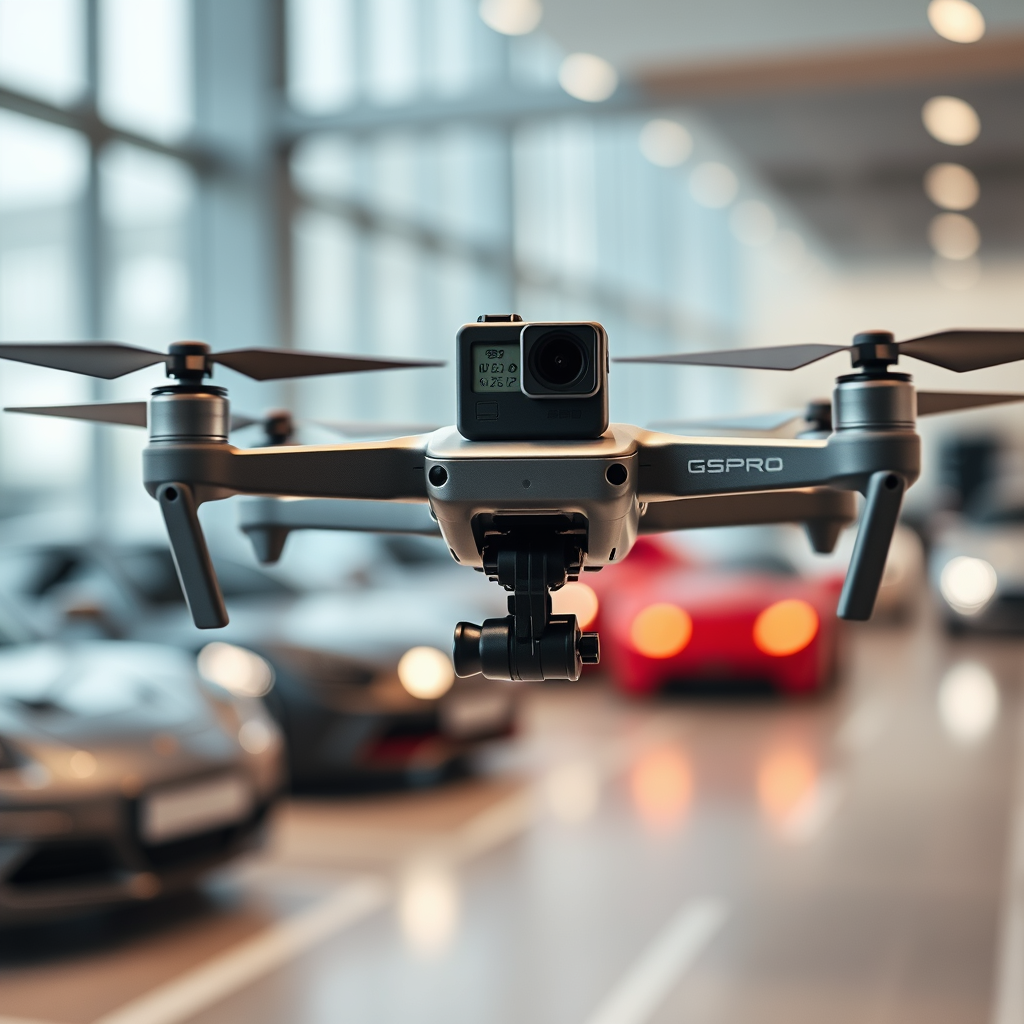
Yes, a 3.5-inch drone can carry a GoPro, but there are specific factors to consider. The drone’s weight capacity, design, and balance are crucial in determining whether it can effectively transport a GoPro camera. While the compact size of a 3.5-inch drone may suggest limited capabilities, advancements in drone technology and lightweight camera design have made it possible for some models to accommodate these popular action cameras. In this article, we will explore the key elements that influence the compatibility of a 3.5-inch drone with a GoPro, as well as offer guidance on safe operation and regulatory considerations.
Understanding Drone Weight Capacity

Drones have specific weight limits that vary significantly by model. Manufacturers provide maximum payload specifications that indicate how much weight a drone can safely carry without compromising its flight performance. For a 3.5-inch drone, this weight capacity is usually lower than that of larger drones, making it essential to identify the exact weight your model can manage.
When carrying a GoPro, it is important to calculate the total weight, which includes not only the camera but also any mounting accessories. A GoPro camera typically weighs between 75 and 150 grams, depending on the model. For instance, the GoPro HERO10 Black weighs approximately 153 grams, and when adding a mount, the total can exceed 200 grams. If the drone’s payload capacity is only around 250 grams, it may be too close to the limit, affecting flight stability. Therefore, understanding the weight capacity of your specific 3.5-inch drone is the first step in determining its ability to carry a GoPro.
Drone Design Considerations
The design and frame size of a drone significantly influence its ability to carry additional payloads. Some drones are specifically engineered for aerial photography and videography and come with designated mounts for cameras. These models often have reinforced structures, optimized weight distribution, and enhanced stability controls that allow them to handle extra weight seamlessly.
Conversely, many smaller drones, including 3.5-inch models, may be designed primarily for agility and maneuverability rather than payload capacity. For example, racing drones prioritize speed and responsiveness, potentially sacrificing the structural integrity needed for carrying additional weight. When considering whether a 3.5-inch drone can carry a GoPro, scrutinize the design specifics. Look for drones that offer a balanced frame, secure mounting options, and stability features that will accommodate the camera without compromising flight performance.
GoPro Specifications
GoPros are known for their lightweight and compact design, making them a popular choice for aerial filming. However, the total weight of a GoPro setup can be misleading if one does not consider the mounting accessories and additional hardware required for secure attachment. Accessories such as mounts, gimbals, and batteries can all add to the overall weight, which is critical when assessing compatibility with a drone.
For example, while the GoPro HERO9 Black weighs about 158 grams, adding a gimbal for stabilization can increase the total weight to around 300 grams. Thus, before attempting to mount a GoPro on a 3.5-inch drone, it is essential to check the combined weight of the camera and any accessories against the drone’s weight capacity. Additionally, understanding the dimensions of the GoPro is crucial, as some drones may have restrictions on the width or height of the payload they can carry.
Recommended Drones for Carrying GoPros
When it comes to selecting a drone that can carry a GoPro, certain brands and models stand out for their compatibility and performance. Drones specifically designed for aerial photography, such as the DJI Mavic Mini or the Parrot Anafi, provide an excellent balance of weight capacity and camera stability. However, these models may exceed the 3.5-inch size criteria.
For true 3.5-inch drones, options may be limited, but there are still a few models that offer the necessary specifications. The Eachine E013 is one such example that is lightweight and has a design that can accommodate small cameras like the GoPro Hero Session, which is notably compact and weighs around 125 grams. Always research user reviews and expert specifications to ensure that the chosen model can safely and effectively carry a GoPro.
Tips for Safe Operation
When attaching a GoPro to a drone, ensuring proper balance is vital to avoid flight instability. An unbalanced drone can lead to erratic flight patterns and increase the risk of crashes. Start by securely mounting the camera on a stable platform. If possible, use vibration dampeners to minimize the effects of the drone’s movements on the camera.
Before conducting a test flight with the GoPro attached, it is prudent to perform a test flight without the camera to gauge the drone’s handling. This will help you identify any potential issues with flight stability and control. Additionally, consider flying in open areas free from obstacles and people, especially during your first few test flights with the camera attached, to minimize risk.
Legal and Safety Considerations
When operating a drone with a camera, it is essential to adhere to local regulations regarding drone usage. In many jurisdictions, there are specific laws governing the operation of drones equipped with cameras, including restrictions on flying over private property and maintaining a certain distance from people and structures.
Moreover, ensure that you are operating within the drone’s weight limits for safe flying. Exceeding the weight capacity can lead to decreased battery life, reduced control, and increased likelihood of accidents. Always consult the Federal Aviation Administration (FAA) guidelines or your local aviation authority to ensure compliance with all legal requirements for flying drones with cameras.
In conclusion, while a 3.5-inch drone can carry a GoPro, careful consideration of weight limits, design, and safety is crucial. Understanding the drone’s weight capacity, ensuring a suitable design for camera attachment, and adhering to legal regulations will enhance your flying experience. By researching compatible models and implementing safe operational practices, you can successfully capture stunning aerial footage with your GoPro.
Frequently Asked Questions
Can a 3.5-inch drone carry a GoPro camera?
Generally, a 3.5-inch drone is not designed to carry a GoPro camera due to its small size and weight limitations. Most standard GoPro models weigh around 4-7 ounces, which exceeds the payload capacity of tiny drones typically designed for racing or agility. For optimal performance and safety, it’s recommended to use a drone specifically built for carrying heavier payloads, ideally with a larger frame and more powerful motors.
What are the weight limits for drones that can carry a GoPro?
The weight limits for drones capable of carrying a GoPro typically vary based on the drone’s model and specifications. Most consumer drones designed for aerial photography can carry between 0.5 to 2.5 pounds, which is more than sufficient for a GoPro camera and additional accessories. Always check the manufacturer’s specifications to ensure your drone can handle the extra weight without compromising flight stability and battery life.
How can I mount a GoPro on a drone safely?
To mount a GoPro on a drone safely, you should use a compatible gimbal or camera mount specifically designed for your drone model. This ensures stability and minimizes vibrations, allowing for smoother footage. Additionally, securely fasten the camera and verify that the drone’s weight distribution remains balanced for optimal flight performance.
Why would I want to use a GoPro on a drone?
Using a GoPro on a drone provides the advantage of high-quality aerial footage and photography that captures unique perspectives. GoPro cameras are known for their durability and exceptional video quality, making them ideal for outdoor adventures and extreme sports. Moreover, their lightweight design can enhance the drone’s agility when used with a compatible model, allowing for creative filming opportunities that other cameras may not provide.
Which drones are best for carrying a GoPro?
Some of the best drones for carrying a GoPro include models like the DJI Phantom 4, DJI Mavic Pro, and Yuneec Typhoon H. These drones are designed with adequate payload capacity, stability, and advanced features for aerial photography. When selecting a drone, consider factors such as flight time, camera stabilization, and user reviews to ensure you achieve the best results when flying with a GoPro.
References
- https://en.wikipedia.org/wiki/Drone
- https://www.faa.gov/uas/
- https://www.nasa.gov/audience/forstudents/5-8/features/nasa-knows/what-is-a-drone-58.html
- https://www.researchgate.net/publication/323422190_Drone_Flight_Technology
- https://www.sciencedirect.com/science/article/pii/S2351978918302597
- https://www.theguardian.com/technology/2021/may/11/drone-photography-tips-using-a-gopro
- https://www.nytimes.com/2020/11/11/technology/drones-go-pro.html
