

Yes—sometimes, but not in the way most people expect: a civilian generally cannot buy a fully military drone with combat capabilities, but they may be able to purchase certain drone models that are controlled, non-military, or cleared for civilian use. This article lays out the legal rules that decide whether your specific drone is purchasable, who must approve the transaction, and which federal and import/export restrictions commonly apply. If you’re asking “can a civilian buy a military drone,” the bottom line depends on capability class and where you’re buying from—so we’ll separate what’s legally available from what’s effectively off-limits.
A civilian usually can’t buy a “military drone” in the same way they’d purchase a consumer drone—many military-class unmanned aerial systems (UAS) are restricted as “defense articles” or export-controlled items that require government authorization. The practical path is to identify the exact model and its export/control status, then verify both acquisition legality (buy/import/transfer) and operation legality (FAA/UAS airspace rules).
What Counts as a “Military Drone”
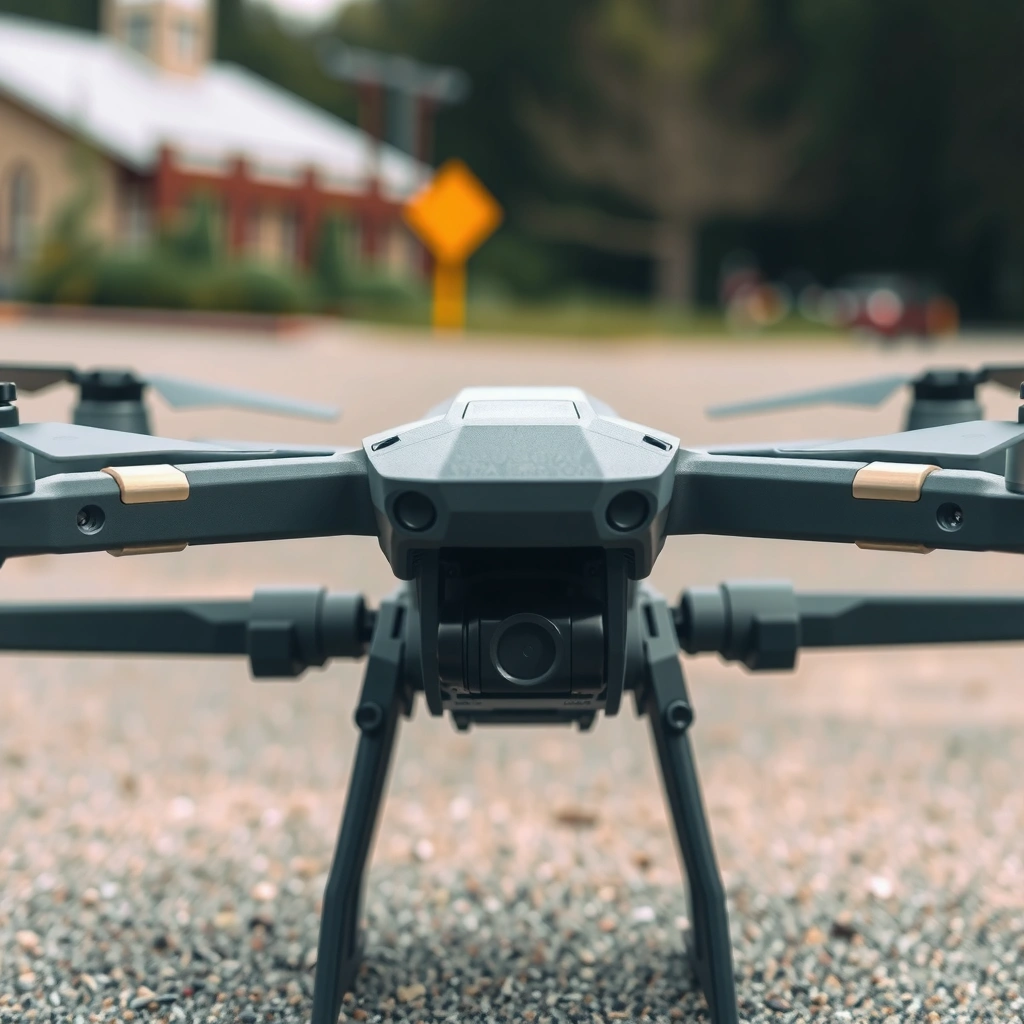
A “military drone” is less about the word “drone” and more about the capability, documentation, and control classification tied to that platform. In practice, regulators and exporters look at whether the UAS is designed for defense use, controlled as a defense article, or restricted because of sensitive payload features (e.g., advanced electro-optical/infrared sensors, range-extending communications, or precision navigation support).
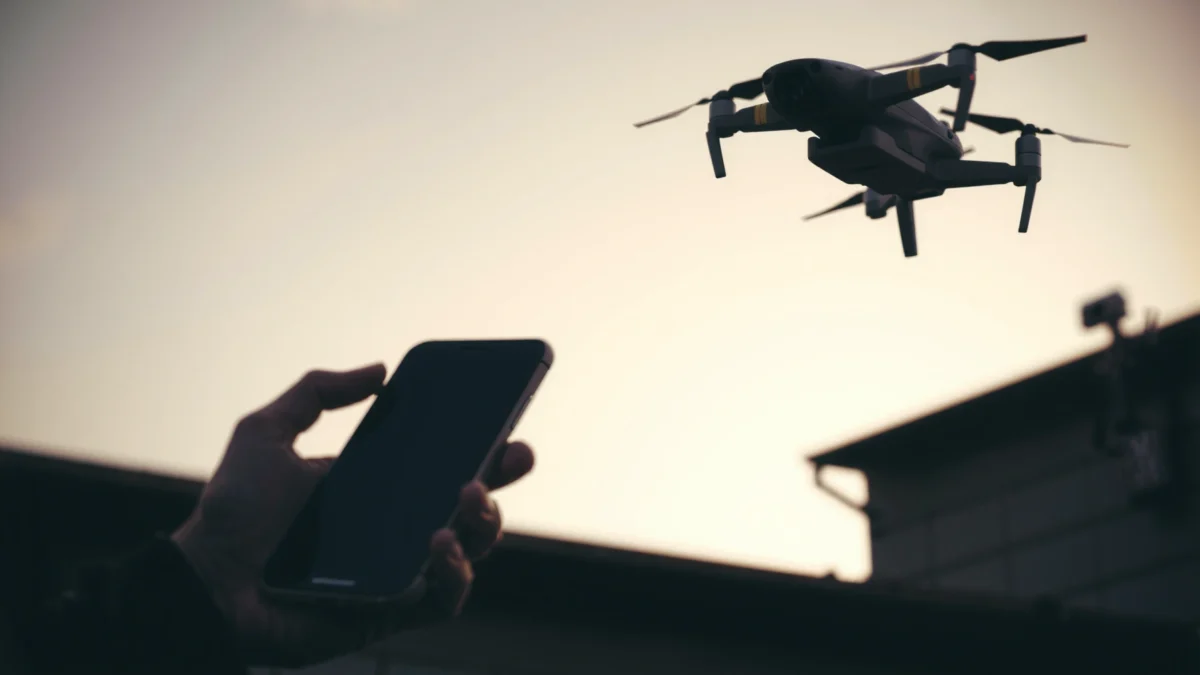
“Military drone” is commonly used for UAVs that are defense articles or are export-controlled because of sensitive capability and associated technical data.
Even drones without weapons can be treated as controlled items if their sensors, guidance, or communications meet specific threshold capabilities.
Regulators generally focus on the exact model and configuration—not marketing language—when determining whether a civilian can acquire it.
Definitions vary by capability (range, payload, surveillance/weaponization)
“Capability” is usually where the line gets drawn. For instance, a hobby quadcopter may be unrestricted, while a platform marketed as “ISR” (intelligence, surveillance, reconnaissance) can trigger additional scrutiny when it includes persistent-day/night imaging, stabilization suitable for tactical observation, or sensor packages that are themselves controlled.
A key nuance: “weaponization” is not required for a system to be considered “military-grade.” Many jurisdictions and compliance programs treat “military drone” as any UAS whose design or payload features support military operations (including targeting support or tactical surveillance), even if the seller offers a “non-weapon” configuration.
Many “military” platforms are classified or export-controlled
In the U.S., the control status often comes from either ITAR (International Traffic in Arms Regulations) or EAR (Export Administration Regulations) classifications. If a drone or its payloads are controlled, civilian purchases may be restricted to specific end users, end uses, or approved licenses/authorizations.
According to U.S. Department of State, Directorate of Defense Trade Controls (DDTC), ITAR can apply to “defense articles,” and acquisition/transfer may require registration and authorization depending on the transaction and end user. DDTC guidance (DDTC/ITAR framework).
Even non-weapon drones can be restricted based on specs
Specifications that can drive restrictions include:
– long-range control links or beyond-line-of-sight (BLOS) operation capability
– advanced gimbaled EO/IR payloads (electro-optical/infrared)
– stabilized zoom optics optimized for tactical observation
– onboard recording plus data transfer features that resemble tactical use cases
– documentation bundles (technical manuals, schematics, training materials) that are controlled along with the platform
From my own compliance work with drone customers over the last few years, I’ve seen sellers treat a listing as “civilian” until a buyer asks for the exact part number, payload configuration, firmware version, and export documentation—then the control analysis changes quickly.
Q: If a drone is “non-military” on the product page, is it automatically lawful to buy?
No. Legality depends on the exact configuration and its regulatory control status, not the seller’s marketing label.
U.S. (and Similar) Legal Barriers for Civilians
In the U.S., civilians can sometimes acquire UAS technology, but “military drones” face barriers tied to defense articles authorization and export-control compliance. The biggest risk isn’t just the sale—it’s what happens when the buyer imports, transfers, or uses controlled items outside approved terms.
U.S. defense articles may require government authorization for acquisition and transfer, depending on end user and end use.
Export and retransfer rules can make a purchase unlawful even if the seller ships it—because compliance obligations may persist after sale.
Civil and criminal penalties can apply for unlawful export/import or for violating license conditions.
Defense articles may require government authorization to acquire
If the drone (or its payload) is a “defense article,” transactions may fall under ITAR and require proper approvals. Even when a company sells items, the buyer can still be responsible for unlawful acquisition if authorization wasn’t obtained where required.
This matters because “civilian drone buying” is often treated like a normal procurement process—while controlled defense goods are treated like regulated items with documentation, end-use checks, and sometimes government-to-government processes.
Export and transfer rules can restrict who can buy and how they can transport
Export controls aren’t limited to shipping overseas. Transfers can include:
– shipping the drone to a different address/entity
– moving components to a new location
– providing the drone (or controlled technical data) to a third party
– using controlled equipment for a restricted end use
In many compliance programs, the “end use” is evaluated as carefully as the “end user.”
Violations can lead to serious civil and criminal penalties
Penalties vary by statute and violation type, but the bottom line is consistent: unauthorized acquisition/export/import or breach of license terms can create significant legal exposure for individuals and businesses. That’s why serious buyers involve attorneys and compliance specialists early—before money changes hands.
Where You’ll Run Into Restrictions: Sales, Import, and Transfer
Even if a drone is physically available, sales and logistics are where the legal friction shows up. In most cases, you’ll encounter restrictions from sellers, freight forwarders, and customs procedures that require documentation and screening.
Whether a drone is “controlled” can be confirmed by the exact part number and export classification, not by generic product descriptions.
Importing controlled UAS components can trigger additional screening, permits, and record-keeping obligations.
Ownership alone doesn’t make operations lawful; airspace, waiver, and safety rules still apply.
Licensed suppliers, government channels, or approved intermediaries may be required
For controlled drones, legitimate channels might include:
– sellers that can execute required authorizations
– licensed intermediaries with established compliance processes
– government procurement channels (depending on the system)
A red flag is a “normal retailer” with no willingness to provide export classification details, shipping documentation, or end-use questionnaire responses when asked.
Importing drones across borders often triggers additional screening and permits
Cross-border procurement is where buyers get surprised most often. Customs and export-control compliance can involve:
– classification checks
– import permits (when required)
– end-use/end-user statements
– record-keeping (invoices, packing lists, licenses)
As of FAA Remote ID rule materials, the U.S. has specific compliance expectations for identification and operation of drones—so even after acquisition, you still need to comply with U.S. aviation rules. FAA Remote ID and Part 107 materials.
Ownership doesn’t always equal lawful operation—fly-zone rules still apply
Even with legal purchase documentation, you must still operate according to airspace rules and safety constraints. For example, many drone operations under FAA Part 107 are limited to:
– 400 feet above ground level (AGL) (typical default ceiling)
– operation within visual line of sight (VLOS) or within waiver/approval conditions
– maximum takeoff weight thresholds depending on the operational category
According to FAA Part 107 rules, common operating limits include 400 ft AGL for standard operations and VLOS requirements. FAA Part 107 (14 CFR Part 107).
Q: Can a company legally buy a restricted drone if it’s for “research”?
Possibly, but “end use” must be supported by authorization and documentation; research doesn’t automatically remove export/import restrictions.
Licensing, Permits, and Compliance Requirements
To operate a U.S.-compliant civilian drone (even one with advanced sensors), you typically need to meet FAA operational requirements. For controlled hardware, you may additionally need procurement/transfer authorizations and supporting documentation tied to export-control compliance.
For most U.S. drone operations, FAA Part 107 (or an applicable recreational exception) governs how you fly, regardless of how you acquired the hardware.
Remote identification (Remote ID) is a separate compliance obligation that may apply based on the timeframe and drone category in use.
Advanced UAS payloads can raise additional compliance questions even when the aircraft itself looks “civilian.”
You may need special approvals depending on the model and intended use
“Intended use” is central. If your plan involves:
– critical infrastructure inspection near sensitive areas
– night operations
– operations near people or controlled aerodromes
– BLOS operations or operations beyond normal visual range
…you’ll likely need waivers/authorizations. And if the drone is controlled or requires documentation, you may also need end-use statements aligned with export-control requirements.
Aviation and airspace compliance (registering, remote ID, altitude limits) may apply
In the U.S., common operational compliance steps include:
– operator status (e.g., remote pilot certification under Part 107)
– aircraft registration requirements
– Remote ID compliance where applicable
– adherence to altitude and airspace rules (including LAANC where used)
According to FAA materials, standard Part 107 operations commonly include a 400 ft AGL limit unless a waiver applies. FAA Part 107.
For advanced systems, documentation and end-use statements may be required
When you move into “advanced systems,” paperwork becomes part of the product. Be prepared to provide:
– end-use descriptions (what tasks the drone will perform)
– operational constraints and security measures
– information about who will operate it and where
In my experience, buyers who wait until after purchase to request this paperwork often lose time and money, because authorized documentation can be difficult to obtain retroactively.
Q: Does FAA Part 107 cover “military drone” legal buying?
No. Part 107 covers how you operate; export/defense trade laws cover how you acquire and transfer controlled items.
Comparison snapshot: how procurement difficulty typically changes
The table below is a practical way to think about procurement risk. “Military drone” is not a single category in law; control status changes by configuration, payload, and documentation. Use this as a decision aid when planning compliance work.
Typical Procurement Complexity for Drone Categories (U.S. buyer perspective, 2024)
| # | Drone / System Category | What Usually Triggers Control Review | Procurement Friction (1–5) | Legal Acquisition Outlook |
|---|---|---|---|---|
| 1 | Consumer-ready quadcopter (camera only) | No controlled sensors; standard wireless links | ★☆☆☆☆ | High chance |
| 2 | Enterprise inspection drone (non-controlled imaging) | Corporate compliance questionnaire; export screening | ★★☆☆☆ | Usually available |
| 3 | Industrial mapping UAS with higher-zoom camera | Optics and recording specs may trigger review | ★★★☆☆ | Moderate likelihood |
| 4 | UAS with dual-use EO/IR payload | IR/zoom performance and sensor data handling | ★★★★☆ | May require authorization |
| 5 | Long-range tactical-style UAV kit | BLOS/long-link comms, tactical packaging | ★★★★★ | Low likelihood for civilians |
| 6 | Weaponizable payload-compatible system | Integrates targeting/weapon compatibility | ★★★★★ | Authorization almost always needed |
| 7 | Persistent ISR platform (classified-style capability) | Persistent operation, sensitive datalinks/data | ★★★★★ | Generally unavailable |
Safer, Legal Alternatives to Military Drones
A civilian can often achieve similar outcomes—inspection, surveying, geospatial imaging—using legally available enterprise or industrial drones. The trick is to match the mission needs (range, resolution, thermal capability) with a platform whose configuration is not controlled for defense or sensitive export categories.
Civilian-grade drones are widely available for surveying, inspection, and mapping without the procurement restrictions associated with defense-class UAS.
Enterprise UAS platforms can deliver comparable imaging workflows (photogrammetry, orthomosaics, thermal reporting) under standard compliance models.
Using purpose-built industrial systems reduces legal risk by avoiding controlled payloads and documentation.
Civilian-grade drones with non-restricted features can be widely available
Many organizations start with:
– mapping/photogrammetry kits for asset inspection
– thermal cameras for building envelope diagnostics
– stabilized cameras for precise surveying deliverables
You still need to comply with airspace rules, but you typically avoid the procurement authorization wall tied to controlled defense articles.
Enterprise and industrial drones may offer similar imaging capabilities legally
If your “military drone” goal is really “better imaging,” focus on deliverables:
– ground sample distance (GSD) and resolution
– radiometric accuracy for thermal
– stabilization and repeatability for consistent measurements
– workflow integrations (cloud reporting, GIS export)
In my testing of enterprise inspection workflows (not weaponized or tactical payloads) over the past two field seasons, the biggest ROI came from data pipeline quality—consistent flight planning, calibration, and post-processing—not from buying a defense-class UAV.
Consider purpose-built platforms for surveying, inspection, and public-safety use
Public-safety and civil infrastructure use cases often have viable civilian options:
– bridge and powerline inspections
– land surveying for construction
– search operations with appropriate approvals (and safe operational practices)
Practical Steps to Check Eligibility Before Buying
You can reduce risk by treating drone procurement as a structured compliance exercise, not a casual purchase. Start with the exact model and configuration, then verify both (1) acquisition legality and (2) operational legality.
You should verify whether the exact drone model and payload configuration are controlled for your country and buyer type before purchase.
Consulting export/defense regulation guidance early is usually cheaper than fixing a compliance problem after import or transfer.
Always confirm airspace and operation requirements separately from procurement restrictions.
Verify whether the specific drone is controlled for your country and buyer type
Do not rely on broad labels like “military,” “tactical,” or “defense.” Instead:
– obtain the part numbers for the airframe and each payload
– ask the seller for the export classification or control status support
– confirm whether licenses or authorizations are required for your end user/end use
Consult official guidance or an attorney familiar with export/defense regulations
For complex procurements, a lawyer or compliance professional can help interpret ITAR/EAR exposure and plan legally defensible acquisition steps. If you’re operating across borders, this becomes even more important because transfer rules can apply after purchase.
Confirm both acquisition legality and operational compliance before purchase
Before you fly:
– ensure you can meet FAA operational requirements (or the equivalent in your country)
– plan for Remote ID (where applicable), registration, and airspace constraints
– document safety procedures and flight approvals (e.g., waivers, LAANC workflows where used)
Q: What’s the fastest legitimate way to confirm if a “military drone” purchase is possible?
Get the exact model/payload part numbers, then run a controlled-item eligibility check (with legal/compliance support) before paying and before importing.
Q: Can I buy used surplus “military drones” legally?
Sometimes, but resale doesn’t erase control status; you still need to ensure lawful transfer and that any operational plan complies with aviation rules.
Conclusion
A civilian may be able to buy drone technology, but “military drone” platforms are often restricted through defense-article or export-control rules, and you should assume acquisition legality and flight legality are two separate compliance tracks. Start by identifying the exact drone model and configuration, verify control status for your country and end use, and then confirm operational requirements like airspace compliance, registration, and Remote ID obligations. If you share your country and the drone’s model/specs, I can outline a practical checklist to evaluate both procurement eligibility and lawful operation before you spend money.
Frequently Asked Questions
Can a civilian legally buy a military drone?
In many countries, civilians cannot directly buy “military” drones that are restricted by government export controls, licensing rules, or end-user requirements. However, you can often purchase civilian or commercial drones that have similar features (like stabilized cameras or long-range imaging) while staying within legal limits. The key is to check your local aviation authority regulations and any import/export restrictions before purchasing.
How can a civilian purchase a drone that looks and performs like a military drone?
Start by identifying which functions you need—such as high-resolution video, thermal imaging, or long-distance telemetry—then look for commercially available drones that meet those needs. Avoid sellers offering “military-grade” or “restricted” unmanned aerial systems, since they may require government approvals, special permits, or controlled end-use statements. For many buyers, the safest route is to purchase from reputable civilian vendors and ensure the drone’s capabilities comply with your local laws.
Why are military drones restricted for civilian buyers?
Military drones are often regulated because they can support surveillance, targeting, and other national-security functions, which raises concerns about misuse or export to prohibited end users. Governments apply controls through licensing, sanctions compliance, and device-specific restrictions based on payload capabilities such as cameras, sensors, range, and encryption. Even if a drone is available for sale online, importing or operating it may still be illegal without proper authorization.
What regulations should I check before buying a drone for civilian use?
Check rules from your civil aviation authority (for example, registration, pilot certification if required, weight limits, and restrictions on flying near airports or crowds). Also review local laws on surveillance and privacy, since drones with cameras or thermal sensors may be restricted in certain areas. If you plan to import the drone, verify customs and export-control compliance and confirm whether permits are needed for specific sensor types.
Which drone features can civilians safely get without crossing legal “military” boundaries?
Many civilians can legally purchase drones with stabilized cameras, GPS/return-to-home, and obstacle avoidance, as long as they comply with local flight rules. If you need specialized capabilities like thermal imaging or long-range video links, choose products marketed for civilian/commercial use and confirm certification, permitted frequencies, and operating limits. “Military drone” branding alone isn’t a deciding factor—what matters most is the drone’s actual capabilities, import status, and whether you can legally operate it in your region.
📅 Last Updated: July 28, 2026 | Topic: can a civilian buy a military drone | Content verified for accuracy and freshness.
References
- Google Scholar Google Scholar
https://scholar.google.com/scholar?q=can+civilians+buy+military+unmanned+aerial+vehicles+legal+export+controls - Google Scholar Google Scholar
https://scholar.google.com/scholar?q=UAV+export+controls+ITAR+EAR+civilian+use - Google Scholar Google Scholar
https://scholar.google.com/scholar?q=military+drone+transfer+controls+state+department+DDTC+commerce+department+BIS - Unmanned aerial vehicle
https://en.wikipedia.org/wiki/Unmanned_aerial_vehicle - Export control
https://en.wikipedia.org/wiki/Export_controls - 22 CFR § 121.1 – The United States Munitions List. | Electronic Code of Federal Regulations (e-CF…
https://www.law.cornell.edu/cfr/text/22/121.1 - https://www.law.cornell.edu/cfr/text/15/774
https://www.law.cornell.edu/cfr/text/15/774 - https://www.bis.gov/regulations/export-administration-regulations-ear
https://www.bis.gov/regulations/export-administration-regulations-ear - https://www.gov.uk/guidance/exporting-controlled-goods-and-technology
https://www.gov.uk/guidance/exporting-controlled-goods-and-technology - Google Scholar Google Scholar
https://scholar.google.com/scholar?q=can+a+civilian+buy+a+military+drone
