
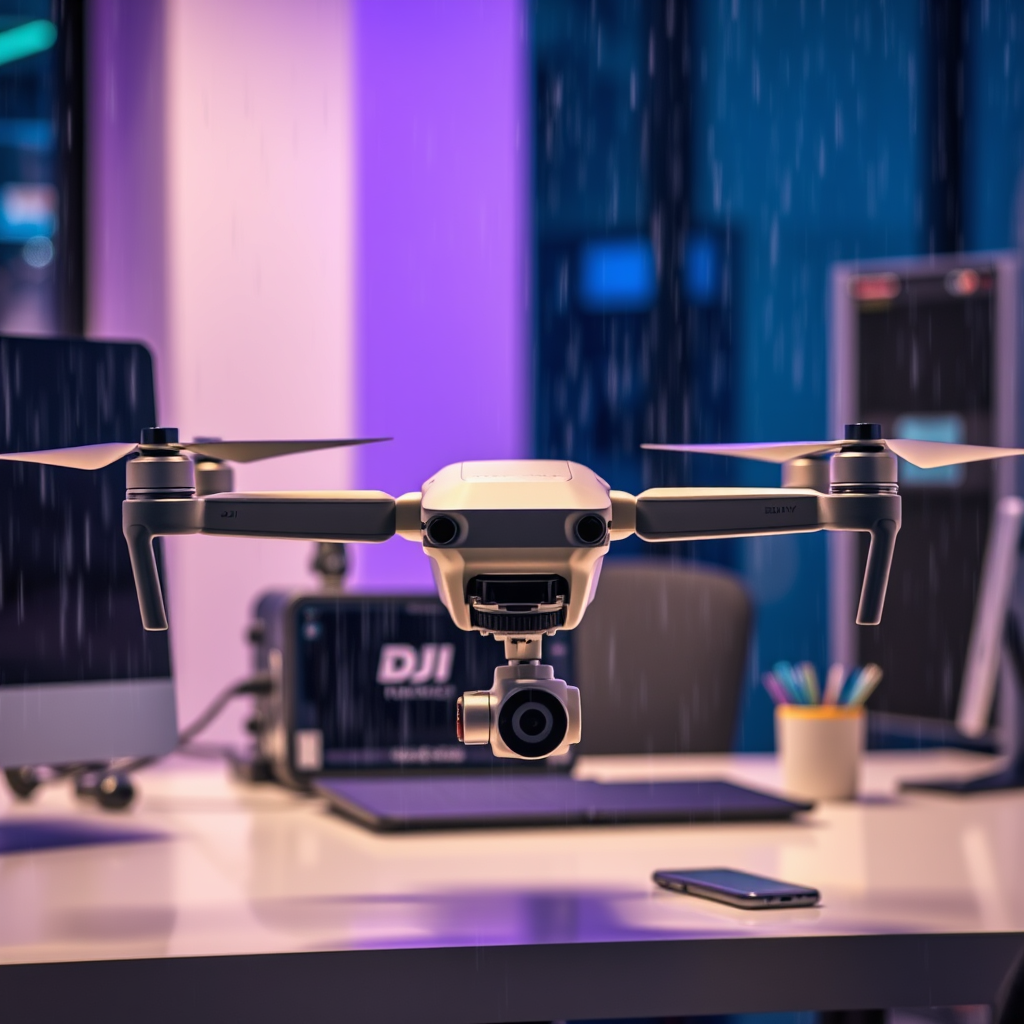
While DJI drones are not explicitly designed for wet weather, many models can handle light rain and moisture. However, it is essential to understand the limitations and potential risks involved. Rain can adversely affect drone performance, so pilots must remain vigilant about weather conditions, maintenance, and operational practices. In this article, we’ll explore the capabilities of DJI drones in rainy conditions, factors to consider, and best practices for drone operation in adverse weather.
Understanding DJI Drone Water Resistance
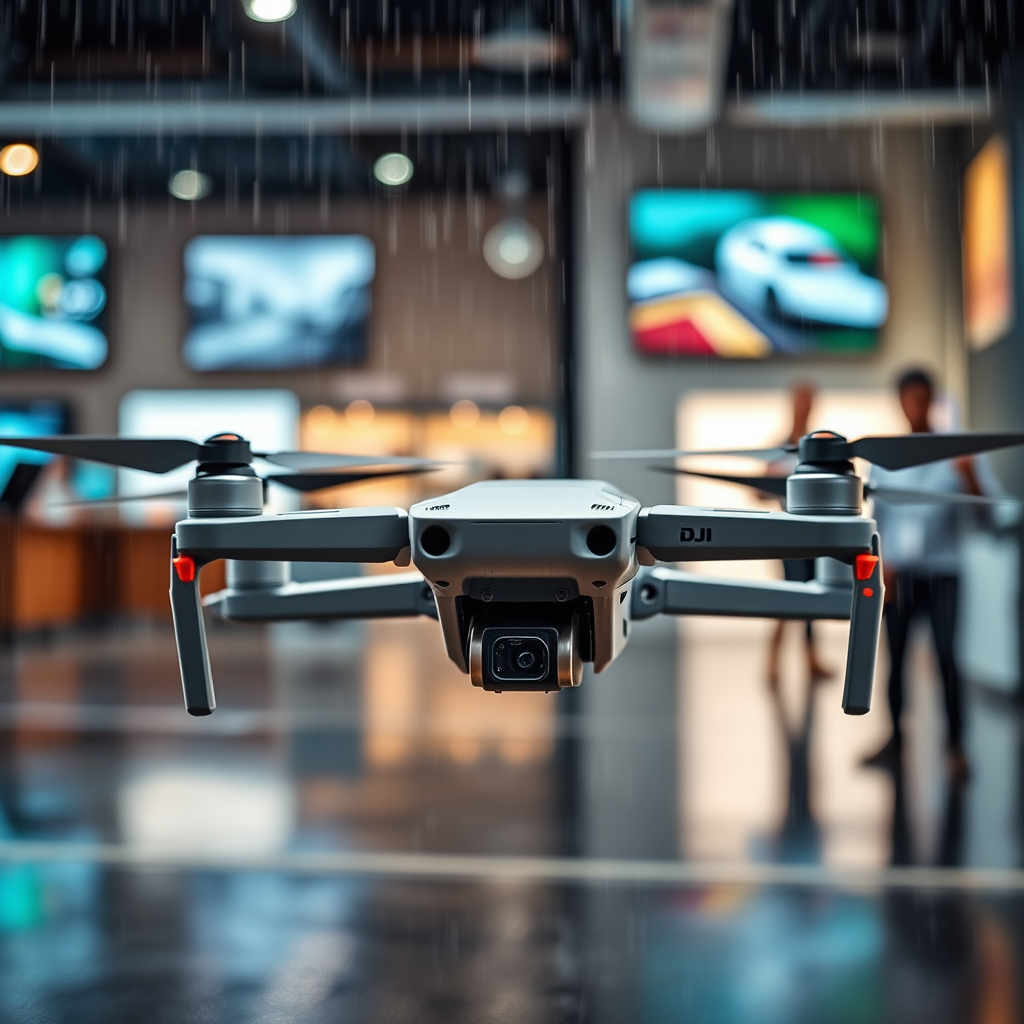
Most DJI drones feature varying degrees of water resistance, but it is critical to note that they are not waterproof. Water resistance ratings can differ significantly among models, with some being more adept at handling moisture than others. For example, the DJI Mavic 2 Enterprise has a higher water resistance rating than the Phantom 4 series, which may allow for more flexibility in light rain conditions.
When assessing your drone’s water resistance capabilities, it’s crucial to consult the specifications for your specific model. This information will provide insights into how resistant your drone is to moisture and the implications of flying in wet conditions. Moreover, pilots should familiarize themselves with the IP (Ingress Protection) rating of their drone, which indicates the level of dust and water resistance. While some drones may claim to be water-resistant, their performance can vary based on factors such as flight duration, altitude, and the intensity of moisture exposure.
Risks of Flying in Rain
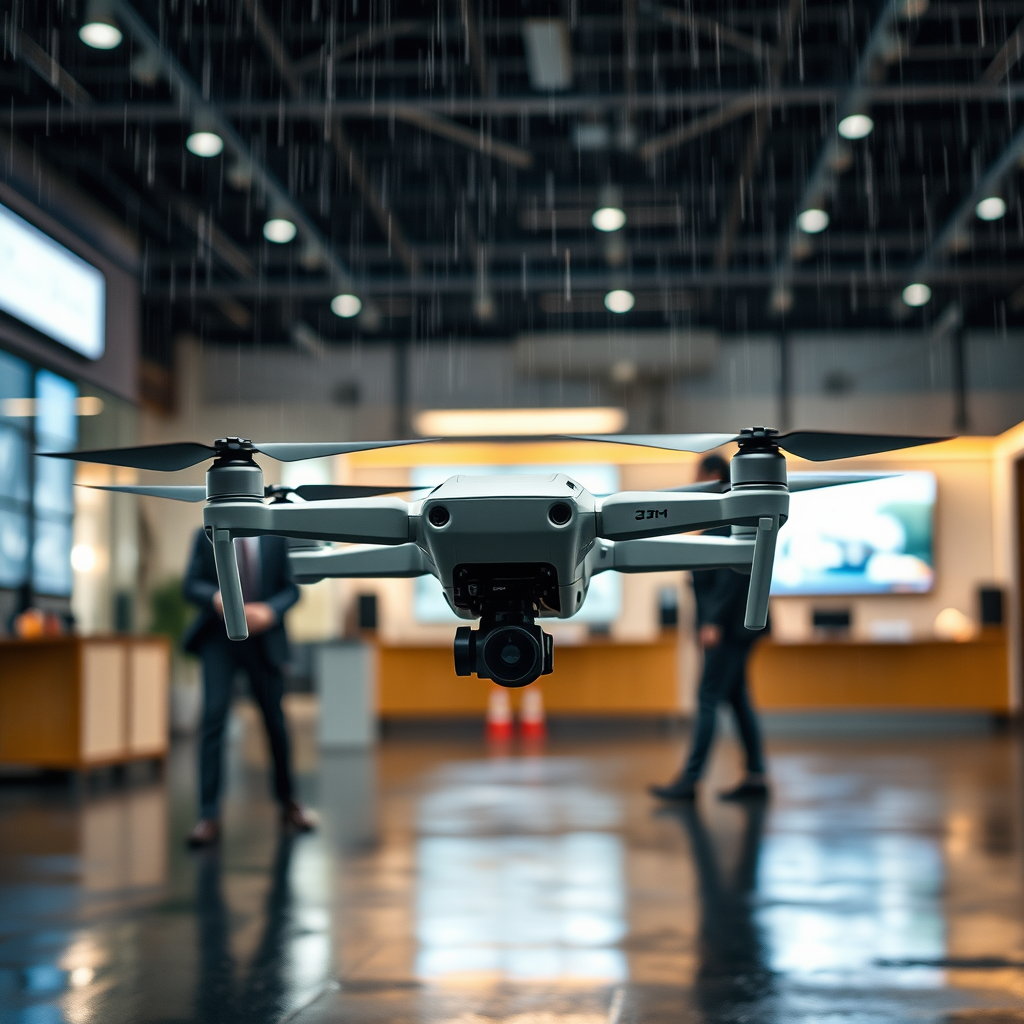
Flying a drone in rainy conditions presents several risks that can compromise both the drone’s functionality and the safety of its operation. One of the most significant concerns is the potential for electrical malfunctions. Rain can lead to moisture intrusion, which can short-circuit the drone’s electronics and cause it to malfunction or crash. This risk is particularly pronounced in models with exposed electronic components or those lacking adequate sealing.
Another critical risk factor is reduced visibility. Rain can obscure your line of sight, making it challenging to navigate and control the drone effectively. This lack of visibility can increase the likelihood of collisions with obstacles such as trees, buildings, or even other drones. Furthermore, the combination of poor visibility and wet conditions can impact the drone’s sensors and GPS accuracy, leading to erratic behavior and compromised flight stability.
Best Practices for Flying in Light Rain
When considering flying in light rain, it is essential to adhere to best practices that can minimize risk and ensure safe operation. First and foremost, avoid flying in heavy rain or storms, as these conditions can lead to significant operational challenges. Light drizzle, however, may be acceptable under certain circumstances.
Before taking off, ensure your drone is fully charged and functioning optimally. A low battery can increase the risk of losing control or having to make an emergency landing, particularly in adverse conditions. Additionally, familiarize yourself with the drone’s flight capabilities in wet environments—some models may have specific settings or adjustments that can enhance performance in light rain.
Monitoring wind conditions is equally important. Rain often brings changes in wind patterns that can affect flight stability. Pilots should be cautious of gusts that can push the drone off course, especially when flying in open areas. If conditions worsen during flight, be prepared to land safely and promptly.
Protective Measures for Your Drone
Implementing protective measures for your drone is vital when flying in rainy conditions. One effective strategy is to use a rain cover designed specifically for drones. These covers can help minimize moisture exposure and protect sensitive electronic components while allowing for adequate airflow and cooling. Several manufacturers offer compatible rain covers for various DJI models, ensuring you find a suitable option for your drone.
In addition to using protective covers, regularly inspecting and maintaining your drone is crucial for preventing damage from moisture. After flying in rain, wipe down the drone’s body and components with a dry, microfiber cloth to remove any residual moisture. It is also advisable to check for any signs of corrosion or wear and tear on electrical connections. Keeping your drone clean and well-maintained not only extends its lifespan but also ensures optimal performance during future flights.
Alternatives to Flying in Rain
If the weather is unfavorable, consider exploring alternatives to flying in rain. Indoor flying options can provide a safe environment for practicing maneuvers and honing your piloting skills without the risks associated with wet weather. Many drones are designed for indoor use, equipped with features that help navigate tight spaces.
Alternatively, if conditions are not suitable for flying, it may be best to wait for better weather. Planning your flights around the forecast can help ensure safe operation and prevent potential damage to your drone. Utilizing weather apps or services that provide real-time updates can also aid in making informed decisions about outdoor flying.
User Experiences and Recommendations
One of the best ways to gauge the feasibility of flying DJI drones in rain is to read user reviews and experiences. Many drone enthusiasts share their insights on forums and social media platforms, providing valuable firsthand accounts of their experiences flying in various weather conditions.
Joining drone forums or groups can also facilitate learning from seasoned pilots who have encountered similar situations. These communities often share tips, tricks, and practical advice for operating drones in adverse weather. Engaging with fellow drone users can enhance your knowledge and confidence when flying in challenging conditions.
In conclusion, while some DJI drones can handle light rain, it is crucial to prioritize safety and perform regular maintenance. Understanding your drone’s water resistance capabilities, assessing weather conditions, and implementing best practices can significantly mitigate risks associated with flying in rain. Always be prepared to adapt your plans based on the weather and consider alternatives if necessary. Happy flying!
Frequently Asked Questions
Can a DJI drone fly in the rain?
While many DJI drones are designed for various weather conditions, it is generally not recommended to fly them in the rain. Most DJI models are not waterproof and can suffer damage from water exposure, including short-circuiting of electrical components. Flying in rainy conditions can also affect the drone’s GPS accuracy and stability, leading to potential crashes.
What should I do if I accidentally fly my DJI drone in the rain?
If your DJI drone has been exposed to rain, immediately land it in a safe area to prevent further damage. After landing, turn off the drone and remove the battery to avoid electrical issues. Dry the exterior gently with a soft cloth and allow it to air dry in a warm, dry place for at least 48 hours before attempting to use it again.
How can I protect my DJI drone from rain while flying?
To protect your DJI drone from rain, consider using a waterproof drone cover or rain shield designed specifically for your drone model. Additionally, check weather forecasts before flying and avoid flying in wet conditions. If you must fly in light rain, ensure that your drone has been adequately treated with water-resistant coatings.
Why is it risky to fly a drone in wet weather conditions?
Flying a drone in wet weather poses several risks, including reduced visibility, compromised battery performance, and potential loss of control due to water interference with electronics. Moreover, rain can also affect the drone’s camera and gimbal, leading to poor image quality. Therefore, it is advisable to wait for optimal flying conditions.
Which DJI drones are more weather-resistant for flying in adverse conditions?
Some DJI drones, such as the DJI Matrice series, offer better weather resistance and are designed for industrial applications, including light rain and snow. However, even these drones should not be exposed to heavy rain or severe weather. Always check the specific specifications of your drone model to understand its limitations regarding inclement weather.
References
- https://www.theguardian.com/technology/2022/jul/07/drones-rain-bad-weather-flight
- https://www.sciencedirect.com/science/article/pii/S2351978921001133
- https://www.faa.gov/uas/
- https://www.wired.com/story/drones-flying-in-the-rain/
- https://www.techradar.com/news/can-you-fly-a-drone-in-the-rain
- https://www.nytimes.com/2020/07/10/technology/drones-weather.html
- https://www.dji.com/newsroom/news/flying-drones-in-rain-and-snow
- https://www.faa.gov/uas/getting_started/part107/
- https://www.suavco.com/blog/can-i-fly-my-drone-in-the-rain
