
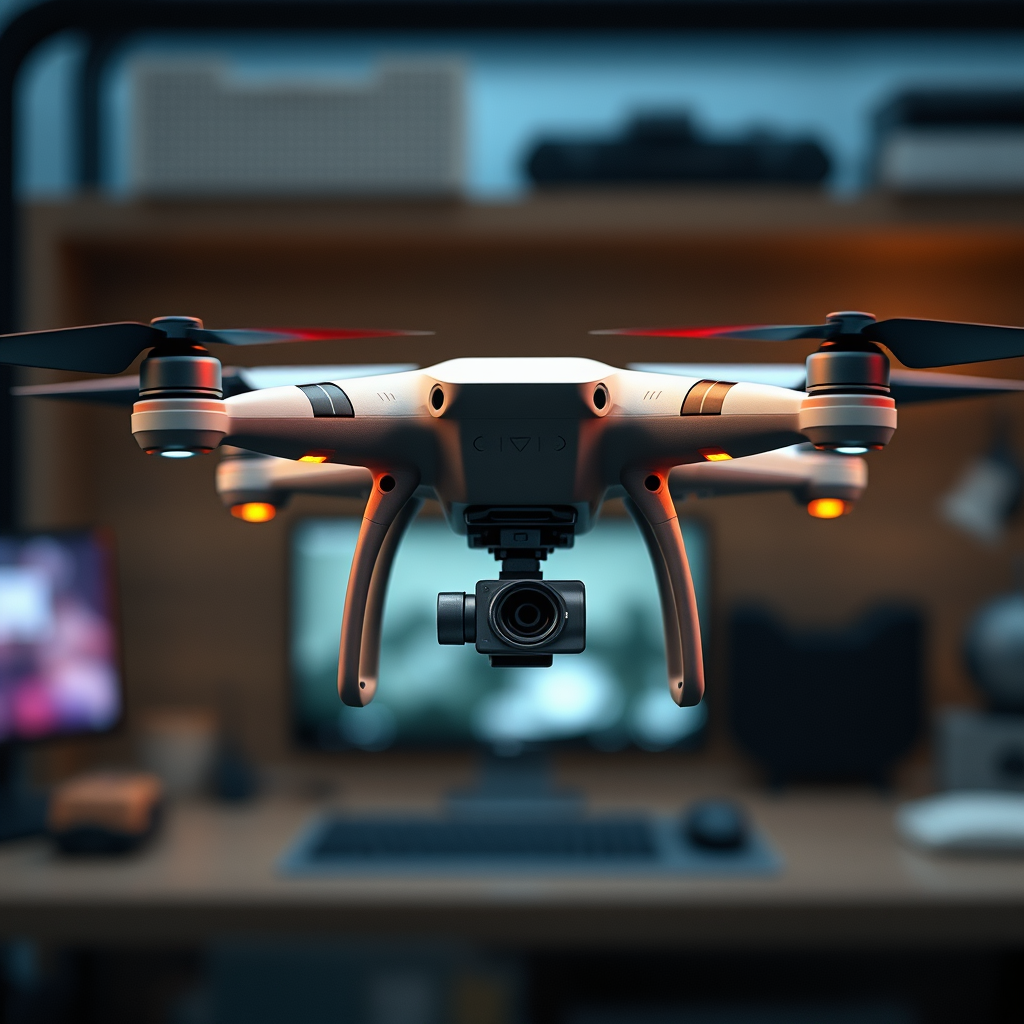
Yes, a drone can be hacked, and this is a growing concern as drone technology becomes more prevalent. Hacking can occur through various methods, which allow unauthorized access to control systems, data, and privacy, potentially leading to severe consequences. With the increasing integration of drones into various sectors, such as delivery services, agriculture, and surveillance, understanding these risks is crucial for both users and manufacturers. By recognizing the vulnerabilities inherent in drone technology, stakeholders can adopt proactive measures to mitigate hacking threats.
Understanding Drone Technology
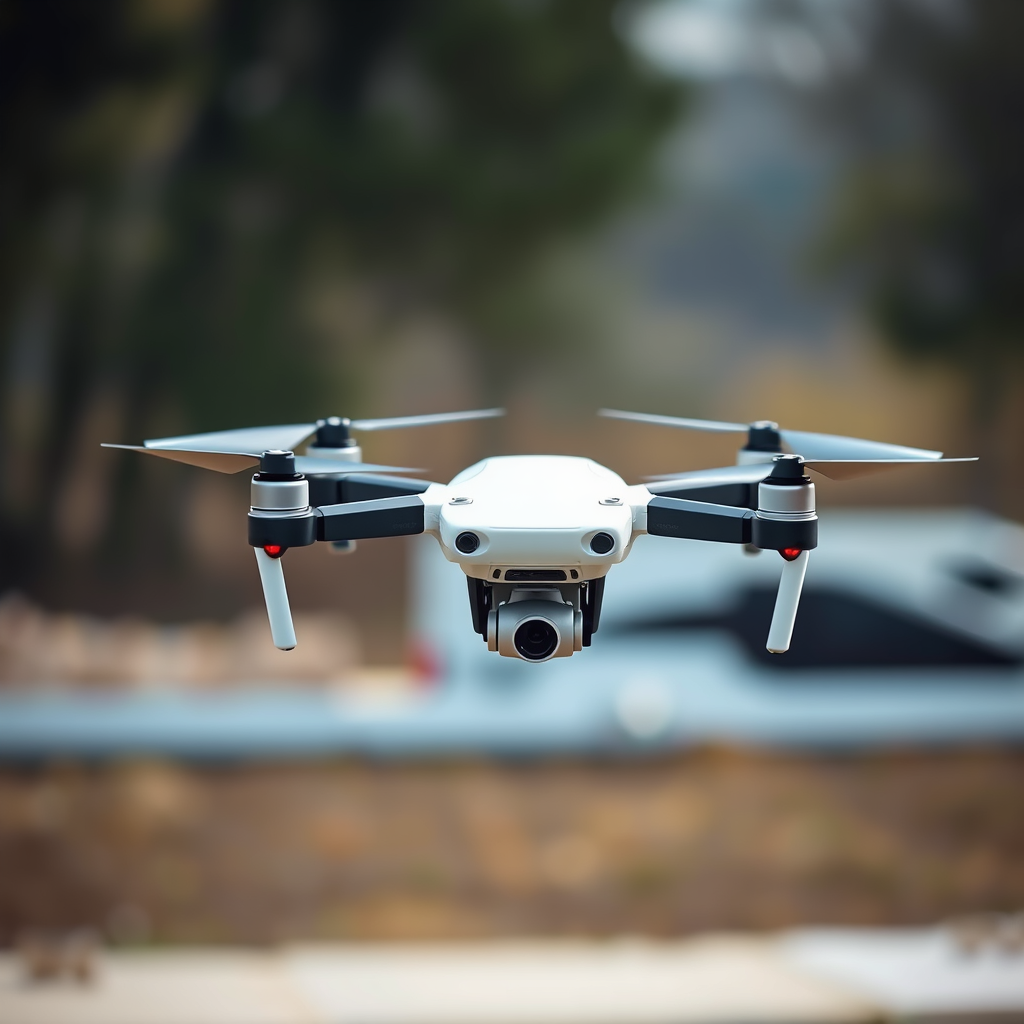
Drones, also known as unmanned aerial vehicles (UAVs), rely heavily on software and communication systems to operate effectively. These systems encompass everything from flight control algorithms to real-time data transmission, making them susceptible to various cyber threats. Additionally, drones employ a range of technologies, including Wi-Fi, radio frequencies, and GPS, which can all be exploited if not properly secured.
There are different types of drones, broadly categorized into consumer and commercial drones. Consumer drones, often used for recreational purposes, may have less robust security features compared to their commercial counterparts, which are designed for professional applications like surveying, search and rescue, and logistics. As a result, understanding the differences in security measures can help users assess the risks associated with their specific drone models. Manufacturers must prioritize incorporating advanced security protocols from the design phase to enhance drone resilience against potential cyber threats.
Common Hacking Methods
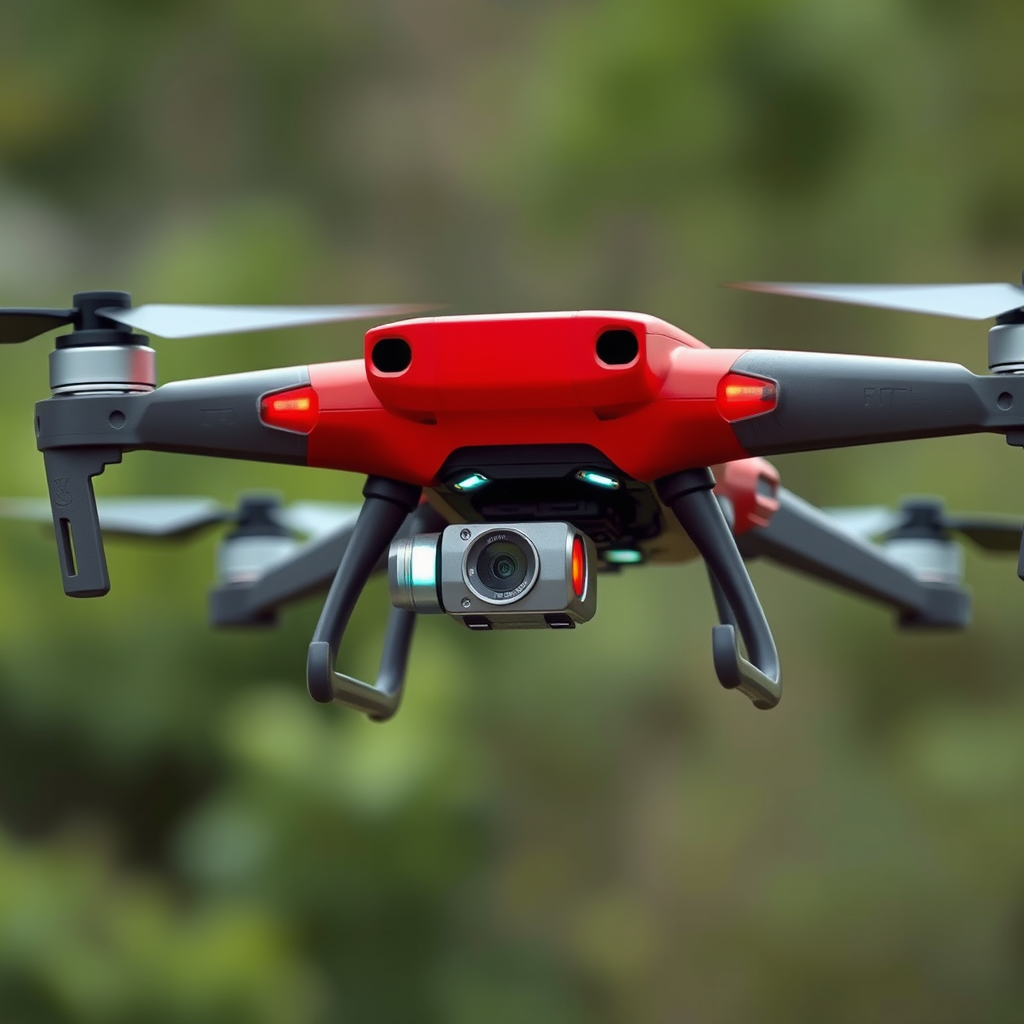
– Signal Interception: One of the most prevalent methods of drone hacking is signal interception, where hackers utilize specialized equipment to capture the communication between the drone and its controller. This method can enable unauthorized operators to take control of the drone or access sensitive information being transmitted, such as flight paths and video feeds. With the right tools, hackers can exploit these signals, especially in urban environments where communication channels may be congested.
– GPS Spoofing: GPS spoofing is another critical hacking technique that involves sending false GPS signals to the drone, misleading it about its actual location. By manipulating the GPS data, hackers can redirect a drone off-course, potentially leading it into restricted airspace or enabling it to crash. This method poses significant risks not only for the drone itself but also for the public, as errant drones can interfere with manned aircraft, emergency services, and private properties.
Consequences of Drone Hacking
The consequences of drone hacking can be severe and far-reaching. Unauthorized surveillance is one of the most alarming outcomes, as hacked drones can be used to invade personal privacy, capturing sensitive imagery or information without consent. This capability raises ethical concerns and can lead to legal ramifications for individuals or organizations found to be using drones for illicit surveillance.
Moreover, hacked drones can be misused for malicious purposes, such as theft, vandalism, or even acts of terrorism. The capability to hijack a drone opens the door to criminal activities, as hackers can deploy drones to execute their plans without direct involvement. The potential for drones to be weaponized further complicates the scenario, necessitating strict security measures to prevent such occurrences.
Preventative Measures for Drone Owners
To safeguard against hacking, drone owners should adopt several preventative measures. Regularly updating firmware and security patches is critical, as manufacturers frequently release updates that address known vulnerabilities. Many drone users overlook this essential step, which can leave their devices exposed to cyber threats.
Additionally, employing encryption for data transmission and control signals is crucial in enhancing the security of drone operations. Encrypted communication makes it significantly harder for potential hackers to intercept and manipulate signals. Drone owners should also consider utilizing secure communication protocols, such as those used in military applications, to add an additional layer of protection.
Furthermore, employing physical security measures, such as restricting drone access to authorized personnel and using geofencing technology, can help mitigate risks. Geofencing creates virtual boundaries that prevent drones from entering sensitive areas, thereby reducing the likelihood of unauthorized access or misuse.
Legal and Ethical Considerations
The legal landscape surrounding drone hacking is complex and varies significantly by jurisdiction. Many countries have established laws that criminalize unauthorized access to drone systems, including hacking. Offenders may face severe penalties, including fines and imprisonment, depending on the severity of the breach and the associated crimes.
Ethical implications also arise from drone use, particularly concerning data privacy. The ability to capture high-resolution images and videos raises concerns about the potential for misuse. Companies and individuals operating drones must navigate the fine line between utilizing drone technology for legitimate purposes and infringing on the privacy rights of others. It is crucial for drone operators to familiarize themselves with local regulations and ethical standards to ensure responsible use.
Future of Drone Security
The future of drone security is promising, as innovations in cybersecurity specifically designed for drone technology are actively being developed. Companies and researchers are exploring advanced solutions such as blockchain technology for secure data transmission and artificial intelligence to detect and counteract hacking attempts in real-time. These advancements aim to enhance the resilience of drones against cyber threats and protect user data.
Additionally, the role of regulations and standards in improving drone security cannot be overstated. As drone technology continues to evolve, regulatory bodies are expected to implement stricter guidelines aimed at enhancing security measures within the industry. Collaboration between manufacturers, users, and regulatory agencies will be essential in fostering a secure environment for drone operations.
In conclusion, while drones can be hacked, awareness and proactive measures can significantly reduce the risk. Understanding the vulnerabilities associated with drone technology, implementing robust security practices, and adhering to legal and ethical standards are vital for all stakeholders involved. As drone technology advances, staying informed about security practices will be essential for safe and responsible operation in an increasingly connected world.
Frequently Asked Questions
Can a drone be hacked and how does it happen?
Yes, drones can be hacked, and this typically occurs through vulnerabilities in their communication protocols or software. Hackers may use techniques such as signal jamming, spoofing GPS signals, or exploiting weak encryption methods to take control of a drone. Understanding these risks is essential for users to implement proper security measures to safeguard their devices.
What are the signs that my drone has been hacked?
Signs that your drone may have been hacked include unexpected behavior such as altered flight paths, inability to control the drone, or unauthorized access to its camera feed. Additionally, if you notice unusual connectivity issues or your drone fails to respond to commands, it may indicate a security breach. Regularly monitoring your drone’s performance and settings can help in identifying these issues early.
How can I protect my drone from being hacked?
To protect your drone from hacking, ensure that you keep its firmware updated to the latest version, as manufacturers often release security patches. Additionally, use strong, unique passwords for your drone’s accounts and avoid using public Wi-Fi networks when operating your drone. Implementing additional security measures, such as using encrypted communication methods and disabling any unnecessary features, can further enhance your drone’s safety.
Why is drone hacking a growing concern for users?
Drone hacking is a growing concern primarily due to the increasing reliance on drones for various applications, including surveillance, delivery, and recreational use. As more drones enter the market, the potential for exploitation rises, making them attractive targets for malicious actors. Furthermore, the implications of hacking can lead to privacy violations, data theft, and safety hazards, prompting users to prioritize security measures.
Which drones are most vulnerable to hacking?
Drones that use outdated technology or lack robust security protocols are generally more vulnerable to hacking. Consumer-grade drones with weak encryption or those that do not receive regular firmware updates are particularly at risk. It’s essential to research and choose drones from reputable manufacturers known for prioritizing security, and to invest in models that offer advanced security features to minimize hacking risks.
References
- https://en.wikipedia.org/wiki/Drone_hacking
- https://www.bbc.com/news/technology-44505292
- https://www.reuters.com/article/us-cybersecurity-drones-insight-idUSKBN1Z80G2
- https://www.nist.gov/news-events/news/2019/06/federal-researchers-explore-security-drones
- https://www.sciencedirect.com/science/article/abs/pii/S1361372319300161
- https://www.techrepublic.com/article/how-hackers-can-take-control-of-drones-and-what-you-can-do-about-it/
- https://www.nytimes.com/2019/05/21/us/politics/drone-security.html
- https://www.rand.org/pubs/research_reports/RR1647.html
