
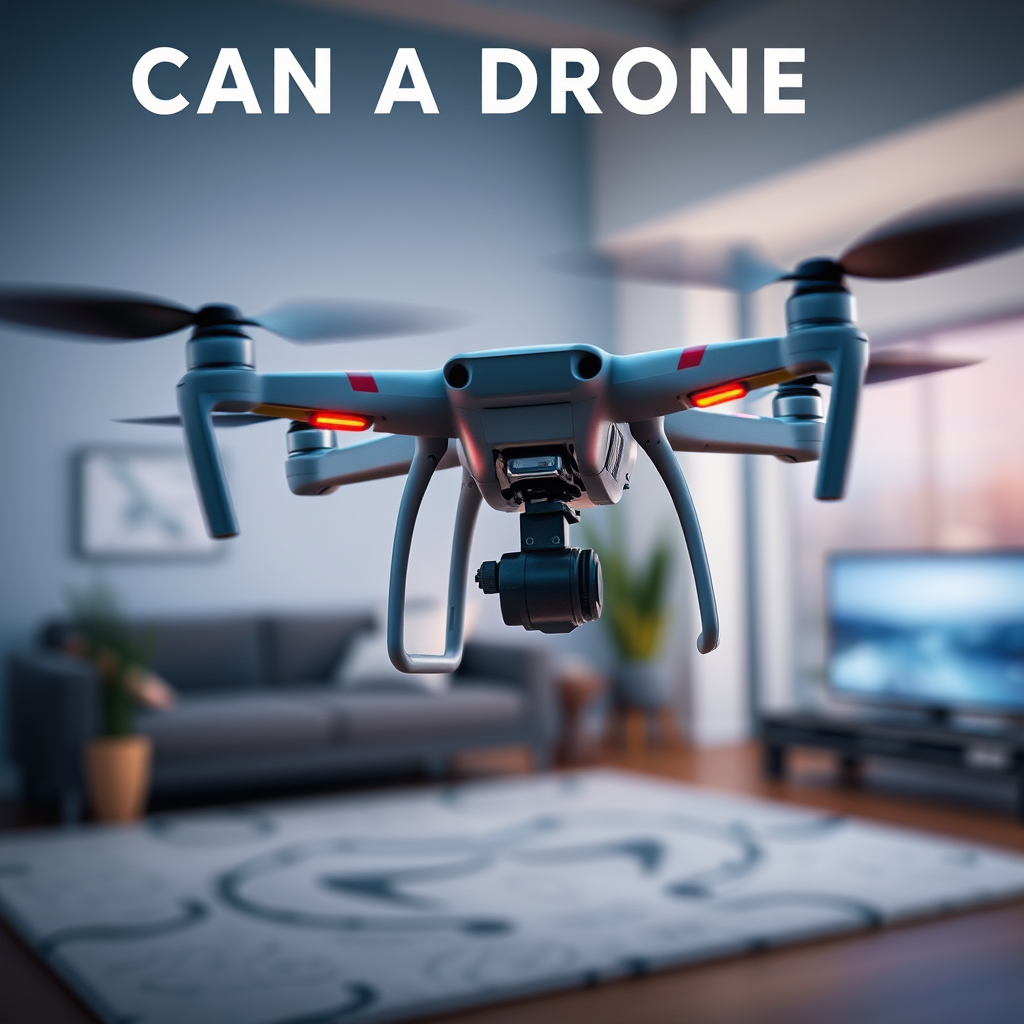
Yes, a drone can be shot down, but doing so is fraught with legal and ethical implications. In many jurisdictions, shooting down a drone can lead to serious legal consequences, including fines or criminal charges. This article will explore the various factors that influence the legality and practicality of shooting down a drone, emphasizing the importance of understanding applicable regulations and the potential ramifications of such actions.
Understanding Drone Regulations
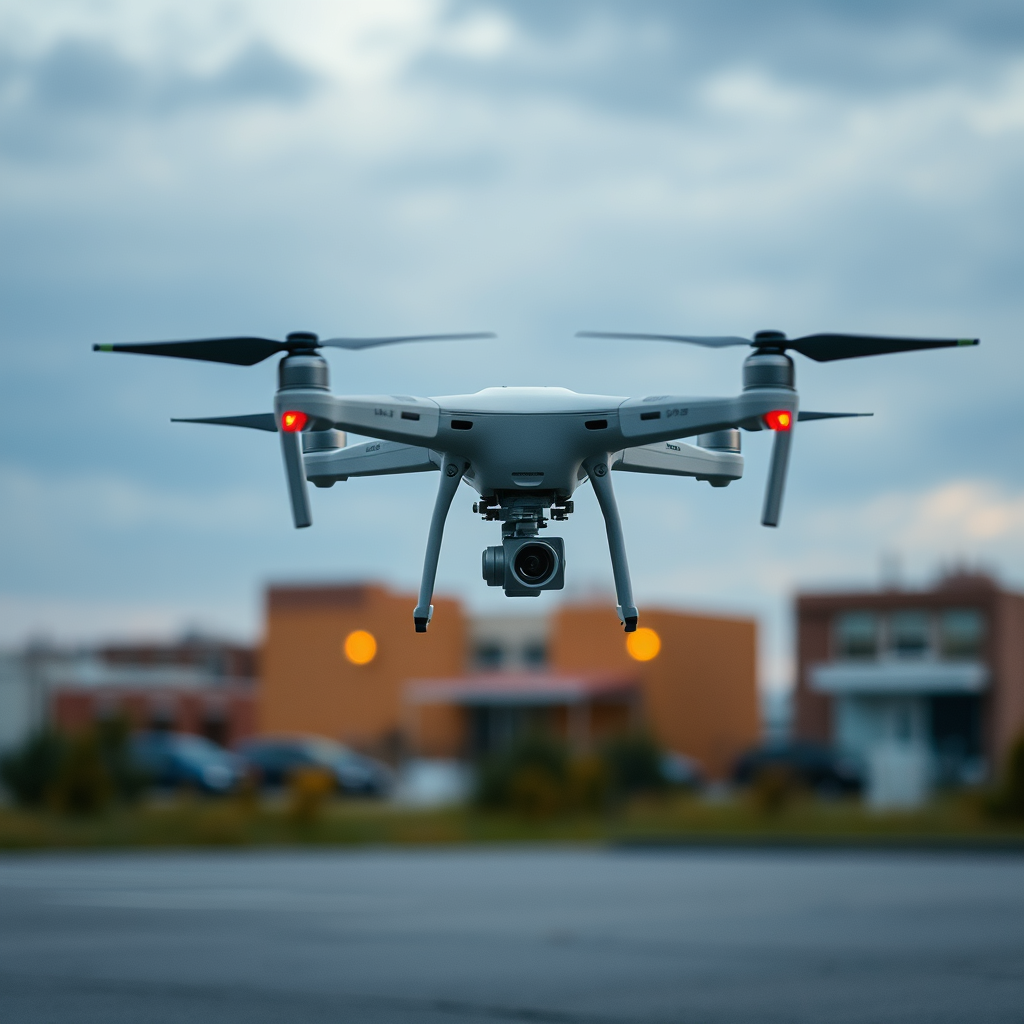
Drones, or unmanned aerial vehicles (UAVs), are subject to a complex web of regulations at both the federal and local levels. In the United States, the Federal Aviation Administration (FAA) oversees airspace and has established rules governing drone operation. According to FAA regulations, drones must be flown below 400 feet, remain within the operator’s visual line of sight, and cannot be flown over people without a waiver. Furthermore, drones must be registered if they weigh more than 0.55 pounds.
Beyond federal regulations, local and state laws may impose additional restrictions on drone usage. For instance, certain municipalities may enact ordinances that prohibit flying drones over private property, parks, or sensitive areas, such as schools or stadiums. Failure to adhere to these laws could result in legal repercussions, further complicating the question of whether shooting down a drone is permissible.
Legal Consequences of Shooting Down a Drone
Shooting down a drone can have significant legal consequences, primarily due to the potential for unlawful destruction of property. Under U.S. law, a drone is considered personal property, and damaging or destroying it can lead to criminal charges, including vandalism or destruction of property. Penalties can range from fines to imprisonment, depending on the severity of the act and the local laws in place.
Moreover, the drone’s owner may pursue civil liabilities against the shooter for damages. This could include the cost of the drone itself, any lost data or equipment, and potential emotional distress claims. In a litigious society, these lawsuits can quickly escalate into costly legal battles, underscoring the importance of considering the legal ramifications before taking any action against a drone.
Practical Considerations for Engaging a Drone
Attempting to shoot down a drone poses inherent risks, particularly concerning safety. Bullets can ricochet and cause unintended injuries to bystanders or damage to nearby property. Additionally, using firearms in residential or populated areas raises concerns about public safety and may lead to criminal charges unrelated to the drone itself.
Instead of resorting to shooting a drone, individuals facing drone nuisances should consider alternative methods for resolution. Engaging with the drone operator, if identifiable, can be a more constructive approach. Others may opt to report the drone’s activity to local authorities, who can take appropriate action in accordance with existing regulations. This route not only preserves safety but also aligns with legal protocols for handling such disputes.
Situations Where Shooting Down a Drone May Be Justified
There are specific scenarios where shooting down a drone may be legally and ethically justified. National security and law enforcement contexts often provide grounds for engaging a drone, particularly if it poses an imminent threat. For instance, military operations may necessitate the neutralization of drones that are surveilling sensitive installations or engaging in unauthorized reconnaissance.
Moreover, instances where drones invade personal privacy or trespass onto private property may warrant more severe responses. Homeowners who feel their privacy is violated by a drone hovering over their yard may understandably consider taking action. However, even in these situations, it is crucial to explore all legal avenues before resorting to extreme measures such as shooting down the drone.
Technical Challenges of Shooting Down Drones
The technological sophistication of modern drones presents significant challenges for anyone considering shooting one down. Drones are typically equipped with various features, such as GPS stabilization, collision avoidance systems, and even countermeasures against tampering. These capabilities make it difficult to successfully target and disable a drone without collateral damage.
Instead of using firearms, alternative methods for disabling drones have been developed. Jamming devices can disrupt a drone’s control signals, forcing it to land or return to its point of origin. Additionally, specialized nets have been designed to entangle drones, offering a non-lethal means of neutralization. While these methods can be effective, they may still require regulatory approval, further complicating their practical application.
Public Opinion and Ethical Considerations
The debate surrounding the right to privacy versus the use of drones is a contentious issue, with strong opinions on both sides. Proponents of drone regulation argue that individuals should have the right to privacy in their own spaces, while drone enthusiasts often point to the benefits of UAV technology for recreation, delivery, and surveillance.
Ethically, the decision to take lethal action against a drone raises significant moral questions. While the infringement of personal space is a valid concern, the response must weigh the potential harm to individuals, property, and broader societal implications. As drones become increasingly common, it is imperative to navigate these ethical waters carefully, seeking solutions that respect both privacy rights and technological advancement.
Alternatives to Shooting Down a Drone
For those facing unwanted drone activity, several alternatives exist that do not involve shooting down the UAV. Reporting the drone to local authorities or the FAA can initiate an investigation into the drone’s operation and enforce compliance with regulations. This approach is particularly effective if the drone poses a threat to safety or privacy.
Additionally, investing in drone detection systems can help manage the airspace around your property. These systems provide real-time alerts when a drone enters a specific area, allowing for timely intervention or reporting. By utilizing technology designed for detection and management, individuals can effectively address drone nuisances without resorting to potentially illegal actions.
In conclusion, while it is technically possible to shoot down a drone, it is not advisable without careful consideration of the legal and practical ramifications. The complexities of drone regulations, the potential for legal consequences, and the ethical implications surrounding such actions underscore the importance of seeking alternative solutions. Understanding your rights and the best ways to manage unwanted drone activity is crucial. Always weigh the risks and seek legal alternatives before taking any action, ensuring that your response aligns with both the law and ethical standards.
Frequently Asked Questions
Can a drone legally be shot down?
Legally, shooting down a drone can lead to severe consequences, as it is generally considered unlawful in many jurisdictions. In the United States, for example, the Federal Aviation Administration (FAA) regulates airspace, and downing a drone could violate federal laws. Additionally, property owners often do not have the right to destroy aerial vehicles without facing potential criminal charges or civil liabilities. It’s crucial to understand local laws and regulations before taking any action against a drone.
What should I do if a drone is flying over my property?
If a drone is flying over your property and causing concern, the first step is to document the incident by taking photos or noting the time and location. You can then check local laws regarding drone operations to see if the flight violates any regulations. If you feel uncomfortable, consider contacting local law enforcement or a drone regulatory authority to report the situation, especially if the drone is invading your privacy or causing a nuisance.
How can I protect my privacy from drones?
To protect your privacy from drones, you can employ several strategies. First, familiarize yourself with local drone laws to know your rights regarding aerial surveillance. Installing physical barriers like privacy fences or using landscaping can obstruct a drone’s line of sight. Additionally, technology solutions such as drone detection systems can help you monitor drone activity around your property, allowing you to take appropriate action if necessary.
Why are drones often shot down by property owners?
Property owners may feel compelled to shoot down drones when they believe their privacy is being invaded or their property is under threat. The emotional response to perceived surveillance can lead to drastic actions, particularly if the drone is hovering over sensitive areas. However, this reaction is typically misguided, as legal ramifications for downing a drone can be significant, including fines and criminal charges.
What are the best non-destructive ways to deal with an unwanted drone?
The best non-destructive ways to handle an unwanted drone include using a drone jammer or signal blocker, which can disrupt the drone’s communication with its operator, forcing it to land or return home. Additionally, engaging with the drone operator, if identifiable, can help resolve any issues amicably. Lastly, reporting the situation to local authorities can ensure that proper regulations are enforced without resorting to harmful measures.
References
- https://en.wikipedia.org/wiki/Drone#Legal_and_regulatory_issues
- https://www.bbc.com/news/technology-57173961
- https://www.reuters.com/technology/us-drone-strike-due-legal-questions-2021-10-26/
- https://www.theguardian.com/us-news/2020/jun/01/what-are-the-rules-for-using-drones-in-the-us
- https://www.lawfareblog.com/can-drones-be-shot-down-what-law-says
- https://www.faa.gov/uas/
- https://www.nytimes.com/2021/06/16/us/drone-law.html
- https://www.ncbi.nlm.nih.gov/pmc/articles/PMC6542443/
