
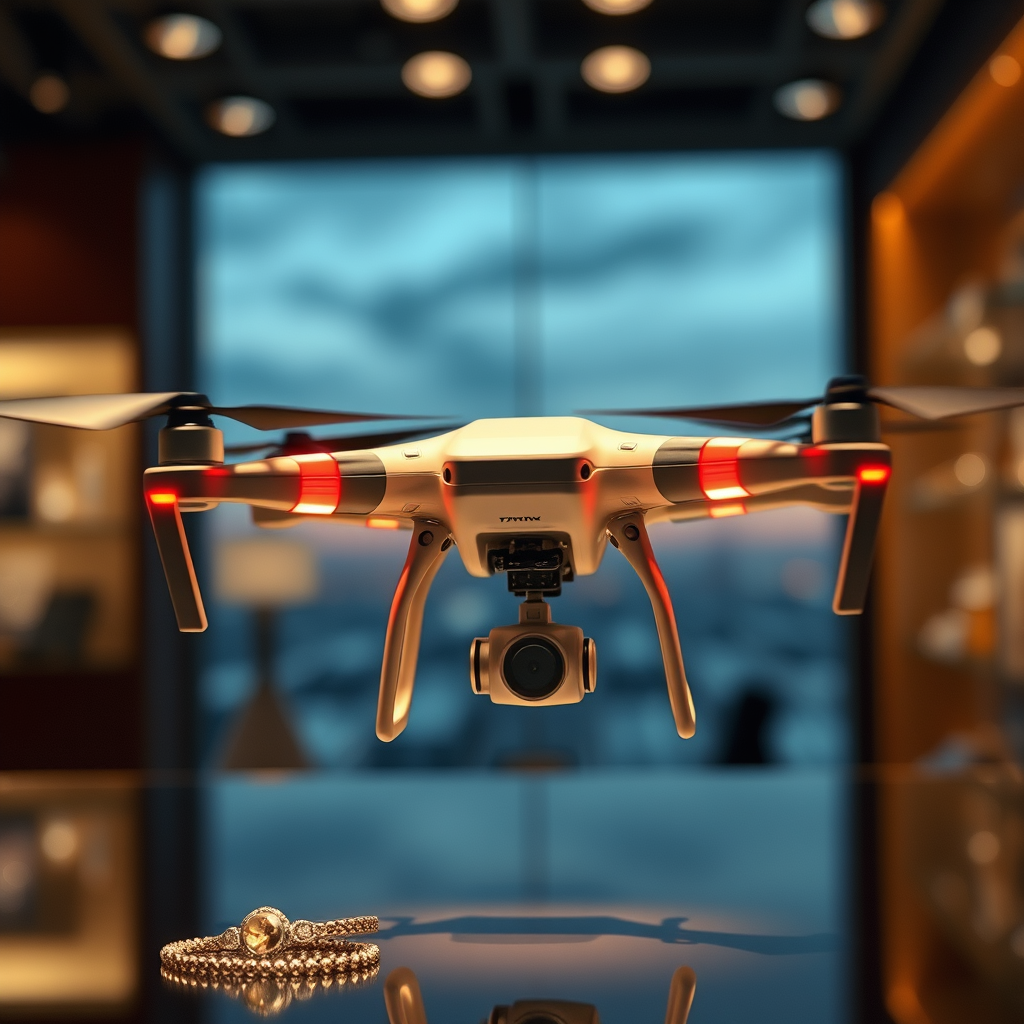
Yes, a drone can theoretically bring down a plane, but the likelihood and consequences vary based on several factors. The potential for catastrophic incidents exists due to the clash of the rapidly evolving drone technology and the traditional aviation sector. This article will delve into the mechanics of drone-plane interference, real-world incidents, regulatory frameworks, and the impact of advancing technology, while also discussing safety measures and future developments to enhance airspace safety.
Understanding the Mechanics of Drone-Plane Interference
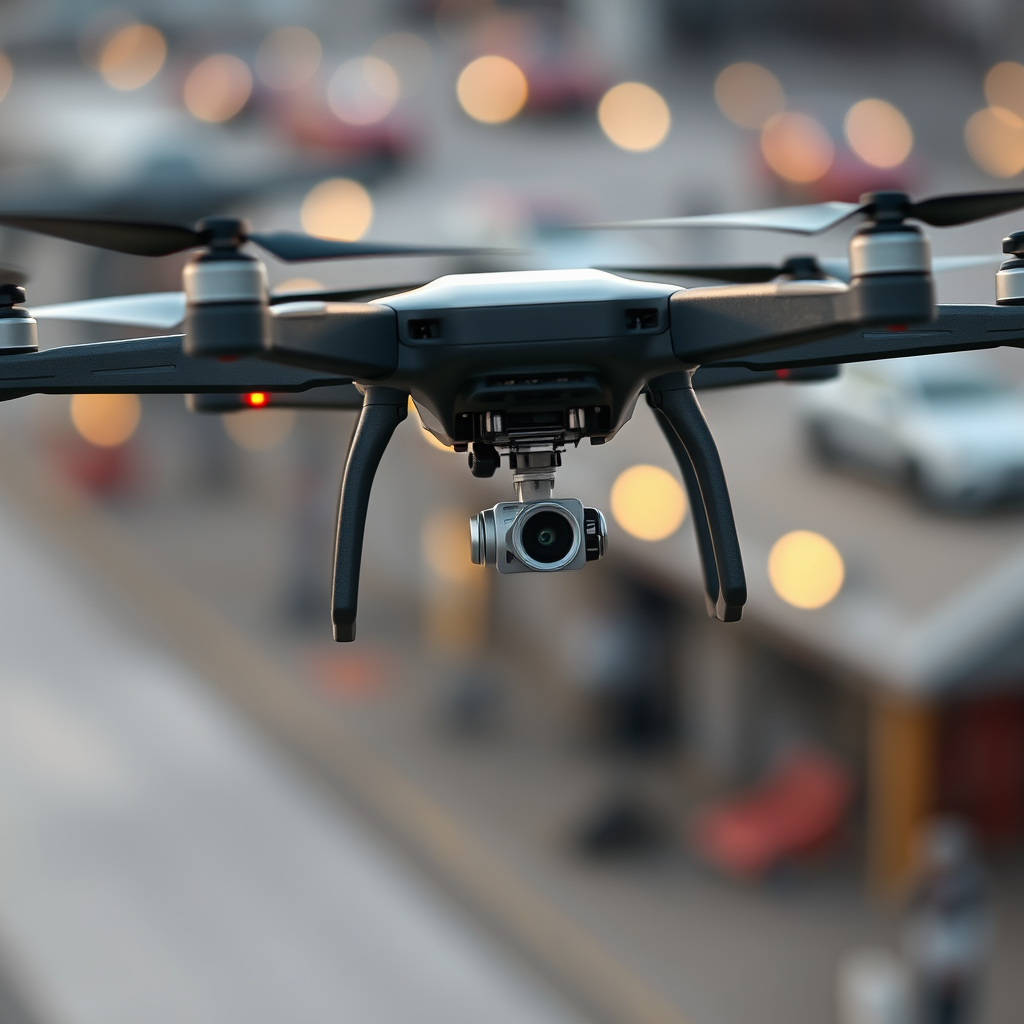
Drones, or unmanned aerial vehicles (UAVs), can pose significant risks to manned aircraft, particularly during critical phases of flight such as takeoff and landing. The interference can occur in several ways, primarily through physical collision or engine disruption. When a drone comes into contact with an aircraft, the outcome hinges on the size and weight of the drone, as well as the speed and altitude of the aircraft.
For example, a small consumer drone weighing less than a pound may not cause severe damage upon impact with a commercial airliner. In contrast, larger drones designed for industrial purposes can weigh several kilograms and may cause substantial structural damage or even catastrophic engine failure if ingested into a jet engine. The Federal Aviation Administration (FAA) has conducted studies showing that even small drones can have significant effects, particularly on aircraft engines, which could lead to malfunction and loss of control.
Real-World Incidents Involving Drones and Aircraft
The rise of drone usage has been accompanied by documented incidents of near-misses and collisions. One notable case occurred in 2017 when a drone was reported to have flown dangerously close to an Airbus A320 approaching New York’s LaGuardia Airport. The pilot described the drone as being at the same altitude but roughly 100 feet away, highlighting the serious risk of collision.
Another incident involved a drone striking a United Airlines jet landing at Newark Liberty International Airport, though no injuries occurred. These events underscore the potential for disastrous outcomes when drones and aircraft share the same airspace. Aviation authorities, including the FAA, have responded by increasing surveillance and enforcement measures around airports, employing technologies such as radar systems to detect unauthorized drone activity.
Regulations Governing Drone Usage Near Airports
In the United States, the FAA has established stringent regulations to mitigate the risks associated with drone operations near airports. Drones are prohibited from flying within five miles of an airport without prior authorization. Additionally, the FAA has designated specific no-fly zones, particularly around major airports and urban areas, where drone flights are strictly regulated.
Operators are required to register their drones and adhere to operational guidelines that include maintaining visual line-of-sight and flying below 400 feet. These regulations are crucial for preventing accidents and ensuring that drone operators understand their responsibilities. Compliance with these guidelines is essential not only for the safety of manned aircraft but also for the sustainable growth of the drone industry.
The Impact of Drone Technology Advancements
As drone technology evolves rapidly, so do the associated risks. Modern drones are equipped with sophisticated features such as GPS navigation, automated flight controls, and even obstacle avoidance systems. While these advancements enhance the functionality of drones, they can inadvertently increase the risk of unintended airspace incursions.
Moreover, the integration of automated systems in both drones and aircraft can lead to complex scenarios where human oversight may be diminished. For instance, an autonomous drone could misinterpret its surroundings or not recognize an approaching aircraft, leading to a potential collision. The aviation industry must stay vigilant and adapt to these technological advancements to ensure safety in shared airspace.
Safety Measures for Pilots and Drone Operators
To mitigate risks associated with drone-aircraft interactions, both drone operators and pilots should adhere to best practices. For drone operators, this includes conducting thorough pre-flight checks, staying informed about local regulations, and maintaining communication with relevant air traffic control authorities when operating near airports. Utilizing technology such as geofencing can also prevent drones from entering restricted airspace.
For pilots, maintaining situational awareness is paramount. Pilots are trained to look for potential hazards, including drones, during flight. If a drone is spotted, pilots are advised to report the sighting to air traffic control immediately, providing specific details about the drone’s location and altitude. This proactive approach can assist authorities in managing airspace and preventing dangerous incidents.
The Role of Law Enforcement and Penalties
Law enforcement agencies play a critical role in addressing drone-related incidents and ensuring compliance with aviation regulations. In cases of reckless drone use, offenders may face severe penalties, including fines and potential criminal charges. The FAA has the authority to impose civil penalties for violations of drone regulations, which can reach up to $20,000, depending on the severity of the infraction.
Additionally, collaboration between law enforcement and aviation authorities is essential for responding to drone-related emergencies. This cooperation allows for the swift identification of unauthorized drone operators and helps to ensure that safety regulations are upheld.
Future Developments in Drone Safety and Technology
The future of drone safety and aircraft interaction is likely to be shaped by ongoing innovations. Emerging technologies such as drone traffic management systems are being developed to facilitate safe operations in increasingly crowded airspaces. These systems could provide real-time data on drone locations and movements, allowing for better coordination between drone operators and pilots.
Furthermore, advancements in drone design, such as improved materials that reduce the impact force during collisions, could also enhance safety. As regulatory frameworks evolve to keep pace with technological advancements, the aviation industry must continue to prioritize safety and develop strategies that promote responsible drone usage.
In conclusion, while the possibility of a drone bringing down a plane exists, it is mitigated by regulations and safety measures. Awareness and responsible usage are crucial for both drone operators and pilots to ensure safety in the skies. By adhering to guidelines, embracing technological advancements, and fostering cooperation among stakeholders, we can work towards minimizing the risks associated with drone and aircraft interactions, thus ensuring safer skies for all.
Frequently Asked Questions
Can a drone actually bring down a plane?
Yes, a drone can potentially bring down a plane, although such incidents are rare. Drones, particularly larger models, can cause significant damage if they collide with an aircraft, especially during takeoff or landing when planes are flying at lower altitudes. The Federal Aviation Administration (FAA) has reported several instances where drones have come dangerously close to commercial flights, highlighting the importance of drone regulations and safe flying practices.
What are the potential consequences of a drone colliding with an airplane?
The consequences of a drone colliding with an airplane can be severe, ranging from minor damage to catastrophic failure of the aircraft. A drone strike could lead to engine failure, structural damage to the fuselage, or even cause the aircraft to crash. Moreover, such incidents can result in serious legal repercussions for the drone operator, including fines and criminal charges, as well as increased scrutiny and regulation of drone usage.
How can drone operators prevent accidents with airplanes?
Drone operators can prevent accidents with airplanes by adhering to strict safety guidelines and regulations set by the FAA and local authorities. Key practices include maintaining a safe distance from airports, flying at or below the designated altitude limits, and using drone detection systems. Additionally, operators should always be aware of their surroundings and avoid flying in controlled airspace without proper authorization.
Why are drones considered a threat to aviation safety?
Drones are considered a threat to aviation safety primarily due to their increasing prevalence and the potential for collision with manned aircraft. The lightweight materials used in many drones can cause significant harm to an airplane, especially if the drone strikes critical areas like the engines or cockpit. Furthermore, the lack of regulation and awareness among some drone operators can lead to dangerous situations, prompting authorities to take serious measures to mitigate these risks.
What should I do if I see a drone near an airport?
If you see a drone near an airport, it’s important to report it immediately to local authorities or airport security. Provide specific details such as the location, time, and any identifiable features of the drone. Reporting such incidents helps ensure aviation safety and can lead to investigations that may prevent future occurrences. Remember, unauthorized drone operations in restricted airspace pose risks not only to aircraft but also to public safety.
References
- https://en.wikipedia.org/wiki/Drone_incidents
- https://www.faa.gov/newsroom/faa-releases-new-drone-rules
- https://www.nytimes.com/2021/01/07/us/drone-airplane-collision.html
- https://www.bbc.com/news/world-us-canada-50273805
- https://www.reuters.com/article/us-usa-drone-safety-idUSKBN1WZ1R1
- https://www.nasa.gov/centers/dryden/pdf/87951.pdf
- https://www.sciencedirect.com/science/article/abs/pii/S0968090X16301588
- https://www.ncbi.nlm.nih.gov/pmc/articles/PMC6742172/
