
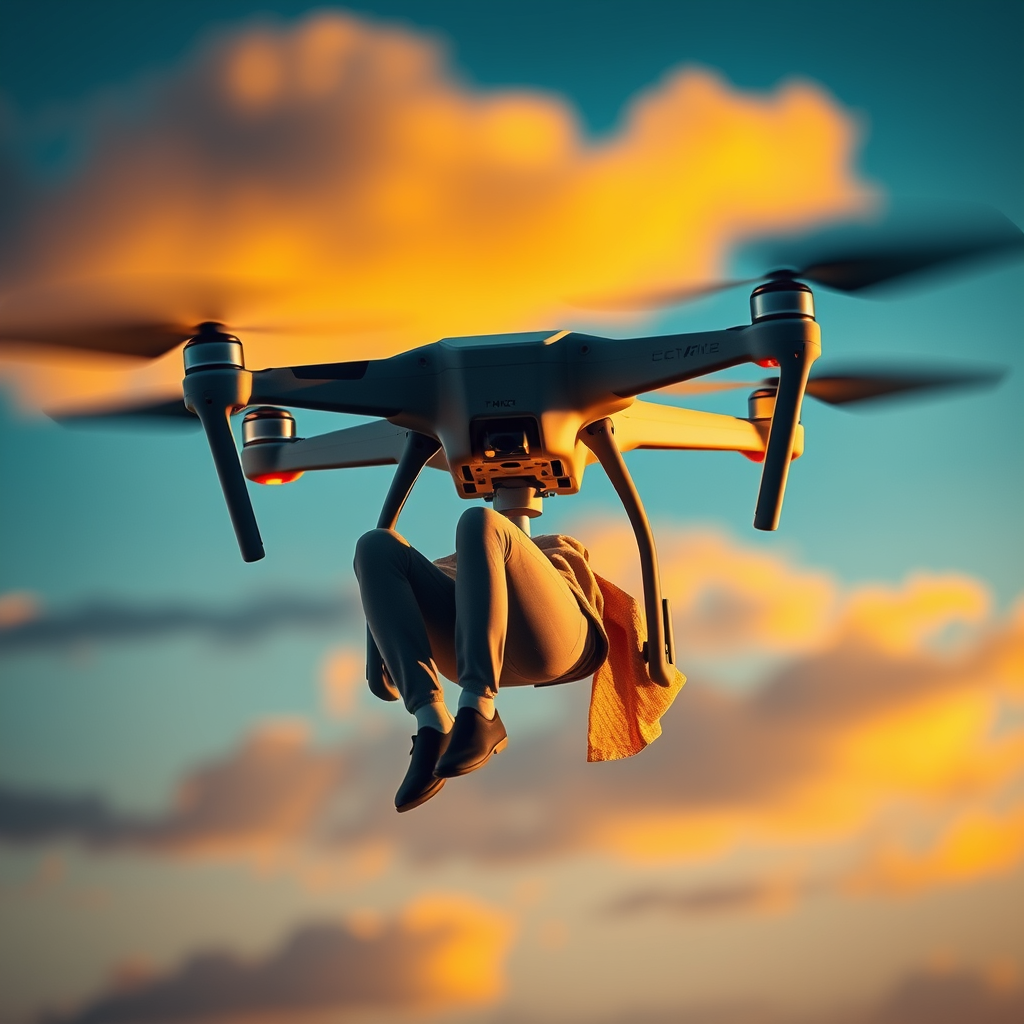
Yes, a drone can carry a person, but there are several technical, legal, and safety challenges to consider. As advancements in drone technology continue, the concept of passenger-carrying drones is becoming increasingly feasible, sparking interest and innovation in the aviation and transportation sectors. This potential revolutionary shift in urban mobility raises questions about the practicality, regulatory environment, and safety measures necessary for integrating such technology into our daily lives.
Understanding Passenger Drones
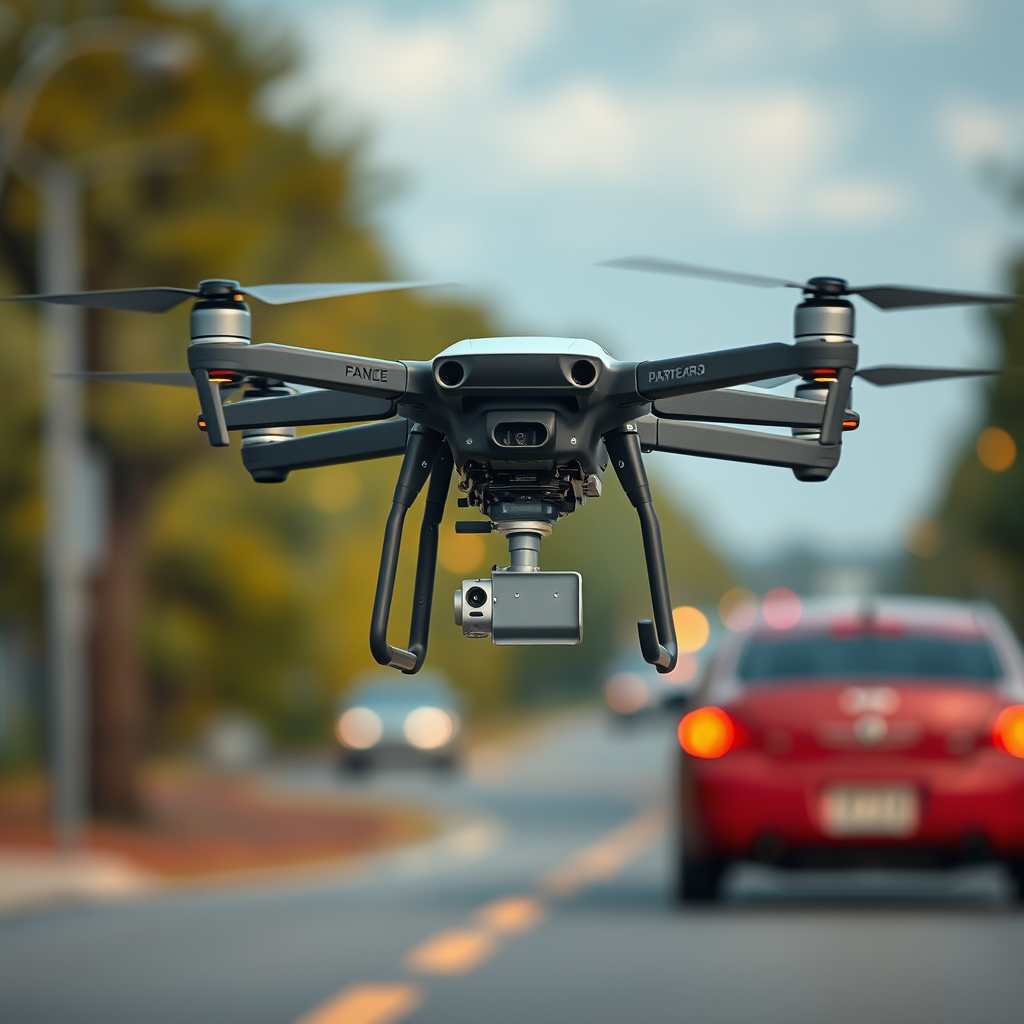
Passenger drones, often referred to as air taxis or eVTOL (electric vertical takeoff and landing) aircraft, are specialized drones designed to transport humans. Unlike traditional drones, which are typically used for aerial photography or delivery services and can carry limited payloads, passenger drones are engineered with enhanced performance specifications, including greater weight capacities, advanced navigation systems, and improved safety features. Current models such as the Volocopter and the Joby Aviation eVTOL are designed specifically for human transport, featuring multiple rotors for redundancy and stability, spacious cabins for passengers, and advanced avionics for flight management.
These passenger drones aim to revolutionize short-distance travel, providing an eco-friendly alternative to traditional ground transportation. With the ability to bypass traffic congestion and utilize airspace effectively, these vehicles offer a glimpse into a future where urban mobility is transformed, making city life more efficient and accessible.
Technological Advancements
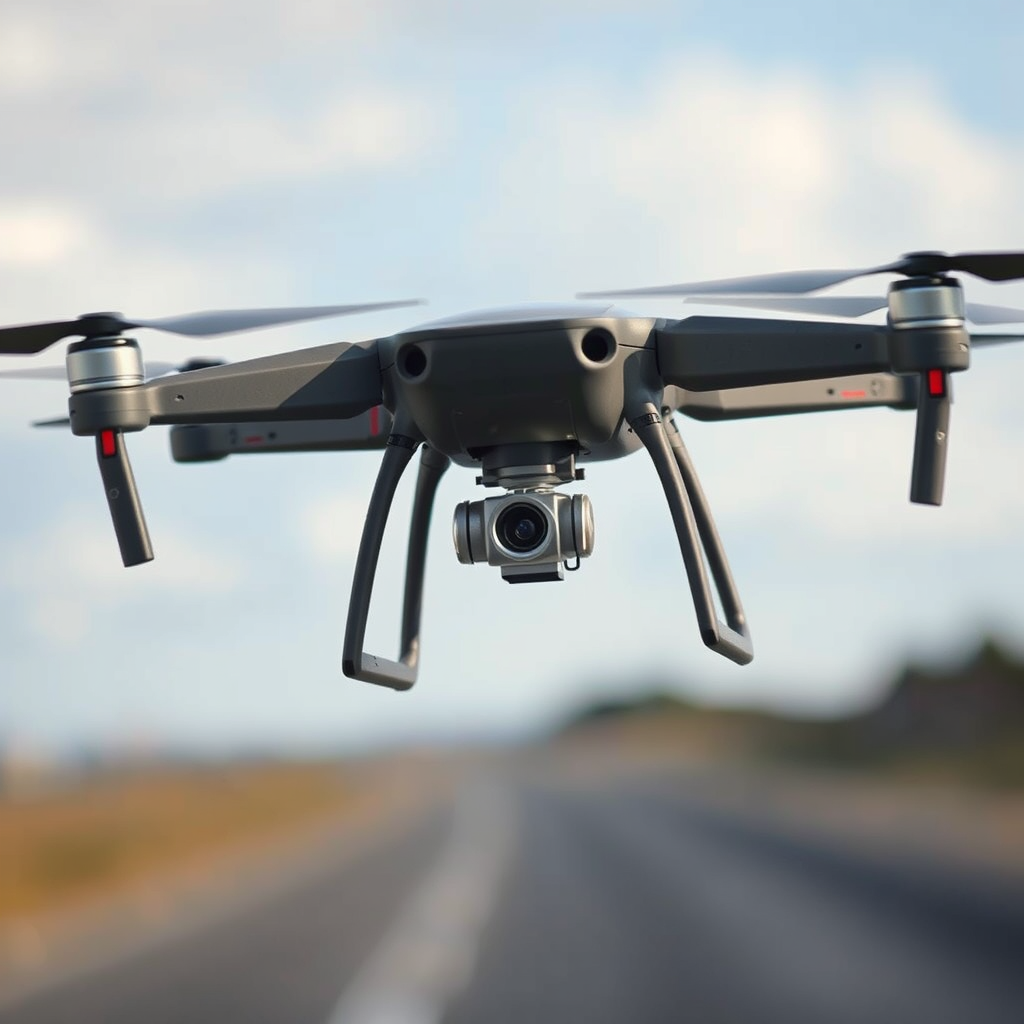
Recent developments in drone technology are paving the way for human transport. Innovations in battery technology, such as lithium-sulfur batteries, are allowing for longer flight times and greater operational ranges. Additionally, improvements in artificial intelligence and machine learning are enhancing navigation and flight control systems, making drones more autonomous and capable of safely navigating complex urban environments.
Safety features are paramount in the development of passenger drones. Innovations such as redundant flight control systems ensure that if one component fails, the drone can still operate safely. Collision avoidance systems, utilizing LiDAR and computer vision, enable drones to detect and avoid obstacles in real-time. Moreover, many passenger drones are designed with parachute systems that can deploy in the event of an emergency, providing an additional layer of security for passengers.
Legal and Regulatory Challenges
The integration of passenger drones into the airspace presents significant legal and regulatory hurdles. Currently, many countries have stringent regulations governing drone operations, primarily focused on unmanned aircraft. The transition to passenger-carrying drones necessitates a reevaluation of these regulations to address issues such as air traffic control, safety standards, and pilot licensing.
In the United States, the Federal Aviation Administration (FAA) has begun to outline frameworks for the commercial use of eVTOL aircraft. Companies seeking to operate passenger drones must navigate a complex certification process, which includes demonstrating that their vehicles meet safety and airworthiness standards. Similar regulatory bodies exist globally, with countries like the European Union Aviation Safety Agency (EASA) also establishing guidelines to manage the rollout of passenger drones, ensuring they are safe for public use.
Safety and Risk Considerations
Safety is a critical consideration in the development and operation of passenger-carrying drones. Potential risks include mechanical failures, pilot error, and adverse weather conditions. The public’s perception of safety will heavily influence the acceptance and adoption of these technologies, making it essential for companies to prioritize rigorous testing and transparent reporting of safety measures.
Pilot training is another crucial aspect of ensuring safe operations. While many passenger drones are designed for autonomous flight, human oversight remains vital. Pilots must be adequately trained to handle emergencies and to operate within the regulatory framework governing drone operations. Furthermore, regular maintenance and inspections of the drones are necessary to ensure that all systems function as intended, thereby minimizing the risk of accidents.
Current Use Cases and Pilots
Several companies and projects are currently testing passenger drones, indicating the growing interest and investment in this sector. For instance, Volocopter has conducted successful manned tests in urban environments, showcasing its air taxi concept in cities like Singapore and Stuttgart. Meanwhile, Joby Aviation has received significant funding and has been working on its eVTOL aircraft, which has demonstrated a range of over 150 miles on a single charge.
Other notable initiatives include Uber Elevate, which has partnered with various manufacturers to explore the feasibility of aerial ridesharing services. These pilot programs have provided valuable insights into the operational challenges and public acceptance of passenger drones, with many studies indicating a strong interest among consumers in using aerial taxis for short commutes.
The Future of Passenger Drones
The future of passenger drones appears promising, with predictions indicating substantial growth in the urban air mobility sector. Analysts project that by 2030, the market for passenger drones could reach billions in revenue, driven by increasing urbanization and the demand for efficient transportation solutions. As cities become more congested, the ability to utilize airspace for commuting could alleviate some of the pressures faced by ground transportation systems.
Moreover, as technology continues to advance and regulations evolve, the integration of passenger drones into public transportation systems could become a reality. This could lead to partnerships between drone manufacturers and traditional transportation providers, creating seamless transit experiences for consumers. The potential for drone delivery services to coexist with passenger transport also presents opportunities for further innovation in logistics and mobility.
In conclusion, while the idea of drones carrying people is no longer confined to science fiction, it presents a range of challenges and opportunities. As technology evolves and regulations adapt, the possibility of using drones for passenger transport may become a reality, transforming how we think about urban mobility. Staying informed on developments in this exciting field will be crucial as we move closer to a future where flying taxis could become a common sight in our skies.
Frequently Asked Questions
Can a drone legally carry a person in the United States?
In the United States, current regulations set by the Federal Aviation Administration (FAA) generally prohibit drones from carrying passengers. However, certain companies are working on developing eVTOLs (electric vertical takeoff and landing) which are designed for human transport. These specialized drones may eventually gain regulatory approval, but as of now, any drone operation involving people must adhere to strict safety and certification guidelines, and typically requires special exemptions.
What types of drones are capable of carrying a person?
Drones capable of carrying a person are often referred to as passenger drones or eVTOLs. These advanced aircraft are designed to lift off like a traditional drone but incorporate larger frames and more powerful motors to accommodate human weight. Notable models include the EHang 216 and the Joby Aviation eVTOL, which are in various stages of testing and development, showcasing the potential for future aerial taxis and personal air travel.
How much weight can a drone carry, and does it vary by type?
The weight a drone can carry varies significantly depending on its design and purpose. Consumer drones typically have payload capacities ranging from 0.5 to 5 kilograms (1 to 11 pounds), while commercial drones can carry heavier loads, sometimes exceeding 200 kilograms (440 pounds). Passenger drones, specifically designed for human transport, must be engineered to support the weight of an adult, typically around 70 to 100 kilograms (154 to 220 pounds), along with any additional cargo.
Why are drones not currently used for personal transport?
While the technology exists to create drones that could transport people, several factors hinder widespread adoption. These include regulatory hurdles, safety concerns, the need for robust air traffic management systems, and public acceptance. Additionally, the development of reliable battery technology and infrastructure to support vertical takeoff and landing operations are critical for the future of passenger drones.
What are the best uses for drones that can carry weight, if not people?
Drones designed to carry weight have a variety of practical applications beyond personal transport. They are widely used for delivering goods in remote areas, conducting aerial surveys for agriculture, inspecting infrastructure such as bridges and power lines, and providing emergency supplies in disaster zones. These applications showcase the versatility of drones in enhancing efficiency and accessibility across multiple industries, even without carrying passengers.
References
- https://en.wikipedia.org/wiki/Passenger_drone
- https://www.nytimes.com/2021/05/12/technology/drones-passengers.html
- https://www.bbc.com/news/technology-50955665
- https://www.reuters.com/technology/air-taxis-are-finally-here-what-you-need-know-2021-07-20/
- https://www.sciencedirect.com/science/article/pii/S2214574521000715
- https://www.nasa.gov/press-release/nasa-test-piloted-drone-in-downtown-drone-delivery-pilot
- https://www.techrepublic.com/article/how-passenger-drones-will-revolutionize-urban-transportation/
- https://www.faa.gov/uas/
- https://www.easa.europa.eu/domains/civil-drones/urban-air-mobility
