
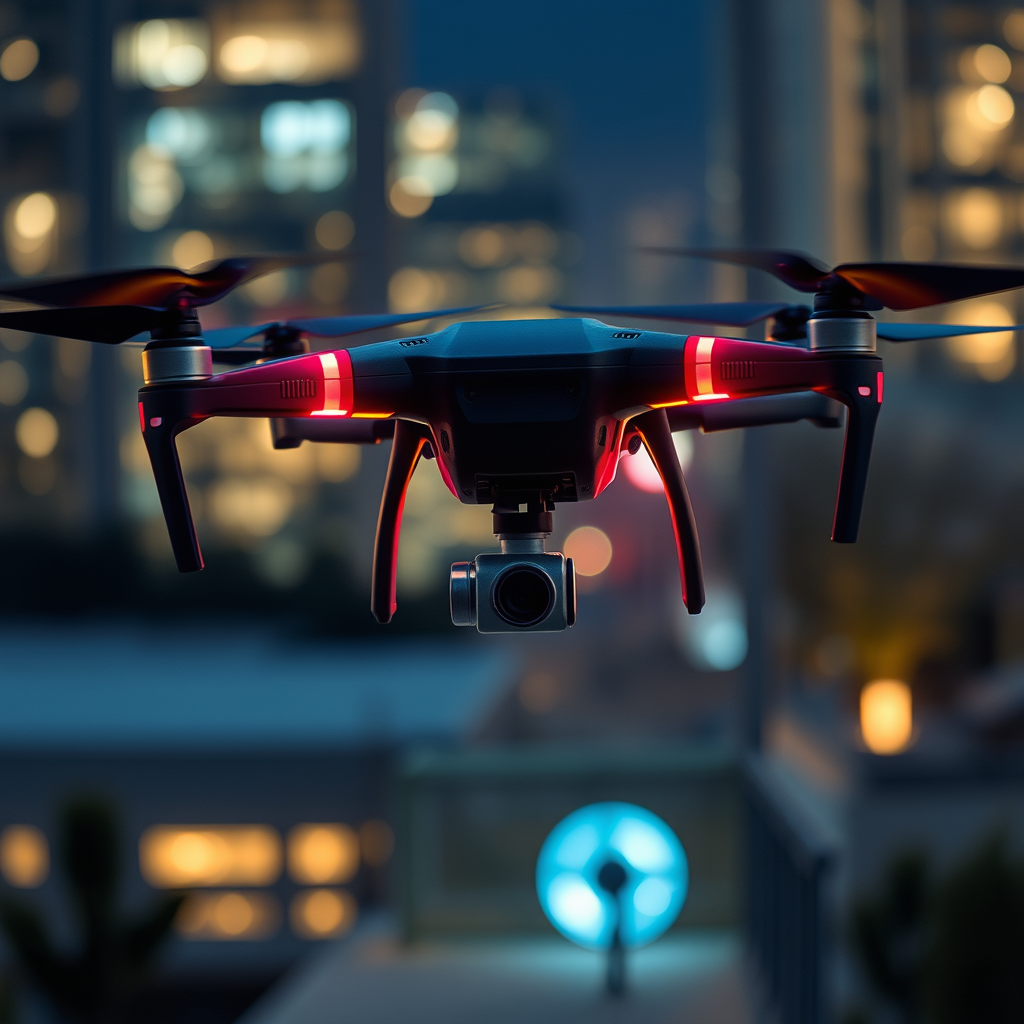
Yes, a drone can fly at night, provided it is equipped with the necessary lighting and complies with local regulations. As drone technology advances, many models now come with features that support safe nighttime operations. However, understanding the legal and practical aspects is crucial for any nighttime flight. This article will delve into the regulations, equipment needs, safety tips, advantages, challenges, and best practices for nighttime drone operation, ensuring you are well-informed for your next nocturnal aerial adventure.
Understanding Nighttime Drone Regulations
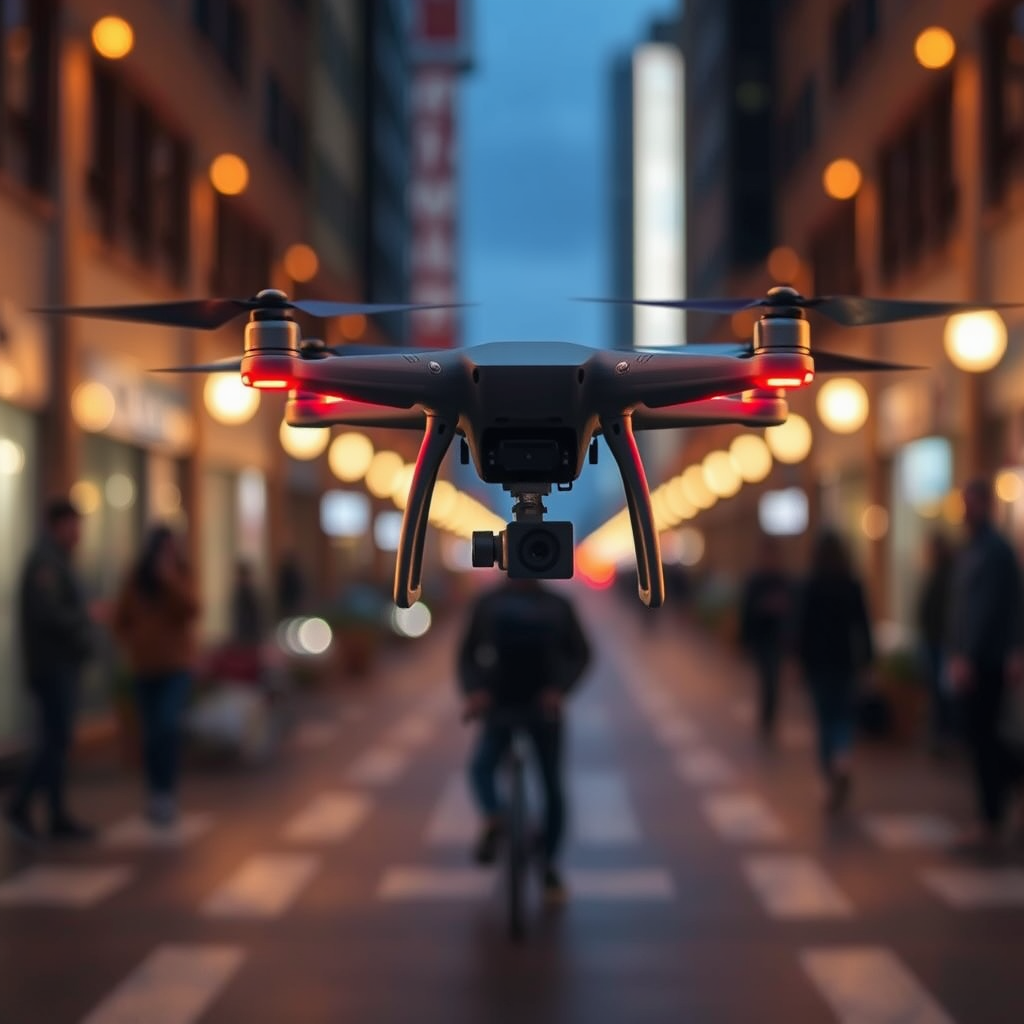
The regulations governing nighttime drone flights vary significantly by country and region. In the United States, for example, the Federal Aviation Administration (FAA) allows nighttime drone operations but mandates that operators follow specific guidelines. These include flying only drones that have been equipped with anti-collision lighting and maintaining visual line-of-sight during flight. It is crucial to check local laws, as some municipalities may impose additional restrictions. Internationally, many countries have similar requirements, emphasizing the need for proper lighting and adherence to aviation authority regulations. For instance, in Canada, the Transport Canada regulations stipulate that drones must be equipped with lights visible for a minimum distance of three statute miles. Thus, before planning a nighttime flight, ensure you are well-acquainted with the applicable regulations to avoid potential legal consequences.
Necessary Equipment for Night Flying
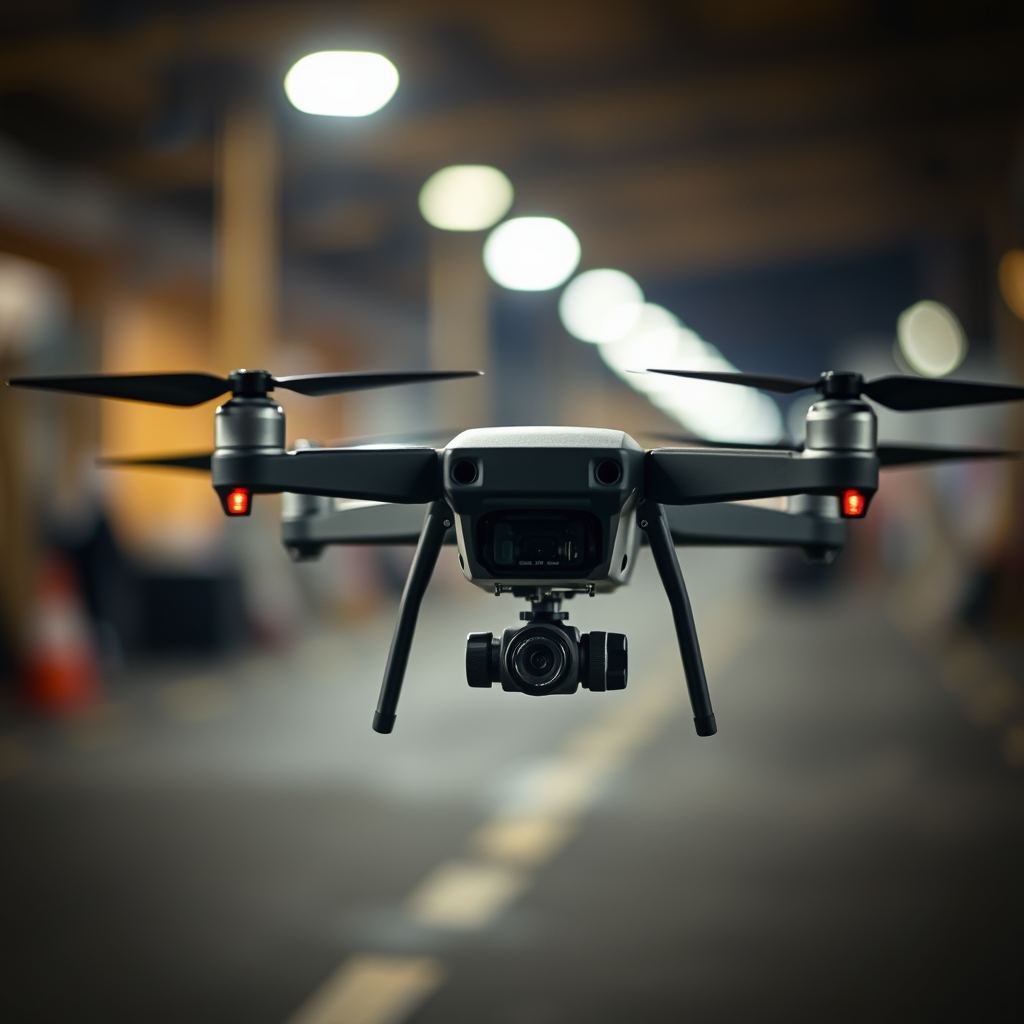
Night flying requires a specific set of equipment to ensure visibility and safety. Drones must be outfitted with lights that illuminate their path and make them visible to others, primarily for collision avoidance. Some drones come with built-in LED lights, which can be adequate for basic nighttime operations. However, for enhanced visibility, especially in complex environments, aftermarket lighting solutions can provide superior performance. For instance, drones like the DJI Phantom 4 and Mavic series often have customizable lighting options that enhance visibility.
Additionally, night vision cameras can significantly improve situational awareness during nighttime flights. These cameras allow operators to see in low-light conditions, making it easier to navigate and avoid obstacles. Using thermal imaging cameras can also be beneficial for specific applications, such as search and rescue operations, where detecting heat signatures is critical. Investing in the right equipment not only ensures compliance with regulations but also enhances the safety and quality of nighttime drone operations.
Safety Tips for Nighttime Drone Operations
Flying a drone at night presents unique challenges, making safety a paramount consideration. Always conduct a thorough pre-flight check to ensure all systems are functioning correctly. This includes verifying that lighting is operational, batteries are fully charged, and GPS is accurately calibrated. Maintaining a visual line of sight with your drone is essential, but this can be challenging in the dark. To mitigate this, use a spotter—another individual who can help monitor the drone’s position and surroundings. This practice can significantly reduce the risk of collisions or loss of control.
Moreover, familiarize yourself with the area where you intend to fly. Nighttime operations in unfamiliar landscapes can lead to disorientation, so having a clear understanding of the terrain and potential obstacles is critical. Utilizing a flight planning app can help chart your course and identify critical landmarks or hazards. Lastly, always be mindful of weather conditions; fog, rain, and strong winds can exacerbate the difficulties of nighttime flying.
Advantages of Flying Drones at Night
Flying drones at night offers several advantages that can enhance the flying experience. One of the most appealing benefits is the reduced air traffic, which can lead to fewer disruptions and easier navigation. This is particularly advantageous in densely populated areas where daytime flying may encounter more obstacles, such as other aircraft or ground activity.
Nighttime also presents unique photographic opportunities. The contrast created by artificial lighting against the dark sky can produce striking images and videos, perfect for capturing cityscapes or special events. For instance, drone photographers often take advantage of night festivals, where the interplay of lights creates a dramatic backdrop. Furthermore, operating a drone at night can afford enhanced privacy for certain types of operations, such as surveying or inspections, as fewer bystanders are likely to be present.
Challenges of Nighttime Drone Flying
Despite the benefits, nighttime drone flying is not without its challenges. The most significant risk is the increased likelihood of collisions due to limited visibility. Obstacles such as trees, power lines, and buildings can be difficult to identify in the dark. Additionally, assessing altitude and distance becomes more complex without adequate lighting, which can lead to miscalculations and potential accidents.
Disorientation is another challenge that drone operators may face when flying at night, particularly in unfamiliar areas. The lack of visual references can make it difficult to maintain control. To counteract these challenges, operators should consider flying in well-lit areas and avoid crowded locations where obstacles may be hidden. Moreover, using drones equipped with advanced navigation systems that provide obstacle avoidance capabilities can significantly enhance safety during nighttime operations.
Best Practices for Nighttime Drone Photography
Capturing high-quality images at night requires some adjustments to standard photography practices. One key technique is utilizing long exposure settings, which allow more light to hit the camera sensor, resulting in vivid nighttime images. This technique can be particularly effective when photographing cityscapes or fireworks displays.
Planning your shots in advance is crucial. Identify the best vantage points and the optimal times for capturing the desired effect. For example, shooting during the golden hour just after sunset can yield stunning results as the sky transitions from light to dark. Additionally, investing in specialized filters can enhance image quality in low-light conditions, reducing glare and improving contrast.
Finally, ensure your drone’s camera settings are appropriately adjusted for nighttime conditions. Experimenting with ISO sensitivity, aperture, and shutter speed before the actual shoot can help achieve the best results. By employing these best practices, drone photographers can maximize their chances of capturing breathtaking nighttime imagery.
In conclusion, while drones can indeed fly at night, it is essential to understand and comply with regulations, ensure proper equipment is used, and take necessary safety precautions. Night flying offers unique opportunities for both recreational and professional drone operators, but it also presents distinct challenges that must be managed effectively. By following the outlined considerations and best practices, you can enjoy a safe and successful experience, whether you’re capturing stunning photos or conducting essential inspections in the dark.
Frequently Asked Questions
Can a drone fly at night legally?
Yes, drones can fly at night legally, but specific regulations must be followed. In the United States, the Federal Aviation Administration (FAA) allows night flying for registered drones if they have the appropriate lighting, such as anti-collision lights. Operators must also have a Part 107 Remote Pilot Certificate and be familiar with the rules governing night operations to ensure safety and compliance.
What are the best drones for night flying?
The best drones for night flying typically have features like high-quality lighting systems, advanced stabilization technology, and good battery life. Models such as the DJI Mavic Air 2 and the DJI Phantom 4 Pro are popular choices due to their bright LED lights and excellent camera capabilities, making them ideal for capturing nighttime imagery. Additionally, drones equipped with thermal imaging cameras can also be beneficial for specific applications, such as search and rescue operations.
How do I prepare my drone for night flight?
Preparing your drone for night flight involves several crucial steps. First, ensure your drone is equipped with proper lighting, such as bright LED lights that make it visible to others and help you maintain orientation. Second, conduct a pre-flight check to confirm all systems are functioning correctly, including camera and battery levels. Finally, familiarize yourself with the area you plan to fly in and make sure to fly in a location where night flying is permitted.
Why is night flying considered more challenging for drone pilots?
Night flying is considered more challenging due to reduced visibility and the increased risk of losing sight of the drone. Pilots must rely on their drone’s lights and any onboard camera feeds, which can complicate navigation and orientation. Additionally, identifying obstacles and hazards becomes more difficult in the dark, making it essential for pilots to have experience and a thorough understanding of their drone’s capabilities to ensure safe operation.
Which regulations should I be aware of when flying a drone at night?
When flying a drone at night, it’s essential to adhere to specific regulations set by the FAA or your country’s aviation authority. In the U.S., this includes having anti-collision lights, maintaining visual line-of-sight, and adhering to altitude restrictions. Additionally, operators must hold a valid Remote Pilot Certificate and comply with any local laws that may impose additional restrictions on night flying, ensuring a safe and legal flying experience.
References
- https://en.wikipedia.org/wiki/Drone#Regulations
- https://www.faa.gov/uas/getting_started/fly_my_drone/night_operations
- https://www.nytimes.com/2021/05/19/business/drone-night-flying.html
- https://www.theguardian.com/technology/2020/nov/09/drones-flying-at-night-what-you-need-to-know
- https://www.sciencedirect.com/science/article/pii/S2352864821000139
- https://www.nasa.gov/feature/nasa-tests-drones-flying-at-night
- https://www.usatoday.com/story/tech/2021/06/15/drone-night-flying-rules-regulations/7693538002/
- https://www.aopa.org/news-and-media/all-news/2021/january/30/faa-issues-final-rule-for-night-drone-operations
