
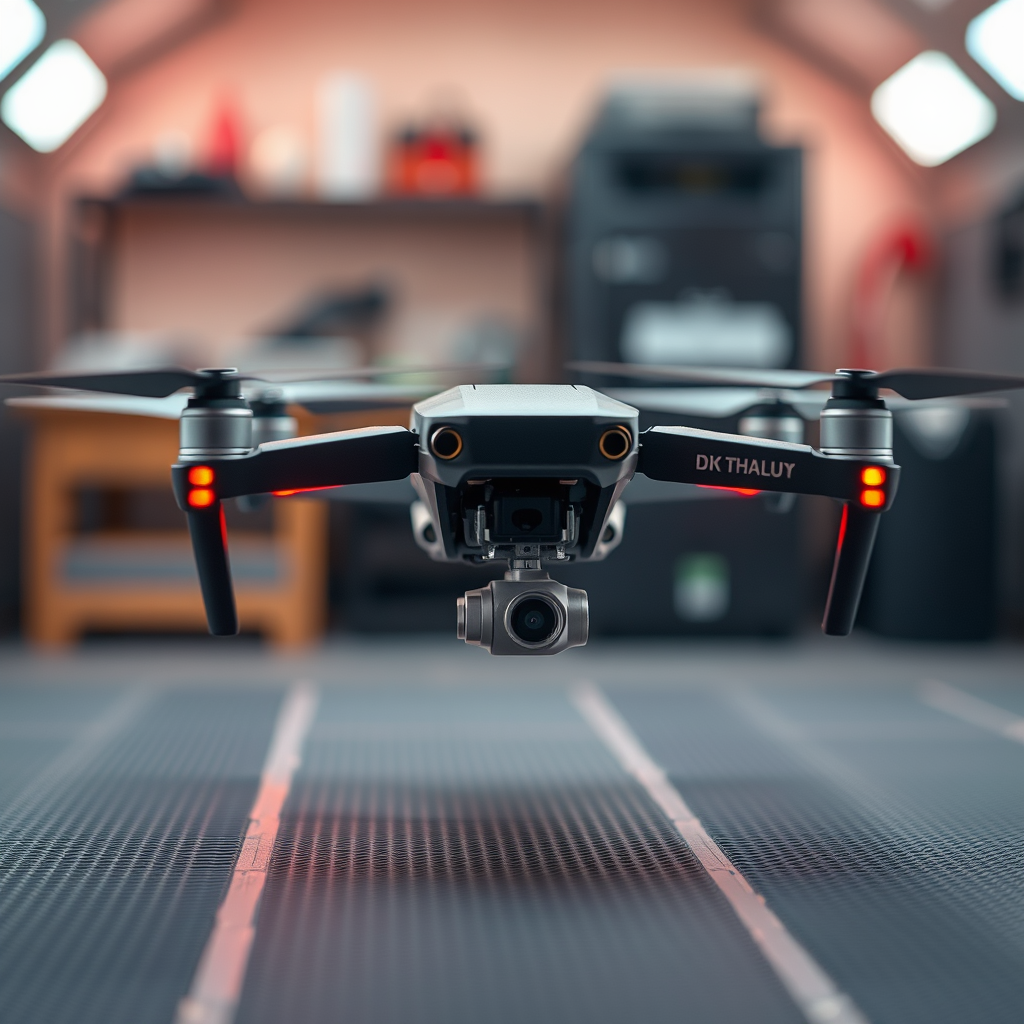
Drones cannot fly in a vacuum because they rely on air for lift and propulsion. In the absence of air, such as in a vacuum, the rotors cannot generate the necessary thrust to keep the drone airborne. This limitation stems from the fundamental principles of aerodynamics, which are crucial for the operation of any rotorcraft. In this article, we will explore the principles of drone flight, the nature of vacuums, and the implications for drone technology in extreme environments.
The Basics of Drone Flight
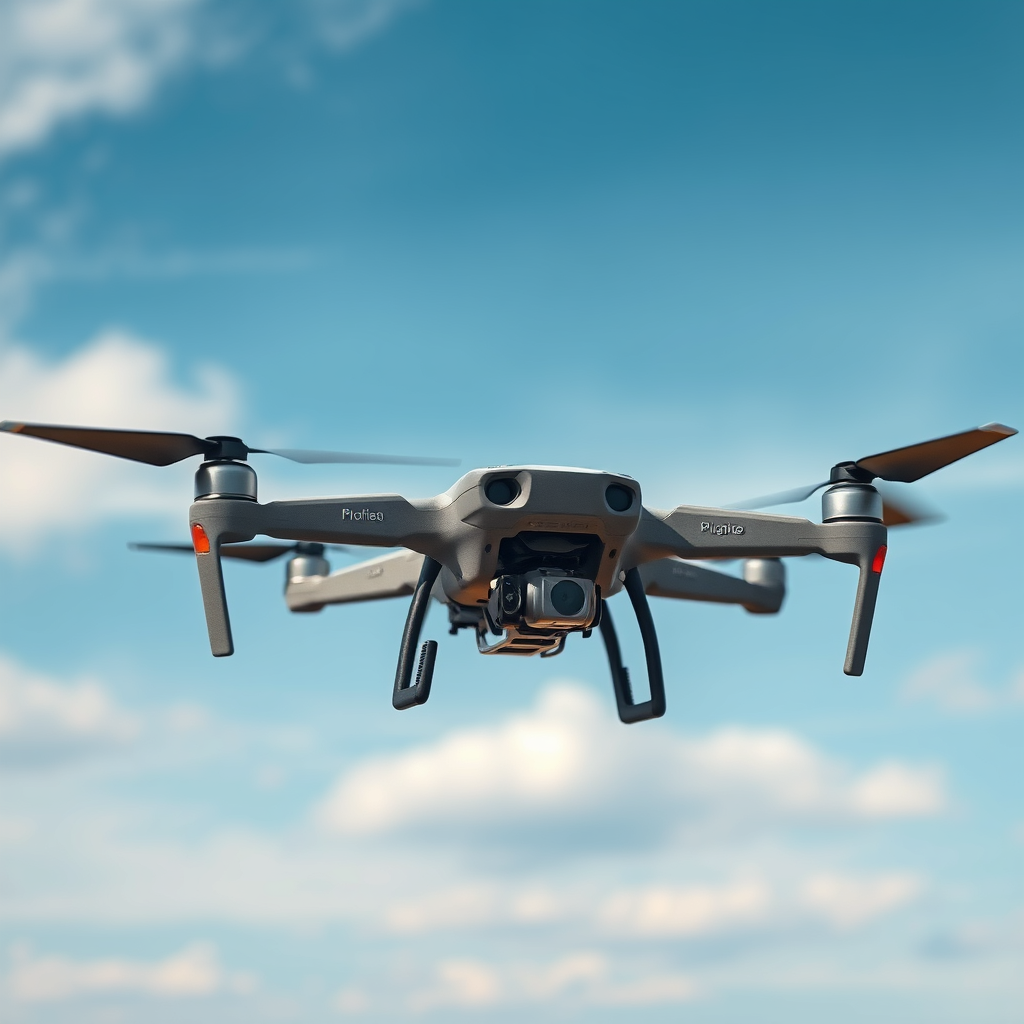
Drones, or unmanned aerial vehicles (UAVs), utilize rotors to create lift by pushing air downwards. This process is based on the aerodynamic principles that govern flight. The rotors of a drone are essentially shaped airfoils that, when spun at high speeds, displace air and create a low-pressure area above the blades while pushing air downwards. This difference in pressure generates lift, allowing the drone to ascend and maneuver in the atmosphere.
The interaction between rotor blades and air is essential for generating thrust as well. Thrust is the force that propels the drone forward, and it is created by the rotors pushing air downwards, which in turn pushes the drone upwards due to Newton’s third law of motion. This intricate relationship between lift and thrust is what enables drones to perform complex maneuvers, from hovering in place to rapid ascents and descents.
Understanding a Vacuum
A vacuum is defined as a space devoid of matter, including air. In such an environment, there is a significant lack of air pressure, which means there is no medium for drone rotors to push against. The absence of air means that the aerodynamic forces that are crucial for drone flight are eliminated. Without air, the rotor blades cannot create lift, rendering the drone unable to achieve flight.
To illustrate this concept, consider the vacuum of space, which is almost completely empty. In this environment, even the most advanced drone designs would be rendered ineffective, as they cannot generate lift or thrust. The implications of this are significant, particularly for aerospace engineering and the development of drones intended for use beyond Earth’s atmosphere.
The Physics Behind Lift and Thrust
Lift is generated when rotor blades move through air, creating a pressure difference that allows the drone to rise. This process is governed by Bernoulli’s principle and Newton’s laws of motion. When a rotor blade moves through the air, it accelerates the air downwards, which, according to Newton’s third law, results in an equal and opposite reaction that lifts the drone upwards.
In a vacuum, however, the absence of air negates the possibility of creating lift. The rotor blades cannot interact with any air molecules to generate the necessary pressure difference. Consequently, regardless of the drone’s design or technology, flight becomes impossible in such conditions. This fundamental limitation is rooted in the laws of physics and underscores the challenges faced by engineers when designing drones for extraterrestrial exploration.
Effects of Vacuum on Drone Components
While the electronic components of a drone may continue to function in a vacuum—since they do not rely on air to operate—the flight mechanisms will fail due to the lack of lift. The motors that drive the rotors will operate normally, but without air to provide the necessary resistance for lift generation, the drone will not be able to ascend or maneuver.
Additionally, sensors that rely on air pressure or environmental data will be ineffective in a vacuum. For example, altimeters that measure altitude based on air pressure differences will yield inaccurate readings, as there is no air pressure to measure. Other instruments, such as those used for navigation and environmental monitoring, may also face challenges, rendering them unsuitable for operation in such extreme conditions.
Real-World Applications and Limitations
The limitations of drones in a vacuum have significant implications for space exploration. While traditional drones are ineffective in outer space, specialized vehicles, such as rovers and landers, are designed to operate in these environments. For instance, NASA’s Mars rovers utilize wheels and other mechanisms to traverse the Martian surface, which has a thin atmosphere but is not a complete vacuum.
In terms of drone technology, alternative propulsion methods are necessary for operation in space. Concepts such as ion propulsion, which uses electric fields to accelerate charged particles, may provide a means of maneuverability in environments where traditional lift-based flight is impractical. These innovative approaches are crucial for future missions that may involve drones exploring the surfaces of other planets or conducting experiments in the vacuum of space.
Future of Drone Technology in Extreme Environments
Research is ongoing into developing drones that can operate in low or no atmosphere, such as on the Moon or Mars. These initiatives explore alternative thrust mechanisms and designs that could allow for navigation and data collection in environments where traditional rotary flight is not feasible. For instance, researchers are investigating hybrid designs that incorporate both aerial and terrestrial mobility, enabling drones to adapt to varying atmospheric conditions.
Innovations may include the integration of balloon-like structures for buoyancy in thin atmospheres, or the use of solar sails that harness solar radiation for propulsion in space. As technology advances, these solutions may pave the way for specialized drones capable of exploring and functioning in extreme environments, expanding our understanding of the universe.
In summary, while drones are fascinating devices capable of impressive feats in Earth’s atmosphere, they are fundamentally limited by the laws of physics when it comes to operating in a vacuum. The reliance on air for lift and thrust means that traditional drones cannot achieve flight in such conditions. However, as technology advances, there may be innovative solutions for specialized environments, and the future of drone technology may hold promise for exploration beyond our planet.
Frequently Asked Questions
Can a drone fly in a vacuum?
No, a drone cannot fly in a vacuum because it relies on air density to generate lift through its propellers. In a vacuum, there is no air for the propellers to push against, rendering the drone unable to create the necessary aerodynamic forces for flight. This fundamental principle of aerodynamics means that any vehicle designed to operate in Earth’s atmosphere will not function in a vacuum.
What happens to a drone’s propellers in a vacuum?
In a vacuum, a drone’s propellers would be ineffective because they require air to generate lift. Without air to push against, the propellers cannot create the downward thrust needed to lift the drone off the ground. As a result, the drone would remain stationary, and its electronic systems might still operate, but it would not be able to fly or maneuver as intended.
Why can’t drones operate in space?
Drones cannot operate in space due to the absence of atmosphere, which is essential for their lift mechanism. Space is a near-perfect vacuum, meaning there is no air or gas for the drone’s propellers to interact with. Consequently, while drones can be equipped for various environments on Earth, they are not suitable for the vacuum of space where traditional flight principles do not apply.
What alternatives do we have for flying in a vacuum?
In a vacuum, such as in space, alternatives to drones include spacecraft and rovers designed for extraterrestrial environments. These vehicles use propulsion systems that do not rely on atmospheric pressure or lift, such as rockets that expel mass at high speeds to create thrust. These systems can navigate the vacuum of space effectively, unlike drones that depend on air for operation.
Which technologies are best suited for exploration in a vacuum?
Technologies best suited for exploration in a vacuum include rocket propulsion systems, robotic landers, and satellites. Rockets are designed to operate in the absence of air, utilizing combustion to produce thrust. Robotic landers can analyze planetary surfaces, while satellites orbit celestial bodies, providing data and communication services. Each of these technologies is engineered to overcome the unique challenges posed by a vacuum environment, making them effective for space exploration.
References
- https://en.wikipedia.org/wiki/Drone
- https://www.scientificamerican.com/article/how-drones-work/
- https://www.nasa.gov/mission_pages/Commercial_Crew/overview/index.html
- https://www.bbc.com/future/article/20200217-what-is-a-drones-vacuum
- https://www.sciencedirect.com/science/article/pii/S1877050919314230
- https://www.airspacemag.com/space/what-happens-to-a-drone-in-space-180973690/
- https://www.nasa.gov/feature/nasa-tests-drone-flying-in-the-vacuum-of-space
- https://www.theguardian.com/science/2019/jun/13/how-do-drones-fly-in-space
- https://www.aaas.org/news/how-drones-could-operate-in-space-0
