

Yes, some drones can fly in light rain, but it’s generally not recommended due to potential damage and performance issues. While certain models are engineered with moisture resistance in mind, flying in wet conditions can severely compromise battery life, impair functionality, and increase the risk of accidents. In this post, we will explore the intricacies of drone waterproofing, the impact of rain on performance, and safety considerations that every drone operator should keep in mind when contemplating flying in adverse weather conditions.
Understanding Drone Waterproofing
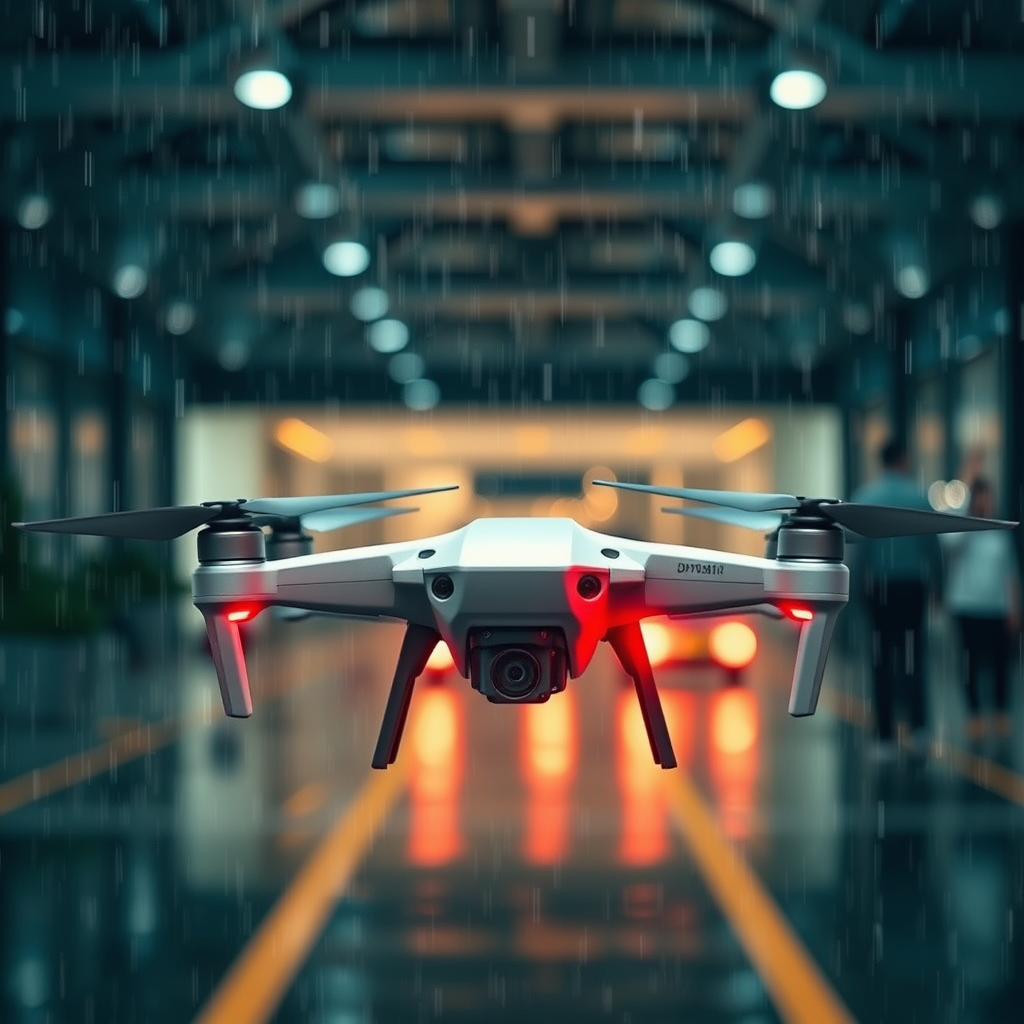
Not all drones are waterproof; many consumer models are not built for wet conditions. The majority of consumer drones, especially those priced on the lower end, lack adequate protection against moisture and water ingress. Manufacturers often specify an Ingress Protection (IP) rating, which indicates the level of water resistance. For example, an IP rating of IP54 means that the drone is protected against limited dust ingress and splashes of water from any direction. However, this does not imply that the drone can be safely flown in the rain.
On the other hand, some higher-end commercial drones, such as the DJI Matrice series, are designed with weatherproofing in mind and can withstand more challenging environmental conditions. Understanding the specifications and limitations of your drone is crucial before deciding to operate it in the rain. Always consult the manufacturer’s guidelines to ascertain the level of waterproofing and the recommended operational limits.
Impact of Rain on Drone Performance
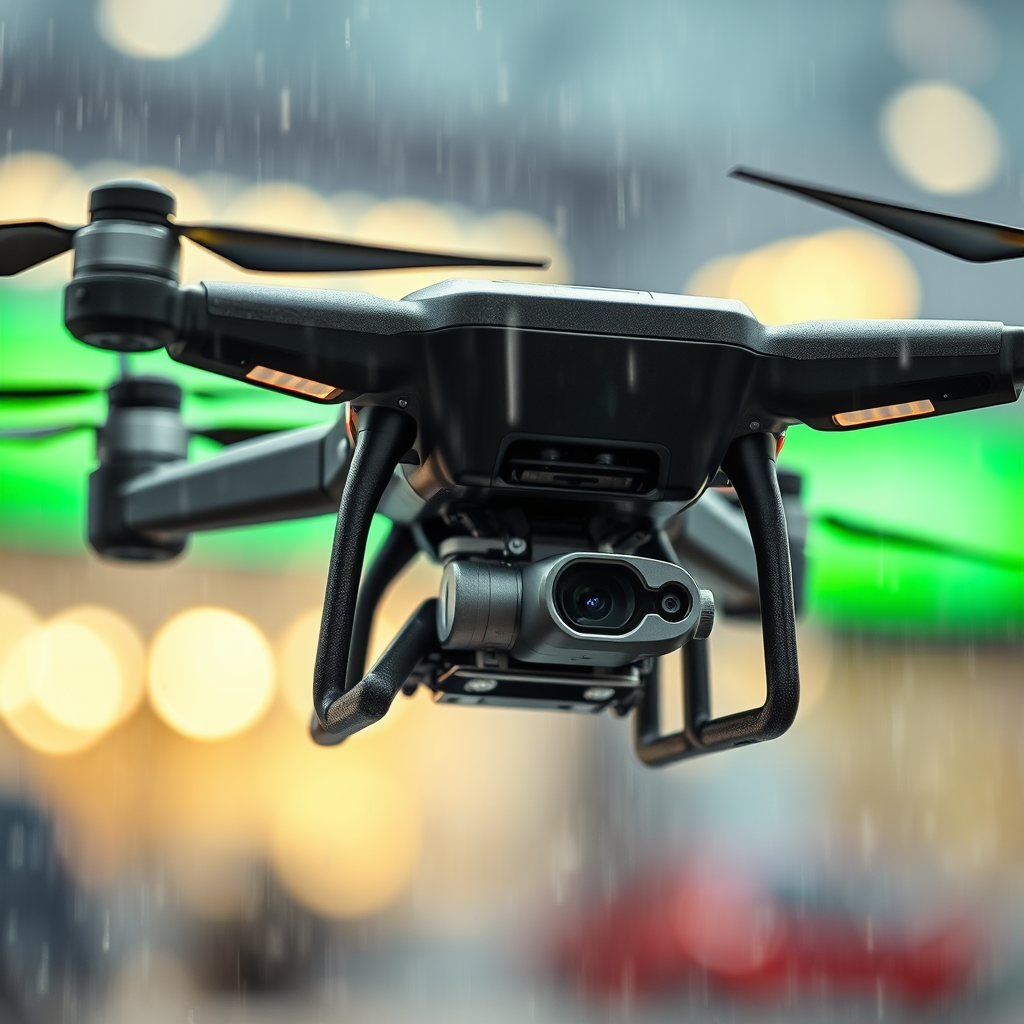
Rain can dramatically affect a drone’s sensors, leading to navigation problems and potential mishaps. Many drones rely on GPS and other sensors to maintain stability and position while flying. When exposed to moisture, these sensors can malfunction, resulting in poor performance, erratic behavior, or complete failure of the drone to respond to commands. For instance, the barometric sensors that assist in altitude control may provide inaccurate readings, causing the drone to ascend or descend unexpectedly.
Moreover, wet conditions can cause reduced visibility for onboard cameras, impacting image and video quality. This is particularly critical for drones used in photography and videography, where clarity and detail are paramount. Water droplets on the camera lens can create blurriness and distort colors, ultimately affecting the quality of the captured content. Operators may also find it challenging to visually track their drones in rainy conditions, leading to increased risks of collision and loss of control.
Battery Life and Rain
Humidity and moisture can negatively affect battery efficiency and life. Drones typically use lithium polymer (LiPo) batteries, which are sensitive to both temperature and moisture. Operating in the rain may result in increased internal resistance within the battery, leading to faster power depletion. Consequently, drone operators may find that their battery life is significantly reduced during flights in wet conditions.
Additionally, flying in rainy weather may require more power due to factors like increased aerodynamic drag and the need for the drone’s motors to work harder to maintain stability. This extra power demand can lead to quicker battery depletion, forcing operators to land sooner than anticipated. For example, a drone that typically flies for 25 minutes in optimal conditions may only last around 15-20 minutes in rainy weather, significantly limiting its operational capabilities.
Safety Considerations When Flying in Rain
Safety should always be a primary concern when considering flying a drone in the rain. Wet surfaces can cause drones to lose grip during landing, increasing the chances of crashes and damage. When a drone lands on a slick surface, it may slide or tip over, leading to potential damage to the rotors or body.
Visibility issues from rain can also lead to loss of control. Rain can obscure the operator’s line of sight, making it difficult to gauge the drone’s position and altitude, which is crucial for safe flying. Additionally, rain can interfere with the drone’s onboard camera feed, making it harder to navigate and land safely. Operators should always prioritize safety by thoroughly assessing environmental conditions and making informed decisions about when to fly.
Alternatives to Flying in Rain
Instead of attempting to fly in rainy conditions, consider waiting for clearer weather for optimal flying. Weather conditions can change rapidly, so monitoring forecasts and being patient can lead to more successful and enjoyable flying experiences.
For those eager to practice their flying skills, there are excellent alternatives to outdoor flying. Indoor flying options provide a safe environment to hone piloting skills without the risks associated with adverse weather. Additionally, drone flight simulators offer a valuable resource for training, allowing users to experience various flying scenarios in a controlled setting.
Recommended Drones for Wet Conditions
For those serious about flying in wet conditions, investing in a drone designed with weather resistance features is essential. Models such as the DJI Matrice series or the Parrot Anafi USA boast robust weatherproofing capabilities, allowing them to operate in a wider range of environmental conditions. These drones often come with higher IP ratings, indicating their ability to withstand rain and moisture without compromising performance.
Before making a purchase, it is crucial to research and choose drones that come with manufacturer-backed warranties and robust weatherproofing features. Reading reviews and user experiences can also provide insights into how well these drones perform in wet conditions and if they meet your specific flying needs.
In conclusion, while some drones can technically fly in rain, it poses significant risks and challenges. Factors such as potential damage, impaired functionality, and increased safety hazards should guide your decision-making process. Always prioritize safety and consider the environmental conditions before taking to the skies. If you’re serious about flying in adverse weather, investing in a drone designed for such conditions will not only enhance your experience but also ensure you operate within safe parameters.
Frequently Asked Questions
Can a drone fly in the rain?
While some drones are designed to withstand light rain and moisture due to waterproofing features, flying any drone in heavy rain is generally not advisable. Water can damage sensitive electronic components, impair flight performance, and increase the risk of losing control. It’s essential to check the manufacturer’s specifications and recommendations regarding weather conditions before flying.
How does rain affect drone performance?
Rain can significantly affect drone performance in several ways, including reduced visibility, compromised battery life, and increased weight due to water accumulation. Additionally, the moisture can interfere with sensors and cameras, leading to erratic behavior or poor image quality. For optimal performance, it’s best to avoid flying in rainy conditions.
What are the best drones for flying in wet conditions?
Drones specifically designed for wet conditions, such as the DJI Matrice 200 series or the SwellPro SplashDrone, feature waterproofing and corrosion-resistant materials. These drones are built to handle adverse weather, including rain, and often come with additional protection for their electronic components. Always verify the drone’s IP rating, which indicates its level of water resistance, before attempting to fly in the rain.
Why is it risky to fly a drone in the rain?
Flying a drone in the rain poses several risks, including potential water damage to internal electronics, decreased flight stability, and difficulties with navigation and control due to wet conditions. Additionally, the added weight of water can drain battery life faster, increasing the chance of an emergency landing. For these reasons, it’s crucial to prioritize safety and avoid flying in rainy weather.
How can I protect my drone from rain damage?
To protect your drone from rain damage, consider using a waterproof drone cover or a specialized rainproof casing designed for your model. Additionally, avoid flying in adverse weather conditions whenever possible, and always perform a thorough pre-flight check to ensure all components are dry. Regular maintenance and proper storage can also help prolong your drone’s lifespan and resilience against moisture.
References
- https://en.wikipedia.org/wiki/Drone
- https://www.sciencedirect.com/science/article/pii/S2352914821000800
- https://www.nytimes.com/2021/07/21/technology/drones-weather.html
- https://www.bbc.com/news/technology-49354334
- https://www.faa.gov/uas/resources/policy_library/
- https://www.nasa.gov/centers/dryden/pdf/88506main_D-5473.pdf
- https://www.mdpi.com/2504-446X/4/2/12
