
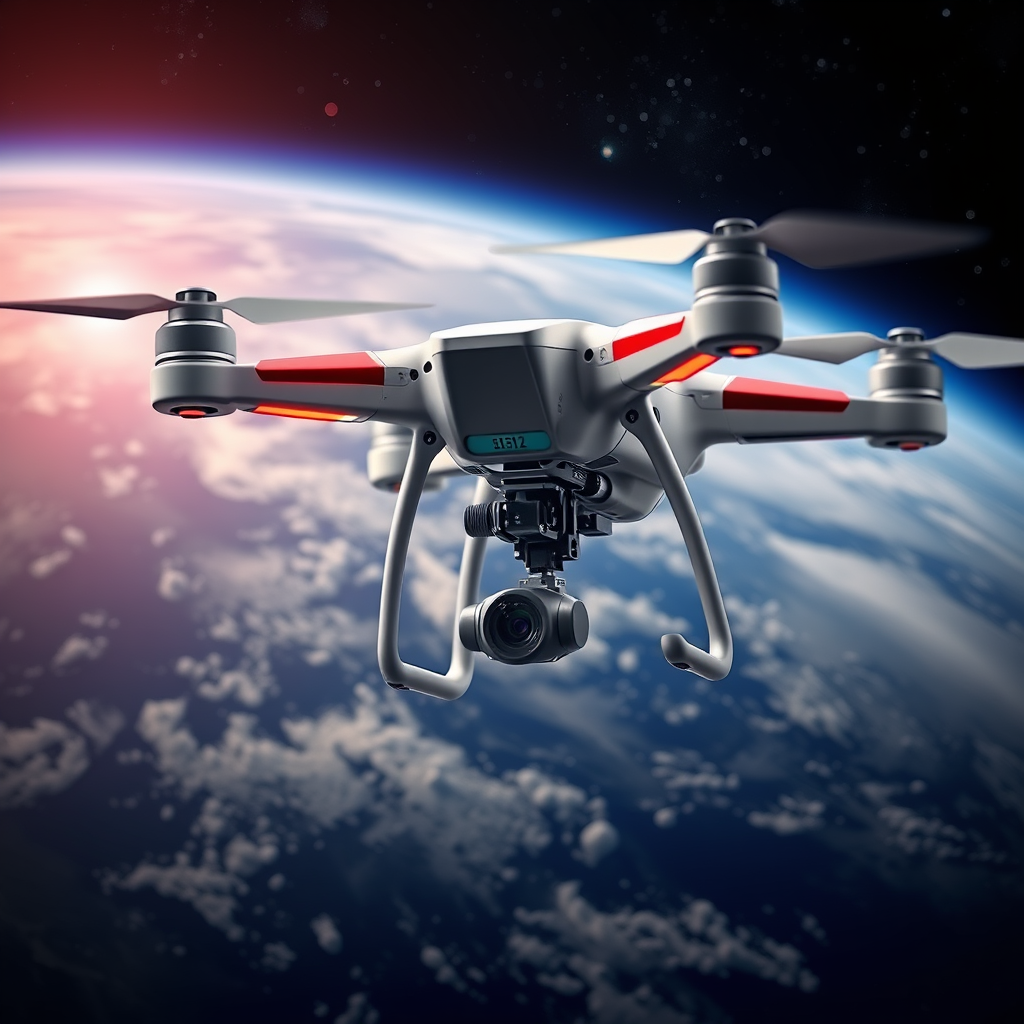
Drones cannot fly in space due to the lack of atmosphere, which is essential for their propulsion systems to function. Traditional drones rely on rotor blades that generate lift through the displacement of air, making their operation impossible in the vacuum of space. However, advancements in technology are exploring alternative aerial vehicles designed specifically for low-gravity environments, which could offer new possibilities for exploration and functionality in space missions. This article delves into the challenges and potential of drones in space, providing a comprehensive understanding of the subject.
Understanding Drone Mechanics
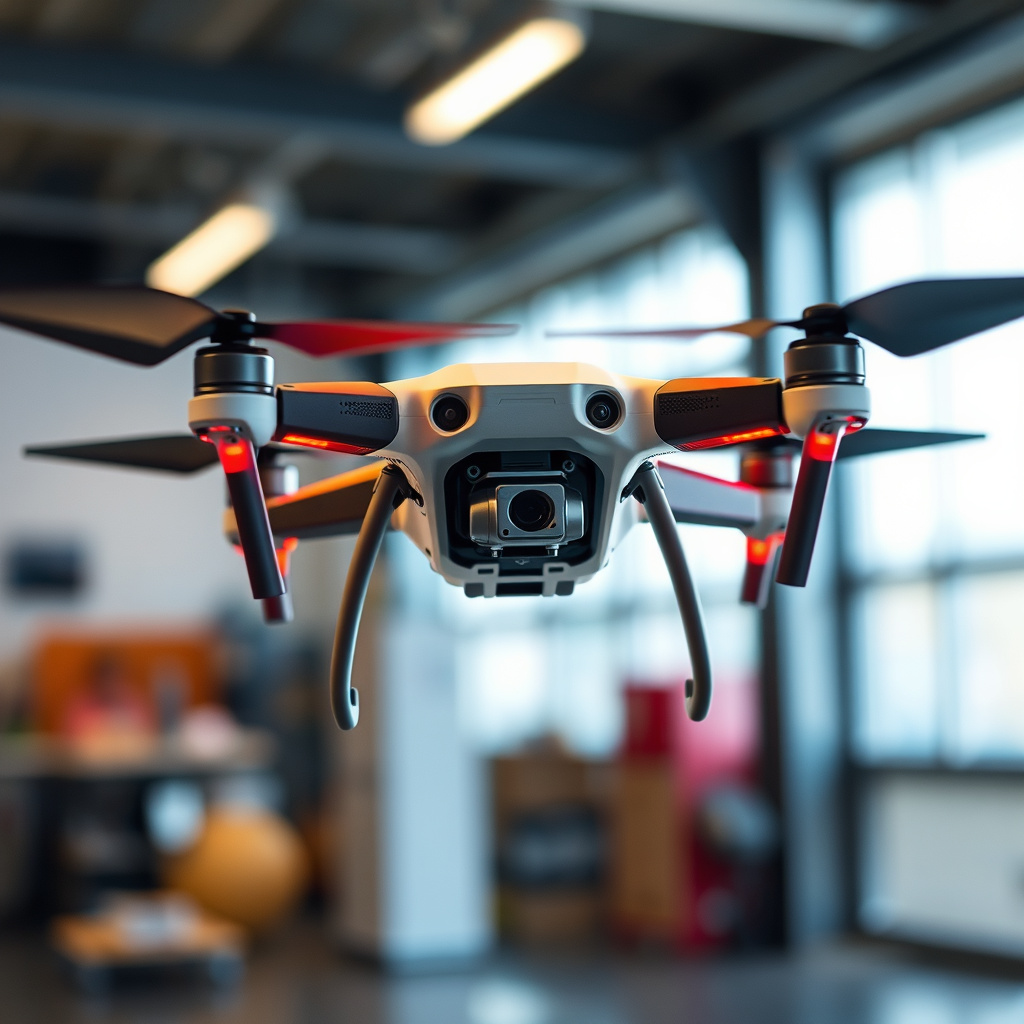
Drones, or unmanned aerial vehicles (UAVs), operate on simple yet effective mechanics that rely heavily on the principles of aerodynamics. The primary mechanism of lift in traditional drones is derived from rotor blades that rotate rapidly, creating a difference in air pressure above and below the blades. As the blades spin, they push against the air, generating lift and allowing the drone to ascend, maneuver, and hover.
In the context of space, the absence of an atmosphere fundamentally undermines this propulsion system. Since space is a near-perfect vacuum, there are no air molecules for the rotor blades to interact with, making it impossible for conventional drones to gain lift. Thus, while drones are incredibly versatile and useful on Earth, their mechanics are incompatible with the conditions found in space.
The Role of Atmosphere in Flight
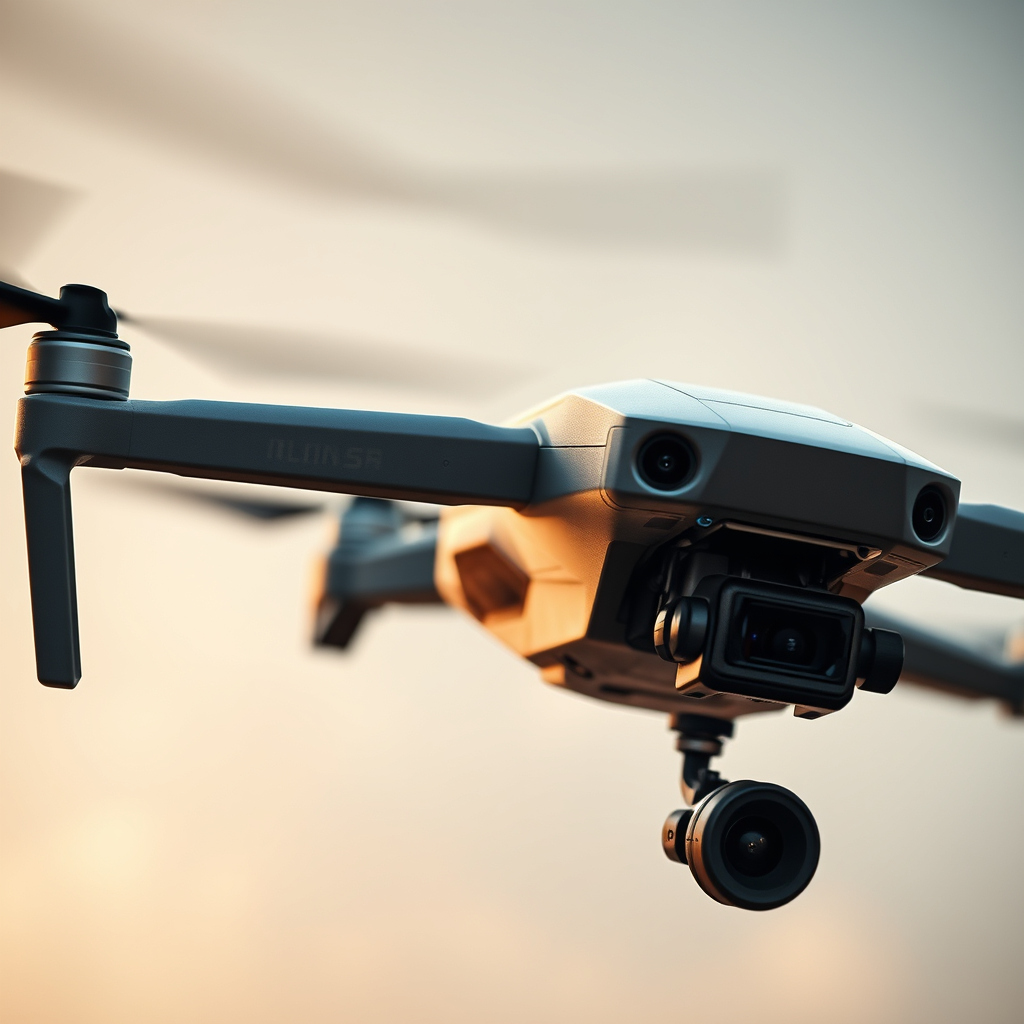
Atmospheric pressure plays a crucial role in creating lift and maintaining the flight of aerial vehicles. On Earth, the atmosphere provides a medium for drone rotors to push against, allowing for controlled flight. The concept of lift is grounded in Bernoulli’s principle, which states that an increase in the speed of a fluid occurs simultaneously with a decrease in pressure. In simpler terms, the faster air moves over the wings or rotor blades, the less pressure is exerted above them, resulting in an upward force.
Without air, as in the vacuum of space, this principle no longer applies. The lack of atmospheric pressure means that traditional propulsion systems become ineffective. Additionally, the absence of air means that other vital flight mechanics, such as drag and thrust, are also rendered moot. Thus, while drones excel in terrestrial environments, their design and operational principles are ill-suited for the conditions of space.
Current Aerial Technologies for Space
Despite the limitations of traditional drones, the exploration of different aerial technologies designed for space is an active area of research and innovation. Space agencies like NASA and private aerospace companies are investigating various vehicle designs that can operate in the harsh conditions of outer space. These include rovers, landers, and satellites, each equipped with technology tailored for their specific missions.
For instance, NASA’s Ingenuity helicopter, which accompanied the Perseverance rover to Mars, demonstrated the feasibility of aerial vehicles in low-atmosphere environments. Ingenuity operates under Mars’ thin atmosphere, which is about 1% the density of Earth’s. This mission marked a significant milestone, showcasing that aerial vehicles can provide valuable data and insights in extraterrestrial settings, albeit with specific adaptations.
Innovations in propulsion systems are also underway, with researchers exploring alternative mechanisms such as ion propulsion and rocket-based systems that could operate in low-gravity environments. These technologies may pave the way for future aerial vehicles capable of conducting a range of tasks in space.
Potential Applications for Drones in Space
The potential applications for drones and similar aerial vehicles in space are vast and varied. One of the most significant uses could be surveillance and monitoring of planetary surfaces. Aerial vehicles equipped with high-resolution cameras and sensors can provide unprecedented views of celestial bodies, offering insights into geology, weather patterns, and potential resources.
Additionally, drones could assist space missions by delivering payloads or equipment to remote locations. For example, during future lunar or Martian explorations, aerial vehicles could transport scientific instruments, supplies, or even assist in constructing habitats. This capability would enhance mission efficiency and extend the operational reach of astronauts and scientists in challenging environments.
Furthermore, drones could play a critical role in the maintenance and repair of space infrastructure. With the ability to navigate and perform tasks in low-gravity environments, these vehicles could be deployed to service satellites, space stations, or other orbital assets, ensuring their longevity and functionality.
Engineering Challenges Faced
While the potential for drones in space is promising, numerous engineering challenges must be addressed. One of the primary hurdles is adapting existing drone technology to function effectively in the vacuum of space. This includes rethinking propulsion systems, control mechanisms, and power sources.
For instance, traditional battery-powered drones may not be viable for long-duration space missions due to the limitations of current battery technology. Researchers are exploring alternative energy sources, such as solar power or nuclear batteries, which could provide a more sustainable and reliable energy supply.
Another significant challenge lies in communication delays. The distance between Earth and space can create latency in signal transmission, complicating real-time control of aerial vehicles. Engineers are investigating autonomous systems that can operate independently, utilizing onboard sensors and artificial intelligence to navigate and execute tasks without constant human oversight.
Future Innovations and Research
Ongoing research into hybrid designs that could function in various environments is critical for advancing drone technology in space. Many aerospace companies and universities are collaborating to push the boundaries of what’s possible. This collaborative effort is leading to innovative concepts that blend the mechanics of traditional drones with the requirements of space travel.
For example, researchers are developing drones that can transition between flying in an atmosphere and operating in the vacuum of space. These designs could utilize retractable wings that enable flight on planets with atmospheres while also incorporating rocket propulsion for operations in space.
Moreover, advancements in materials science are contributing to the development of lighter and more durable components that can withstand extreme temperatures and radiation found in space. Such innovations will be essential for the longevity and effectiveness of any aerial vehicles deployed beyond Earth.
As research continues, the potential for drones in space missions remains an exciting frontier. The ability to adapt and innovate in the field of aerial technology could redefine how we explore and utilize space resources.
While traditional drones cannot fly in space due to the lack of atmosphere, the exploration of new technologies and designs may open doors for aerial vehicles suited for extraterrestrial environments. As research progresses, we are likely to witness the emergence of innovative solutions that will enhance our capabilities in space exploration and utilization. The challenges are significant, but the potential rewards of successful drone implementation in space are equally immense, promising to transform our understanding of the cosmos.
Frequently Asked Questions
Can a drone fly in space?
No, a typical drone cannot fly in space due to the lack of atmosphere. Drones rely on propellers to generate lift, which requires air. In space, where there is a vacuum, there is no air to create lift, making it impossible for conventional drones to operate effectively.
What type of drone can operate in space?
Currently, there are no consumer or commercial drones designed to operate in space. However, specialized spacecraft like the Mars Helicopter, Ingenuity, are engineered to function in extraterrestrial environments. These machines are built with unique rotor designs and materials to withstand the thin atmosphere on Mars, demonstrating that with the right technology, flying in low-atmosphere environments is possible.
Why can’t traditional drones fly in outer space?
Traditional drones cannot fly in outer space primarily because they utilize propellers that need air to create lift. In the vacuum of space, there is no air pressure, rendering the propellers ineffective. Additionally, the extreme temperatures and radiation levels in space would damage the electronics and materials used in standard drones.
How do drones operate differently on other planets compared to Earth?
Drones operating on other planets, like Mars, must be designed to handle different atmospheric conditions, which are generally thinner than Earth’s atmosphere. For instance, the Mars Helicopter Ingenuity uses larger rotor blades that spin more slowly to generate sufficient lift in the low-density atmosphere. Additionally, these drones are equipped with autonomous navigation systems to compensate for the communication delay with Earth.
Which drones are best suited for high-altitude flights?
Drones designed for high-altitude flights, such as the DJI Matrice 600 or the senseFly eBee X, are built with powerful motors and advanced stabilization systems to handle low air pressure and thinner atmospheres. These drones often feature enhanced battery life and robust sensors to ensure reliable operation at higher altitudes, making them suitable for aerial photography, surveying, and scientific research in regions like mountainous terrains.
References
- https://en.wikipedia.org/wiki/Drone
- https://www.nasa.gov/mission_pages/station/research/experiments/415.html
- https://www.sciencedirect.com/science/article/pii/S2213138817302063
- https://www.theguardian.com/science/2020/sep/29/nasa-drone-mars-helicopter-ingenuity
- https://www.bbc.com/news/science-environment-56974920
- https://www.newscientist.com/article/2269440-nasa-is-using-drones-to-map-the-moon/
- https://www.space.com/drone-technology-in-space-exploration.html
