
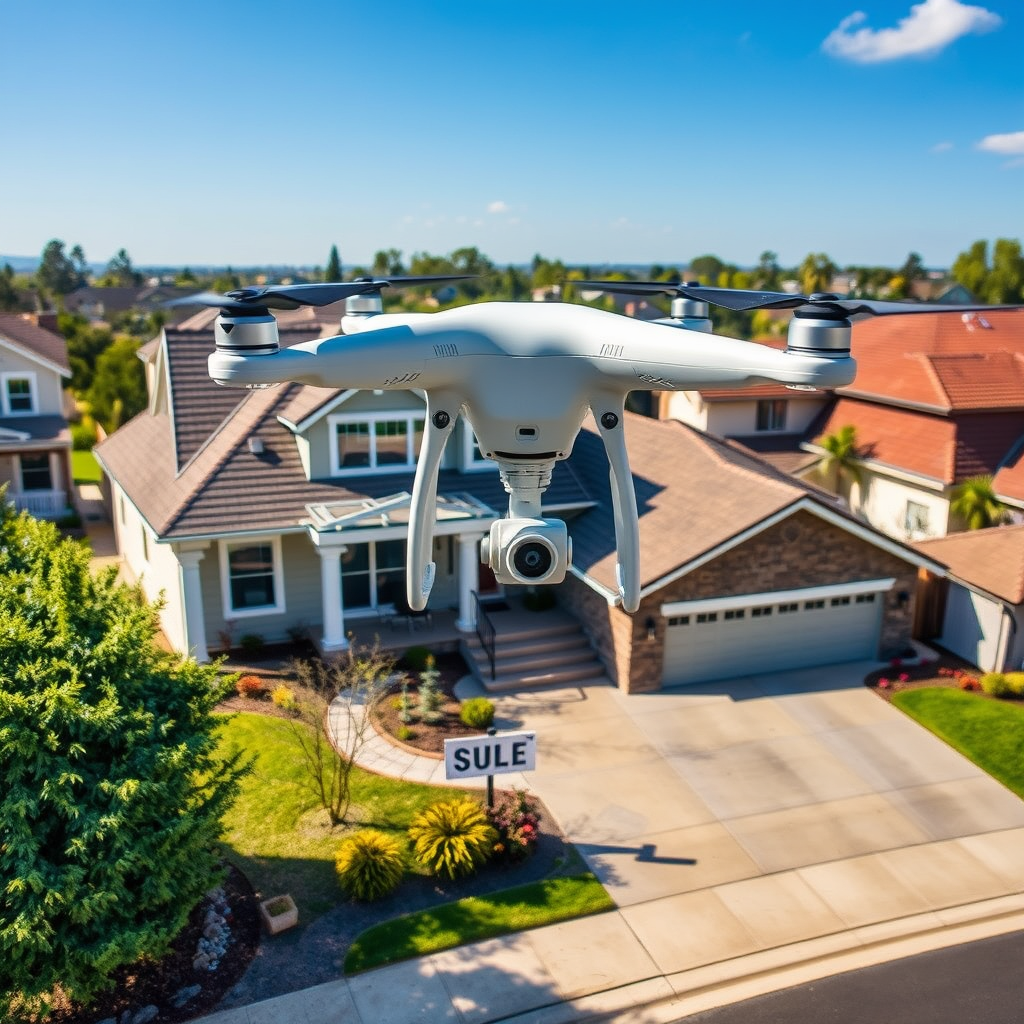
Yes, a drone can legally fly over private property, but there are important regulations and considerations to keep in mind. Understanding the laws governing drone operations, including Federal Aviation Administration (FAA) regulations, local ordinances, and property rights, is crucial for both drone operators and property owners. This article will explore the legal framework surrounding drone flights, address privacy concerns, and outline best practices for responsible drone operation.
Understanding Drone Regulations
Drones, also known as Unmanned Aerial Vehicles (UAVs), must comply with a set of regulations established by the FAA. These regulations include altitude limits, which typically restrict drone flights to below 400 feet in uncontrolled airspace. Additionally, drone operators are prohibited from flying in designated no-fly zones, which can include areas near airports, military bases, and other sensitive locations.
Beyond federal regulations, local and state laws may impose additional restrictions on drone operations. For instance, some municipalities have enacted ordinances that limit drone usage in residential areas or during specific times. It is essential for drone operators to familiarize themselves with both federal and local regulations to ensure compliance and avoid potential legal issues.
Property Rights and Airspace
The legal principle of “navigable airspace” is crucial in understanding the relationship between drone flights and private property. Generally, the FAA defines navigable airspace as the airspace above the ground up to a certain altitude, which allows drones to operate within this space legally. However, property owners do have rights to the airspace immediately above their land, but these rights are limited.
For example, a property owner may have the right to prevent a drone from flying directly above their house at a low altitude, where it could intrude on their privacy. Courts have historically upheld certain property rights regarding the airspace above land, but the extent of these rights is still a matter of ongoing legal debate. Operators should be aware that while they may have the right to fly in navigable airspace, they must also consider the implications of infringing upon a property owner’s airspace rights.
Privacy Concerns
Flying drones over private property may raise significant privacy issues for landowners. The ability of drones to capture high-resolution images and videos from an aerial perspective can lead to concerns about surveillance and intrusion into personal space. As drones become more accessible and prevalent, property owners are increasingly voicing their apprehensions regarding privacy violations.
Operators should be mindful of local privacy laws and community standards when flying over private property. For instance, some states have enacted laws that specifically address drone use in relation to privacy, prohibiting the recording of individuals or private property without consent. It is advisable for drone operators to familiarize themselves with these laws to avoid potential legal disputes and maintain good relations with the community.
Best Practices for Drone Operators
To mitigate potential conflicts and foster a positive relationship with property owners, drone operators should adhere to best practices when flying over private property. First and foremost, seeking permission from property owners before conducting drone flights is a respectful approach that can prevent misunderstandings. This is especially important if the flight involves capturing images or videos.
Maintaining a respectful distance is also crucial; operators should avoid flying directly over private residences or sensitive areas unless necessary. Additionally, operators should refrain from intrusive behavior, such as hovering over backyards or attempting to capture footage of private events. By demonstrating respect for property rights and privacy, drone operators can minimize disputes and enhance their reputation within the community.
Consequences of Violating Regulations
Violating drone laws can lead to serious consequences, including fines, legal action, or even the loss of flying privileges. The FAA has the authority to enforce regulations and impose penalties on operators who fail to comply. For instance, fines can range from hundreds to thousands of dollars, depending on the severity of the violation.
Furthermore, local law enforcement may also impose penalties for violations of city or state ordinances related to drone use. It is essential for drone operators to stay informed about local laws to avoid conflicts and legal repercussions. By understanding the regulations governing drone flights, operators can conduct their activities responsibly and avoid costly mistakes.
The Role of Technology in Drones
Advances in drone technology have played a significant role in enabling safer and more responsible flying. Modern drones are equipped with features such as GPS tracking, geofencing, and obstacle avoidance systems, which enhance operational safety and compliance with regulations. These technological advancements not only help prevent accidents but also support drone operators in adhering to legal requirements.
Additionally, utilizing apps and tools designed for drone operators can help individuals stay informed about regulations, no-fly zones, and local airspace restrictions. Many drone navigation apps provide real-time information about airspace status, allowing operators to plan flights more effectively and responsibly. By leveraging technology, drone operators can enhance their operational capabilities while ensuring compliance with the law.
Future of Drone Regulations
As drone technology continues to evolve, ongoing discussions about drone legislation may significantly impact future flying rights. Regulatory bodies, including the FAA, are actively assessing the implications of widespread drone use on privacy, safety, and airspace management. Potential changes could include more stringent regulations or new frameworks for integrating drones into the national airspace system.
Operators should stay updated on changes in laws and public sentiment regarding drone use. Engaging with local drone communities, participating in forums, and following relevant news sources can provide valuable insights into emerging trends and legislative developments. By remaining informed, drone operators can adapt to new regulations and continue to operate their UAVs responsibly.
In conclusion, while drones can legally fly over private property, operators must navigate a complex web of regulations and respect for others’ rights. Understanding FAA guidelines, local laws, and property owners’ privacy concerns is vital for responsible drone operation. By adhering to best practices and staying informed, drone operators can ensure a positive experience for everyone involved while contributing to a safe and respectful aerial environment.
Frequently Asked Questions
What are the legal restrictions for flying a drone over private property?
The legal restrictions for flying a drone over private property can vary significantly depending on the country and local regulations. In the United States, the Federal Aviation Administration (FAA) allows drone flights over private property as long as the operator adheres to specific guidelines, including maintaining visual line of sight and flying below 400 feet. However, it’s essential to be aware of state laws and local ordinances that may impose additional restrictions, such as no-fly zones or privacy laws that protect property owners from potential invasion of privacy.
How can I find out if I can legally fly my drone over someone’s home?
To determine if you can legally fly your drone over someone’s home, start by checking local laws and regulations regarding drone usage in your area. You can consult the FAA website for federal regulations, and local government websites or ordinances for specific rules. Additionally, using drone mapping tools and apps can help you identify restricted airspace and no-fly zones, ensuring you comply with all regulations while respecting the privacy of property owners.
Why do some people oppose drones flying over private property?
Many people oppose drones flying over private property due to concerns about privacy invasion, noise pollution, and safety issues. Drones equipped with cameras can capture images or videos without consent, leading to fears of surveillance and loss of personal privacy. Moreover, concerns about drones crashing or causing accidents can also contribute to public resistance, prompting some individuals to advocate for stricter regulations to protect their rights and safety.
What should I do if a drone is flying over my property without permission?
If a drone is flying over your property without permission, the first step is to document the incident by taking photos or videos and noting the time and date. You can then try to identify the drone operator, as they may be nearby. If the drone’s presence is intrusive or violates your privacy, you may contact local law enforcement or report the incident to the FAA, which can investigate potential violations of drone regulations.
Which drone apps can help me understand airspace restrictions for flying over private property?
Several drone apps can help you understand airspace restrictions when flying over private property. Popular options include “B4UFLY,” which provides real-time information on airspace regulations and no-fly zones, and “Drone Buddy,” which offers a comprehensive map of controlled airspace. Other apps like “AirMap” allow users to check airspace status and even request authorization for flights in restricted areas, ensuring you stay compliant with all legal requirements while flying.
References
- https://en.wikipedia.org/wiki/Drone_laws_in_the_United_States
- https://www.faa.gov/uas/resources/policy_library/
- https://www.npr.org/2019/07/09/739718420/drone-flying-over-private-property-raises-legal-questions
- https://www.abc.net.au/news/2021-09-14/drones-flying-over-private-property-legal-issues/100459244
- https://www.washingtonpost.com/technology/2021/03/04/drone-privacy-laws/
- https://www.nolo.com/legal-encyclopedia/drone-law-faq-32243.html
- https://www.americanbar.org/groups/science_technology/publications/abi-technology-alert/2020/june/drone-privacy-issues/
- https://www.theguardian.com/technology/2020/sep/22/drones-privacy-rights-uk-laws
