
Yes, a drone can fly over your property, but there are important legal and privacy considerations to keep in mind. Understanding these regulations and potential implications is crucial for property owners who wish to assert their rights while navigating the evolving landscape of drone technology. As drone usage becomes increasingly commonplace, knowing the legal framework and addressing privacy concerns can help you manage any issues that may arise from drone activity in your vicinity.
Understanding Drone Laws
The primary authority regulating drone usage in the United States is the Federal Aviation Administration (FAA). The FAA has established a comprehensive set of guidelines that govern how drones operate within national airspace. According to FAA regulations, drones must be flown below 400 feet in uncontrolled airspace and must remain within the visual line of sight of the operator. Moreover, commercial drone operators are required to hold a Part 107 certificate, which ensures they have met specific training and knowledge standards.
In addition to FAA regulations, local laws may impose additional restrictions on drone flights, especially in residential areas. For instance, some municipalities have enacted ordinances that prohibit drone flights over private properties without the owner’s consent. These local regulations can vary widely, making it essential for drone operators to familiarize themselves with the laws specific to their area before launching their devices. Property owners should also be aware of these local laws, as they can provide additional avenues for addressing unwanted drone activity.
Property Rights and Airspace
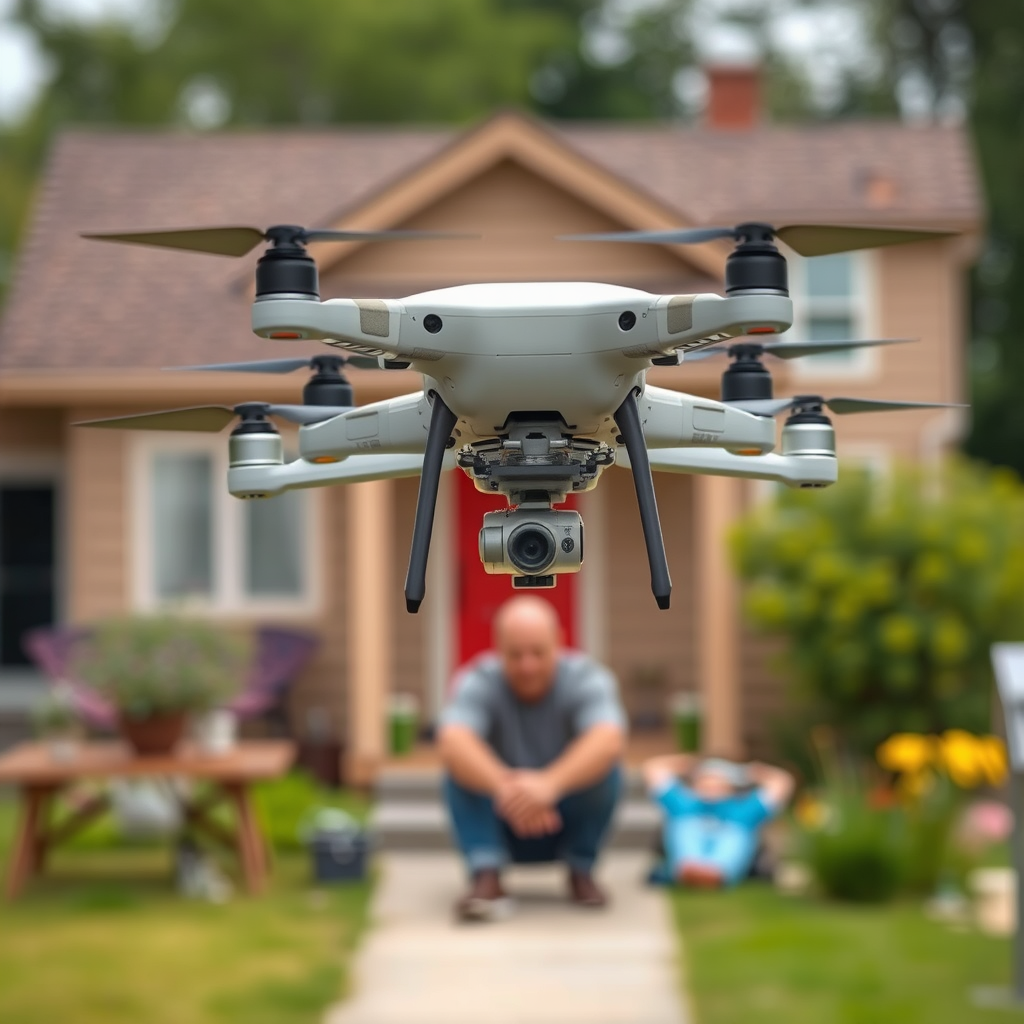
Property rights extend not only to the ground beneath a property owner’s feet but also to the airspace above it. Generally, property owners have rights to the airspace above their land up to a certain altitude, often interpreted as 500 feet. However, the precise delineation of these rights can vary depending on local laws and court interpretations.
Drones flying at lower altitudes may infringe upon these rights, leading to potential legal disputes. For example, if a drone repeatedly hovers 20 feet above your backyard, an argument can be made that this constitutes an invasion of your airspace and privacy. Some legal experts suggest that property owners may have grounds for a nuisance claim if drone activity significantly interferes with their enjoyment of their property. Understanding these nuances can empower property owners to take appropriate action if they feel their rights are being violated.
Privacy Concerns
The rise of drones equipped with high-definition cameras has amplified privacy concerns for homeowners. Drones can easily capture images and videos of private spaces, leading to potential surveillance issues. In many states, laws regarding surveillance and privacy are evolving to address these concerns, but they can vary significantly from one jurisdiction to another.
For example, several states have enacted laws that explicitly prohibit the use of drones to capture images of individuals in private spaces without their consent. Additionally, some states have laws that protect individuals from being recorded in situations where they have a reasonable expectation of privacy, such as in their own backyards. Homeowners who find themselves under drone surveillance should familiarize themselves with their state’s privacy laws and consider reaching out to legal counsel if they believe their rights are being infringed upon.
Potential Exceptions and Permissions
While drones are often subject to broad regulations, certain exceptions and permissions can apply depending on the circumstances. Some localities may require drone operators to obtain permits for flights over private property, particularly in residential neighborhoods or near sensitive areas such as schools or hospitals. These regulations are designed to mitigate potential conflicts and ensure that drone use does not disrupt the community.
Furthermore, open communication with neighbors can sometimes alleviate concerns regarding drone use. For instance, if a neighbor frequently flies a drone for recreational purposes, discussing the activity openly may lead to mutual agreements about flight times or altitudes, ultimately fostering a better understanding and reducing friction. Being proactive in addressing these concerns can create a more harmonious living environment.
Drone Use for Commercial Purposes
Commercial drone operators face stricter regulations compared to recreational users, primarily to ensure safety and accountability. For instance, businesses utilizing drones for aerial photography, surveying, or deliveries must comply with FAA regulations, including obtaining a Part 107 license and adhering to operational guidelines. Furthermore, commercial drone use may entail additional legal implications, such as liability issues arising from property damage or privacy infringements.
For example, if a commercial drone captures images of a private property without consent, the property owner may have grounds for a lawsuit against the operator. Businesses should be aware of these potential legal ramifications and take steps to acquire necessary permissions when flying drones over private property. This can include obtaining explicit consent from property owners or ensuring that their operations adhere to local regulations.
What to Do If You Encounter a Drone
If you encounter a drone that you believe is violating your privacy or property rights, it’s crucial to document the drone’s activity. This can involve taking notes on the time, location, and nature of the drone’s flight, as well as any potential impacts it may have on your privacy or enjoyment of your property. High-quality photographs or videos can also serve as valuable evidence should you need to escalate the issue.
Subsequently, consider contacting local law enforcement or regulatory agencies to report any concerns. Many jurisdictions have established channels for addressing complaints related to drone activity, and law enforcement may be able to intervene if the drone is found to be operating illegally. Additionally, consulting with legal professionals who specialize in property and aviation law can provide clarity on your rights and the best course of action.
In conclusion, while drones can indeed fly over your property, it is essential to be aware of the legal frameworks and privacy issues surrounding their use. The FAA regulations, local laws, property rights, and privacy considerations all intertwine to create a complex landscape for both drone operators and property owners. By staying informed and proactive, you can better protect your rights and interests in the face of increasing drone activity, ensuring that your property remains a secure and private space.
Frequently Asked Questions
Can a drone fly over my property without my permission?
Generally, drones are allowed to fly over private property as long as they are within the legal altitude limits and comply with FAA regulations. However, the owner of the property may have the right to request that the drone operator refrain from flying over their land, especially if they feel their privacy is being invaded. It’s important to understand local laws and regulations, as they can vary by state or municipality.
What laws govern drone flights over private property?
Drone flights over private property are primarily regulated by federal law in the United States, specifically through the Federal Aviation Administration (FAA). This includes rules regarding altitude limits and airspace classifications. Additionally, individual states may enact laws that provide further restrictions or rights concerning drone operations, so it’s crucial to research both federal and local regulations before operating a drone.
How can I protect my privacy from drones flying over my property?
To protect your privacy from drones, you can take several steps. First, familiarize yourself with local laws concerning drone usage to understand your rights. You may also consider installing privacy screens or planting trees to obstruct the view from above. Engaging in dialogue with drone operators or neighbors who may be using drones can also help establish boundaries and mutual respect regarding privacy.
What should I do if a drone is flying over my property frequently?
If a drone is frequently flying over your property and you find it bothersome, start by identifying the operator if possible, and kindly express your concerns. If that doesn’t resolve the issue, you can file a complaint with local law enforcement or the FAA if you believe the drone is violating privacy laws or airspace regulations. Documenting the incidents can also help in addressing the situation effectively.
Which drones are allowed to fly over residential areas?
Most consumer drones, as long as they are registered with the FAA and comply with regulations, can fly over residential areas. Drones must be flown under 400 feet and remain within the operator’s line of sight. However, specific restrictions may apply depending on local laws, airspace classifications, and privacy considerations, so always check your local regulations before operating a drone in residential zones.
References
- https://en.wikipedia.org/wiki/Drone#Legal_issues
- https://www.faa.gov/uas/getting_started/part_107
- https://www.nolo.com/legal-encyclopedia/drone-law-legal-issues-29960.html
- https://www.privacyinternational.org/explainer/2841/drones-and-privacy
- https://www.ncsl.org/research/telecommunications-and-information-technology/drone-legislation-state-state.aspx
- https://www.theguardian.com/technology/2021/jul/22/drone-law-privacy-issues
- https://www.bbc.com/news/technology-47934283
- https://www.ajc.com/news/georgia-news/your-rights-when-it-comes-to-drones-in-georgia/NN4U6HA5G5H5DNY6A7KDQDJQCA/
