
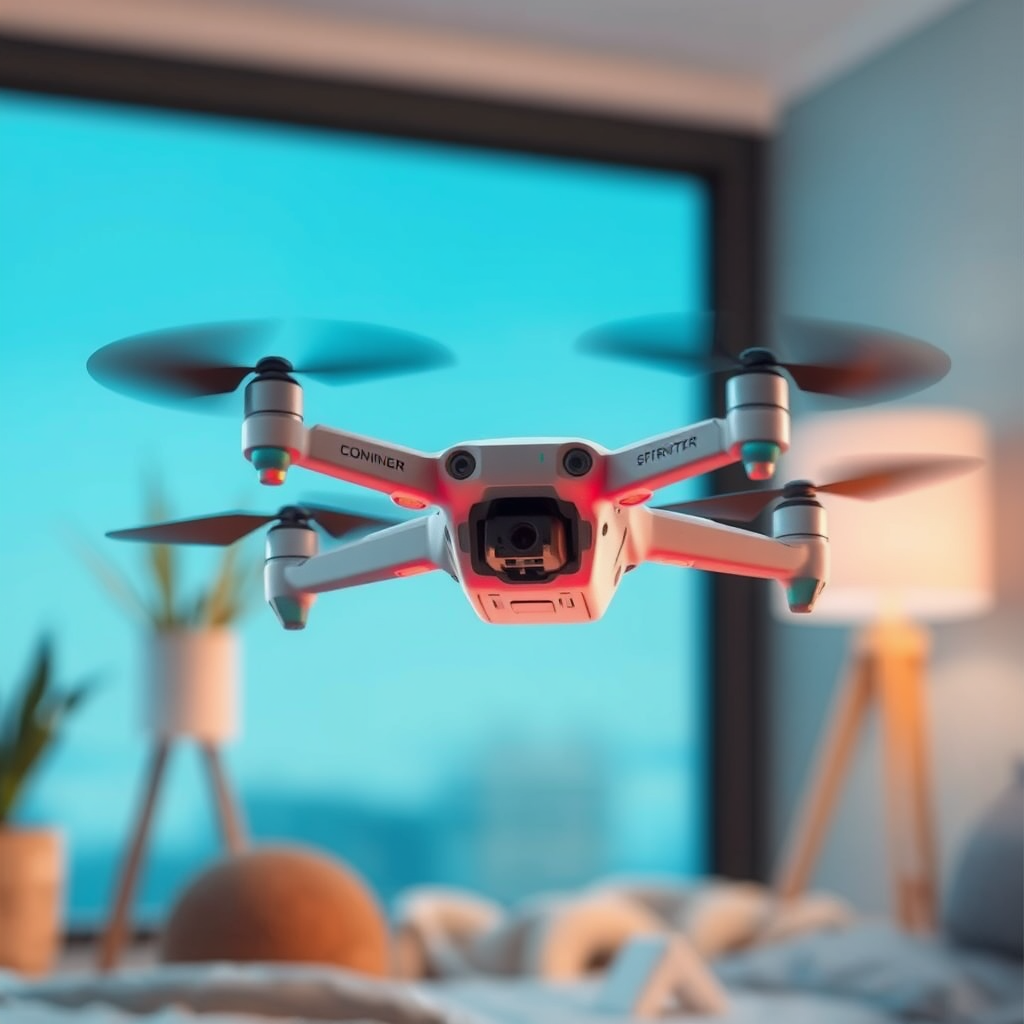
Drones, in their current form, cannot fly to space due to several technological and environmental limitations. However, the concept raises intriguing questions about drone capabilities and the future of aerial vehicles. This article explores the challenges and possibilities of drones reaching space, focusing on their operational constraints, the physics of space travel, and the potential for innovation in drone technology.
Understanding Drones and Their Limitations
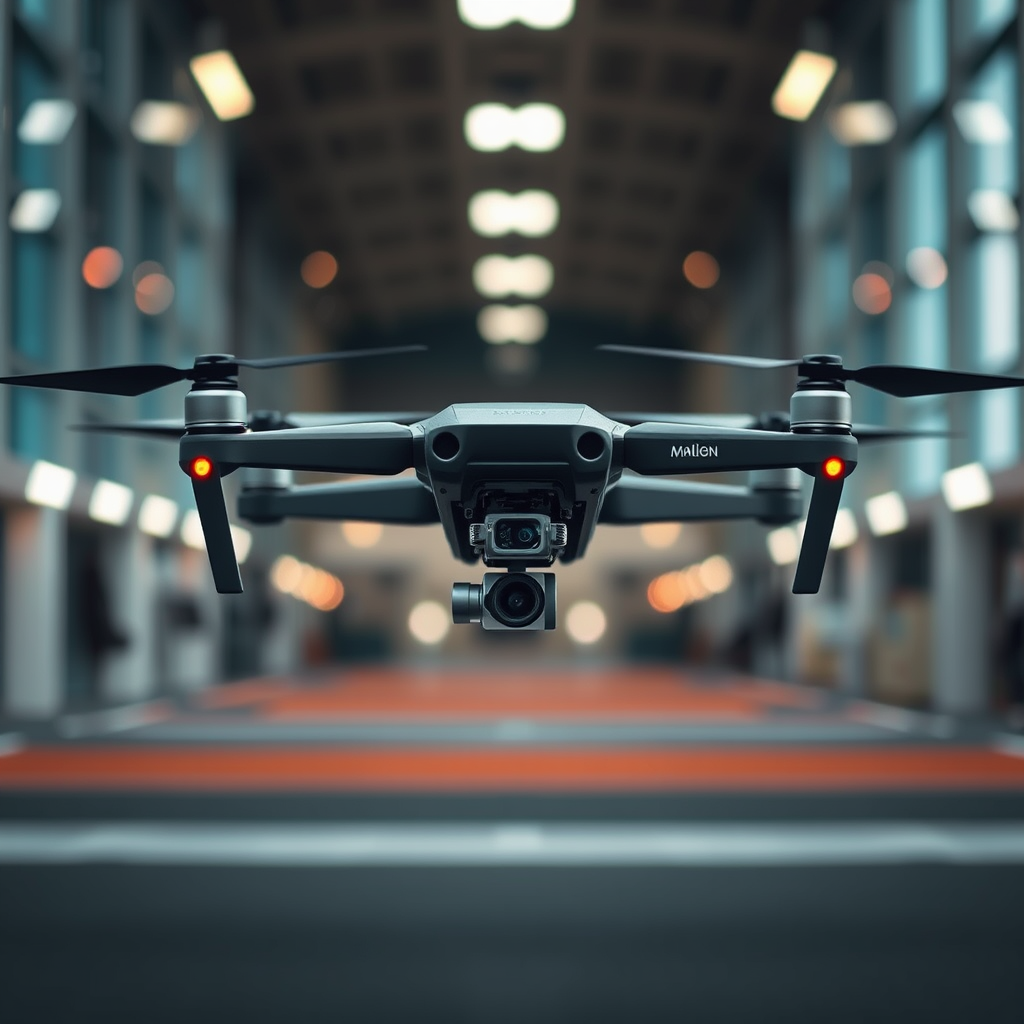
Drones operate within the Earth’s atmosphere, relying on the presence of air to generate lift and maintain control during flight. They utilize aerodynamic principles, such as wing design and rotor movement, to achieve flight within a specific altitude range. The Federal Aviation Administration (FAA) typically restricts commercial drones to an altitude of around 400 feet, which is significantly lower than the Kármán line—a widely accepted boundary of space located at 62 miles above sea level. This altitude limitation stems from the fact that drones are designed for atmospheric flight, where they can make use of air density and pressure to function effectively.
Moreover, drones depend on battery power or fuel for propulsion, which limits their operational range and endurance. As altitude increases, the air becomes thinner, diminishing lift and making it increasingly difficult for drones to maintain flight. Therefore, the fundamental design of current drones inherently restricts them from achieving the necessary conditions required to operate in the vacuum of space.
The Physics of Spaceflight
Spaceflight requires overcoming Earth’s gravitational pull, an endeavor that current drone technology is not equipped to handle. Rockets are specifically engineered with powerful propulsion systems designed to generate thrust sufficient to escape the atmosphere and break free from gravitational forces. These propulsion systems often utilize liquid or solid fuel, which can produce the immense energy necessary for launch and ascent into space.
In contrast, drones are not designed to produce the required thrust for such activities. Their propulsion systems are optimized for horizontal movement and stability within the atmosphere rather than vertical ascent to escape velocity. The physics of spaceflight involves complex factors including velocity, acceleration, and gravitational forces, which current drone technology cannot efficiently navigate. This fundamental difference underscores the challenges that must be addressed before drones can approach the prospects of space travel.
Technological Innovations in Drone Design
The evolution of drone technology has opened pathways for innovative designs that might one day accommodate space travel. Researchers and engineers are exploring various concepts that could potentially bridge the gap between drone capabilities and the requirements of space exploration. Advances in materials science, aerodynamics, and propulsion technology could lead to new drone designs that address the fundamental issues associated with spaceflight.
One promising avenue of research is the development of hybrid drones that combine traditional drone capabilities with rocket propulsion systems. These hybrid vehicles could operate effectively within the atmosphere and possess the ability to transition into space. By integrating rocket technology with drone design, these vehicles could harness the benefits of both flight paradigms, allowing for a more versatile approach to aerial exploration. However, significant advancements in energy storage and propulsion efficiency must occur for this vision to materialize.
Potential Uses for Drones in Space Exploration
While current drones cannot reach space, they could play a significant role in assisting astronauts and spacecraft on celestial bodies that have atmospheres, such as Mars. The development of drones capable of operating in these environments could enhance reconnaissance efforts and data collection, particularly in areas that are challenging for traditional rovers or probes to access. For instance, drones could survey large swaths of terrain, capturing high-resolution images and gathering critical scientific data that informs human exploration efforts.
Additionally, drones could assist in the construction of habitats or infrastructure on other planets. By carrying out tasks such as material transport, site surveying, and environmental monitoring, drones could streamline operations and increase efficiency in extraterrestrial environments. This emerging role of drones in space exploration highlights their potential to complement and enhance human capabilities in future missions.
Current Research and Developments
Organizations such as NASA and private aerospace companies are actively investigating innovative designs that may enable drone-like vehicles to operate in low-gravity environments. Projects are underway to test drones in conditions that simulate extraterrestrial atmospheres, allowing researchers to gather valuable data on how drones could function in these unique settings. For example, NASA’s Mars Helicopter, Ingenuity, has successfully demonstrated powered flight on Mars, showcasing the feasibility of drone technology in an extraterrestrial atmosphere.
Moreover, advancements in artificial intelligence (AI) and autonomous navigation are leading to the development of drones that can operate independently in space or on other planets. These autonomous systems could be equipped with advanced sensors and decision-making algorithms, enabling them to adapt to changing environmental conditions and execute complex tasks without direct human intervention. This research is pivotal in expanding the potential applications of drones in space exploration.
The Future of Drones in the Space Industry
The integration of drones in space missions has the potential to revolutionize how we explore and interact with other celestial bodies. As technology continues to advance, the development of drone-like vehicles capable of venturing beyond the Earth’s atmosphere may become a reality. Ongoing research in materials science, energy systems, and propulsion technologies will play a crucial role in shaping the future of drones in the space industry.
The concept of utilizing drones for space exploration also aligns with broader goals of sustainability and efficiency in space missions. As we aim to explore more distant planets and moons, the use of drones could minimize the risks associated with human exploration and enhance our ability to gather critical data in challenging environments.
In summary, while current drones cannot fly to space, ongoing advancements in technology and innovative designs may pave the way for aerial vehicles that can operate beyond the atmosphere. As researchers continue to explore the potential of drones in space exploration, the future of this technology remains an exciting frontier with endless possibilities. Stay informed about developments in this exciting field!
Frequently Asked Questions
Can a drone actually fly to space?
No, drones are not designed to fly to space. Most consumer and commercial drones are built to operate within the Earth’s atmosphere, typically at altitudes below 400 feet. The environment of space, including the lack of oxygen and extreme temperatures, requires specialized equipment and technology that standard drones do not possess.
What are the main limitations that prevent drones from flying to space?
The primary limitations include the drone’s reliance on propellers that require atmospheric pressure to generate lift, the lack of sufficient power and fuel capacity to reach the velocity needed to escape Earth’s gravity, and the need for pressurization and thermal protection systems that drones do not have. Additionally, drones are not equipped to handle the vacuum of space or the intense radiation found beyond the atmosphere.
How high can drones typically fly before they are restricted?
In many countries, including the United States, the Federal Aviation Administration (FAA) regulates drone flights to a maximum altitude of 400 feet above ground level. Some drones can technically reach higher altitudes, but flying above this limit can lead to safety risks and legal repercussions, as it may interfere with manned aircraft operations and violate airspace regulations.
Why are rockets used instead of drones for space exploration?
Rockets are specifically engineered for space travel, featuring powerful propulsion systems that can generate the necessary thrust to overcome Earth’s gravitational pull. Unlike drones, rockets are designed to operate in the vacuum of space, with systems to manage extreme temperatures and pressures. Additionally, rockets carry payloads and scientific instruments necessary for exploration, which drones cannot accommodate.
Which drones are suitable for high-altitude research, and how far can they go?
High-altitude research drones, such as weather balloons or specialized UAVs like the Global Hawk, can reach altitudes of 60,000 feet or more. These drones are equipped with advanced technology to gather atmospheric data, but they still operate within the Earth’s atmosphere. They are not capable of reaching space, as the Kármán line, which defines the boundary of space, is at 62 miles (100 kilometers) above sea level.
References
- https://en.wikipedia.org/wiki/Drone
- https://www.nasa.gov/mission_pages/constellation/launch/faq.html
- https://www.sciencedirect.com/science/article/pii/S2352864817300253
- https://www.bbc.com/future/article/20210505-what-is-the-altitude-of-space
- https://www.reuters.com/technology/drone-industry-pushed-into-space-2021-06-09/
- https://www.nasa.gov/press-release/nasa-s-new-drone-is-flying-to-space
- https://www.nytimes.com/2021/07/01/science/spacex-drones.html
