
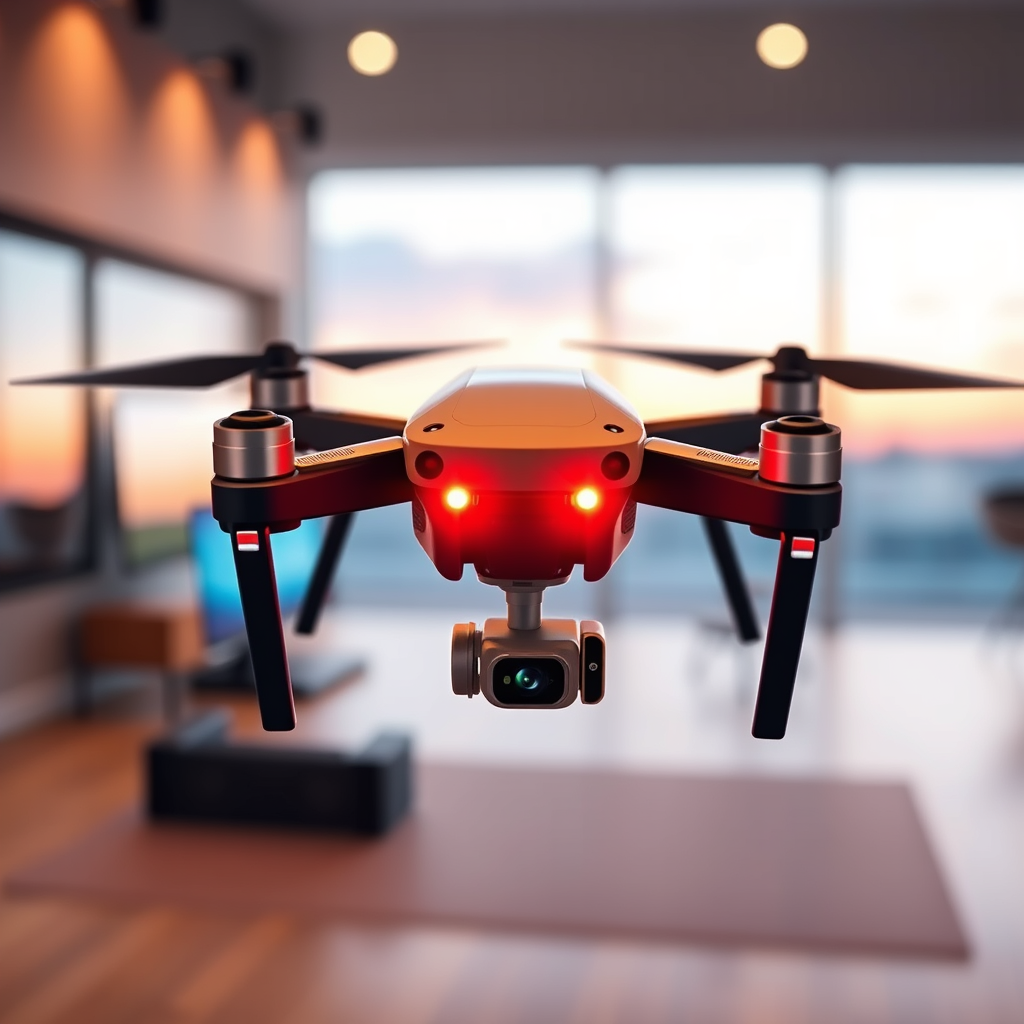
Yes, a drone can technically fly with three propellers, but it may not be stable or efficient. Drones are engineered to achieve optimal balance and maneuverability, which is why most are designed with four or more propellers. A tri-propeller configuration presents unique challenges that affect performance and safety, making it an interesting area of study for drone enthusiasts and engineers alike. In this article, we will explore the mechanics of tri-propeller designs, the advantages and disadvantages they entail, their real-world applications, and the ongoing innovations in drone technology.
Understanding Drone Propulsion Systems
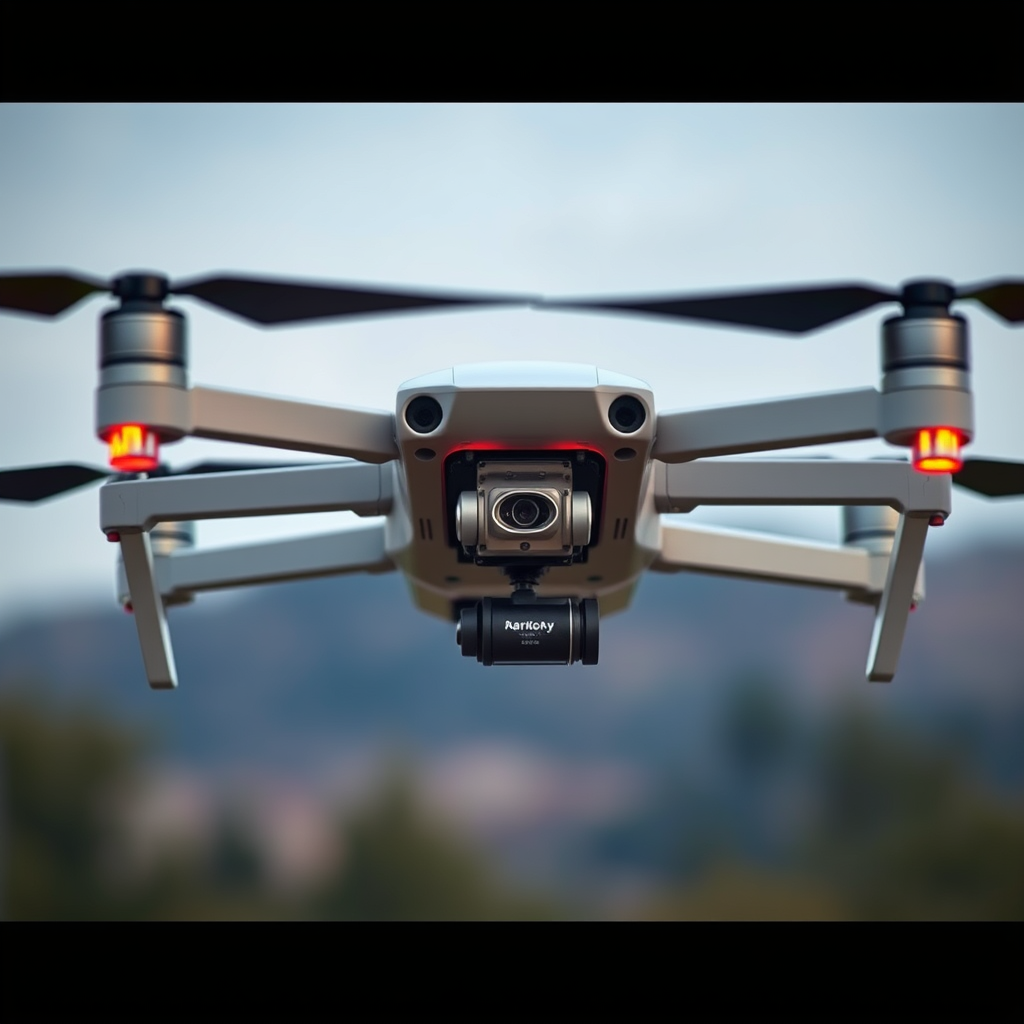
Drones typically utilize multiple propellers to achieve necessary lift and maintain stability during flight. The most common design, the quadcopter, features four propellers that generate balanced thrust, allowing for precise control and maneuverability. This configuration works by distributing weight evenly across the four rotors, enabling the drone to respond effectively to pilot inputs and environmental conditions. In contrast, tri-propeller drones, while capable of generating lift, face inherent challenges in achieving the same level of balance and control. As a result, they often require sophisticated flight control systems to manage their stability, leading to questions about their viability in various contexts.
The Mechanics of a Tri-Propeller Drone
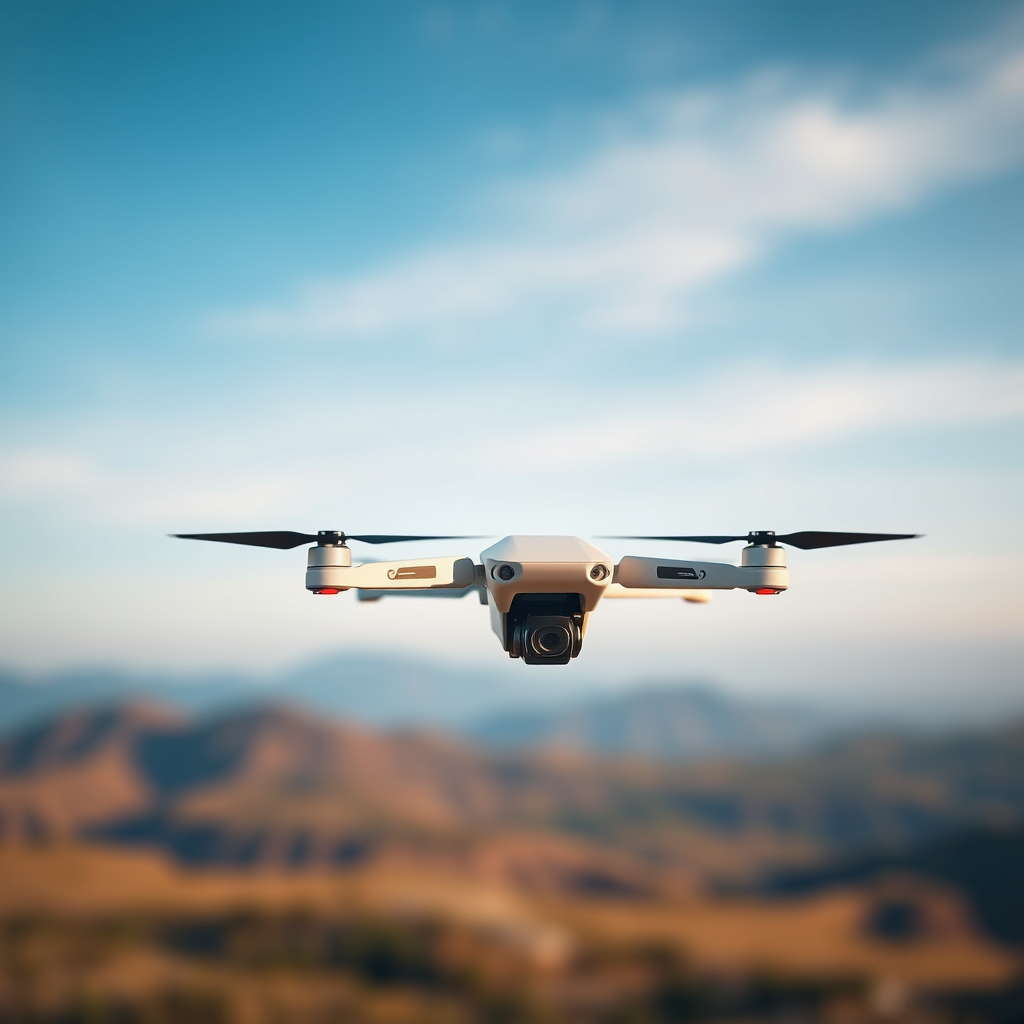
A three-propeller configuration can indeed create lift; however, this lift is typically unevenly distributed. The mechanics behind flight dictate that when one propeller is compromised or loses thrust, the drone experiences a loss of balance that can lead to erratic flight patterns. To compensate for the imbalance inherent in a tri-propeller design, advanced flight control systems are essential. These systems often rely on sensors and algorithms to adjust the speed of the remaining propellers dynamically, attempting to maintain stability. However, despite these advancements, the performance of tri-propeller drones will generally not match that of their quadcopter counterparts, particularly in terms of agility and responsiveness.
Advantages of Using Three Propellers
One of the primary advantages of a tri-propeller setup is reduced weight and complexity. With fewer moving parts compared to quad or hexacopter designs, tri-propeller drones can be lighter, which may enhance their energy efficiency in certain applications. This simplicity can translate into easier maintenance and repairs, as fewer components mean fewer potential points of failure. Additionally, the design can offer a more compact form factor, making it suitable for environments where space is limited, such as indoor navigation or confined urban areas.
Another consideration is cost. Fewer propellers can mean lower manufacturing costs, which can be particularly attractive for budget-conscious developers or hobbyists interested in experimenting with drone technology without the hefty investment required for more complex systems.
Disadvantages of a Three-Propeller Setup
Despite the advantages, the disadvantages of a tri-propeller configuration are significant. The most pressing concern is the reduced stability and control during flight, especially in windy conditions. When operating with only three propellers, the drone’s ability to maintain a steady flight path can be compromised, leading to unpredictable behavior that could pose safety risks.
Moreover, tri-propeller drones generally have limited payload capacities. The absence of a fourth propeller means that the remaining three must bear the entire load, which can restrict the types of equipment or sensors that can be carried. Additionally, flight time may also be affected; quadcopters can distribute weight more efficiently, leading to longer, more stable flights compared to their tri-propeller counterparts.
Real-World Applications of Tri-Propeller Drones
While tri-propeller drones are not as common as their quadcopter relatives, they do have specific real-world applications. Some experimental and specialized drones utilize three propellers in settings where maneuverability is prioritized over stability. For instance, tri-propeller designs may be beneficial for indoor applications, such as indoor mapping or surveillance in tight spaces, where the agility of the drone can outweigh its need for stability. Additionally, certain military or research applications may explore tri-propeller configurations for specific missions that do not necessitate the same level of control as commercial drones.
Another intriguing application could be in environments with limited infrastructure, such as remote areas where a lightweight drone can deliver supplies or perform inspections without the need for sophisticated landing pads or take-off zones.
Innovations in Drone Design
The field of drone technology is rapidly evolving, with ongoing advancements in flight control systems and artificial intelligence that may enhance the stability of tri-propeller drones. Researchers are exploring innovative algorithms that allow drones to adapt to changing environmental conditions more effectively, potentially mitigating some of the inherent limitations of a three-propeller design.
Furthermore, the integration of advanced sensors, such as gyroscopes and accelerometers, can provide real-time data that feeds into the flight control systems, enabling more precise adjustments to maintain stability during flight. Future designs may also experiment with hybrid configurations, combining the benefits of multiple propellers with new aerodynamics principles to push the boundaries of what is possible in drone flight.
Conclusion
While a drone can fly with just three propellers, it faces significant challenges in stability and control that cannot be overlooked. The inherent imbalance of a tri-propeller design requires advanced flight management systems to mitigate risks, making it less reliable than traditional multi-propeller setups. Understanding these factors is crucial for those interested in drone design or operation. For optimal performance and safety, particularly in demanding environments, a more traditional multi-propeller configuration is advisable. As innovations continue to unfold in drone technology, the future may hold exciting possibilities for improving the performance of both tri-propeller and multi-propeller systems alike.
Frequently Asked Questions
Can a drone successfully fly with only three propellers?
While it is technically possible for a drone to fly with three propellers, it is not advisable. Drones are designed to maintain stability and control through a balanced arrangement of propellers, usually four or more. Losing a propeller can severely impact the drone’s ability to maneuver and maintain altitude, making it unsafe for flight.
Why do most drones have four or more propellers instead of three?
Most drones utilize four or more propellers, known as quadcopters or multicopters, to ensure stability and lift efficiency. The configuration allows for better control and redundancy; if one propeller fails, the remaining ones can compensate, enabling the drone to land safely. A three-propeller setup lacks this redundancy and can lead to a loss of control.
What are the risks of flying a drone with three propellers?
Flying a drone with three propellers poses significant risks, including loss of control, difficulty in maintaining altitude, and a higher chance of crash. A drone that is not properly equipped can become unstable, making it challenging to navigate in winds or during complex maneuvers, which could endanger people and property below.
How can I troubleshoot a drone with a missing or damaged propeller?
If your drone is missing or has a damaged propeller, the best course of action is to replace it with an identical propeller that matches the specifications of your drone model. Always ensure the propellers are securely attached before flight. If you’re experiencing issues after replacing a propeller, recalibrating the drone’s flight controller may help restore stability and performance.
Which types of drones can operate with fewer than four propellers?
Some specialized drones, such as tricopters (which have three propellers), are designed to operate effectively with fewer than four propellers. These drones typically employ unique flight control algorithms to maintain stability and control. However, they may not perform as well in certain conditions compared to quadcopters, making them suitable primarily for specific applications or experienced pilots.
References
- https://en.wikipedia.org/wiki/Multirotor
- https://www.sciencedirect.com/science/article/pii/S2351978921002091
- https://www.nasa.gov/centers/armstrong/news/FactSheets/FS-051-DFRC.html
- https://www.researchgate.net/publication/328540493_Experimental_study_of_a_three_propeller_drone_design
- https://www.frontiersin.org/articles/10.3389/frobt.2021.00001/full
- https://www.mdpi.com/2504-446X/1/1/2
- https://www.mtu.edu/mechanical/department/people/faculty/yang/
- https://www.theguardian.com/technology/2021/mar/29/drones-technology-future
