
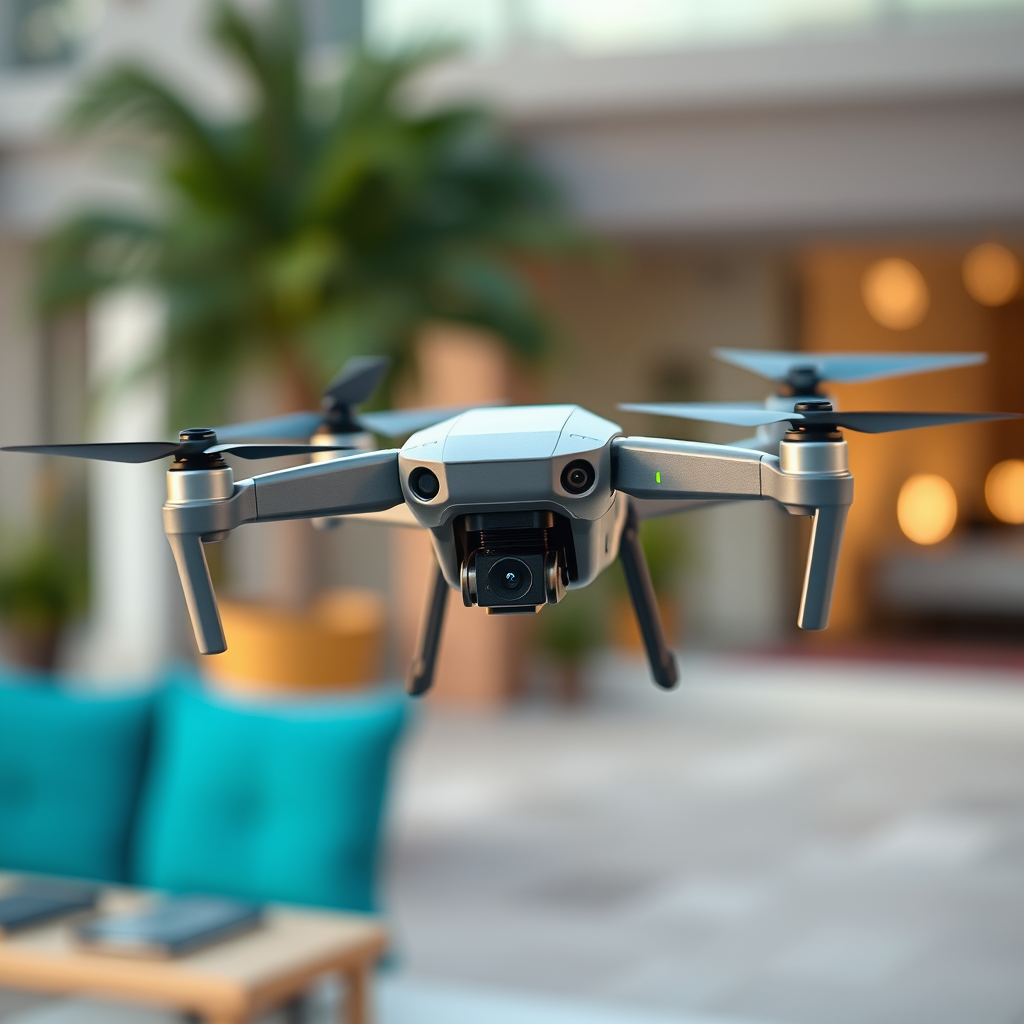
Yes, a drone can fly with only two propellers, but it presents significant challenges in stability and control. While traditional drones typically utilize four or more propellers to maintain balance, a two-propeller design requires advanced technology to manage the flight dynamics effectively. This exploration into the mechanics, technological solutions, applications, and challenges of two-propeller drones reveals both their potential and limitations in various environments.
Understanding Drone Propulsion
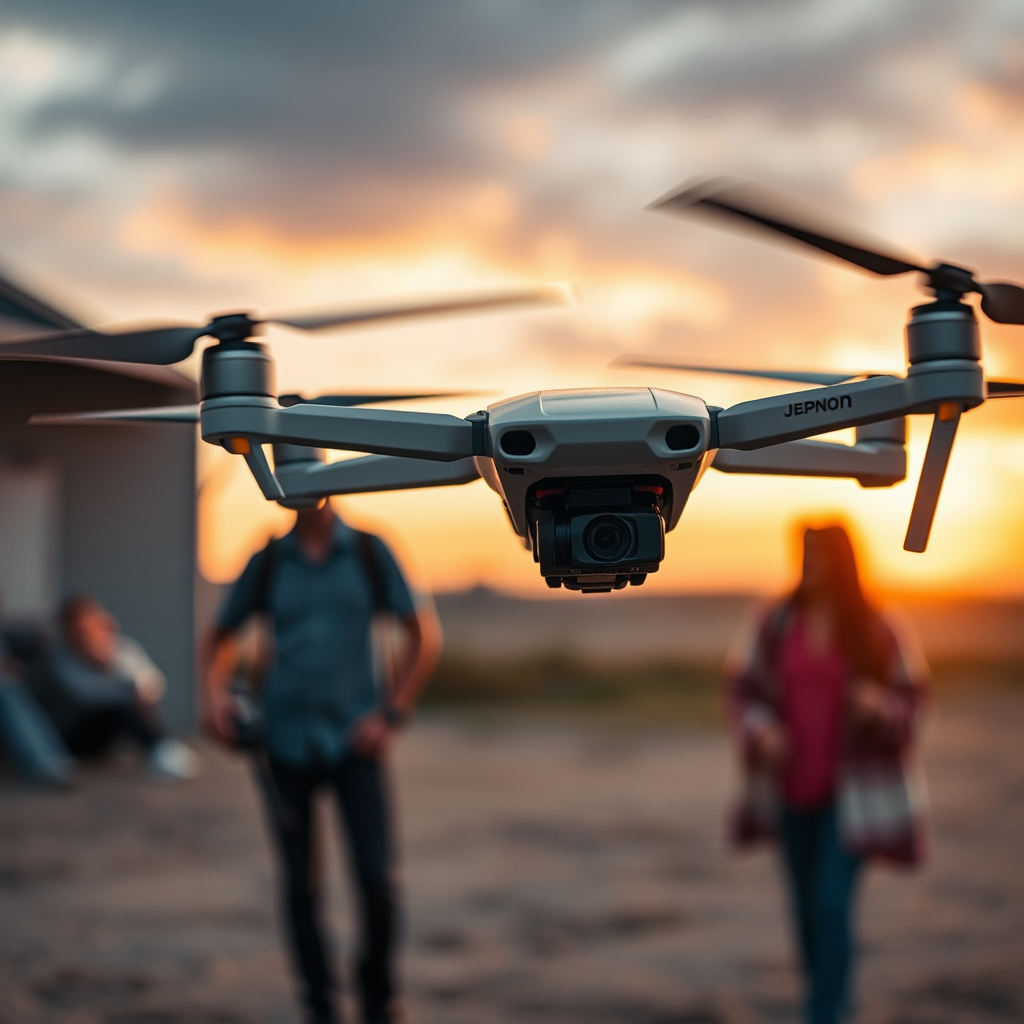
Drones are intricately designed machines that rely on multiple propellers to ensure stability and lift during flight. The most common configurations include quadcopters, which have four propellers, and hexacopters or octocopters that utilize six or eight propellers, respectively. These designs provide a balanced distribution of thrust, allowing for smooth maneuverability and control. In contrast, a drone with only two propellers may struggle to achieve similar levels of stability. The inherent design challenges stem from the need for precise control over the thrust produced by each propeller.
With only two propellers, the drone’s ability to maneuver effectively is limited. For instance, turning becomes significantly more difficult as the drone cannot rely on differential thrust, where one propeller spins faster than the other to create rotational movement. Instead, a two-propeller drone must rely on other mechanisms, such as adjusting the angle of the propellers or implementing advanced flight control algorithms to achieve desired maneuvers. This complexity makes the design and operation of two-propeller drones particularly challenging, requiring innovative engineering solutions.
The Mechanics of a Two-Propeller Drone
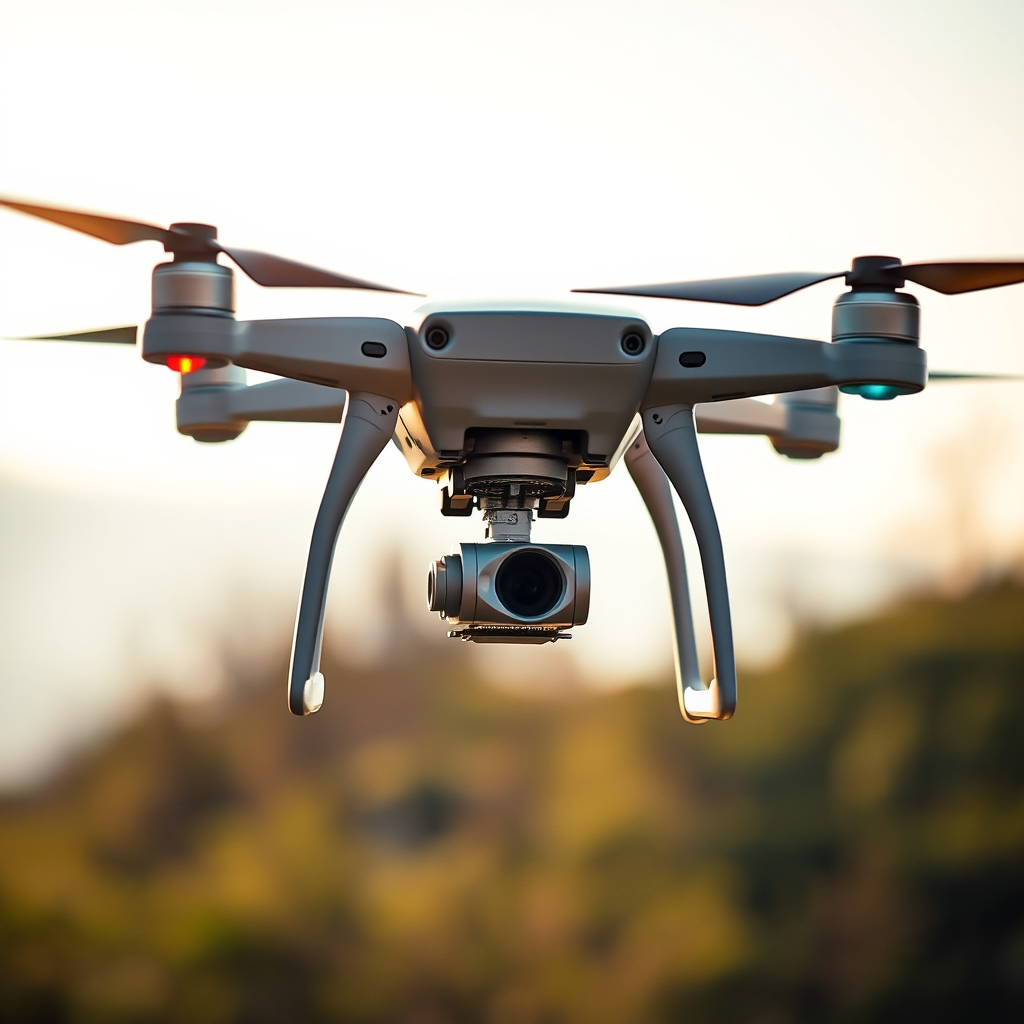
The mechanics behind a two-propeller drone are fundamentally different from those of its multi-propeller counterparts. In a two-propeller setup, the balance and control are heavily reliant on the precise adjustments of motor speeds. Each propeller must work in perfect harmony to ensure that the drone maintains a level flight path. Any imbalance in thrust can lead to uncontrollable pitch or yaw, resulting in a loss of stability.
Moreover, the center of mass and weight distribution is critical to achieving stable flight in a two-propeller configuration. Ideally, the drone’s weight should be evenly distributed between the two propellers to minimize the risk of tipping. Engineers must carefully design the frame and select components to ensure that the center of gravity is located optimally. For example, if the drone carries a payload, it must be positioned strategically to prevent unintentional tilting or rolling. Without a well-thought-out design, flight reliability and safety could be compromised, leading to potential crashes.
Technological Solutions for Stability
To address the inherent stability issues associated with two-propeller drones, advanced flight control systems have been developed. These systems include sophisticated algorithms that help manage the dynamics of flight by constantly adjusting motor speeds and directions based on real-time sensor data. Gyroscopes and accelerometers play a crucial role in this process, providing vital information about the drone’s orientation and acceleration.
Modern drones often incorporate PID (Proportional-Integral-Derivative) controllers, which are algorithms that can optimize the drone’s response to changes in flight dynamics. By continuously calculating the difference between the desired state and the actual state, the controller can make rapid adjustments to maintain stability. In the context of two-propeller drones, this technology is particularly important, as it allows for more precise control over the drone’s movements despite the limitations of its design.
Furthermore, advancements in artificial intelligence and machine learning are paving the way for even more refined control systems. These technologies can analyze flight patterns and environmental conditions, enabling the drone to adapt and improve its stability over time. As these innovations continue to evolve, the feasibility of two-propeller drones in various applications may expand.
Applications of Two-Propeller Drones
While two-propeller drones are not as common as their multi-propeller counterparts, they do have specific applications where their unique characteristics can be advantageous. For instance, in reconnaissance missions, a lightweight two-propeller drone can be deployed for stealthy surveillance. The reduced weight and smaller size can facilitate easier transportation and deployment in confined or sensitive environments.
Additionally, two-propeller drones can be utilized for simple aerial photography. The compact design allows for greater ease of maneuverability in tight spaces, such as indoor settings or urban landscapes. However, due to their limited stability and control, they are generally best suited for situations where precise movements are not as critical.
These drones may also find a niche in racing or competitive applications where agility and speed are prioritized over stability. In such contexts, the ability to maneuver quickly in short bursts can be advantageous, although the risk of instability must be mitigated through careful design and flight control technology.
Challenges Faced by Two-Propeller Drones
Despite their potential applications, two-propeller drones face several challenges that can hinder their viability. One of the most significant drawbacks is their increased susceptibility to wind and turbulence. Because stability relies heavily on the balance of thrust between two propellers, even minor shifts in wind can dramatically affect flight performance. In contrast, multi-propeller drones can compensate for these changes more effectively, maintaining stable flight in various weather conditions.
Limited flight time and range are additional concerns associated with two-propeller drones. Due to their reduced lift capabilities, they may struggle to carry heavier payloads or sustain longer flights. This limitation can be particularly problematic for applications requiring extended operational periods, such as search and rescue missions or agricultural monitoring.
Furthermore, the complexity of their flight control systems often leads to higher costs and maintenance requirements. As technology advances, the demand for sophisticated components capable of managing the flight dynamics of two-propeller drones may limit their accessibility to hobbyists and smaller enterprises.
Future of Two-Propeller Drone Technology
The future of two-propeller drone technology is promising, with ongoing research focused on improving designs and enhancing their viability in various applications. Innovations in materials science could lead to lighter and more durable frames, thereby increasing the overall performance of these drones. For example, the development of advanced composite materials could provide the necessary strength without adding excessive weight.
Additionally, advancements in battery technology hold the potential to significantly extend the flight time and range of two-propeller drones. As energy density improves, these drones could operate longer and carry heavier payloads, making them more appealing for commercial and industrial applications.
Collaboration among engineers, researchers, and industry experts will be crucial in addressing the challenges faced by two-propeller drones. By leveraging technological advancements and innovative design approaches, it may be possible to create a new class of drones that harness the benefits of a two-propeller configuration while overcoming its inherent limitations.
In conclusion, while it is technically possible for a drone to fly with only two propellers, it requires advanced technology to overcome inherent challenges in stability and control. As drone technology continues to evolve, we may see more innovative designs that push the limits of traditional flight dynamics. The exploration of two-propeller drones reveals a landscape filled with potential opportunities, but also underscores the importance of ongoing research and development to fully realize their capabilities.
Frequently Asked Questions
Can a drone fly with only two propellers?
Yes, a drone can technically fly with only two propellers, but its performance and stability would be severely compromised. Most commercial drones utilize four or more propellers to ensure balanced lift and control, as a two-propeller design lacks redundancy and stability. This configuration might work for specific applications, such as in certain experimental or racing drones, but it is not commonly used in standard consumer models.
What are the advantages and disadvantages of a two-propeller drone?
The primary advantage of a two-propeller drone is its simplified design, which can lead to reduced weight and potentially lower manufacturing costs. However, the disadvantages include decreased stability and maneuverability, as well as a higher likelihood of failure if one of the propellers stops functioning. Most drones are designed with multiple propellers to provide redundancy and improve control, making two-propeller drones less practical for most users.
How does a two-propeller drone compare to a quadcopter in terms of flight?
A two-propeller drone, compared to a quadcopter, generally exhibits less stability and control during flight. Quadcopters, with their four propellers, distribute lift more evenly and can easily counteract wind and other external forces. In contrast, two-propeller designs may struggle with stability and can be challenging to control, especially in windy conditions, making quadcopters the preferred choice for most users.
Why are most drones designed with four or more propellers instead of two?
Most drones are designed with four or more propellers to enhance stability, control, and safety during flight. The redundancy offered by multiple propellers allows a drone to maintain stability even if one propeller fails, reducing the risk of crashes. Additionally, more propellers provide better lift and maneuverability, making it easier for pilots to navigate their drones in various conditions.
Which two-propeller drone models are available on the market?
While two-propeller drones are relatively rare, some models designed for specific applications are available. For example, certain racing drones and experimental designs may feature a two-propeller configuration. However, these models are typically used by enthusiasts or in specialized situations rather than for general consumer use. If you’re looking for a reliable drone for everyday purposes, exploring quadcopters or hexacopters would be more beneficial.
References
- https://en.wikipedia.org/wiki/Multirotor
- https://www.sciencedirect.com/science/article/pii/S2405896317300334
- https://www.nasa.gov/centers/langley/news/factsheets/2010.html
- https://www.mdpi.com/2504-446X/4/1/21
- https://www.ri.cmu.edu/publications/using-rotorcraft-to-explore-the-impacts-of-rotor-design-on-flight-performance/
- https://www.frontiersin.org/articles/10.3389/frobt.2020.00016/full
- https://www.bbc.com/future/article/20200331-how-drones-are-changing-the-world
- https://www.nytimes.com/2020/07/20/science/drone-technology.html
