
Yes, a drone can technically fly without a flight controller, but it requires advanced piloting skills and is not practical for most users. Without a flight controller, a drone lacks the necessary stabilization and navigation systems, making it difficult to control. This lack of control can lead to erratic flight behavior, which is not ideal for casual users or those new to drone piloting. In this article, we will explore the functions of flight controllers, the challenges of flying without one, and the implications for safety and legality.
Understanding Flight Controllers
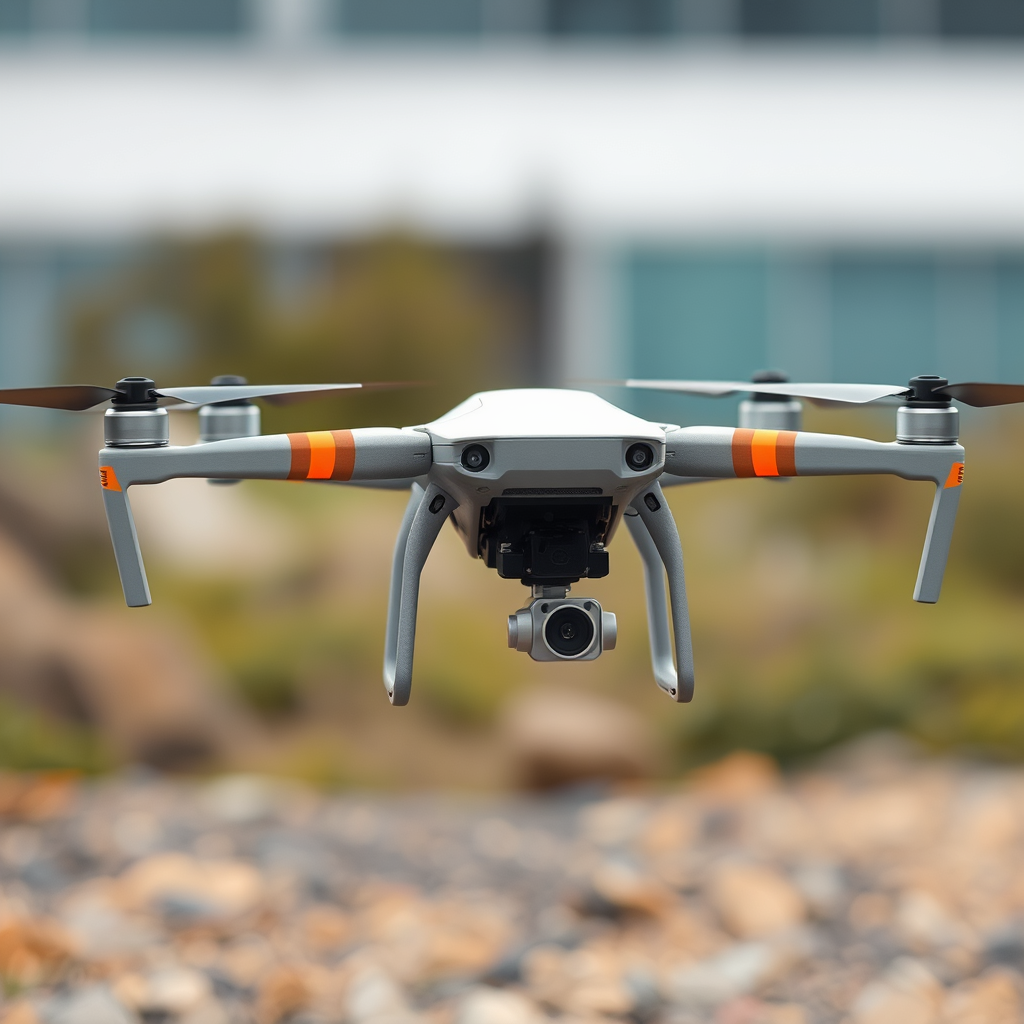
Flight controllers are essential devices that manage a drone’s flight dynamics. Acting as the brain of the drone, they process data from various sensors—including gyroscopes, accelerometers, and magnetometers—to stabilize the drone during flight. This stabilization is crucial, especially in windy conditions or when the drone is subjected to external forces.
Modern flight controllers can include advanced features such as altitude hold, GPS waypoint navigation, and autonomous flight modes. They ensure that the drone can maintain a steady hover, make smooth turns, and respond effectively to pilot inputs. Without a flight controller, the intricacies of flight dynamics would have to be managed manually, posing significant challenges even for skilled operators.
The Role of a Flight Controller
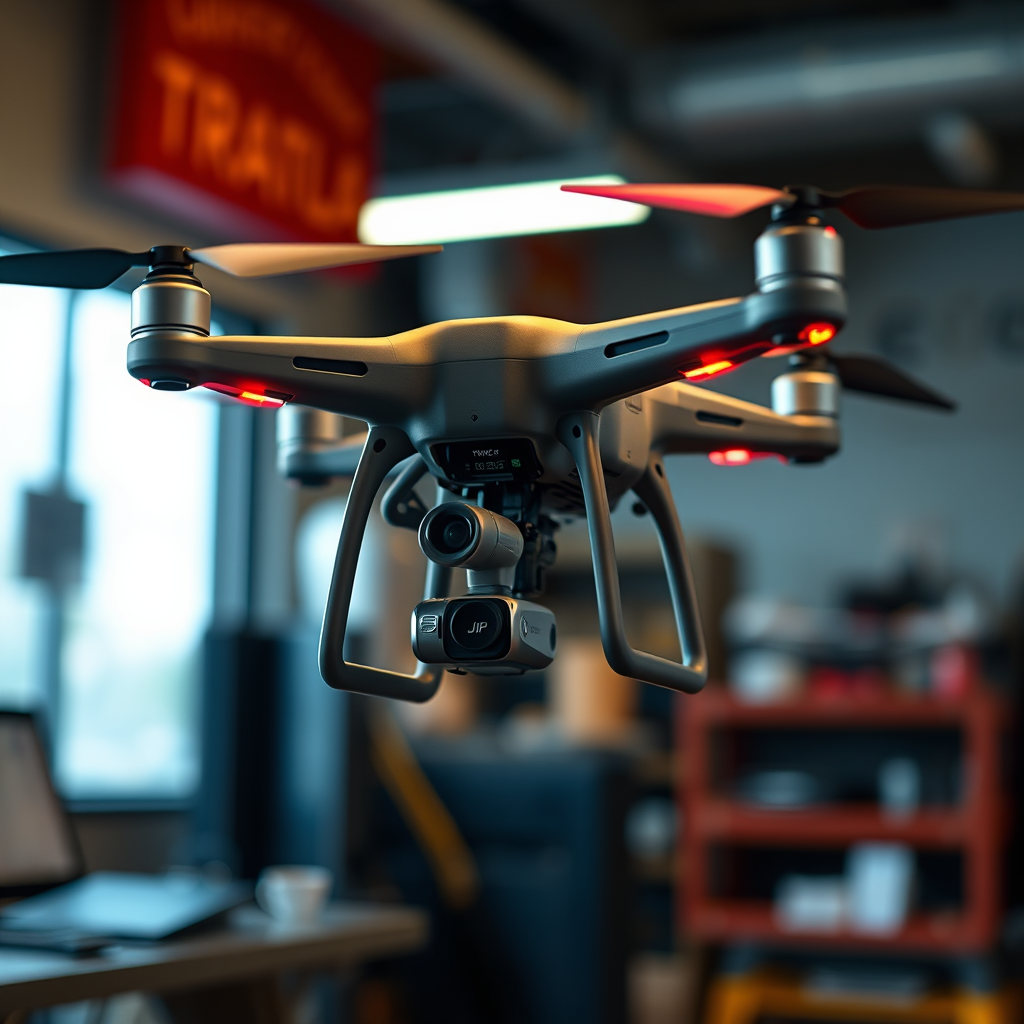
The role of a flight controller extends beyond mere stabilization; it provides real-time adjustments to maintain stable flight. This capability is vital for both recreational and professional drone operators who require precision in their maneuvers. The flight controller integrates with other components like GPS and accelerometers for navigation, allowing the drone to follow set paths and maintain its position in the air.
For instance, when a drone encounters wind gusts, the flight controller processes real-time data and adjusts the motor speeds accordingly to compensate for the disturbance. This automatic adjustment helps prevent the drone from drifting off course, ensuring a smooth and controlled flight experience. Additionally, many flight controllers come with built-in safety features, such as return-to-home functions, that activate when the battery is low or if the drone loses connection with the pilot.
Flying Without a Flight Controller: The Possibilities
While flying a drone without a flight controller is possible, it is primarily feasible for experienced pilots who possess advanced manual control skills. These individuals can rely on their intuition and understanding of aerodynamics to keep the drone stable. For example, some hobbyists may choose to fly racing drones or fixed-wing aircraft that lack sophisticated stabilization systems, opting instead for pure manual control.
Moreover, certain simple drones are designed to operate in a basic mode without advanced controllers. These drones often have a limited range of functions and are intended for users looking to practice fundamental piloting techniques. However, the scope of flight is significantly restricted, and the lack of features like GPS navigation means that pilots must be vigilant and skilled to prevent crashes or loss of control.
Risks and Challenges
The risks and challenges associated with flying a drone without a flight controller cannot be overstated. The increased likelihood of crashes and accidents is a significant concern, as the lack of stabilization can lead to unpredictable flight behavior. Pilots may find themselves struggling to regain control in turbulent conditions or during sudden maneuvers, which could result in damage to the drone or injury to bystanders.
Additionally, without the assistance of a flight controller, the drone’s range and maneuverability are limited. For instance, in an emergency situation where a pilot needs to execute a rapid descent or evasive maneuver, the absence of automated stabilization can hinder their ability to respond effectively. Consequently, flying without a flight controller is not recommended for most users and should only be undertaken by those with considerable experience.
Alternatives to Flight Controllers
For those looking to explore alternatives to traditional flight controllers, there are a few options available. Custom-built drones can incorporate alternative stabilization mechanisms, such as mechanical gyroscopes or even simpler electronic control systems that provide limited stabilization capabilities. This route allows for more tailored flying experiences, but it requires a deep understanding of drone mechanics and flight dynamics.
Additionally, some pilots may choose to enhance their skills through advanced piloting techniques that enable manual control without relying on a flight controller. Techniques such as throttle management, pitch control, and yaw adjustments become critical in these scenarios. However, this approach demands extensive practice and a solid grasp of aerodynamics, making it impractical for most casual users.
Legal and Safety Considerations
Flying drones without a flight controller may also have legal implications, as regulations vary by region. In many areas, drone pilots are required to adhere to specific guidelines that mandate the use of stabilization systems to ensure safe operation. Failing to comply with these regulations can result in fines or other legal repercussions.
Moreover, safety concerns arise from the potential for loss of control and unpredictable behavior when flying without a flight controller. Incidents involving uncontrolled drones can pose risks not only to the operator but also to nearby individuals and property. As a result, it is crucial to consider both the legal and safety ramifications before attempting to fly a drone without the appropriate technology.
Conclusion
In summary, while it is technically possible for a drone to fly without a flight controller, it is not advisable for the average user due to the risks involved. The flight controller plays a critical role in ensuring stability, navigation, and safety during flight. For those interested in piloting drones, utilizing a flight controller remains the best practice to ensure a safe and effective flying experience. If you’re considering building or flying a drone, ensure you have the right components and a solid understanding of drone operation for a successful flight experience.
Frequently Asked Questions
Can a drone fly without a flight controller?
Technically, a drone cannot fly without a flight controller, as this essential component is responsible for stabilizing the aircraft and managing its flight dynamics. The flight controller processes data from the drone’s sensors, including gyroscopes and accelerometers, to ensure stable flight. Without it, the drone would lack the necessary guidance and control, leading to erratic behavior and potential crashes.
What are the risks of flying a drone without a flight controller?
Flying a drone without a flight controller poses significant risks, including loss of control, inability to navigate effectively, and potential crashes. Without the stabilization provided by the flight controller, a drone is likely to behave unpredictably, which can lead to damage to the drone itself or pose safety hazards to people and property nearby. Additionally, flying a drone without proper control can violate aviation regulations and result in legal consequences.
How can I control a drone without a flight controller?
While it’s not advisable to attempt flying a drone without a flight controller, some experienced hobbyists may use alternative methods, such as manually controlling the motors with a custom electronic setup. However, this requires advanced knowledge of electronics and coding, as well as a thorough understanding of drone aerodynamics. For most users, investing in a proper flight controller is the best and safest way to ensure reliable drone operation.
Why would someone want to remove the flight controller from a drone?
Some advanced users might consider removing the flight controller to customize their drone for specific applications or to experiment with alternative control systems. For instance, racing enthusiasts may seek to reduce weight for faster speeds or might want to implement bespoke control systems for unique flight maneuvers. However, this approach requires extensive knowledge and poses significant risks, making it unsuitable for typical drone users.
Which drones can operate without a flight controller?
Most consumer drones are designed to rely heavily on flight controllers for safe operation, and thus, very few can function without one. Some experimental or racing drones may be built without standard flight controllers, utilizing custom-built systems instead. However, these setups are typically intended for advanced users and are not practical for general use, emphasizing the necessity of a flight controller for stable and safe flight.
References
- https://en.wikipedia.org/wiki/Drone
- https://www.ncbi.nlm.nih.gov/pmc/articles/PMC6327750/
- https://www.faa.gov/uas/
- https://www.sciencedirect.com/science/article/pii/S2351978919300551
- https://www.researchgate.net/publication/335245129_The_Design_and_Implementation_of_a_Drone_Flight_Controller
- https://www.darpa.mil/program/gremlins
- https://www.nasa.gov/mission_pages/airborne/overview/index.html
