
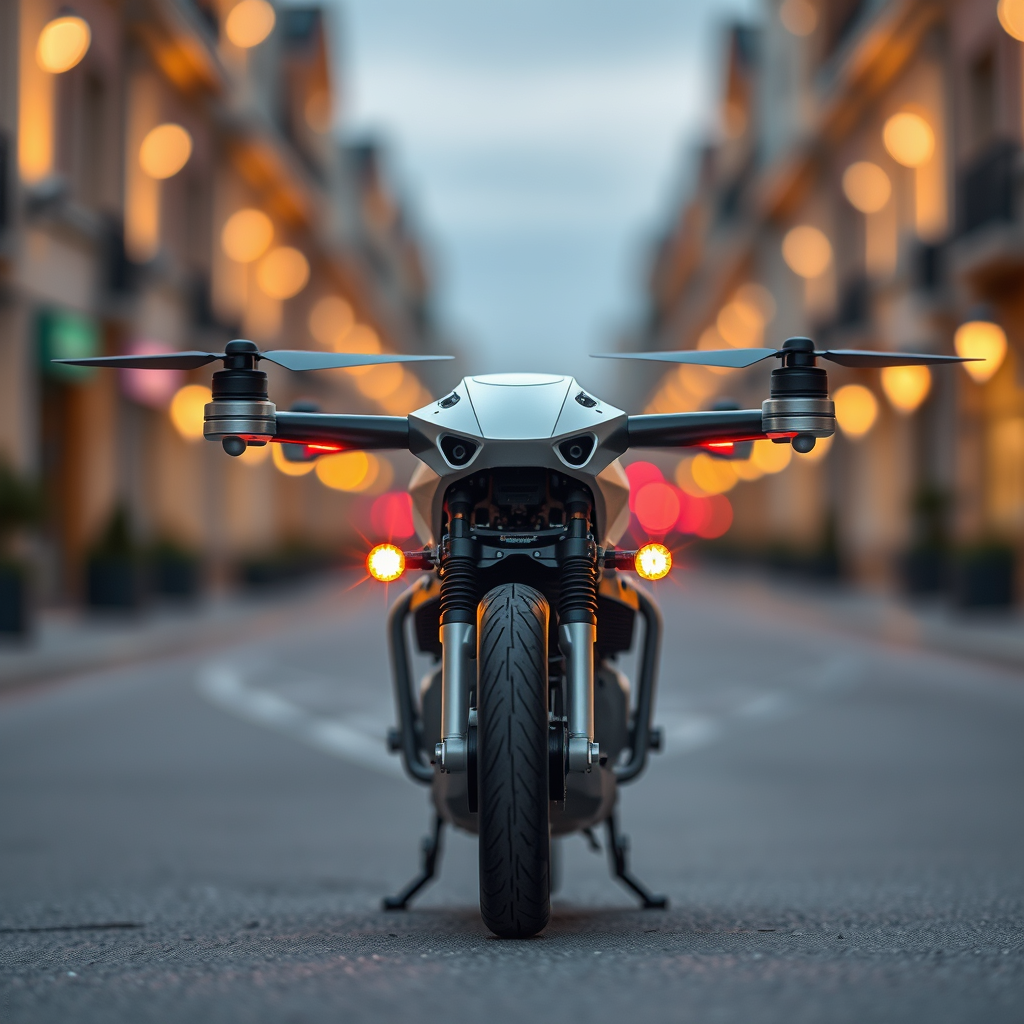
Yes, a drone can indeed follow a motorcycle, thanks to advancements in technology and GPS tracking systems. Drones equipped with autonomous flight capabilities and follow-me modes can track and maintain a distance from moving motorcycles, making them ideal for capturing dynamic footage or assisting in navigation. This article delves into the underlying technology that enables drones to effectively follow motorcycles, the various types of drones suitable for this purpose, best practices for setup and safety, tips for high-quality footage, practical use cases, and future trends that could further enhance this technology.
Understanding Drone Tracking Technology

Drones have evolved significantly in their ability to track moving objects. At the heart of this capability is a combination of GPS technology and computer vision. GPS allows drones to ascertain their location and maintain a specific distance from the motorcycle, while computer vision enables them to interpret the environment around them. This technology helps the drone identify the motorcycle as a target, adjusting its flight path to keep it in view.
Follow-me modes are particularly noteworthy, as they enable drones to autonomously adjust their position in relation to the motorcycle. This mode typically employs a combination of GPS signals and visual recognition to lock onto the motorcycle and follow it seamlessly. Advanced algorithms help the drone predict the motorcycle’s movements, allowing for smooth tracking even at high speeds or through challenging terrains. This technology is not only useful for capturing video but also for real-time monitoring and assistance in navigation.
Types of Drones Suitable for Following Motorcycles
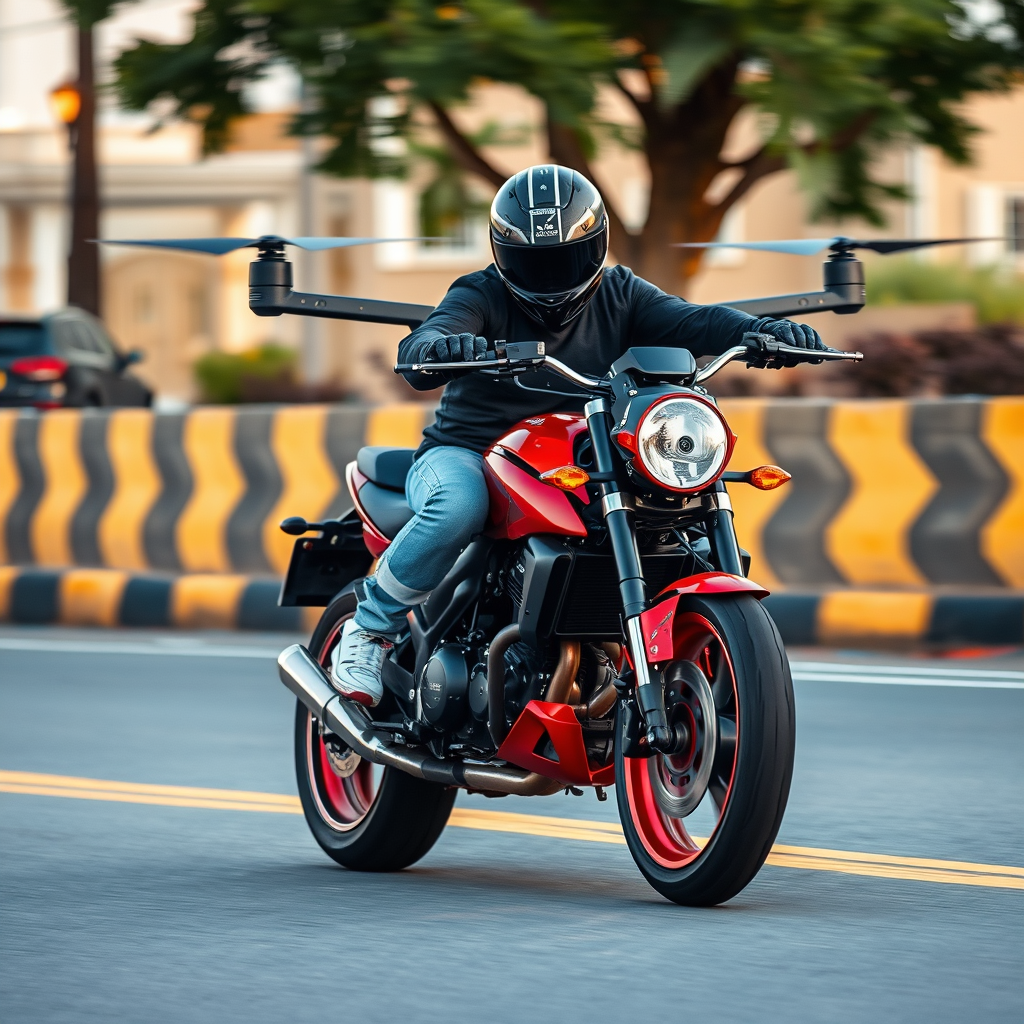
When it comes to selecting a drone that is capable of following a motorcycle, several options are available, each catering to different needs and budgets.
1. Consumer Drones: The DJI Mavic series is a prime example of consumer drones with advanced tracking features. Models like the Mavic Air 2 and Mavic 3 come equipped with robust follow-me modes, excellent flight stability, and high-definition cameras. These drones are user-friendly and offer a great balance between performance and price, making them ideal for amateur filmmakers and enthusiasts.
2. Professional Drones: For those looking for enhanced cinematography capabilities, professional drones such as the DJI Inspire 2 or the Autel Robotics EVO Lite provide superior stability, longer flight times, and advanced camera options. These drones are designed to capture high-quality footage and can handle demanding filming conditions, making them suitable for professional filmmakers documenting motorcycle events or races.
3. Custom-built Drones: Some enthusiasts opt for building custom drones that can be tailored to specific needs, such as weight capacity or flight range. This route allows for the integration of specialized equipment like gimbals and high-resolution cameras, ensuring optimal performance when following motorcycles.
Setting Up for a Successful Follow
Before deploying a drone to follow a motorcycle, proper setup is crucial for a successful operation.
1. Pre-flight Checks: Conduct thorough pre-flight checks to ensure the drone is fully operational. This includes verifying battery levels, checking propeller condition, and ensuring that software is up to date. A drone that is not in optimal condition can lead to unexpected failures during flight.
2. Familiarization with the Area: Understanding the area where the motorcycle will be riding is essential. Identify potential obstacles such as trees, buildings, and power lines that could interfere with the drone’s flight path. Additionally, scouting the route can help establish safe altitudes and distances for the drone to maintain during tracking.
3. Communication: Establish clear communication with the motorcyclist. This ensures that both parties are aware of each other’s movements, reducing the risk of accidents and facilitating a smoother tracking experience.
Safety Considerations When Using Drones
Safety is paramount when operating drones, especially in dynamic environments like motorcycle riding.
1. Maintaining Distance: It is vital to maintain a safe distance from the motorcycle to prevent accidents. Drones should ideally stay at least 30 feet away from the motorcycle, depending on the speed and terrain. This distance allows for adequate reaction time in case of sudden changes in direction.
2. Understanding Regulations: Familiarize yourself with local drone regulations and airspace restrictions. In many areas, flying a drone near roads or populated areas may be subject to specific laws. Always ensure that you have the necessary permissions if required, and be aware of restricted zones where flying is prohibited.
3. Weather Conditions: Monitor weather conditions before flying. Wind, rain, and low visibility can adversely affect drone performance and safety. Avoid flying in adverse conditions to ensure smooth operations and reduce risks.
Capturing High-Quality Footage
To create engaging and visually stunning footage while following a motorcycle, consider the following tips:
1. Optimizing Camera Settings: Set the camera to a high frame rate to capture clear, smooth footage of the fast-moving motorcycle. Adjust the exposure settings as needed to account for varying light conditions, particularly if the ride transitions from shaded areas to bright sunlight.
2. Utilizing Different Angles and Heights: Experiment with various angles and heights for dynamic shots. Positioning the drone from above can provide breathtaking aerial views, while flying alongside the motorcycle can create an immersive experience for viewers. Changing perspectives during the ride can enhance storytelling and capture the thrill of motorcycling.
3. Post-processing: After filming, invest time in editing the footage to create a polished final product. This may include color grading, stabilizing shaky footage, and adding music or narration to enhance the viewing experience.
Use Cases for Drones Following Motorcycles
Drones following motorcycles offer various practical applications across different sectors:
1. Filming Motorcycle Races or Events: Drones can significantly enhance the production of promotional content for motorcycle races or events. They provide unique perspectives that traditional filming methods cannot achieve, making the footage more engaging and exciting for audiences.
2. Assisting in Navigation and Route Planning: For long-distance riders, drones can serve as navigational aids. By following the motorcycle, drones can provide real-time visual feedback of the route, highlight points of interest, and even assist in finding optimal paths in unfamiliar areas.
3. Safety Monitoring: Drones can also be used for safety monitoring during group rides, enabling riders to keep track of each other’s positions and alert them to any potential hazards on the road.
Future Trends in Drone Technology and Motorcycle Tracking
As technology continues to advance, several future trends are anticipated in the realm of drone capabilities related to motorcycle tracking:
1. Developments in AI and Machine Learning: Future drones may incorporate more advanced AI and machine learning algorithms for even more precise tracking. These innovations could allow drones to better anticipate a motorcycle’s movements, leading to smoother and more reliable following experiences.
2. Integration with Smart Motorcycle Systems: The potential for integrating drones with smart motorcycle systems could enhance functionality. For example, drones could receive real-time data from the motorcycle, such as speed and direction, allowing them to adjust their flight paths accordingly and improve safety.
3. Enhanced Autonomous Flight Features: As autonomous flight technology evolves, we may see drones equipped with improved obstacle avoidance systems, allowing them to navigate complex environments autonomously while closely following motorcycles.
In conclusion, drones can effectively follow motorcycles, opening up exciting opportunities for filmmaking, navigation, and safety. As technology continues to evolve, the capabilities of drones will only improve, making them an invaluable tool for motorcyclists and enthusiasts alike. If you’re considering using a drone for motorcycle tracking, be sure to stay informed on the best practices and safety guidelines to maximize your experience and ensure a successful operation.
Frequently Asked Questions
Can a drone effectively follow a motorcycle during high-speed rides?
Yes, many drones are designed with advanced tracking features, allowing them to follow motorcycles at high speeds. Drones equipped with GPS and visual tracking technology can maintain a stable flight path while adjusting their altitude and distance as the motorcycle moves. However, the effectiveness of the tracking can vary based on the drone’s capabilities and environmental conditions such as obstacles and weather.
What features should I look for in a drone that can follow a motorcycle?
When searching for a drone to follow a motorcycle, look for features like GPS tracking, obstacle avoidance, and advanced flight modes such as ActiveTrack or Follow Me. Additionally, consider battery life, range, and camera quality, as these will impact how well the drone can keep up with fast-moving motorcycles and capture high-quality footage during rides.
How do I set up a drone to follow my motorcycle safely?
To set up a drone to follow your motorcycle safely, first ensure that you are familiar with local drone regulations and airspace restrictions. Next, choose a suitable open area for takeoff and landing, and perform a pre-flight check of the drone’s battery and settings. Use the drone’s tracking mode, ensuring it’s calibrated correctly, and maintain a safe distance to avoid collisions and ensure a clear view of the motorcycle.
Why is it important to have a skilled drone operator when filming motorcycle rides?
Having a skilled drone operator is crucial when filming motorcycle rides because they can effectively manage the drone’s movements and adapt to changing conditions. A knowledgeable operator can navigate obstacles, adjust to varying speeds, and ensure smooth footage, which enhances the overall quality of the video. Moreover, they can make real-time decisions to ensure safety for both the rider and the drone.
Which drones are best for following motorcycles on outdoor trails?
Some of the best drones for following motorcycles on outdoor trails include the DJI Mavic Air 2, Skydio 2, and DJI Mini 2. These models feature advanced autonomous tracking capabilities, excellent camera quality, and robust battery life, allowing them to capture stunning footage while safely following a motorcycle on varied terrain. When choosing a drone, consider factors such as portability, durability, and ease of use, especially if you plan to ride in remote locations.
References
- https://en.wikipedia.org/wiki/Drone#Applications
- https://www.faa.gov/uas/
- https://www.bbc.com/news/technology-38797411
- https://www.theguardian.com/technology/2020/sep/27/drones-surveillance-privacy-issues
- https://www.nytimes.com/2020/06/02/us/drones-police-cities.html
- https://www.nasa.gov/feature/nasa-s-drone-research-aims-to-improve-traffic-safety
- https://www.sciencedirect.com/science/article/pii/S235214651930167X
