
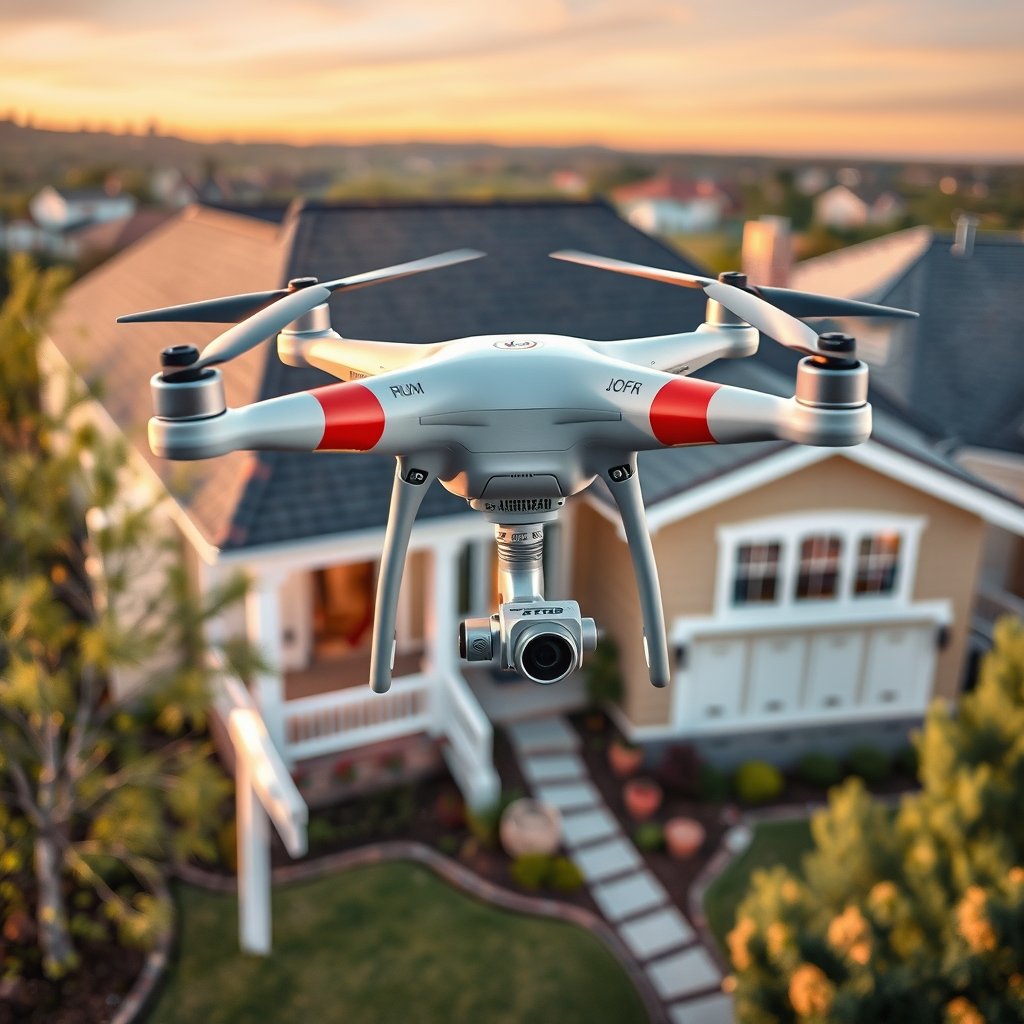
Yes, a drone can legally fly over your property, but the legality hinges on various regulations and circumstances that both drone operators and property owners must understand. This issue is complex, involving federal, state, and local laws that dictate where and how drones can operate. As drone technology continues to evolve and become more widespread, navigating these legalities is essential for ensuring compliance and protecting individual rights.
Understanding Drone Regulations
In the United States, the Federal Aviation Administration (FAA) is the primary regulatory body governing drone operations. Drones, classified as unmanned aircraft systems (UAS), must adhere to specific FAA guidelines designed to ensure safety and minimize risk to both manned aircraft and people on the ground. The FAA has established regulations that cover various aspects of drone flights, including altitude restrictions and airspace classifications.
For instance, drones are typically restricted to flying below 400 feet in controlled airspace unless they have received explicit permission from the FAA. This regulation is crucial because it helps maintain safe distances between drones and manned aircraft, which often operate at higher altitudes. Additionally, drone operators must ensure they are not flying in restricted airspace, such as near airports or military installations, unless they have received proper authorization. Familiarizing oneself with these regulations is imperative for drone operators to avoid legal repercussions and ensure safe flights.
Property Rights and Airspace
While property owners have rights to the land they own, the legal landscape surrounding the airspace above their property is more complex. In general, property rights extend only to the ground and a limited amount of space above it; the concept of “navigable airspace” allows aircraft, including drones, to travel above certain altitudes without infringing on private property rights.
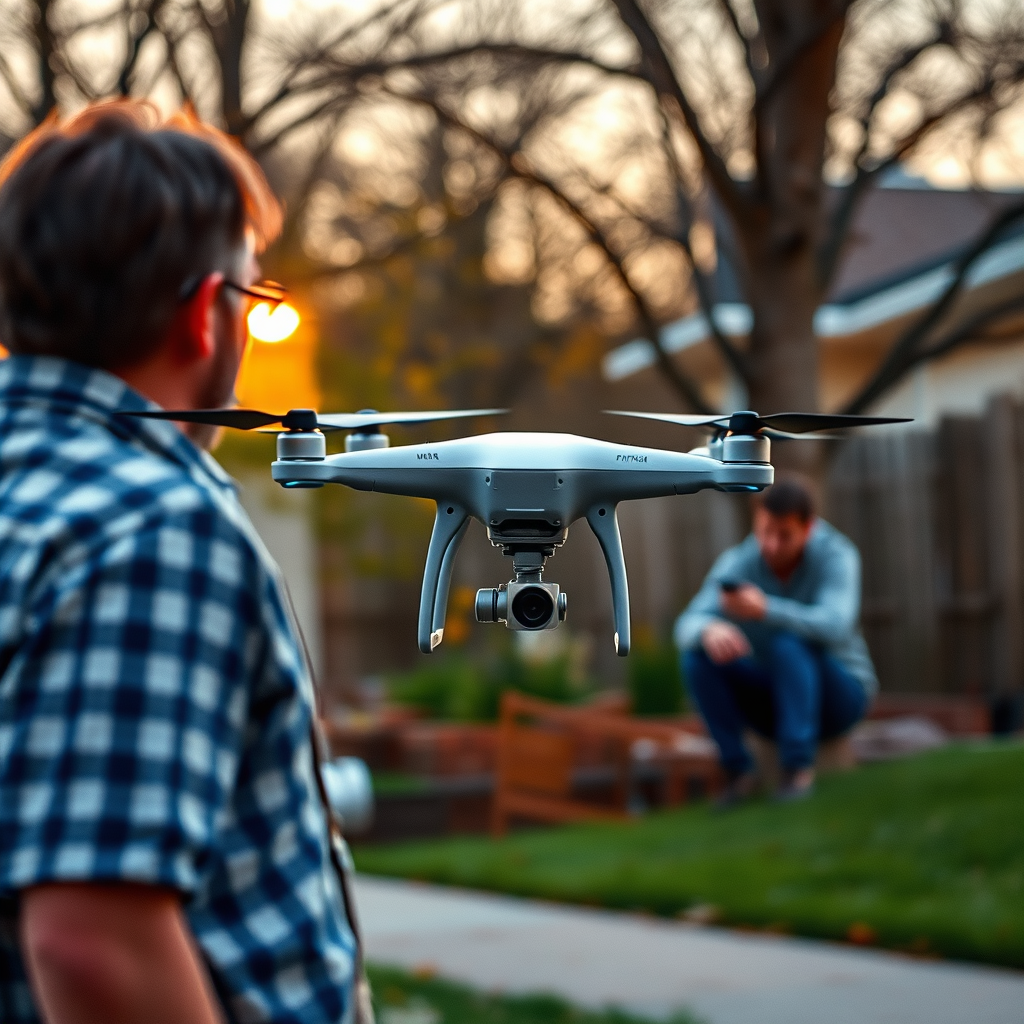
The FAA defines navigable airspace as the airspace that is necessary for the flight of aircraft, typically starting at 500 feet above ground level. Therefore, drones flying at or below this altitude may be operating legally, depending on their compliance with FAA regulations and flight permissions. However, a notable exception is when a drone operator’s actions interfere with the use and enjoyment of the property. For example, if a drone consistently hovers at a low altitude over someone’s backyard, it could potentially lead to claims of trespassing or nuisance, depending on the circumstances and local laws.
Local and State Laws
In addition to federal regulations, state and local laws can significantly influence the legality of drone flights over private property. Some states have enacted specific laws designed to regulate drone operations, often focusing on privacy concerns, safety, and the preservation of property rights. For example, states like California and Florida have laws that address aerial surveillance and prohibit drones from capturing images or videos of private property without consent.
Local ordinances may also impose additional restrictions on drone usage, such as requiring permits for certain flight activities or prohibiting flights in densely populated areas like parks and residential neighborhoods. Property owners and drone operators should thoroughly research and understand these regulations, as failing to comply could result in fines or legal disputes. Engaging with local government bodies or legal counsel can provide clarity and ensure that all parties are informed of their rights and responsibilities.
Privacy Concerns
One of the most significant issues surrounding drone operations is privacy. Drones equipped with cameras have raised concerns for property owners regarding unauthorized surveillance and potential invasion of privacy. Laws related to aerial surveillance vary widely by state, impacting where and how drones can legally fly.
For instance, some states have enacted laws that explicitly prohibit drones from using cameras to capture images or recordings of individuals or private property without consent. This legislation aims to protect individuals from unwanted surveillance and preserve their right to privacy. Conversely, certain states have less stringent regulations, allowing drone operators to capture images from the air as long as they remain within the bounds of federal and local laws.
Property owners concerned about privacy should familiarize themselves with their state’s specific laws regarding drone surveillance. Additionally, drone operators should consider the ethical implications of flying over private property, particularly when filming or capturing images. Establishing clear communication and obtaining permission when necessary can help avoid potential conflicts and legal issues.
Reporting and Complaints
If a property owner believes a drone is flying illegally over their property, they have several options for recourse. Reporting the incident to local authorities is the first step, as law enforcement or local regulatory agencies can investigate potential violations of drone regulations. Documenting the drone’s activity can be invaluable in these situations. Property owners should take note of the time, date, and nature of the drone’s flight, as well as any identifying features of the drone itself.
In some cases, property owners may consider pursuing legal action if the drone’s activities are deemed intrusive or harmful. Consulting with a legal professional who specializes in property law can provide insight into the best course of action. It’s essential for both drone operators and property owners to maintain open lines of communication to address concerns before they escalate into disputes.
Best Practices for Drone Operators
For drone operators, understanding the legal landscape is critical to ensuring compliance and fostering positive relationships with property owners. One of the best practices is to always seek permission before flying over private land. A simple conversation with property owners can often lead to mutual understanding and a clear framework for drone operations.
Additionally, drone operators should invest time in familiarizing themselves with local regulations and guidelines to avoid inadvertently violating laws. Many states and municipalities provide resources and information on drone regulations, which can help operators navigate the complexities of flying legally and responsibly. Joining local drone clubs or associations can also provide valuable insights and foster a sense of community among drone enthusiasts.
Furthermore, maintaining transparency and accountability in drone operations can help build trust with property owners. For instance, operators should be willing to share their flight plans and purposes with nearby residents, particularly if their activities involve aerial photography or surveying.
In summary, while drones can legally fly over private property under specific conditions, it is crucial for both drone operators and property owners to understand the applicable laws and regulations. By staying informed and practicing good communication, all parties can navigate this evolving landscape more effectively. Whether you are a drone operator seeking to capture stunning aerial views or a property owner wanting to protect your privacy, understanding your rights and responsibilities is essential.
Frequently Asked Questions
Can a drone legally fly over my property without permission?
Yes, in many cases, drones can legally fly over private property without the owner’s permission, as they are considered to be in public airspace. However, the Federal Aviation Administration (FAA) regulations stipulate that drone operators must maintain a certain altitude and avoid flying over people or in restricted airspaces. It’s essential to check local laws, as some states or municipalities may have additional regulations regarding drone operations over private land.
What should I do if a drone is flying over my property?
If a drone is flying over your property and you feel it’s intrusive or violating your privacy, the first step is to document the occurrence, noting the time, duration, and any identifiable information about the drone. You can then contact local authorities or law enforcement to report the situation, as they may help determine if any local ordinances are being violated. Remember to consult your state laws regarding privacy and drone use, as they can vary significantly.
Why do drones fly over residential areas?
Drones often fly over residential areas for various reasons, including aerial photography, surveying, and recreational use. Many drone operators are hobbyists capturing scenic views or professionals conducting real estate photography. While flying in residential areas is generally legal, it can raise concerns about privacy and noise, which is why understanding your rights and local regulations is crucial for homeowners.
What are the best practices for drone operators flying near private properties?
Drone operators should adhere to best practices to ensure they fly responsibly near private properties. These include maintaining a safe distance from homes, avoiding flying directly over gatherings of people, and respecting any privacy concerns. Additionally, obtaining permission from property owners before flying can help foster goodwill and reduce conflicts, illustrating a commitment to responsible drone usage.
Which laws govern drone flights over private property in the United States?
Drone flights over private property in the United States are primarily governed by FAA regulations, which establish guidelines for operating drones in the national airspace. In addition to federal laws, state and local laws may apply, addressing privacy concerns and airspace rights. It’s crucial for drone operators to familiarize themselves with both federal and local regulations to ensure compliance and avoid potential legal issues when flying over private property.
References
- https://en.wikipedia.org/wiki/Drone_flights_in_the_United_States
- https://www.faa.gov/uas/getting_started/part_107
- https://www.nolo.com/legal-encyclopedia/drone-law-property-rights-29758.html
- https://www.theguardian.com/us-news/2020/jun/22/drones-private-property-rights
- https://www.faa.gov/uas/resources/policy_library/
- https://www.ncbi.nlm.nih.gov/pmc/articles/PMC6496466/
- https://www.epa.gov/air-research/drones-environmental-research
- https://www.reuters.com/article/us-usa-drone-laws-insight-idUSKBN2B10D5
