
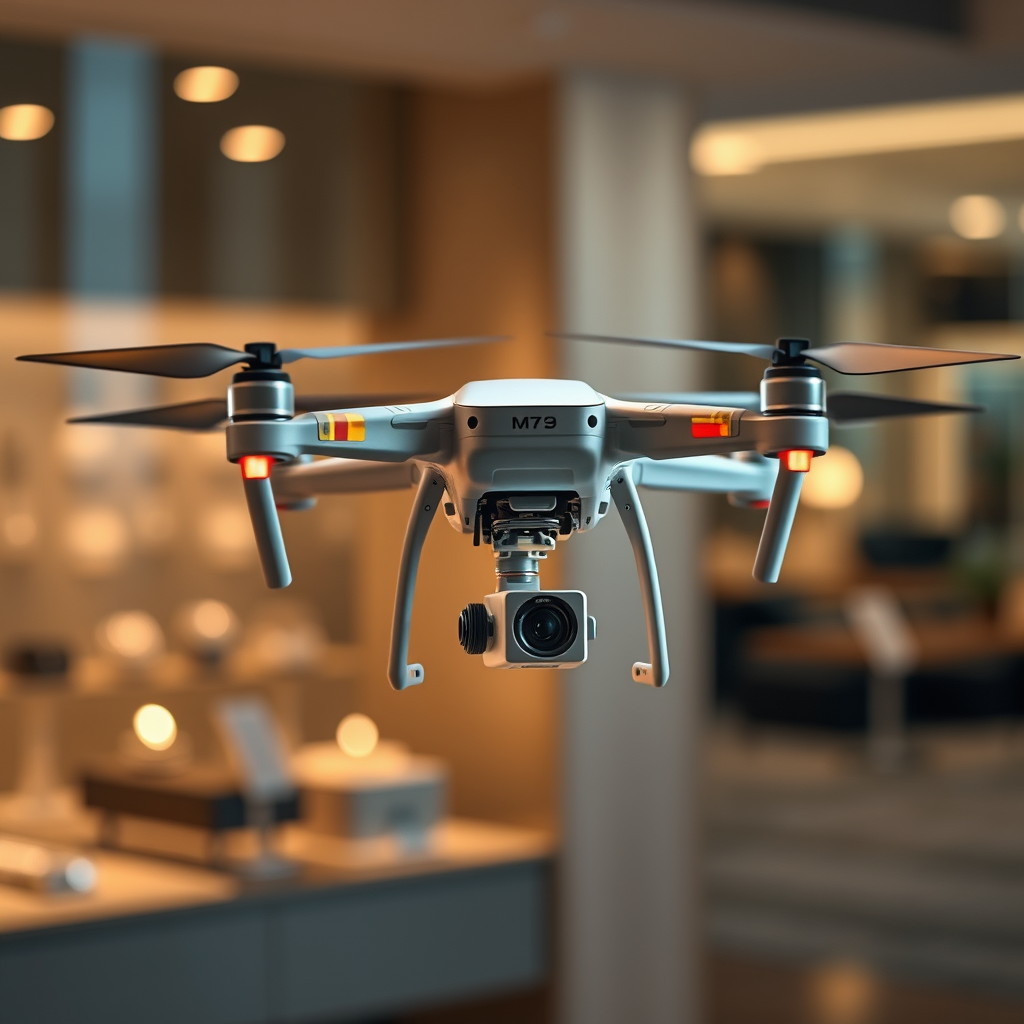
Yes, a drone can lift a person, but it requires specialized equipment and careful consideration of safety, regulations, and technology. As the drone industry evolves, advancements in engineering and design have led to the development of drones capable of carrying human weight. This article delves into the factors that influence a drone’s ability to lift a person, the types of drones that can achieve this feat, and the implications of using drones for human transport in various sectors.
Understanding Drone Lift Capacity
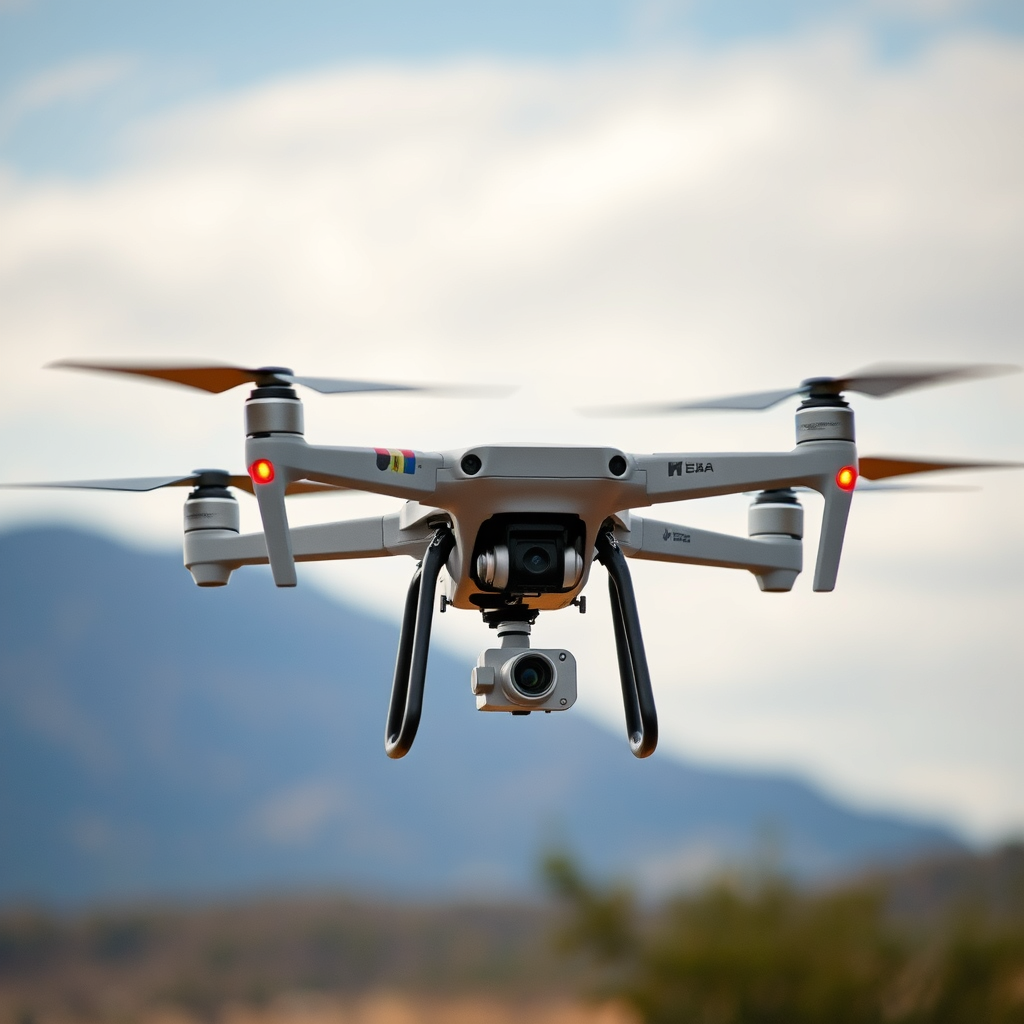
The lift capacity of a drone is primarily determined by its design, which includes factors such as size, motor power, and battery life. Most consumer drones, widely available in retail stores, are built for recreational use and can typically carry payloads ranging from a few hundred grams to a couple of kilograms. These drones are excellent for photography and small deliveries but are not equipped to lift human weight.
On the other hand, drones intended for industrial applications, such as agricultural monitoring or load transport, are designed with much more robust specifications. These models can carry heavier payloads and are engineered with powerful motors and high-capacity batteries to support extended flight times. For instance, heavy-lift drones like the DJI Matrice 600 can carry substantial weights but still fall short of the necessary capacity to safely transport human passengers.
As we move towards human-carrying capabilities, the focus is on developing drones that can safely accommodate the weight of an adult human, which is typically around 70-90 kilograms. This necessitates advanced engineering and innovative designs that can handle significantly greater lift capacities while ensuring stability and safety during flight.
Types of Drones Capable of Lifting Humans
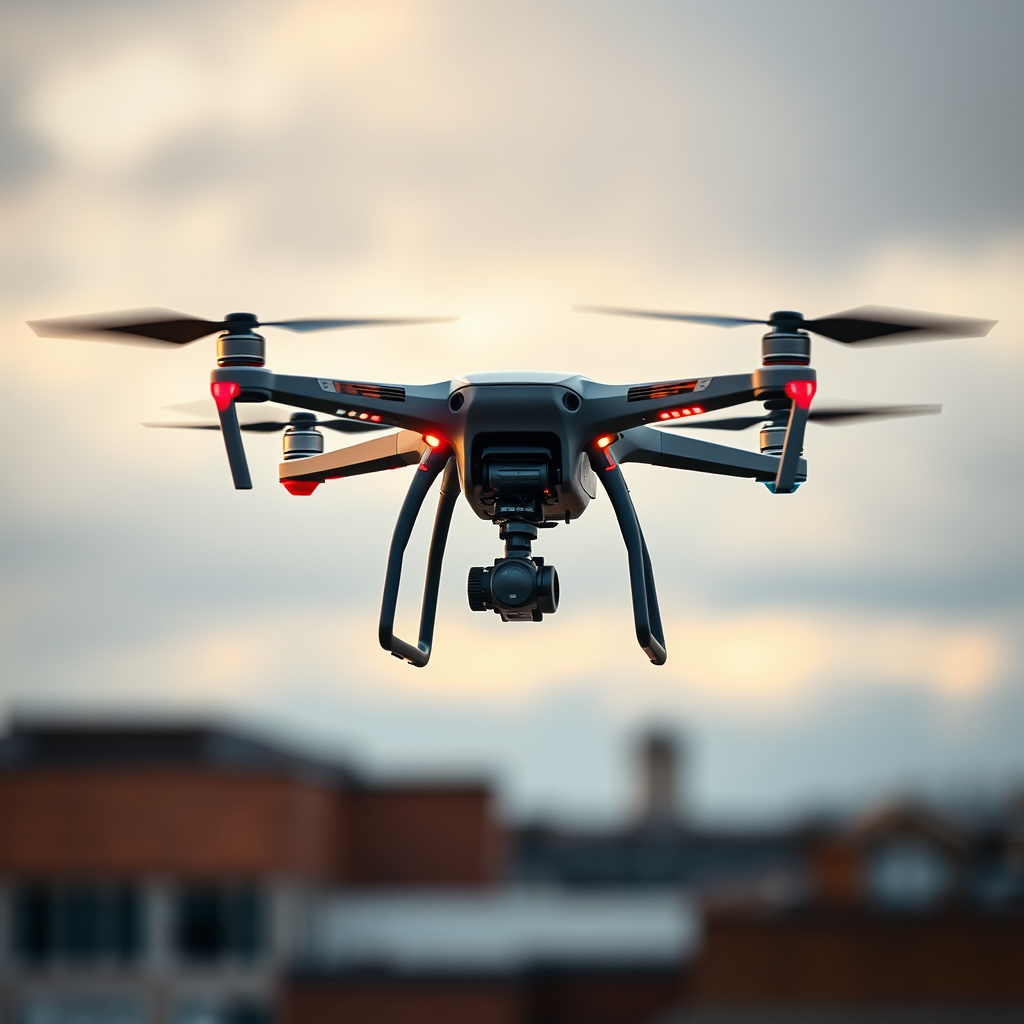
When it comes to lifting humans, multirotor drones are the most viable candidates. Drones with multiple rotors, such as quadcopters or octocopters, tend to offer better stability and lift capabilities compared to traditional single-rotor designs. These drones distribute weight evenly across multiple motors, allowing for safer and more controlled flights.
Several companies have pioneered the development of specialized drones designed explicitly for human transport. For example, Volocopter has created a multicopter that features 18 rotors, allowing it to lift and carry passengers safely. Similarly, EHang, a Chinese drone manufacturer, has developed the EHang 216, an autonomous aerial vehicle designed for urban air mobility. Both companies are actively conducting tests and demonstrations to showcase their capabilities and bring their products to market.
Furthermore, projects like Kitty Hawk’s Flyer and the PAL-V Liberty, a hybrid drone/gyrocopter, illustrate the diverse approaches being taken to design vehicles that can lift humans. These vehicles not only focus on lifting capacity but also on achieving certification for safe operation in populated areas.
Safety Regulations and Considerations
As exciting as the prospect of human-carrying drones may be, safety is the foremost concern for manufacturers, regulators, and the public. In the United States, the Federal Aviation Administration (FAA) has established stringent regulations governing drone operations, especially when it involves transporting passengers. Current regulations prohibit commercial drone flights with passengers without special waivers, emphasizing that safety protocols must be meticulously followed.
To mitigate risks associated with manned flights, several safety measures are being proposed. These include developing robust emergency landing procedures, implementing fail-safes in case of equipment malfunction, and ensuring that pilots undergo rigorous training. In addition, the integration of advanced technologies, such as real-time monitoring systems and autonomous flight capabilities, can further enhance safety during human transport.
Public perception also plays a critical role in the acceptance of drones for human transport. Building trust through transparency about safety protocols and demonstrating successful flight operations can help alleviate concerns and pave the way for broader acceptance.
Current Technologies in Human-Transport Drones
The field of human-transport drones is rapidly evolving, fueled by innovations in drone technology. One of the most promising developments is the emergence of electric vertical takeoff and landing (eVTOL) aircraft. These vehicles are engineered to combine the functionality of a helicopter with the efficiency of a drone, allowing for urban air mobility solutions.
Companies like Archer Aviation and Joby Aviation are at the forefront of developing eVTOL aircraft designed to operate in urban environments. These aircraft promise to reduce traffic congestion and provide quick transportation alternatives by utilizing airspace.
Furthermore, advancements in battery technology are critical to the future of manned drones. The quest for longer battery life and quicker charging times is essential to make human-transport drones commercially viable. Companies are exploring various battery chemistries, including lithium-sulfur and solid-state batteries, which may offer significant improvements over traditional lithium-ion batteries.
As these technologies continue to mature, we can expect to see more prototypes and eventual commercial applications of drones that can carry humans safely and efficiently.
Real-World Applications and Case Studies
Several companies have made significant strides in testing manned drone flights, with some achieving successful trials in various scenarios. For instance, Volocopter has conducted test flights in cities like Singapore and Dubai, aiming to establish air taxi services that can transport passengers short distances across urban landscapes.
EHang has also made headlines with its autonomous passenger drones. The EHang 216 has completed numerous successful test flights, including carrying passengers during public demonstrations. These real-world applications serve as critical case studies that highlight the potential of drones for tourism and transportation, showcasing how they can enhance mobility in congested areas.
Moreover, emergency services are exploring the use of drones for transporting medical supplies and personnel rapidly. In cases of natural disasters or medical emergencies, drones can deliver essential resources to hard-to-reach locations, showcasing their potential to save lives.
Future Prospects for Drones Lifting Humans
Looking ahead, the future of drones lifting humans is promising yet complex. The continuous advancement of battery technology and flight systems will play a crucial role in overcoming current limitations. Future drones will need to achieve longer operational ranges and higher payload capacities while maintaining safety and reliability.
Public acceptance will also be a determining factor in the widespread adoption of this technology. As communities become more familiar with drones and their capabilities, a gradual acceptance of manned drones for transport is likely to follow. Regulatory frameworks will need to adapt to accommodate this new mode of transportation, balancing innovation with safety.
In addition, collaboration between drone manufacturers, regulators, and urban planners will be essential in integrating drones into existing transportation networks. The vision of urban air mobility, where drones are an integral part of city infrastructure, is becoming increasingly attainable.
In conclusion, while drones can lift people under specific conditions and with the right equipment, various factors must be considered, including safety, technology, and legal regulations. As advancements in drone technology continue to unfold, we may witness a transformation in human transport, bringing aerial mobility closer to reality. Staying informed about developments in this exciting field is essential for anyone interested in the future of transportation.
Frequently Asked Questions
Can a drone lift a person safely?
While some specialized drones, known as passenger drones or eVTOL (electric vertical takeoff and landing) aircraft, are designed to lift people, traditional consumer drones cannot safely carry a human. These passenger drones are engineered with advanced technology and safety features, including multiple rotors and redundancy systems, to ensure stability and reliability during flight. However, regulatory approvals and infrastructure for such flights are still developing in many regions.
What are the weight limits for drones that can lift a person?
Drones capable of lifting a person must have significant payload capabilities, typically ranging from 200 to 600 pounds (90 to 272 kg) or more, depending on the design and purpose. These drones, often prototypes or specialized models, require robust motors and battery systems to achieve safe lift-off and flight. Regulations also dictate that these drones must adhere to strict safety standards to ensure passenger safety.
Why are there restrictions on drones lifting people?
Restrictions on drones lifting people primarily stem from safety and regulatory concerns. Drones carrying passengers pose serious risks, including potential crashes, loss of control, and the challenge of managing air traffic. Regulatory bodies like the FAA (Federal Aviation Administration) enforce stringent guidelines to ensure that any drone capable of carrying humans meets safety requirements, undergoes rigorous testing, and operates within designated airspaces.
What types of drones are designed for human transport?
Drones designed for human transport include electric vertical takeoff and landing (eVTOL) aircraft and air taxis. Companies like Joby Aviation, Volocopter, and Lilium are developing these innovative vehicles that utilize multiple rotors for lift and advanced navigation systems. These drones aim to provide sustainable and efficient urban air mobility solutions, but they are still in the testing phase and not widely available for commercial use yet.
How much does a passenger drone cost?
The cost of a passenger drone can vary greatly depending on the technology, design, and manufacturer, typically ranging from $200,000 to several million dollars. For example, early models of eVTOL aircraft are priced at around $1 million, while more advanced models with higher capacity and features can exceed this amount significantly. As the technology matures and production scales increase, prices are expected to decrease, making them more accessible for commercial use in the future.
References
- https://en.wikipedia.org/wiki/Drone_delivery
- https://www.bbc.com/news/technology-56993877
- https://www.theguardian.com/technology/2021/may/11/drone-lifts-man-people-transportation
- https://www.ncbi.nlm.nih.gov/pmc/articles/PMC7344426/
- https://www.sciencedirect.com/science/article/pii/S2351978920301138
- https://www.nasa.gov/press-release/nasa-s-flying-taxi-drone-takes-its-first-flight
- https://www.reuters.com/business/aerial-taxis-might-be-here-soon-2021-06-01/
- https://www.techrepublic.com/article/the-future-of-drone-transportation-and-its-potential-impact-on-logistics/
