
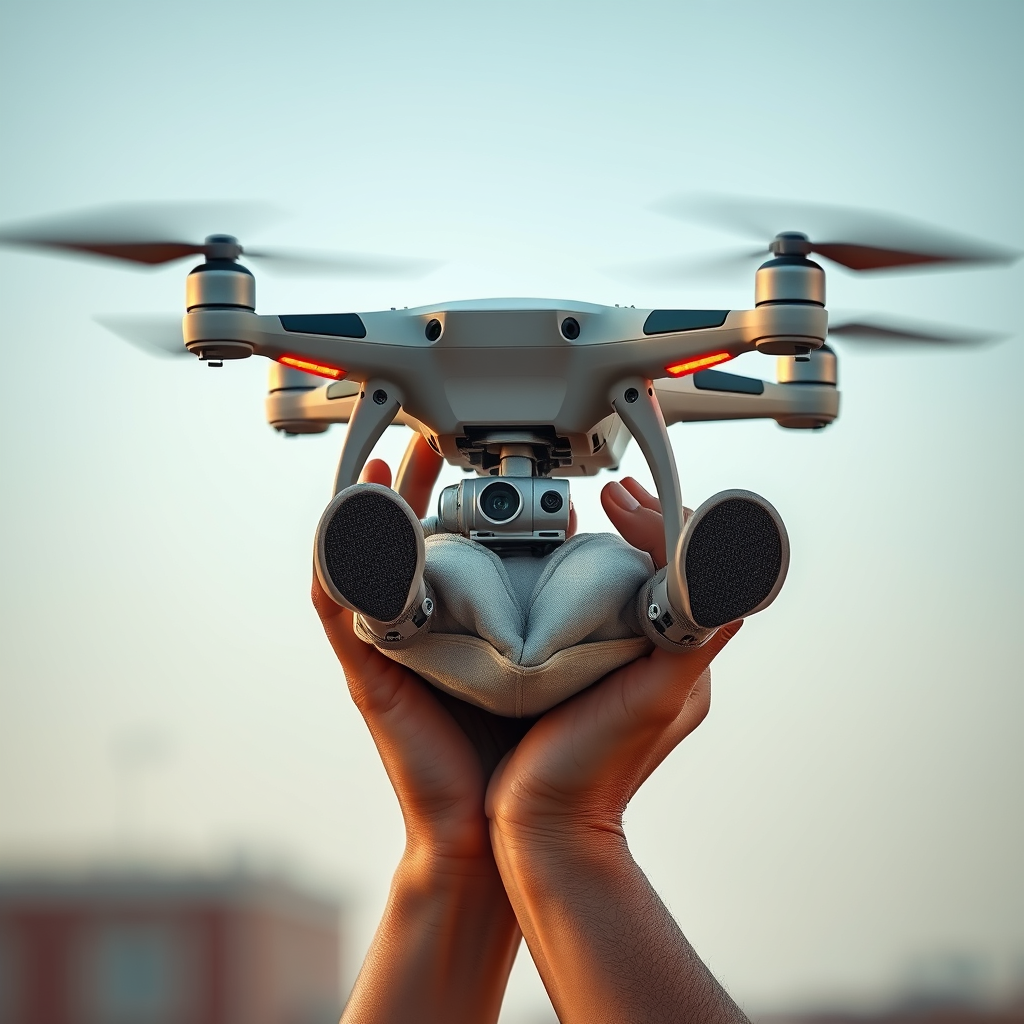
Drones are not currently designed to pick up a person safely, but advancements in technology may change that in the future. As the drone industry continues to evolve, various innovations are being explored that could eventually enable drones to transport individuals. This article delves into the current capabilities of drones, the challenges they face, and the possibilities for human transport.
Current Drone Capabilities
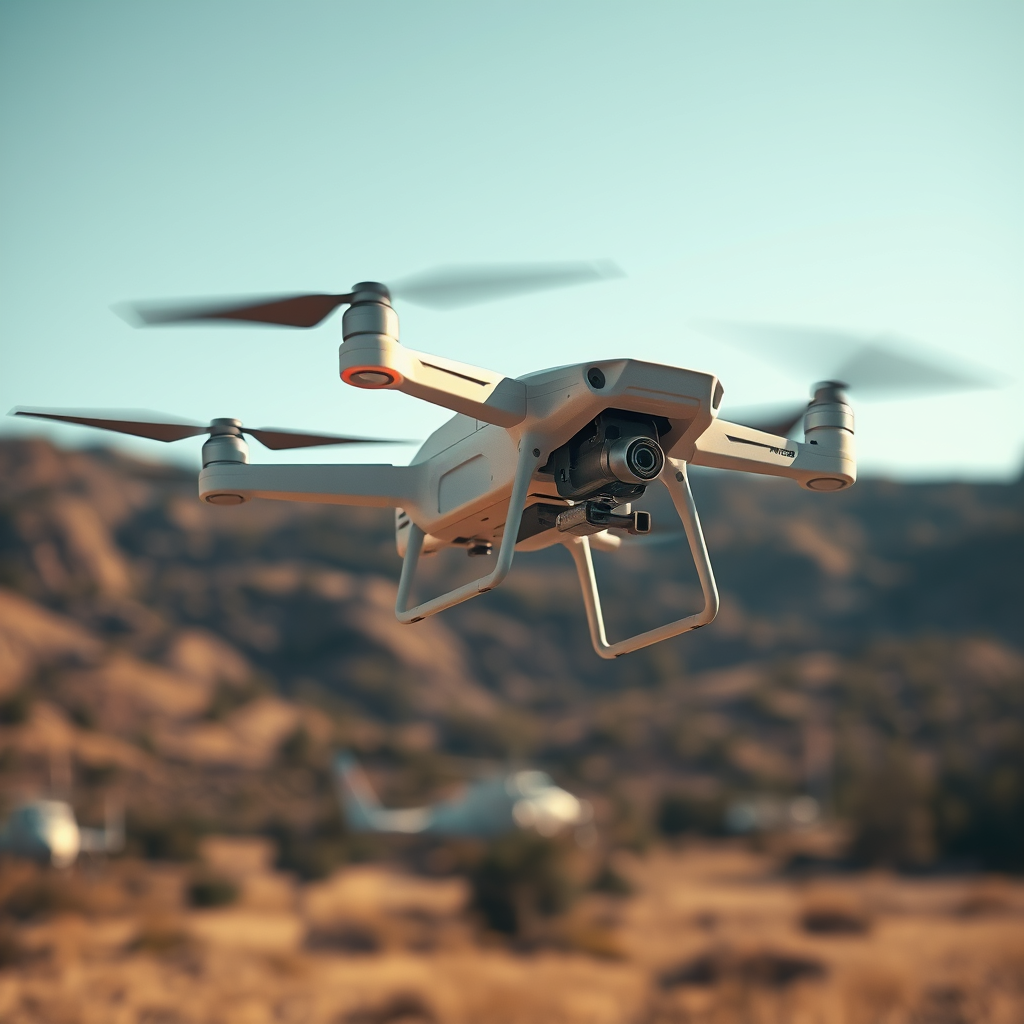
Most drones on the market today are engineered primarily for specific tasks such as aerial photography, delivery services, and surveillance missions. These drones typically possess a payload capacity that ranges from a mere 0.5 pounds for small consumer drones to a maximum of about 55 pounds for heavy-lift models used in commercial applications. Given these limitations, the transport of human beings—whose average weight far exceeds the payload capabilities of these drones—remains impractical.
For context, consumer drones like the DJI Mavic series are optimized for capturing high-quality images and videos, while industrial drones focus on tasks such as crop monitoring and infrastructure inspection. The payload restrictions make it clear that, as of now, drones are not equipped to handle the complexities associated with human transport. However, this doesn’t mean the potential for drone transportation is entirely out of reach; the industry is actively exploring heavier-lift models and innovative designs aimed at overcoming these limitations.
Safety Regulations and Legal Concerns
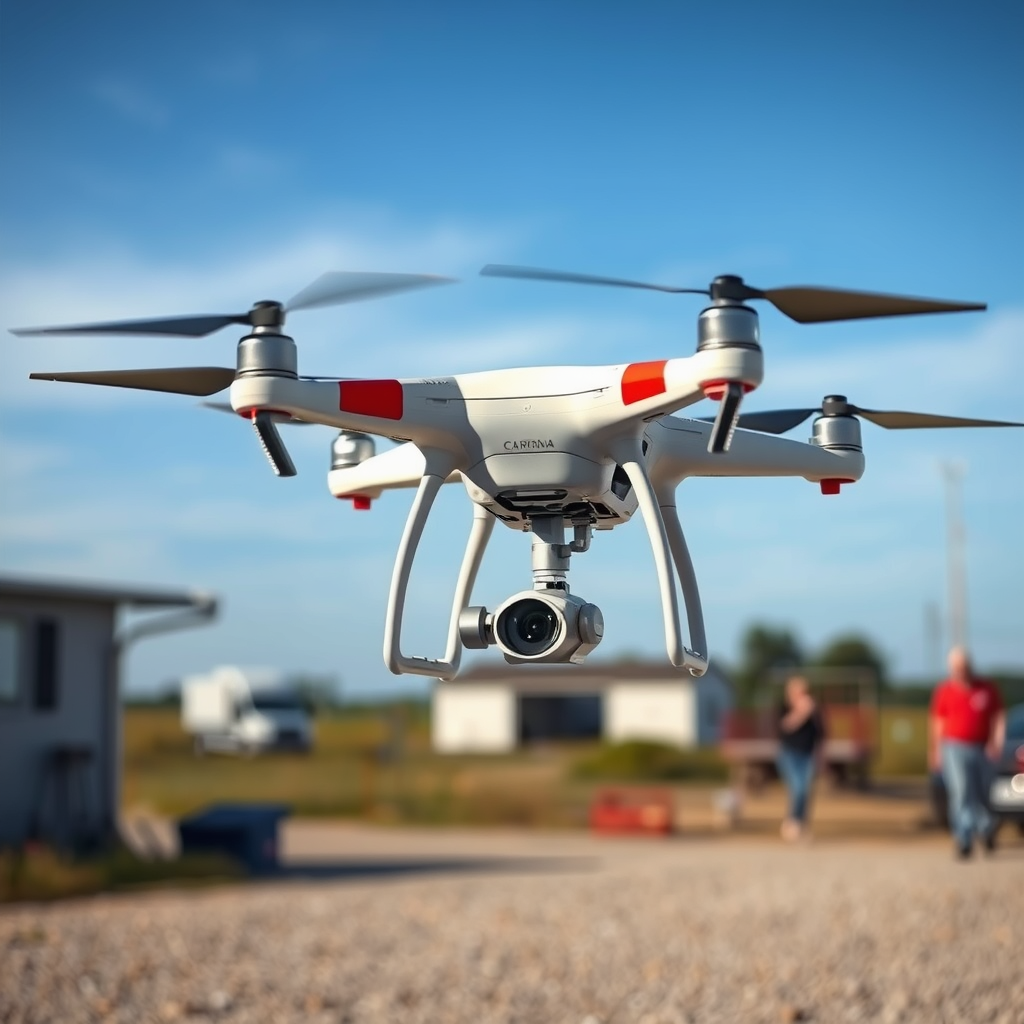
As with any evolving technology, the integration of drones into human transport raises significant safety regulations and legal concerns. Various aviation authorities, such as the Federal Aviation Administration (FAA) in the United States, have established stringent guidelines governing drone operations to ensure public safety. These regulations currently prohibit the transport of individuals due to the inherent risks involved, which include the potential for mechanical failure, loss of control, and other unforeseen emergencies.
Moreover, the legal landscape surrounding liability and insurance becomes increasingly complex when considering human transport by drones. If a drone were to malfunction while carrying a person, determining liability could become a contentious issue. Current drone operators are required to carry specific insurance, and extending that coverage to human transport scenarios would necessitate a reevaluation of existing policies and perhaps the creation of new regulations. This legal framework is essential for fostering public trust and ensuring that any future drone transport services are both safe and accountable.
Technological Challenges
Transitioning from cargo drones to those capable of safely carrying humans involves overcoming several technological challenges. One of the primary concerns is the need for advanced stability and control systems. Drones must be equipped with sophisticated navigation systems that can handle the dynamic variables associated with carrying a person, including weight distribution and the effects of wind and weather conditions.
Additionally, current battery technology poses significant limitations on flight time and weight capacity, which are critical factors in human transport. Most commercial drones utilize lithium-ion batteries, which provide limited energy density. This results in relatively short flight times—often less than 30 minutes—making it impractical for transporting individuals over longer distances. Research into alternative power sources, such as hydrogen fuel cells or advanced lithium-sulfur batteries, is ongoing and may offer viable solutions to extend flight durations while carrying heavier payloads.
Potential Use Cases for Human Transport Drones
Despite the challenges, there are promising potential use cases for human transport drones that could revolutionize various sectors. For instance, emergency services could greatly benefit from drones designed to quickly transport injured individuals from remote areas to medical facilities. In scenarios where traditional ambulance services face delays due to traffic or geographical barriers, drones could serve as a rapid response solution, significantly improving outcomes for patients.
Furthermore, the future may see the emergence of personal air vehicles (PAVs) designed for urban commuting. As cities become increasingly congested, the demand for efficient transportation solutions is rising. Companies like Joby Aviation and Volocopter are already investing in developing eVTOL (electric vertical takeoff and landing) aircraft that could function as air taxis, offering a viable alternative to ground transportation. These innovations could address urban mobility challenges while also reducing commute times considerably.
Research and Development in Drone Technology
The research and development landscape for drone technology is vibrant and rapidly evolving, with numerous companies actively exploring the feasibility of heavy-lift drones capable of transporting larger payloads, including humans. Major players in the aerospace industry, such as Boeing and Airbus, are investing in projects aimed at developing autonomous aerial vehicles that can safely navigate urban environments while carrying passengers.
Innovations in battery technology and artificial intelligence (AI) are also paving the way for safer and more efficient human transport by drones. AI can enhance flight safety by enabling real-time data analysis and decision-making, improving navigation systems, and optimizing flight paths based on environmental conditions. As these technologies continue to advance, they will play a crucial role in addressing the safety and operational concerns associated with human transport by drones.
Public Perception and Acceptance
Public perception of drones for personal transport remains mixed, often influenced by safety concerns and misconceptions. While some individuals are excited about the potential for innovative transportation solutions, others remain apprehensive, fearing accidents or privacy violations. Addressing these concerns is essential for fostering acceptance.
Education and awareness campaigns can play a significant role in shaping public opinion. By highlighting the safety measures being developed, the regulatory frameworks in place, and the technological advancements that can mitigate risks, stakeholders can help alleviate fears. Engaging communities in discussions about the benefits of drone transportation, such as reduced traffic congestion and quicker emergency responses, can also contribute to greater acceptance.
The Future of Drones in Human Transport
Looking ahead, the ongoing advancements in drone technology could lead to regulatory changes that may eventually allow for human transport. As drone capabilities improve and safety protocols are established, the potential for drones to alleviate urban congestion and provide rapid transport solutions is significant. Innovations in vertical takeoff and landing (VTOL) technology, alongside advancements in AI and battery life, are likely to play a pivotal role in this evolution.
As we continue to witness breakthroughs in drone technology, the dream of safely transporting individuals via drones may soon transition from fiction to reality. It is vital for industry stakeholders, regulatory bodies, and the public to collaborate in navigating this exciting frontier, ensuring that safety remains paramount while exploring new possibilities for aerial mobility.
As technology evolves, the dream of drones capable of safely picking up a person may become a reality. While current limitations exist, continuous research and innovative solutions could pave the way for a new era in aerial mobility. Stay informed about advancements in drone technology and consider the future possibilities.
Frequently Asked Questions
Can a drone safely pick up a person?
Currently, most commercial drones are not designed to pick up or carry human passengers due to safety and regulatory concerns. While there are experimental drones and prototypes being developed for air taxi services, these are still in testing phases and typically require advanced technology for stability and control. Regulations from aviation authorities also impose strict limitations on the use of drones for carrying people.
What types of drones are capable of lifting heavy objects?
Drones specifically designed for lifting heavy payloads are often referred to as heavy-lift drones. These drones usually have powerful motors, reinforced frames, and specialized designs to handle increased weight. Examples include the DJI Matrice 600 and the Freefly Alta 8, which can carry equipment for filming but are not intended for transporting people.
How much weight can a drone carry?
The weight capacity of a drone varies significantly based on its design, size, and purpose. Small hobby drones can typically carry a few hundred grams, while heavy-lift drones can handle anywhere from 5 to over 20 kilograms (11 to 44 pounds). When it comes to transporting people, experimental drones are being developed with the ability to carry a single passenger, but such technology is not yet widely available for commercial use.
Why are there regulations against drones carrying humans?
Regulations against drones carrying humans are primarily in place to ensure public safety and air traffic control. Drones pose risks of accidents, malfunctions, and collisions, which could lead to serious injuries or fatalities. Aviation authorities, such as the FAA in the United States, require stringent testing and certification processes for any drone designed to carry passengers, making it a lengthy and complex endeavor.
What is the future of drones transporting people?
The future of drones transporting people looks promising as technology advances and urban air mobility gains traction. Companies like Uber and Joby Aviation are actively developing air taxi services that utilize electric vertical takeoff and landing (eVTOL) aircraft. However, widespread adoption will depend on overcoming regulatory hurdles, ensuring safety, and creating necessary infrastructure for operations.
References
- https://en.wikipedia.org/wiki/Drone_delivery
- https://www.bbc.com/news/technology-46302880
- https://www.sciencedirect.com/science/article/pii/S2096579617301335
- https://www.theguardian.com/technology/2021/jan/13/can-drones-save-lives-the-future-of-rescue-technology
- https://www.nist.gov/news-events/news/2020/10/drones-will-soon-be-possible-retrieve-people-water-emergency
- https://www.ncbi.nlm.nih.gov/pmc/articles/PMC6403667/
- https://www.faa.gov/uas/
- https://www.wired.com/story/drones-could-save-lives-in-disasters/
