

Yes, drones can potentially see inside your house, especially if they are equipped with certain types of cameras. Drones that carry high-resolution imaging technology, including thermal cameras, have the capability to capture detailed images of your home, including views through windows. However, the extent to which a drone can see inside your house depends on several factors, such as the design of your home, the drone’s altitude, and the presence of any obstructions. This article will explore the capabilities of drones, privacy concerns, and the legal implications surrounding their use.
Understanding Drone Capabilities
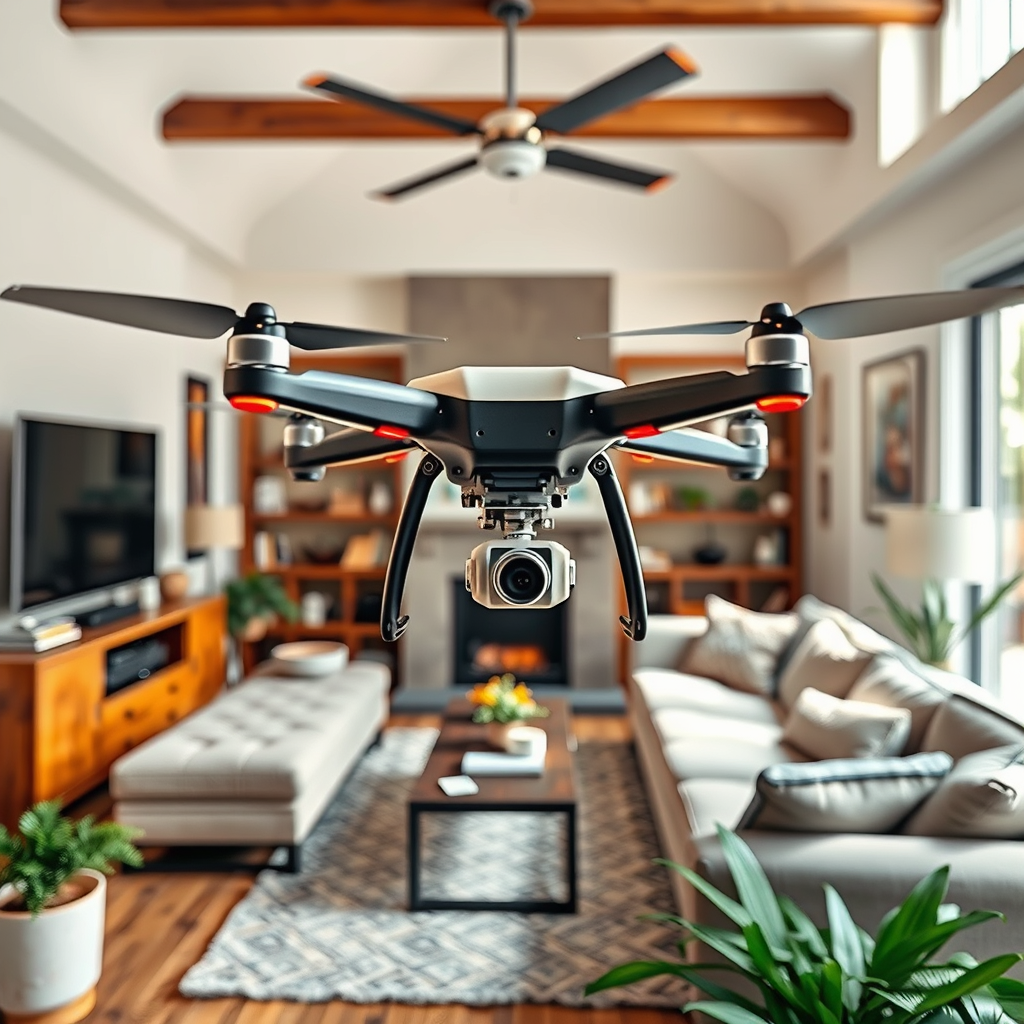
Drones are increasingly sophisticated devices that can be outfitted with a variety of cameras. High-resolution cameras can capture images with incredible detail, making it possible to see objects and activities inside a house under certain conditions. Additionally, drones equipped with thermal imaging technology can detect heat signatures, which can reveal the presence of people or pets inside a home even when visual access is obstructed.
The altitude and angle at which a drone operates are crucial factors that influence what it can see. A drone flying at a higher altitude may have a broader field of view, but this could also limit its ability to capture fine details. Conversely, a lower altitude might provide a clearer view into windows, but it may also attract attention and raise privacy concerns. Understanding these capabilities is essential for both drone operators and homeowners who wish to protect their privacy.
Factors Affecting Visibility
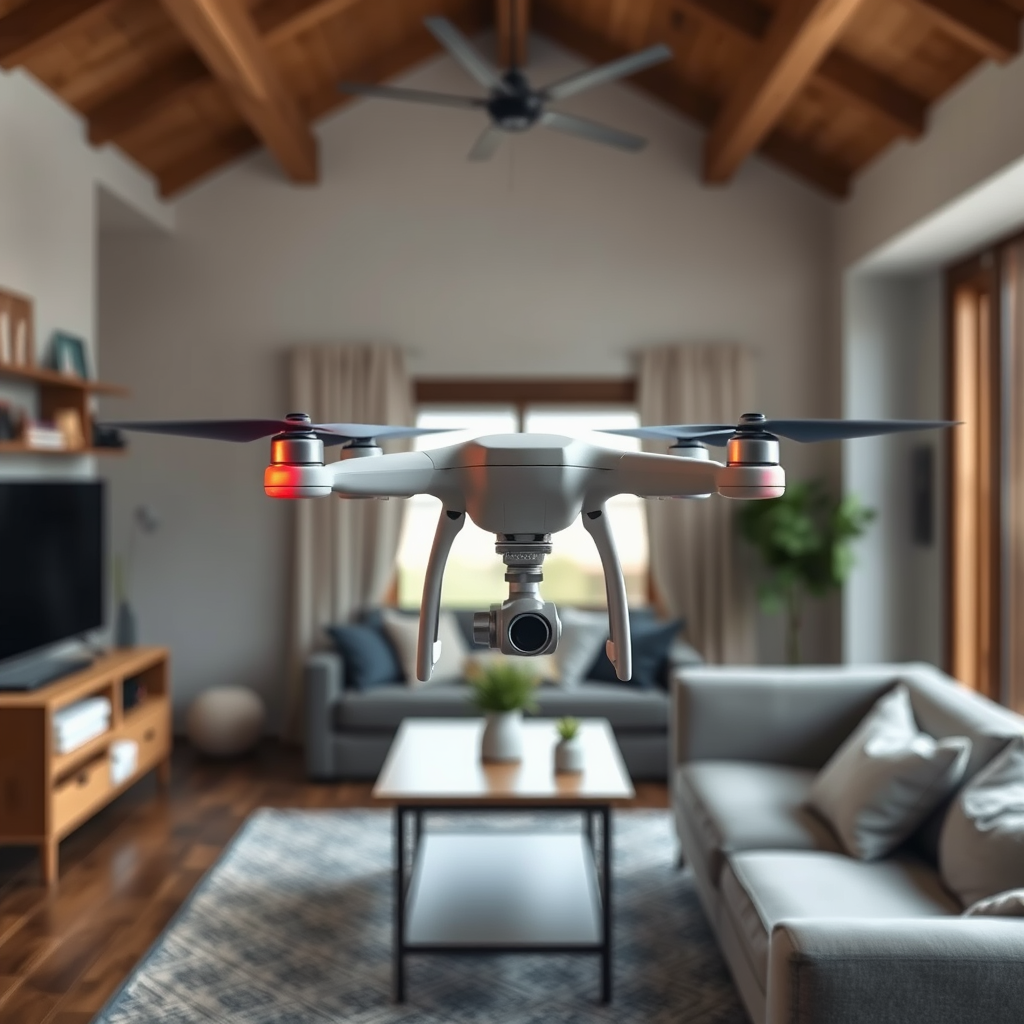
Several factors determine how effectively a drone can see inside a house. One of the most significant is the presence of window treatments, such as curtains, blinds, or frosted glass, which can significantly obstruct visibility. In homes with heavy drapes or reflective window coatings, the chances of a drone seeing inside are substantially reduced.
The size and type of drone also play a critical role. Smaller drones, while more maneuverable, may be limited in camera quality and range. Larger drones typically carry higher-quality cameras that can capture clearer images from greater distances. For example, a commercial-grade drone designed for surveillance may be capable of capturing high-resolution images from hundreds of feet in the air, whereas a smaller consumer drone might struggle to provide clear images from the same height.
Privacy Concerns
The rise of drone technology has sparked widespread concerns regarding privacy and unauthorized surveillance. Many individuals worry that drones can be used for invasive monitoring, capturing images of private moments without consent. This concern is particularly pronounced in densely populated areas where homes are in close proximity to each other.
The ethical implications of drone surveillance are significant. While drones can be beneficial for various purposes, such as search and rescue or property inspections, the potential for misuse raises questions about the right to privacy. Homeowners may feel vulnerable knowing that their activities could be observed by an uninvited aerial observer. As such, the conversation around drone usage often revolves around balancing technological advancements with the need to protect individual privacy rights.
Legal Implications
The legal landscape surrounding drone usage is complex and varies widely from one jurisdiction to another. In the United States, the Federal Aviation Administration (FAA) regulates drone operations, including where and how high drones can fly. However, privacy laws are often governed at the state level, leading to a patchwork of regulations.
In many cases, filming or photographing someone without their consent can lead to legal repercussions, especially if the imagery captures private moments or violates reasonable expectations of privacy. For instance, some states have enacted laws specifically prohibiting the use of drones for surveillance without permission. It is crucial for drone operators to familiarize themselves with local laws and regulations to avoid potential legal issues.
Technology Limitations
While drones are powerful tools for capturing imagery, they are not infallible. Various technological limitations can hinder their ability to provide clear views inside homes. Weather conditions, such as rain, fog, or high winds, can impact the drone’s stability and the clarity of the images captured. Additionally, low-light conditions can severely reduce the quality of visual data, making it challenging to see inside a house at night or in poorly lit environments.
Camera quality also plays a significant role in determining what a drone can capture. While high-end drones offer excellent image resolution, budget models may feature basic cameras that struggle to provide clear images, especially from a distance. Understanding these limitations is essential for both drone operators and individuals concerned about privacy.
Preventive Measures
Homeowners can take proactive steps to enhance their privacy and minimize the likelihood of being observed by drones. Landscaping is one effective strategy; tall trees, shrubs, and hedges can provide natural barriers that obstruct aerial views into windows. Additionally, installing secure fencing can also deter unwanted surveillance.
Moreover, using smart technology can further enhance privacy. For example, specialized window films can reduce visibility from the outside while allowing natural light to enter. These films come in various styles that can effectively obscure the view from a drone without compromising aesthetics. Homeowners should consider these preventive measures to safeguard their privacy in an age where drone technology is becoming increasingly prevalent.
Future of Drone Technology
As drone technology continues to evolve, their surveillance capabilities are likely to expand. Advancements in imaging technology, including improvements in camera resolution and the integration of artificial intelligence, may enable drones to capture even clearer and more detailed images from greater distances. As a result, the potential for unauthorized surveillance could increase, prompting further discussions about privacy rights and regulations.
Ongoing dialogues among lawmakers, privacy advocates, and technology developers will be crucial in shaping the future of drone usage. As society grapples with the implications of emerging technologies, it will be vital to establish frameworks that protect individual rights while allowing for innovation in drone applications.
In conclusion, while drones have the potential to see inside your house, various factors—including technology, privacy laws, and individual homeowner actions—play significant roles in this capability. As drone technology advances and becomes more accessible, it is essential for both operators and homeowners to stay informed about regulations and take preventive measures to protect privacy. The balance between leveraging technological advancements and safeguarding personal privacy will be a critical conversation for the future.
Frequently Asked Questions
Can a drone capture images inside my house?
Drones typically cannot see inside your house unless they are flying very close to windows or openings. Most drones are equipped with cameras designed for aerial photography, meaning they focus on outdoor shots rather than penetrating structures. However, if your windows are open or not covered, a drone could potentially capture images of the interior. It’s essential to be aware of your privacy and take precautions, like using window treatments, to prevent unwanted surveillance.
What are the legal implications of drones flying over residential areas?
The legality of drones flying over residential areas varies by location and is governed by local and federal regulations. In the U.S., the Federal Aviation Administration (FAA) allows drones to fly in residential areas as long as they adhere to specific altitude and distance guidelines. However, if a drone is used for invasive surveillance, such as capturing images inside homes without consent, it can lead to legal action under privacy laws. Always check local laws to ensure compliance and respect for privacy.
How can I protect my privacy from drone surveillance?
To safeguard your privacy from potential drone surveillance, consider using window treatments such as curtains or blinds to block views into your home. Additionally, you can install outdoor privacy screens or landscaping to obstruct aerial views. Awareness of your surroundings and reporting suspicious drone activity can also help protect your privacy. Remember that operating a drone over private property without permission may violate privacy laws, providing some degree of protection.
Why are people concerned about drones seeing inside their homes?
Concerns about drones seeing inside homes stem from issues of privacy and security. With the rise of drone technology, individuals fear that their personal lives could be exposed without consent, leading to potential harassment or unwanted attention. Moreover, the capability of drones to capture high-resolution images and video raises alarms about surveillance and the misuse of such technology, emphasizing the need for clear privacy regulations and responsible drone use.
What types of drones are capable of capturing detailed images?
Drones equipped with high-resolution cameras, such as those with 4K video capabilities, can capture detailed images from the air. Professional-grade drones, like the DJI Phantom series or the Mavic series, are known for their advanced imaging technology, allowing for sharp and clear photos and videos. While these drones can provide stunning aerial views, they should be used responsibly, keeping in mind privacy concerns and legal restrictions regarding their operation near residential areas.
References
- https://en.wikipedia.org/wiki/Drone
- https://www.aclu.org/news/privacy-technology/2020/06/what-you-need-to-know-about-drone-privacy
- https://www.nytimes.com/2020/01/11/us/drones-privacy.html
- https://www.loc.gov/law/help/drone-law/index.php
- https://www.eff.org/deeplinks/2016/01/what-you-need-know-about-drone-privacy
- https://www.theguardian.com/technology/2016/mar/24/drones-privacy-issues-law-enforcement
- https://www.faa.gov/uas/
