
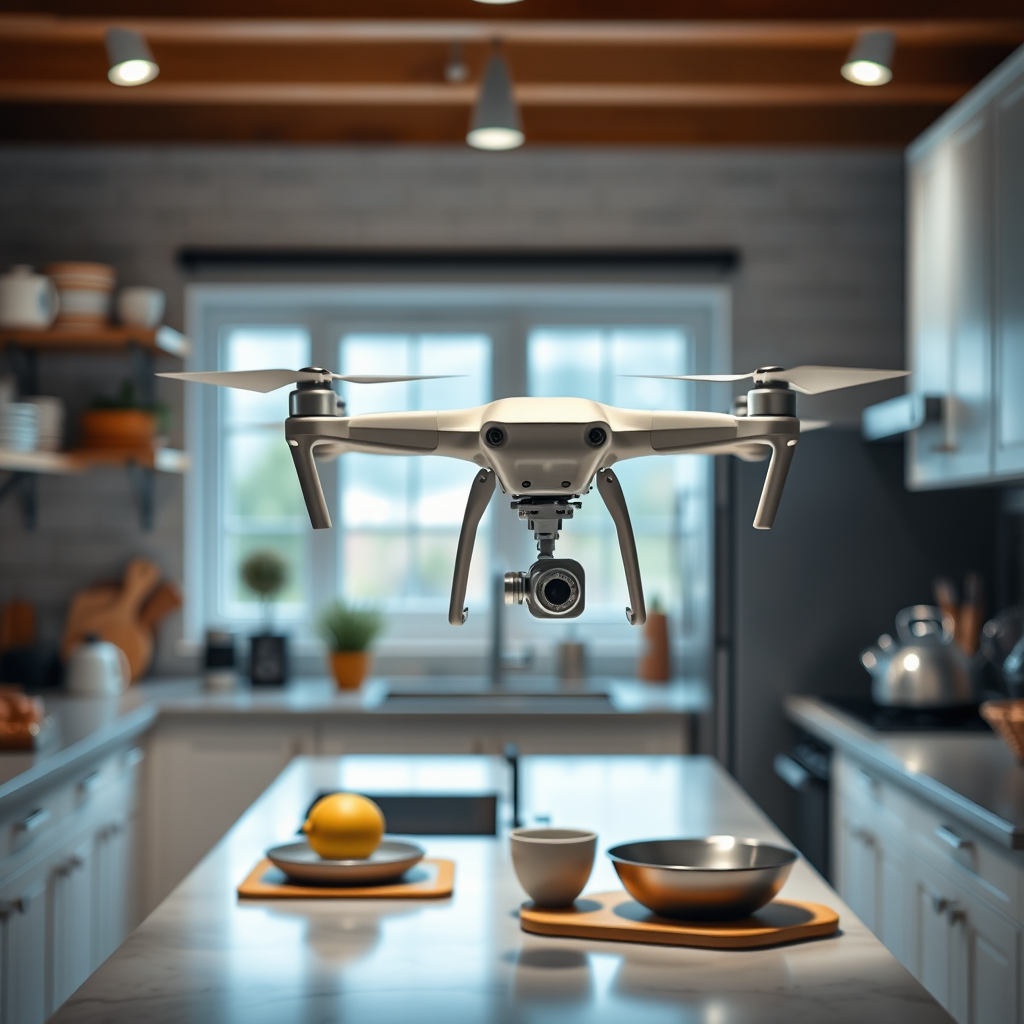
Yes, a drone can stay in one spot, a capability often referred to as “hovering.” This feature is primarily dependent on the drone’s design, GPS functionality, and environmental conditions. Drones are equipped with advanced technology that allows them to maintain a stable position in the air, making them incredibly versatile for various applications. In this article, we will explore how drones achieve this capability, the types of drones that can hover, the factors influencing hovering stability, practical applications of this ability, safety considerations, and tips for improving hovering control.
Understanding Drone Hovering
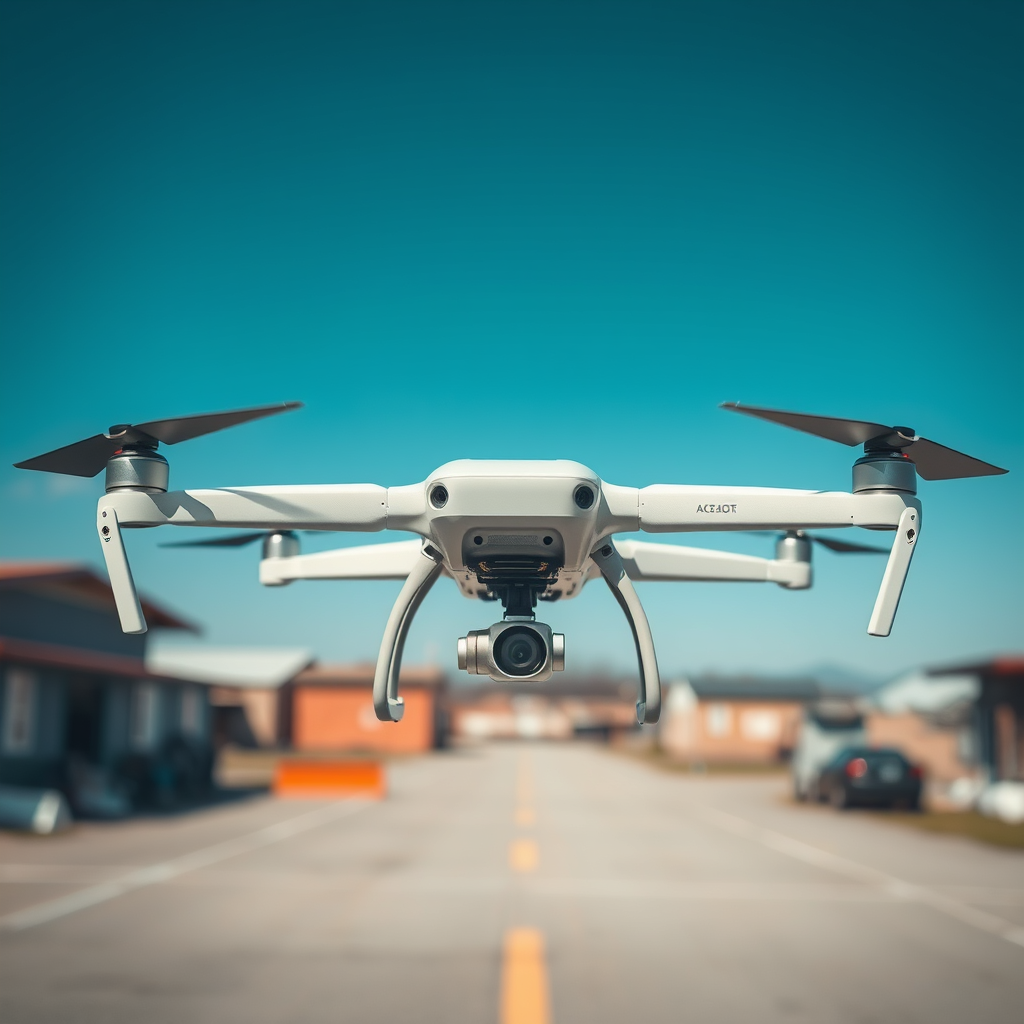
Drones can hover thanks to their rotor systems, which generate lift and allow for vertical movement. Most consumer and commercial drones utilize multirotor designs, specifically quadcopters, which have four rotors that can be independently controlled to achieve stable hovering. The ability to hover is further enhanced by advanced GPS technology, which provides real-time positioning data. This data is crucial for maintaining a stable position in the air, as it allows the drone to compensate for wind and other external factors. For instance, if a drone detects a gust of wind pushing it off course, the onboard flight control system can automatically adjust the rotor speeds to counteract the wind and maintain its intended position.
Furthermore, modern drones are equipped with various sensors, including barometers and accelerometers, which provide additional information on altitude and orientation. These sensors work in conjunction with GPS data to create a highly stable hover. The combination of these technologies enables drones to perform complex aerial maneuvers while remaining stationary, making them invaluable tools in various fields.
Types of Drones Capable of Hovering
Multirotor drones, such as quadcopters, are the most common types that can hover efficiently. Their design allows for vertical takeoff and landing (VTOL), which means they can ascend and descend without needing a runway. The quadcopter configuration, with its four rotors, provides excellent stability and control, making it ideal for tasks requiring precise positioning.
On the other hand, fixed-wing drones typically require forward motion to stay airborne and cannot hover in the same way. These drones rely on their wings to generate lift, and when stationary, they will inevitably descend. While fixed-wing drones excel in covering large distances and are often used for mapping and surveying, they lack the hovering ability that multirotor drones offer. However, there are hybrid models available that combine characteristics of both fixed-wing and multirotor designs, allowing for some degree of hovering capability while still benefiting from the longer flight times of fixed-wing drones.
Factors Affecting Hovering Stability
Several factors can influence a drone’s ability to maintain a stable hover. Wind conditions are one of the most significant variables; stronger winds can cause a drone to drift off its intended path. For instance, a drone attempting to hover in a wind gust may experience difficulty maintaining its position, requiring more adjustments from the flight control system. This is particularly challenging in outdoor environments where wind patterns can be unpredictable.
Battery life is another critical factor that can influence hovering time. Drones require a significant amount of power to maintain lift and stability, and as the battery drains, the drone’s performance may degrade, affecting its ability to hover effectively. For example, as battery levels drop below a certain threshold, the drone may not have sufficient power to counteract external forces such as wind, leading to potential drifting or loss of altitude. Operators should always monitor battery levels and plan flights accordingly to ensure safe operations.
Additionally, environmental conditions such as temperature and humidity can also play a role in a drone’s hovering capability. Extreme temperatures can affect battery performance and motor efficiency, while high humidity may impact sensor accuracy. Operators should be aware of these factors and adjust their flying strategies to optimize performance.
Practical Applications of Drone Hovering
Aerial photography and videography benefit significantly from the ability to hover, allowing for steady shots that capture high-quality images and video footage. Drones equipped with advanced stabilization technology can produce stunning visuals from unique angles, making them popular in the film and tourism industries. For example, a drone hovering at a specific altitude can capture breathtaking panoramic views of landscapes or events, providing a creative tool for photographers and filmmakers.
Moreover, drones are used in search and rescue operations, where hovering can help pinpoint locations or assess situations from above. In emergency scenarios, the ability to hover allows rescue teams to survey large areas quickly, identify individuals in need of assistance, and assess the overall situation without putting personnel at risk. Drones equipped with thermal imaging cameras can detect heat signatures, enabling responders to locate missing persons in challenging terrains.
In agriculture, hovering drones are utilized for crop monitoring, allowing farmers to assess plant health and identify issues such as pest infestations or irrigation problems. By hovering at a consistent altitude, these drones can capture detailed images of fields, providing valuable data that can lead to more efficient farming practices.
Safety Considerations for Hovering Drones
It is essential to monitor battery levels and environmental conditions to prevent accidents during hovering. Operators should conduct pre-flight checks to ensure the drone is in optimal condition, including verifying that the battery is fully charged and the firmware is up to date. Additionally, being aware of local regulations regarding drone flight is crucial, especially in populated areas or near structures such as airports.
Operators should also consider the potential hazards associated with their flight environment. For instance, flying in high winds or poor visibility can increase the risk of accidents. It is advisable to avoid hovering near people, animals, or sensitive areas to minimize the chances of accidents or damage. Understanding the legal landscape surrounding drone usage is vital for safe operation, as violations can lead to fines or legal repercussions.
Tips for Improving Hovering Control
To enhance your drone’s hovering capabilities, practice flying in various conditions to become familiar with its response to environmental changes. Start practicing in calm conditions before gradually introducing wind or other variables to challenge your skills. This will help you develop a better understanding of how your specific model reacts to different situations.
Utilize built-in stabilization features or software that may enhance hovering accuracy. Many modern drones come equipped with advanced flight modes designed to assist with stability, such as GPS hold or altitude hold, which can help maintain a steady position. Familiarizing yourself with these features and how they work can significantly improve your control during hovering.
Additionally, consider investing in simulator software that allows you to practice flying without the risk of damaging your drone. These simulators can help you refine your skills and develop the muscle memory needed for effective hovering.
In conclusion, drones can indeed stay in one spot by utilizing advanced technology and design features. Understanding how hovering works, the types of drones that can do it, and the factors that influence stability can enhance your flying experience. As drone technology continues to evolve, the ability to hover will remain a crucial capability in various applications, from creative endeavors to critical rescue operations. If you’re interested in exploring drones further, consider trying out different models or styles to see which best suits your needs, and always prioritize safety and best practices for the most rewarding experience.
Frequently Asked Questions
Can a drone hover in one spot?
Yes, most modern drones are equipped with GPS and altitude sensors, allowing them to maintain a stable hover in one spot. This capability is particularly useful for aerial photography and videography, as it enables the operator to capture steady shots without the drone drifting. However, factors like wind and battery life can affect the drone’s ability to stay in one place.
How do drones maintain their position while hovering?
Drones maintain their position through a combination of GPS data and onboard sensors, such as barometers and accelerometers. The GPS provides the drone with its location, while the sensors help it measure altitude and orientation. This data is processed in real-time, allowing the drone’s flight control system to make necessary adjustments to keep it steady in one location, compensating for any external forces like wind.
Why does my drone drift while trying to hover?
If your drone is drifting while attempting to hover, it could be due to a weak GPS signal, calibration issues, or environmental factors like strong winds. Additionally, if the drone is not properly calibrated or if its sensors are malfunctioning, it may struggle to maintain a stable position. Regularly calibrating your drone before flight and flying in calm conditions can help mitigate this issue.
What is the best drone for stable hovering?
The best drones for stable hovering typically come equipped with advanced stabilization technology and high-quality GPS systems. Models such as the DJI Mavic Air 2 and the Phantom 4 Pro are highly regarded for their ability to maintain a steady hover, thanks to their robust flight control systems and reliable sensors. When choosing a drone for stable hovering, consider factors like weight, battery life, and sensor accuracy.
Which conditions are ideal for a drone to hover in one place?
Ideal conditions for a drone to hover in one place include calm weather with minimal wind, clear skies for a strong GPS signal, and an open area free from obstacles. Flying in these conditions helps the drone maintain its position more effectively and reduces the risk of drifting or losing control. Avoiding areas with high electromagnetic interference or dense urban environments can also enhance the drone’s hovering capabilities.
References
- https://en.wikipedia.org/wiki/Drone
- https://www.faa.gov/uas/recreational_flyers/
- https://www.nasa.gov/mission_pages/GLM/overview/index.html
- https://www.theguardian.com/us-news/2021/jul/18/us-drones-safety-aviation
- https://www.sciencedirect.com/science/article/pii/S2351978921000274
- https://www.techrepublic.com/article/what-is-a-drone-and-how-do-they-work/
- https://www.abc.net.au/news/2021-06-14/drones-use-in-australia-for-agriculture-and-emergency-services/100218206
