
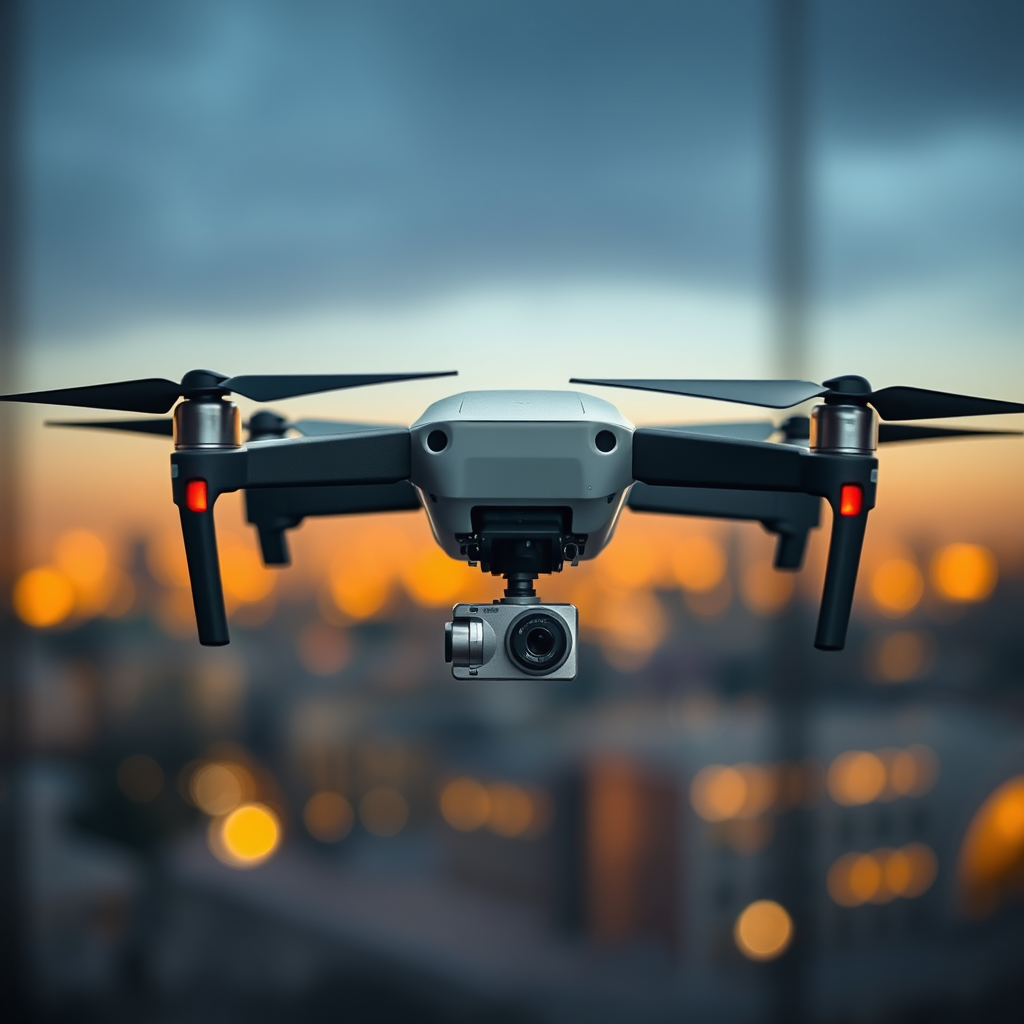
Drones are indeed capable of taking high-quality pictures, making them popular tools for photography enthusiasts and professionals alike. With advancements in camera technology and drone capabilities, capturing stunning aerial images has never been easier. Drones offer unique perspectives that traditional photography methods often cannot achieve, enabling photographers to explore new horizons and create striking images.
Understanding Drone Photography
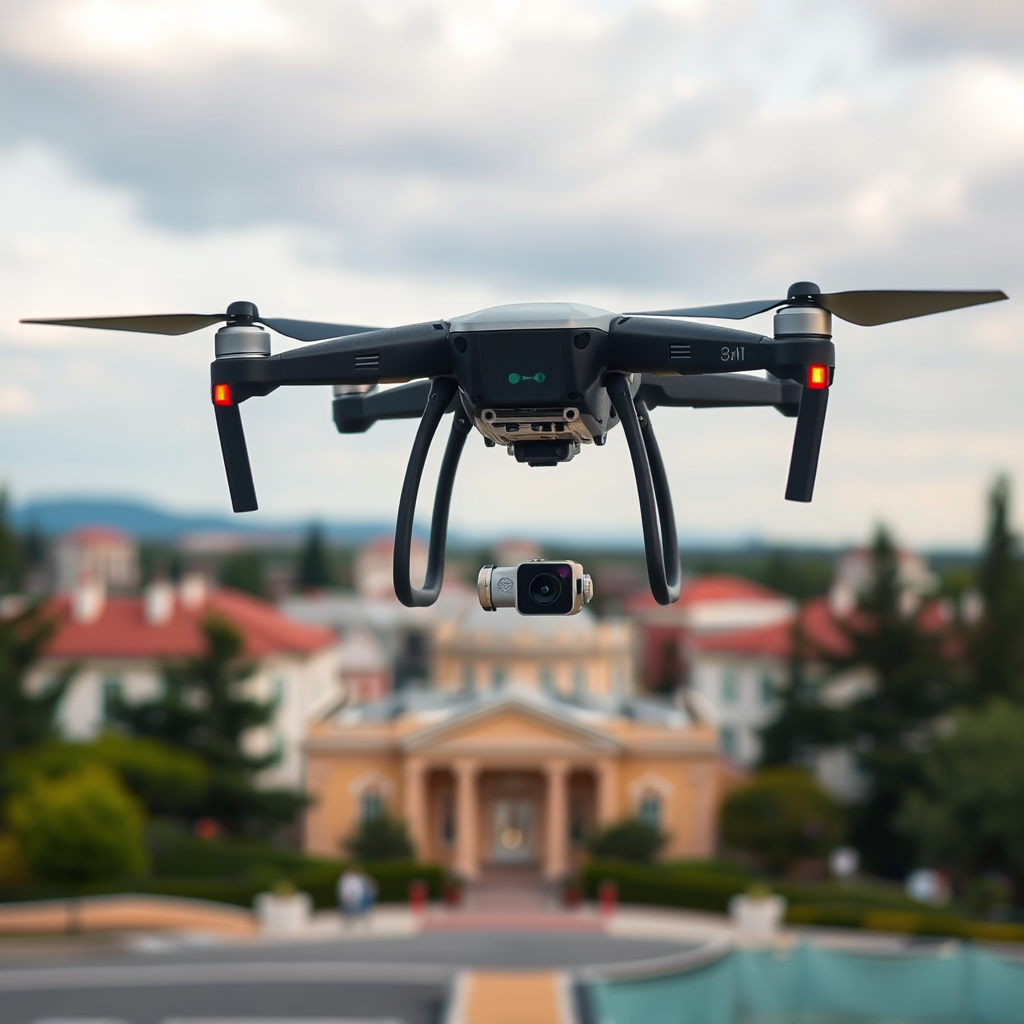
Drones equipped with cameras can capture images from unique angles and perspectives. This aerial viewpoint allows photographers to frame their subjects in ways that ground-based photography cannot replicate. The versatility of drone photography enables a range of applications—from breathtaking landscape shots to dynamic action sequences in sports photography. Different types of drones, such as quadcopters and fixed-wing models, offer various functionalities. Quadcopters, for instance, are generally more maneuverable and are favored for their ability to hover in place, making them ideal for precise compositions. In contrast, fixed-wing drones are better suited for covering large areas quickly and are often used in agricultural surveys or mapping projects.
Types of Cameras Used in Drones
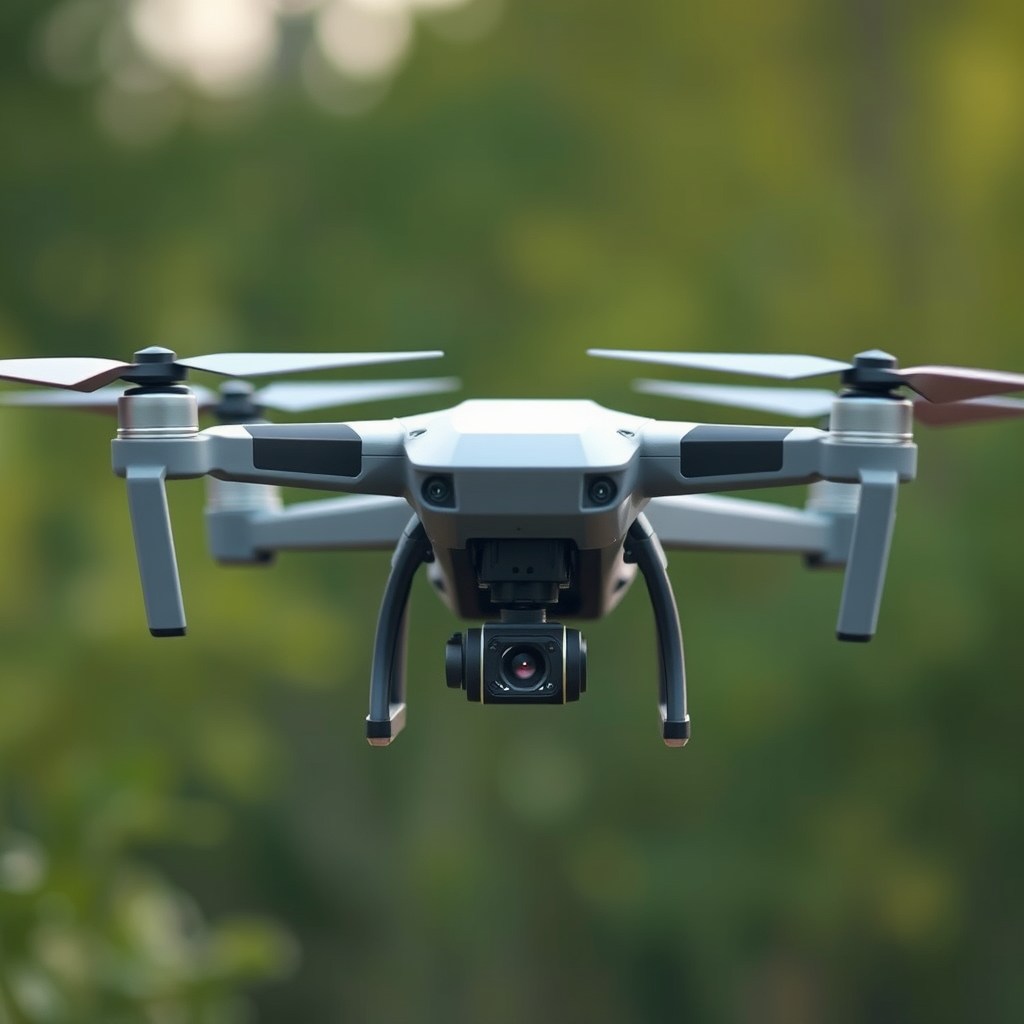
Many drones come with built-in cameras, while others allow for external camera attachments, providing flexibility in photographic quality. Common built-in options include 4K cameras that capture high-resolution images and video, suitable for professional-grade content creation. For those seeking even higher quality, some drones are compatible with DSLR or mirrorless cameras, which can be mounted for advanced photography. Camera specifications, such as megapixels and stabilization features, significantly affect image quality. Megapixels determine the resolution of the image, while stabilization technologies (like gimbals) ensure smooth footage by reducing the effects of drone vibrations. Understanding these aspects can help photographers choose the right equipment for their specific needs.
Drone Regulations and Legal Considerations
It’s essential to be aware of local regulations regarding drone photography to avoid legal repercussions. Many countries have established strict guidelines governing drone operations, particularly in populated areas or near airports. For example, in the United States, the Federal Aviation Administration (FAA) requires drone operators to adhere to specific regulations, such as maintaining visual line-of-sight and adhering to altitude restrictions. Additionally, many regions require permits for commercial drone photography, necessitating a thorough understanding of local laws. Engaging with these regulations not only ensures compliance but also fosters responsible drone usage, promoting safety and respect for privacy.
Best Practices for Aerial Photography
Understanding lighting conditions and weather can enhance photo quality significantly. The golden hours—early morning and late afternoon—offer the best natural lighting, creating dramatic shadows and rich colors. Additionally, cloudy days can provide diffused light, ideal for capturing details without harsh contrasts. Utilizing proper flight techniques is equally important; maintaining a steady altitude and avoiding abrupt maneuvers can prevent blurriness and ensure clarity in images. Familiarizing oneself with a drone’s controls and practicing in varied conditions can also improve proficiency. Moreover, pre-planning flight paths and considering angles before takeoff can result in more compelling compositions.
Popular Uses of Drone Photography
Drones are extensively used in various fields, including real estate, weddings, and landscape photography, to capture unique shots. For instance, real estate agents leverage aerial photography to provide prospective buyers with comprehensive views of properties and their surroundings. In the wedding industry, drone photography adds an element of grandeur, capturing breathtaking moments from above that traditional photographers might miss. Beyond personal use, drones are also useful for surveying land and monitoring environmental changes. In agriculture, drones equipped with multispectral cameras can assess crop health and optimize farming practices. This adaptability underscores the growing importance of drone photography across multiple sectors.
Choosing the Right Drone for Photography
When selecting a drone for photography, consider factors such as camera quality, flight time, and ease of use. High-quality cameras with advanced features, such as 4K video capabilities and HDR photography, are paramount for professional results. Additionally, flight time—how long a drone can stay airborne—affects the number of shots you can capture during a session. Newer models can achieve flight times exceeding 30 minutes, offering more opportunities for creative exploration. Ease of use is also crucial, especially for beginners; drones with user-friendly controls and automated flight modes can facilitate a smoother learning curve. Researching customer reviews and professional ratings can further guide you in finding the best fit for your needs.
In conclusion, drones are versatile tools that can effectively capture stunning photographs. Their ability to provide unique perspectives and high-quality images makes them invaluable for both personal use and professional projects. Understanding their capabilities, navigating regulations, and following best practices are key to successful drone photography. If you’re considering getting a drone, explore your options, evaluate your specific needs, and start capturing breathtaking aerial images that showcase the world from a new viewpoint.
Frequently Asked Questions
Can a drone take high-quality pictures like a professional camera?
Yes, many drones are equipped with high-resolution cameras that can capture stunning images comparable to those taken by professional cameras. Drones like the DJI Mavic series and the Phantom series come with advanced imaging technology, including high megapixel counts and stabilization features, allowing users to take clear and vibrant aerial photographs. However, the quality may vary depending on the drone model, camera specifications, and the settings used during photography.
How do I use a drone to take pictures effectively?
To take effective pictures with a drone, start by selecting the right environment and conditions, such as good lighting and clear weather. Familiarize yourself with the drone’s camera settings, including exposure, ISO, and white balance, to achieve the desired effect. Practice flying your drone at different altitudes and angles to explore various perspectives, and consider using features like GPS and waypoint navigation for more controlled shots.
Why should I choose a drone for photography instead of a traditional camera?
Drones offer unique advantages for photography that traditional cameras cannot provide. They allow you to capture stunning aerial perspectives and hard-to-reach locations, giving you a creative edge in your photography. Additionally, drones can cover large areas quickly, making them ideal for landscape, real estate, and event photography, where showcasing the environment from above adds significant value.
What are the best drones for taking pictures in 2023?
Some of the best drones for photography in 2023 include the DJI Mavic 3, which boasts a large sensor and advanced shooting capabilities, and the Autel Robotics EVO Lite+, known for its impressive low-light performance. The DJI Mini 2 is also a popular choice for beginners, offering high-quality images in a compact and easy-to-use design. When selecting a drone, consider factors like camera quality, flight time, portability, and user-friendly features to find the best fit for your needs.
Which regulations should I be aware of when using a drone for photography?
When using a drone for photography, it’s essential to understand and comply with local regulations set by aviation authorities, such as the FAA in the United States. Key regulations include flying below 400 feet, maintaining a visual line of sight, and not flying over people or private property without permission. Additionally, you may need to register your drone depending on its weight and use, so always check the legal requirements in your area to ensure safe and responsible drone operation.
References
- https://en.wikipedia.org/wiki/Drone_photography
- https://www.faa.gov/uas/getting_started/
- https://www.nytimes.com/2021/06/08/technology/drones-photography.html
- https://www.ncbi.nlm.nih.gov/pmc/articles/PMC7552850/
- https://www.sciencedirect.com/science/article/pii/S0167739X19315205
- https://www.theguardian.com/technology/2021/mar/01/drones-photography-privacy-ethics
- https://www.usgs.gov/land-resources/nli/aviation/drones-remote-sensing-and-photography
- https://www.techopedia.com/definition/32868/drone-photography
