
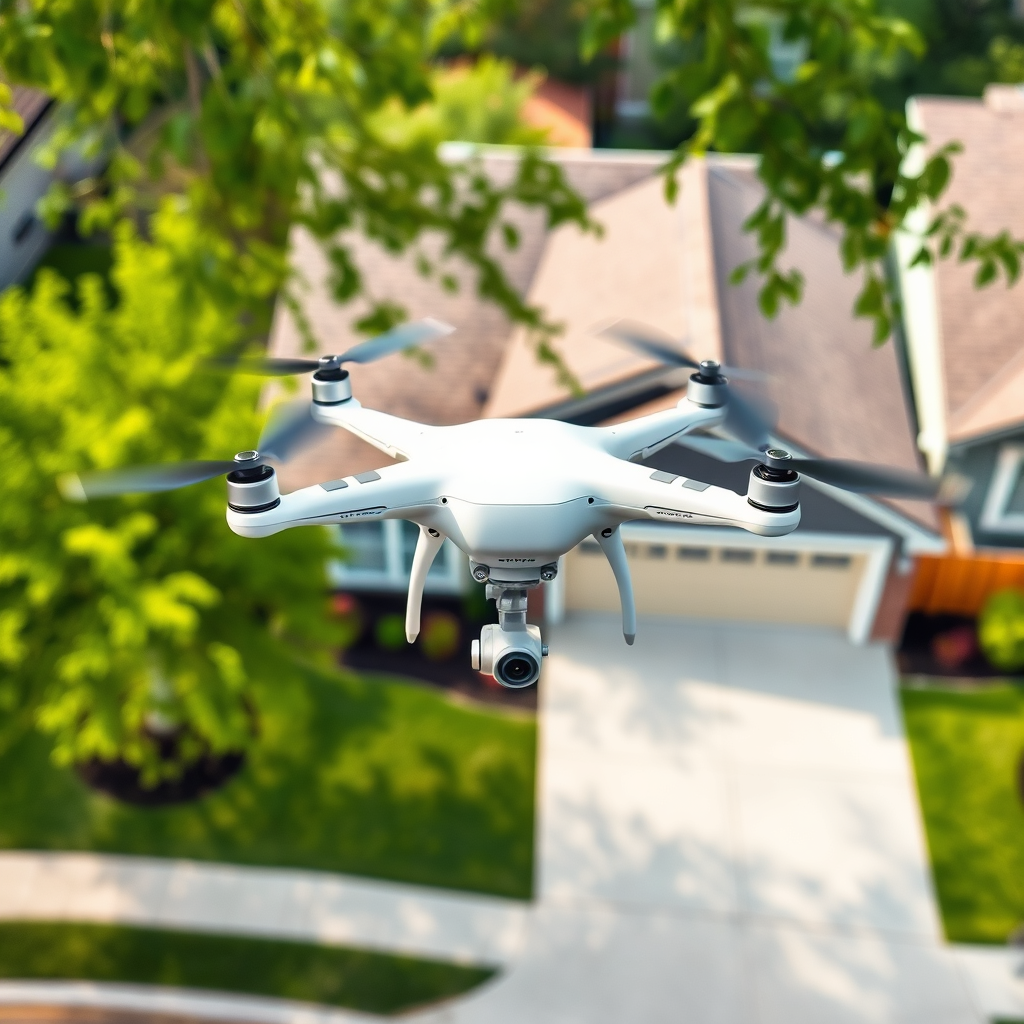
Yes, a neighbor can fly a drone over your property, but there are legal restrictions and privacy concerns that may apply. As drone technology continues to advance and become more accessible, understanding the legal landscape surrounding drone usage is crucial for both drone operators and property owners. This knowledge not only helps ensure compliance with local laws but also fosters neighborly relations, preventing potential conflicts.
Understanding Drone Regulations
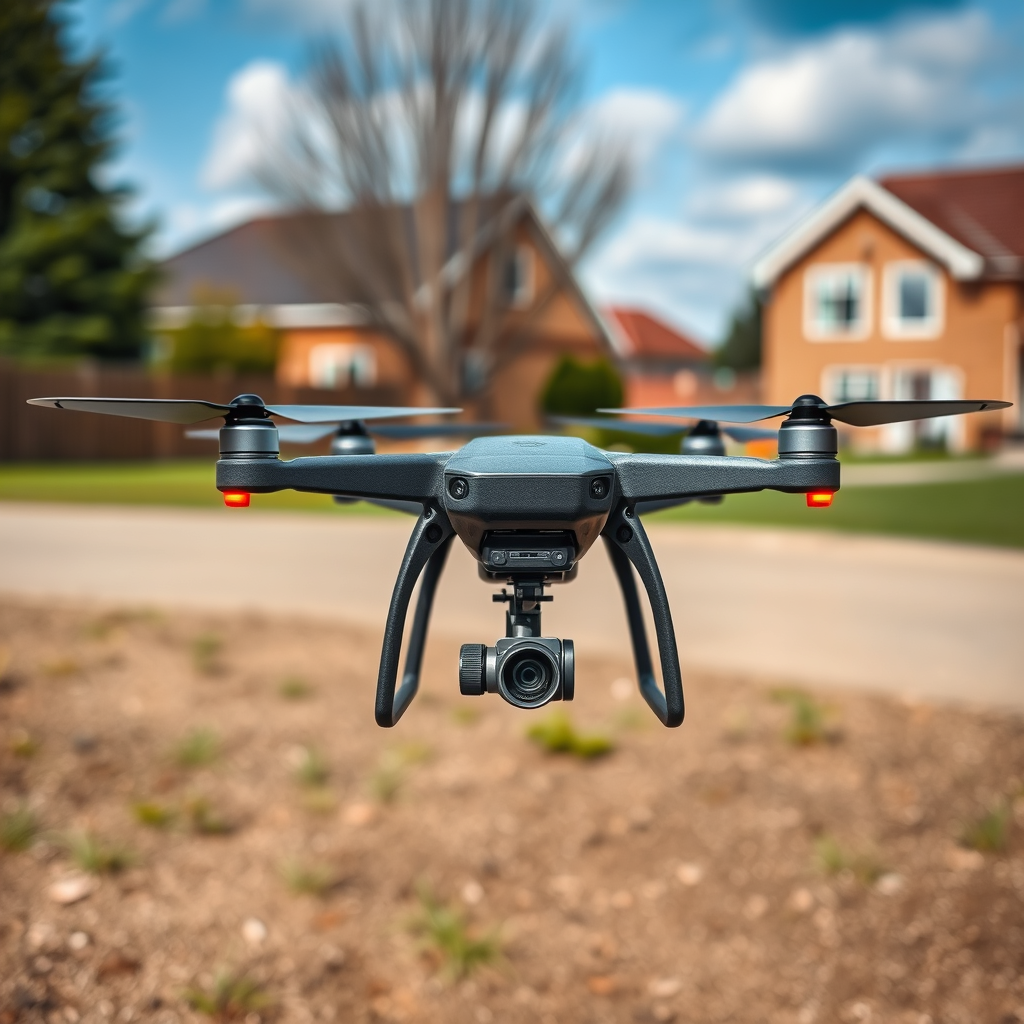
Drones are subject to regulations set forth by the Federal Aviation Administration (FAA), which governs airspace use in the United States. According to FAA guidelines, drone operators must ensure their flights are conducted within specific parameters, including altitude restrictions, no-fly zones, and the requirement to maintain visual line-of-sight with the drone. For example, drones typically cannot be flown above 400 feet unless in certain controlled airspace.
In addition to federal regulations, many local jurisdictions have enacted their own laws regarding drone use. These can range from outright bans in certain areas (such as parks or urban centers) to restrictions on flight times and altitudes. Property owners should familiarize themselves with both FAA guidelines and local ordinances to understand the complete scope of drone operation in their area.
Privacy Laws and Considerations
Flying a drone over private property can raise significant privacy issues. In many states, recording or photographing individuals without their consent may constitute a violation of privacy laws. For instance, several states have enacted legislation specifically addressing the use of drones for surveillance, making it illegal to capture images of individuals in private settings without permission.
Additionally, the concept of “reasonable expectation of privacy” plays a critical role in determining the legality of drone operations. For example, if a drone captures footage of a person in their backyard, that individual may have a reasonable expectation of privacy, especially if they are engaged in activities that are typically not meant for public viewing. Drone operators must be aware of these privacy concerns and consider how their flights might affect the individuals living below.
The Importance of Communication
Open dialogue with your neighbor can help address concerns before conflicts arise. If a neighbor is considering flying a drone frequently, initiating a conversation can lead to a mutual understanding of intentions and boundaries. For example, a neighbor might intend to use the drone for recreational purposes or for monitoring property, and understanding these motivations can alleviate unnecessary worry.
Discussing flight paths can also be beneficial. If both parties agree on designated areas for drone use, it can prevent misunderstandings and foster a more harmonious living environment. By proactively communicating, neighbors can work together to establish guidelines that respect each other’s privacy and property rights.
Potential Legal Actions
If a neighbor’s drone use becomes intrusive or violates your privacy, you may have legal recourse. Many states provide legal frameworks for addressing harassment or invasion of privacy, and drone usage can fall under these categories if it is deemed excessive or inappropriate. It’s essential to document any incidents involving the drone, including times, dates, and specific behaviors that violate your privacy or disrupt your peace.
For example, if a drone consistently hovers over your backyard while you are outside, this could be grounds for a complaint. Keeping detailed records of such occurrences can support your case should you decide to pursue legal action or involve local authorities. Consulting with a legal professional who specializes in property law or privacy issues can provide further guidance on your options.
Tips for Drone Operators
Respecting personal boundaries is crucial for drone operators to prevent misunderstandings and potential conflicts. Operators should always be mindful of where they are flying and make an effort to avoid hovering over private properties unnecessarily. Understanding the local laws and community guidelines is essential to ensure compliance and foster a positive relationship with neighbors.
Additionally, drone operators should consider using technology such as geofencing, which restricts flight paths to designated areas and prevents unintentional intrusions onto private property. Participating in local drone clubs or organizations can also be beneficial, as these groups often provide resources and education on responsible flying practices.
When to Seek Mediation
If disputes escalate and communication breaks down, consider seeking mediation before pursuing legal action. Mediation involves a neutral third party who can help facilitate a constructive conversation between you and your neighbor. This approach can lead to mutually agreeable solutions without the need for costly and time-consuming legal proceedings.
Mediation can be particularly effective in resolving misunderstandings or miscommunications regarding drone usage. By working together with a mediator, both parties can express their concerns and negotiate terms that respect each other’s privacy and property rights.
In conclusion, while neighbors can legally fly drones over your property, it is essential to be aware of related regulations and privacy concerns. Understanding FAA guidelines and local laws can help both drone operators and property owners navigate this evolving landscape. Open communication is key to maintaining a peaceful neighborhood, and being informed about your rights is equally important. Should ongoing issues arise, do not hesitate to seek advice or mediation to reach a resolution.
Frequently Asked Questions
Can a neighbor legally fly a drone over my property?
Yes, a neighbor can legally fly a drone over your property, as long as they adhere to federal regulations set by the Federal Aviation Administration (FAA). According to these regulations, drones must be flown within the operator’s visual line of sight and below 400 feet. It’s also important to note that the airspace is generally considered public, meaning that flying a drone over private property is often legal; however, individual state laws may impose additional restrictions.
What should I do if my neighbor’s drone is flying over my property frequently?
If your neighbor’s drone is frequently flying over your property and it bothers you, the first step is to communicate directly with them. Politely express your concerns and see if you can come to an understanding. If the drone usage continues to be intrusive or if you feel your privacy is being violated, you can review local laws or contact local law enforcement for guidance on potential violations.
Why do neighbors fly drones over my property?
Neighbors may fly drones over your property for various reasons, including recreational use, aerial photography, surveying land, or monitoring their own property. Drones are increasingly popular for capturing high-quality images and videos, and many hobbyists enjoy exploring the capabilities of their devices. Understanding their motives can help facilitate a more constructive dialogue between you and your neighbor.
What are the privacy laws regarding drone use in residential areas?
Privacy laws regarding drone use can vary by state, but generally, the use of drones for surveillance purposes may infringe on an individual’s right to privacy. It’s essential to familiarize yourself with local laws about aerial photography and surveillance. Some states have implemented specific regulations that restrict drone operators from capturing images or video of individuals on private property without consent, which can provide you with legal recourse if your privacy is being breached.
How can I protect my property from intrusive drone activity?
To protect your property from intrusive drone activity, you can take several steps. First, establish clear communication with your neighbor to express your concerns. If necessary, consult local ordinances regarding drone usage in your area to understand your rights. Additionally, consider installing privacy screens or using landscaping to obstruct the view of your property from the air. If the issue persists, you may need to seek legal advice to explore your options for reducing drone interference.
References
- https://www.faa.gov/uas/getting_started/where_to_fly
- https://www.nolo.com/legal-encyclopedia/can-you-fly-drone-over-private-property-32605.html
- https://www.nytimes.com/2021/06/03/technology/drone-privacy-property-rights.html
- https://www.bbc.com/news/technology-48720749
- https://www.ncbi.nlm.nih.gov/pmc/articles/PMC7946329/
- https://www.ama-assn.org/delivering-care/public-health/drone-delivery-health-care-what-know
- https://www.esa.int/Applications/Observing_the_Earth/Copernicus/Sentinel-1/Sentinel-1_uses_drones_to_monitor_environmental_issues
