
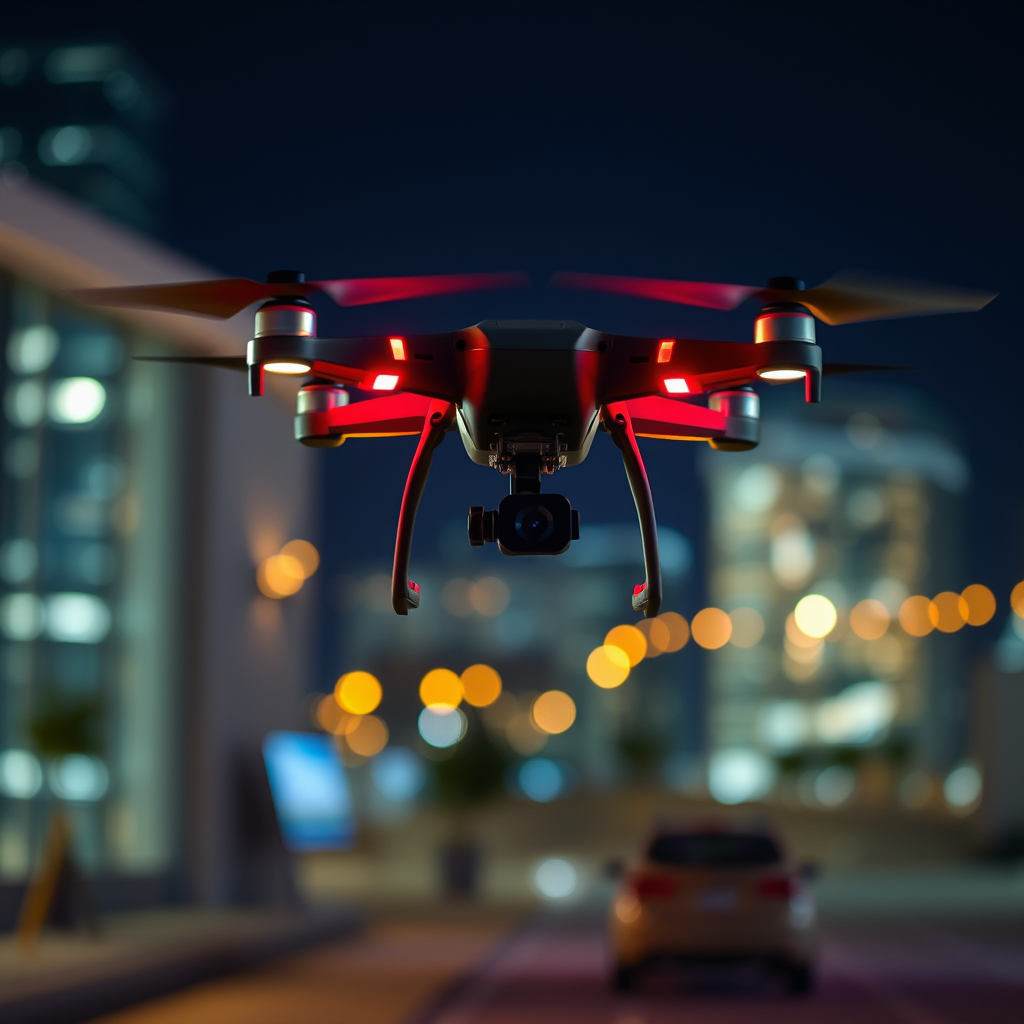
Yes, recreational drone pilots can fly at night, but they must adhere to specific regulations and safety precautions set by aviation authorities. Understanding these guidelines is essential for safe nighttime flying. The Federal Aviation Administration (FAA) has established rules to ensure that nighttime operations are conducted safely, minimizing risks associated with reduced visibility. This article will delve into the necessary regulations, required equipment, safety considerations, local laws, tips for successful night flights, and community resources available to drone pilots.
Understanding FAA Regulations
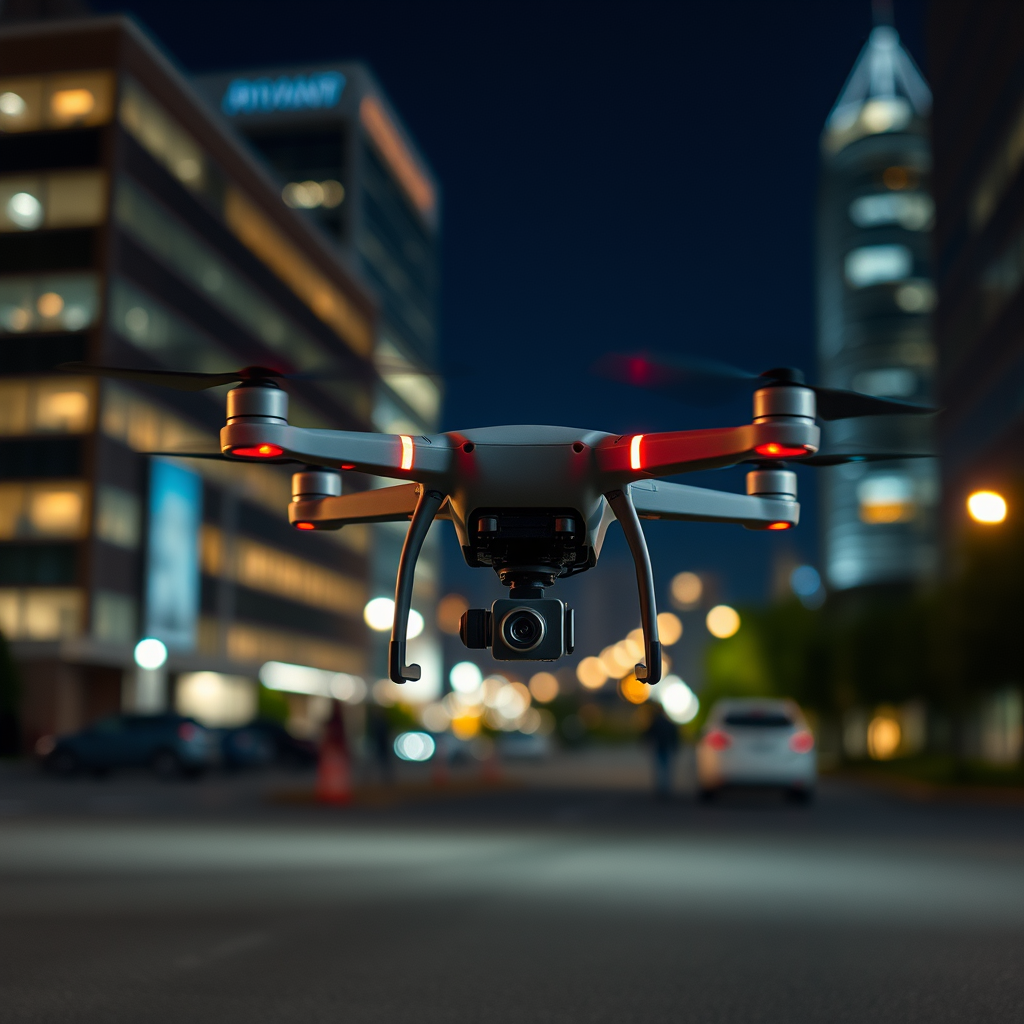
The FAA has created a framework for drone operation that includes specific regulations for nighttime flying. To ensure nighttime flights are conducted safely, the FAA mandates that drones must be equipped with appropriate lighting systems. This lighting must meet certain visibility requirements to prevent accidents and collisions. Pilots flying at night are required to have anti-collision lights that are visible for at least three statute miles. These lights help other aircraft and people on the ground to see the drone, reducing the likelihood of unintended encounters.
Moreover, to legally operate a drone at night, recreational pilots must possess a Part 107 certification. This certification is designed for commercial drone operators but also applies to recreational pilots who wish to fly at night. Obtaining this certification involves passing an FAA knowledge test that covers various topics including airspace regulations, weather, and drone operation safety. This requirement underscores the importance of understanding the complexities of flying a drone in low-light conditions, where situational awareness is crucial.
Required Equipment for Night Flying
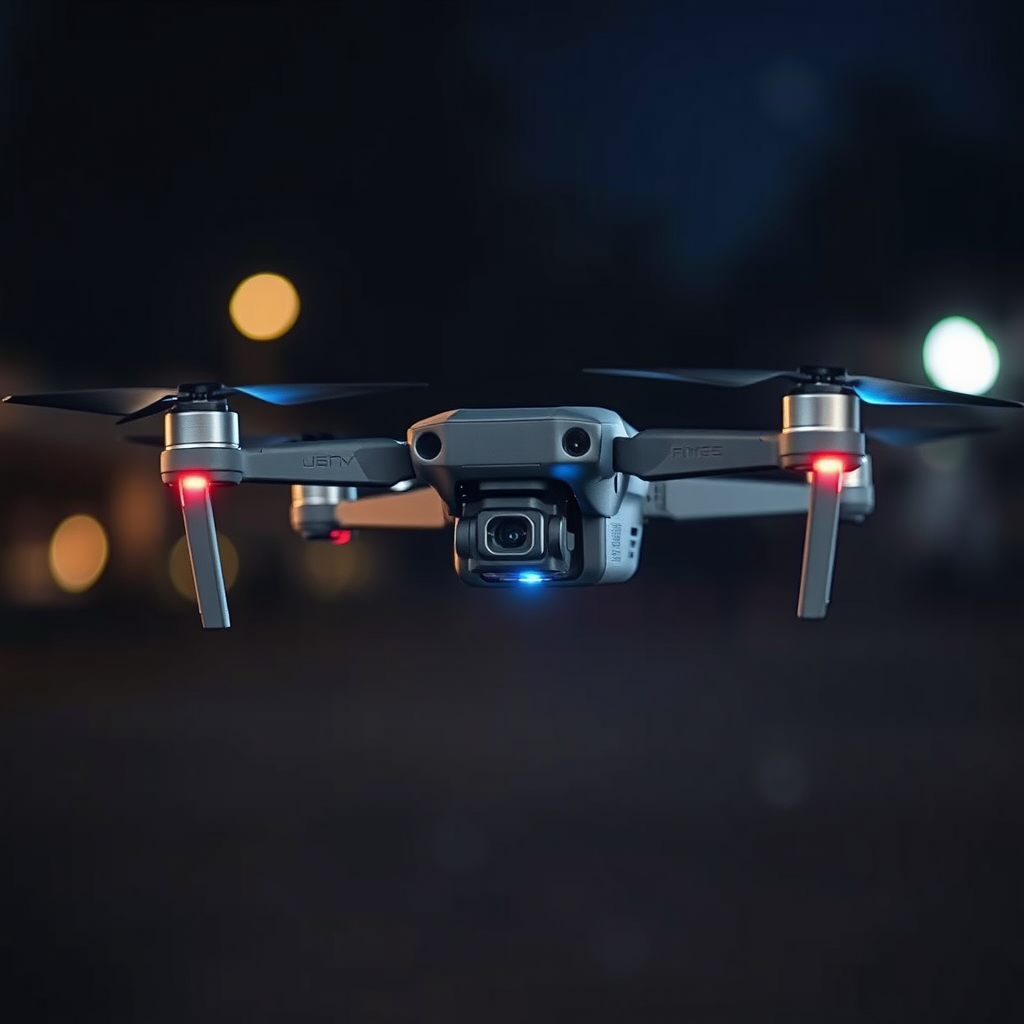
When preparing for nighttime drone flights, having the right equipment is vital for ensuring safety and compliance. The foremost requirement is the installation of anti-collision lights. These lights must be capable of being seen from a distance of at least three statute miles, allowing other pilots and observers to easily identify the drone’s position and movement.
In addition to anti-collision lights, pilots may need to consider additional lighting options to enhance visibility. For instance, LED spotlights can be attached to the drone to illuminate the flight path and surroundings. These lights not only help in maintaining visual line of sight, which is mandatory for drone operation, but they also provide better navigation assistance in unfamiliar areas. Additionally, pilots should ensure that their drone’s standard lights are functioning correctly before each flight, as any malfunction could pose a significant risk while flying at night.
Safety Considerations
Flying a drone at night presents unique safety challenges that must be carefully considered. The most prominent risk associated with nighttime operations is reduced visibility, which can lead to accidents and loss of control. To mitigate these risks, pilots should conduct thorough pre-flight planning. This includes reviewing the flight area for potential hazards, such as obstacles or restricted airspace, and ensuring that the drone is in optimal working condition.
Before taking off, performing a pre-flight check is essential. Pilots should inspect the drone’s battery life, lighting systems, and overall functionality. Additionally, it is advisable to fly in familiar areas where the pilot has previously operated during daylight. This familiarity can help with orientation and navigation when visibility is limited. It is also critical for pilots to stay within their limits; flying at night can be more challenging than during the day, so assessing one’s skill level is crucial for safe operations.
Local Laws and Restrictions
In addition to FAA regulations, local laws and ordinances may impose additional restrictions on nighttime drone flying. It is vital for pilots to familiarize themselves with these local regulations, as non-compliance can result in fines or other legal consequences. For instance, some cities or municipalities may have specific curfews or prohibitions on drone flying after dark, particularly in densely populated areas.
Moreover, areas near airports or military installations often have strict airspace regulations that can restrict night flying. Pilots should consult the FAA’s B4UFLY app or similar resources to check for airspace restrictions and local regulations before planning a night flight. Being informed about these laws not only ensures compliance but also promotes safer flying practices.
Tips for Successful Night Flights
To enhance the flying experience and ensure safety during nighttime operations, pilots can adopt several practical tips. First, it is beneficial to familiarize oneself with the drone’s capabilities in low-light conditions. Pilots might consider practicing during dusk, when there is still some natural light, to build confidence before making the leap to complete night flying.
Using visual references and landmarks is another effective strategy. Pilots should identify key features in the environment that can aid in navigation and orientation. These might include tall trees, buildings, or even illuminated structures. Such landmarks can help prevent disorientation and assist in maintaining the drone’s intended flight path.
Additionally, utilizing a buddy system can enhance safety during night flights. Having another person present can provide an extra set of eyes to monitor the drone and assist with navigation. This support can be invaluable, particularly for novice pilots who may feel less confident operating in the dark.
Community and Resources
Engaging with the drone community can significantly enhance a pilot’s knowledge and skills, particularly regarding night flying. Local drone clubs or online forums offer platforms for sharing experiences, tips, and insights from fellow pilots. These communities can be a valuable resource for learning best practices and staying updated on any changes to regulations.
Moreover, there are numerous online resources and mobile applications designed to assist drone pilots. Tools such as the FAA’s B4UFLY app provide real-time information about airspace restrictions, weather conditions, and even updates on local laws. By leveraging these resources, pilots can ensure that they are well-prepared for safe night flights.
In conclusion, while recreational drone pilots can fly at night, they must comply with FAA regulations, ensure their equipment is suitable, and prioritize safety. Understanding the necessary regulations, investing in the right equipment, and being aware of local laws are all crucial for successful nighttime operations. By following best practices and engaging with the drone community, pilots can enjoy the unique experience of night flying while maintaining safety and compliance. If you’re considering night flights, be sure to stay informed and prepared to navigate the challenges of flying in low-light conditions.
Frequently Asked Questions
Can a recreational drone pilot legally fly at night?
Yes, a recreational drone pilot can legally fly at night, but they must adhere to specific regulations set by the Federal Aviation Administration (FAA). These regulations include having anti-collision lighting on the drone to help maintain visibility and ensure safety. Additionally, it’s essential for pilots to maintain visual line of sight and follow any local laws or restrictions regarding nighttime flying.
What equipment do I need to fly my drone at night?
To fly your drone at night, you need to equip it with proper lighting, specifically anti-collision lights that are visible for at least three statute miles. These lights must be in operation during the flight to enhance visibility and safety. Additionally, having a drone with a capable camera can help in navigating and capturing footage in low-light conditions.
Why is flying a drone at night considered risky?
Flying a drone at night is considered risky primarily due to reduced visibility, which can impact a pilot’s ability to see both the drone and surrounding obstacles. Night flying also increases the likelihood of losing visual line of sight, which is a critical requirement for safe operation. Furthermore, the lack of ambient light can make it difficult to navigate and control the drone, leading to potential crashes or accidents.
How can I prepare for flying my drone at night safely?
To prepare for flying your drone safely at night, start by planning your flight path in advance and familiarizing yourself with the area. Ensure your drone is equipped with necessary night flying accessories, such as bright LED lights and a fully charged battery. It’s also beneficial to practice flying in low-light conditions during the day so you can gauge how your drone behaves in the dark and refine your skills.
What are the best practices for recreational drone pilots flying at night?
Best practices for recreational drone pilots flying at night include conducting thorough pre-flight checks to ensure your drone is in good condition and all lights are functioning. Always inform others in the area of your flight to avoid potential collisions and maintain a safe distance from people and property. Additionally, using a spotter can help you maintain visual line of sight and navigate safely while flying in low-light conditions.
References
- https://www.faa.gov/uas/getting_started/flyers/
- https://www.faa.gov/uas/getting_started/part_107/
- https://www.faa.gov/uas/media/Part_107_Summary.pdf
- https://www.npr.org/2020/08/31/908210102/faa-issues-new-rules-for-drone-operators
- https://www.nerdalert.com/2021/06/14/what-you-need-to-know-about-flying-drones-at-night/
- https://www.technologystudent.com/elec1/drone.htm
- https://www.wikihow.com/Fly-a-Drone-at-Night
- https://www.theguardian.com/us-news/2021/sep/07/drone-night-flying-regulations
- https://www.wired.com/story/what-you-need-to-know-about-night-drone-flying/
