
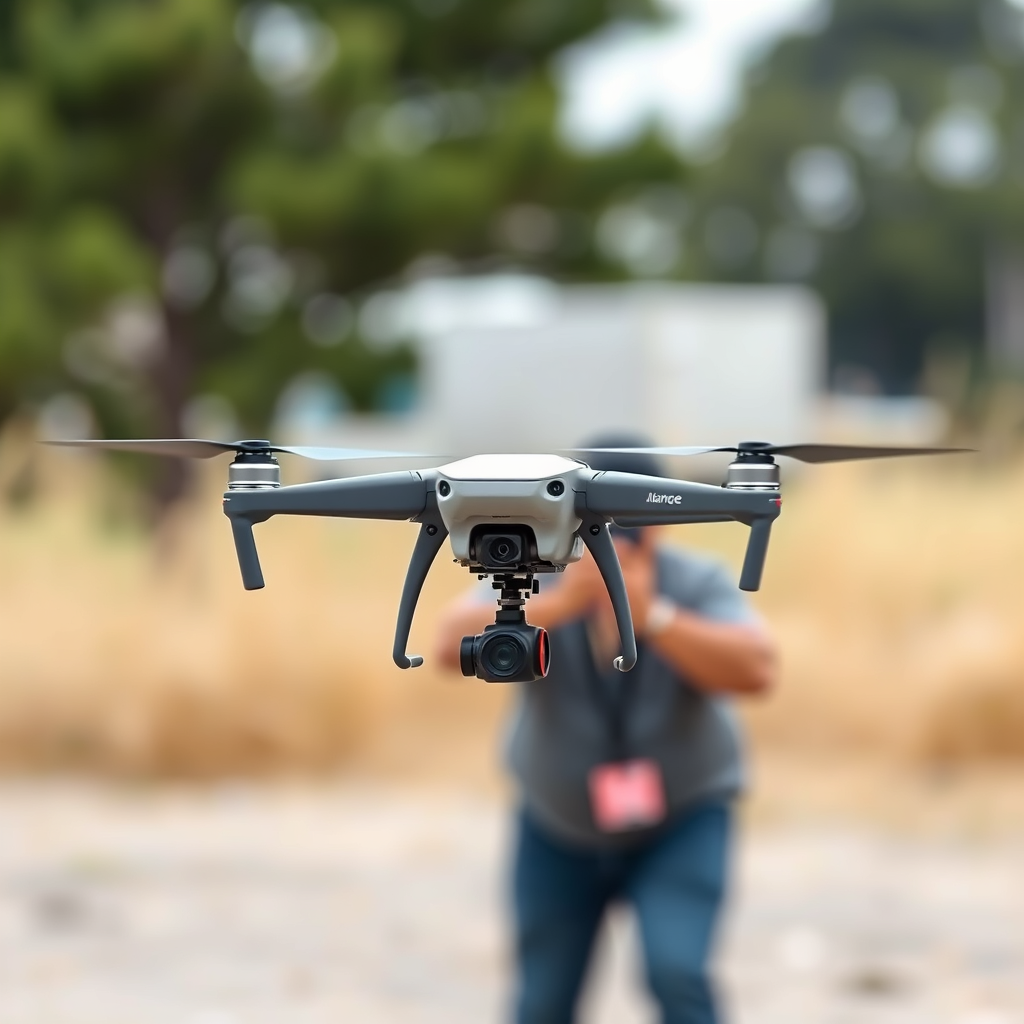
Yes, a shotgun can shoot down a drone, but it may not be the most effective method. Factors such as range, accuracy, and drone design play significant roles in the likelihood of success. While a shotgun’s spread can increase the chance of hitting a fast-moving target, the practical challenges and legal implications associated with using firearms against drones often overshadow this method’s potential effectiveness. This article explores the intricacies of using a shotgun against drones, examines the legal landscape, and highlights safer, more efficient alternatives.
Understanding Drone Vulnerabilities
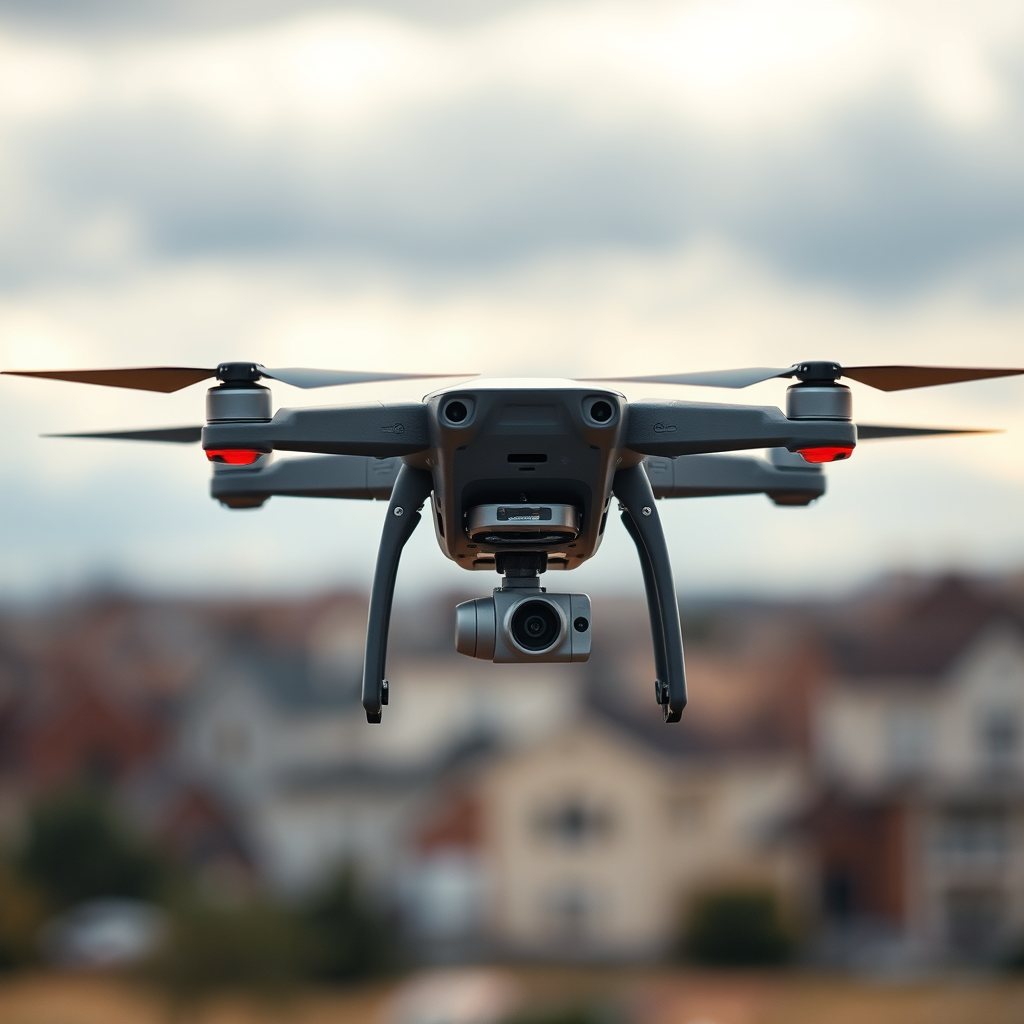
Drones are typically constructed from lightweight materials like plastic, carbon fiber, and aluminum, which makes them particularly vulnerable to projectiles. These materials, designed to minimize weight for better flight performance and battery efficiency, do not provide significant protection against high-velocity impacts. Most consumer drones, which dominate the market, are equipped with minimal armor, and thus, they can be damaged or incapacitated by gunfire. For instance, a direct hit to the propellers or battery can lead to a crash, effectively neutralizing the drone.
However, it is important to note that the effectiveness of shooting down a drone also depends on its design. Some advanced drones incorporate features such as reinforced frames or protective cages, which can enhance their resistance to physical impacts. Additionally, many consumer drones utilize sophisticated flight stabilization systems, allowing them to maneuver quickly and evade potential threats. Understanding these vulnerabilities is crucial for assessing whether a shotgun is a viable option for drone neutralization.
Shotgun Mechanics and Effectiveness
Shotguns are unique firearms that discharge multiple pellets simultaneously, increasing the likelihood of hitting a moving target. This characteristic can be advantageous when attempting to shoot down a drone, particularly at close ranges where accuracy is less critical. However, the effective range of a shotgun typically falls between 25 to 50 yards, depending on the gauge and type of ammunition used. This limitation poses a significant challenge, as many drones can operate at altitudes and distances that exceed this range.
Moreover, the accuracy of a shotgun diminishes with distance, especially when targeting a small, fast-moving object like a drone. The spread of the pellets can create a wider hit area, but it also means that at longer ranges, the chance of hitting the drone decreases significantly. For example, a shotgun fired at a drone 100 yards away may only scatter its pellets over a wide area, making a direct hit unlikely. Therefore, while a shotgun may theoretically be able to shoot down a drone, practical effectiveness is heavily influenced by range, aiming conditions, and the drone’s speed and maneuverability.
Legal Considerations for Shooting Drones
Shooting down a drone raises numerous legal considerations that must be taken into account. In many jurisdictions, discharging a firearm in a populated area is heavily regulated or outright illegal, and such actions may violate local laws or regulations regarding airspace usage. The Federal Aviation Administration (FAA) in the United States prohibits the use of firearms to take down drones, classifying it as a hazardous act that poses risks to public safety and air traffic.
Additionally, property rights come into play, as drones may be flying over private property. Taking down a drone without proper justification could result in legal repercussions, including criminal charges or civil lawsuits from the drone’s owner. It is essential for individuals considering this action to thoroughly understand not only local laws but also the broader implications of their actions in terms of safety and legality.
Risks of Using a Shotgun on Drones
Using a shotgun to disable a drone can pose significant safety risks both to the shooter and to bystanders. The unpredictability of shotgun pellets can lead to stray shots, which may inadvertently cause injury or damage to nearby people, vehicles, or structures. For instance, a shotgun blast may ricochet off a hard surface or travel further than intended, leading to unintended consequences.
Moreover, the noise generated by firing a shotgun can attract unwanted attention and escalate a situation, particularly if other individuals are present. Firearms usage can also lead to psychological stress, both for the shooter and witnesses, and could provoke a response from local law enforcement. Therefore, the risks associated with firing a shotgun at a drone cannot be understated; they often outweigh any potential benefits derived from such an action.
Alternative Methods to Disable Drones
Given the complexities and risks associated with using firearms against drones, alternative methods for neutralizing these airborne devices should be considered. One effective non-lethal approach is the use of drone jammers, which can disrupt the control signals between a drone and its operator. This technology can temporarily disable a drone, causing it to return to its launch point or land safely without causing damage to the drone or surrounding property.
Another viable option is using net guns, which are designed to ensnare drones without harming them or the environment. These devices can effectively capture a drone mid-flight, allowing for recovery and investigation without the risks associated with gunfire. Additionally, employing trained drone operators or security personnel equipped with these technologies can provide a safer and more controlled means of addressing unwanted drones.
Case Studies and Real-Life Incidents
There have been several instances where firearms have been used against drones, with mixed outcomes. For example, in 2015, a New Jersey man was charged after he shot down a drone that was flying over his property. While he claimed it was an invasion of privacy, the legal repercussions highlighted the complexities surrounding such actions. Similarly, law enforcement agencies have had to navigate the challenges of drone neutralization, often opting for non-lethal methods to avoid legal entanglements and public safety risks.
The military has also explored various methods for drone neutralization, including electronic warfare tactics and specialized counter-drone systems. These case studies illustrate that while firearms may technically be used against drones, the outcomes can often lead to legal issues or safety concerns, prompting a shift towards more sophisticated and lawful approaches.
In summary, the evolving landscape of drone technology necessitates a reevaluation of how we approach drone neutralization.
Conclusion
While a shotgun can potentially take down a drone, the risks and legal implications may outweigh the benefits. The effectiveness of this method is hampered by range limitations and safety concerns, making it a less than ideal choice. Safer and more effective alternatives, such as drone jammers and net guns, present a more responsible approach to managing drones. It is paramount that individuals prioritize safety and legality when considering options for dealing with airborne devices, ensuring that actions taken do not lead to unintended consequences or legal repercussions.
Frequently Asked Questions
Can a shotgun effectively shoot down a drone?
Yes, a shotgun can potentially shoot down a drone, particularly if the drone is flying at lower altitudes. However, the effectiveness largely depends on factors such as the type of shotgun, the ammunition used, and the skill of the shooter. Shotguns fire multiple pellets, increasing the chance of hitting a small target like a drone, but the range and accuracy drop significantly at distances over 50 yards.
What type of shotgun ammunition is best for shooting down a drone?
The best shotgun ammunition for targeting drones would typically be birdshot or buckshot. Birdshot has a wide spread that can increase the likelihood of hitting a moving drone, while buckshot provides a bigger punch and might be more effective at closer ranges. However, the choice of ammunition should also consider local laws and safety regulations regarding discharging firearms in populated areas.
Why is it legal to use a shotgun against a drone in some areas?
The legality of using a shotgun against a drone varies by jurisdiction and is often influenced by laws regarding property rights and self-defense. In certain areas, if a drone is perceived as a threat to personal safety or privacy, individuals may have the right to protect themselves or their property. However, it is crucial to check local laws and regulations, as discharging a firearm can lead to serious legal consequences.
How can I safely and legally deal with a drone that is invading my privacy?
If you feel that a drone is invading your privacy, the best course of action is to document the situation and contact local law enforcement or relevant authorities. Many regions have laws against drone harassment and invasion of privacy. Engaging with the drone using firearms can be dangerous and illegal, so it’s essential to explore non-violent resolutions first.
Which alternatives exist to shotguns for disabling drones?
Alternatives to shotguns for disabling drones include drone jammers, net guns, and even specialized anti-drone systems that utilize directed energy or electronic countermeasures. These technologies are designed to safely disrupt or capture drones without the risks associated with firearms. However, it’s important to note that the use of jammers is illegal in many areas, so it’s crucial to research and comply with local regulations before considering these options.
References
- https://en.wikipedia.org/wiki/Drone#Countermeasures
- https://www.bbc.com/news/technology-43927564
- https://www.theguardian.com/us-news/2019/jun/25/drones-shooting-down-aircraft-us-military
- https://www.reuters.com/article/us-usa-drone-military-idUSKBN1ZF1A6
- https://www.nytimes.com/2018/11/27/us/drone-shoot-down.html
- https://www.npr.org/2019/12/30/952749434/small-drones-are-being-shot-down-in-ukraine-and-the-u-s
- https://www.jstor.org/stable/10.5325/jcivildisputes.1.1.0001
- https://www.armytimes.com/news/your-army/2019/06/06/army-drone-killers-how-the-us-is-becoming-more-aggressive-against-drones/
- https://www.sciencedirect.com/science/article/pii/S2352864817301468
