
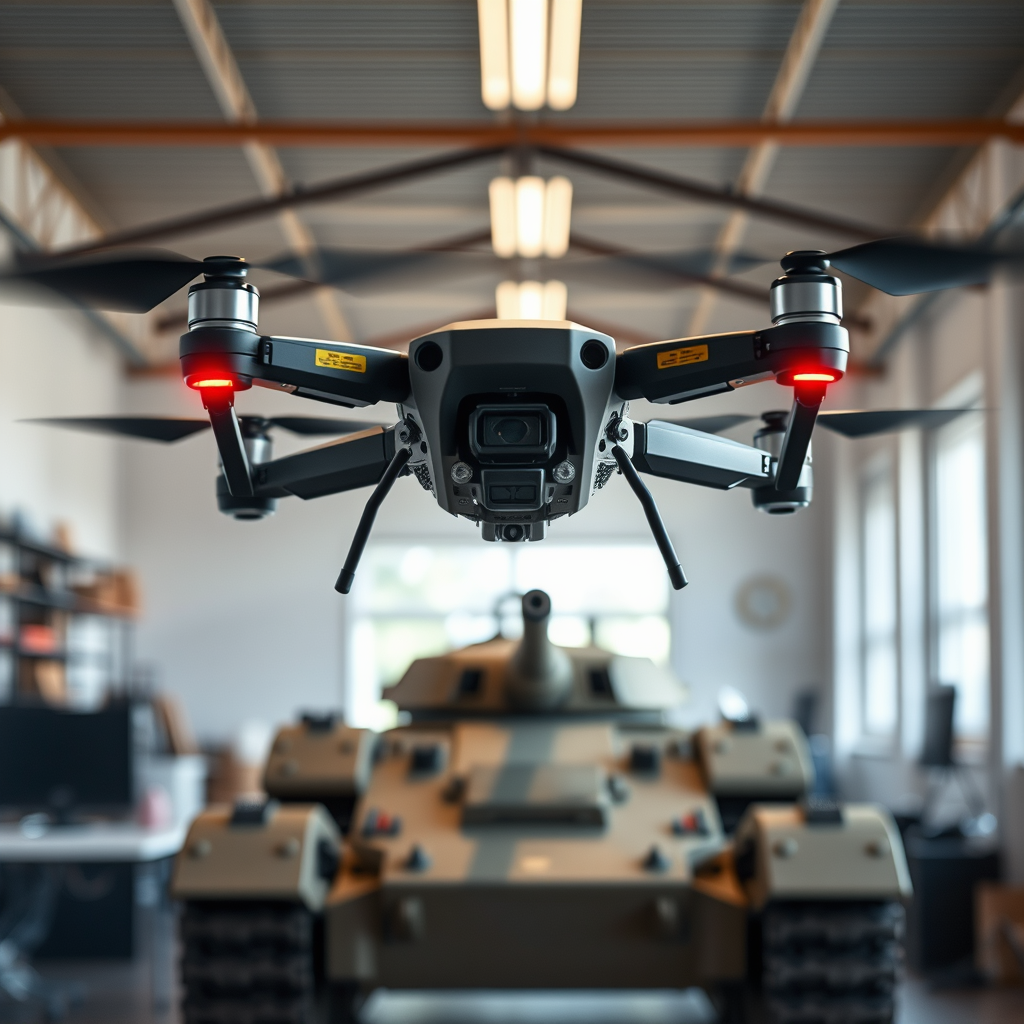
Yes, a switchblade drone can potentially take out a tank, depending on various factors such as its explosive payload, flight capabilities, and the tank’s defensive systems. Switchblade drones represent a new era in warfare technology, designed for precision strikes with the ability to engage armored vehicles effectively. This article explores the mechanics behind switchblade drones, their effectiveness against armored vehicles, and the implications of this technology in modern warfare.
Understanding Switchblade Drones
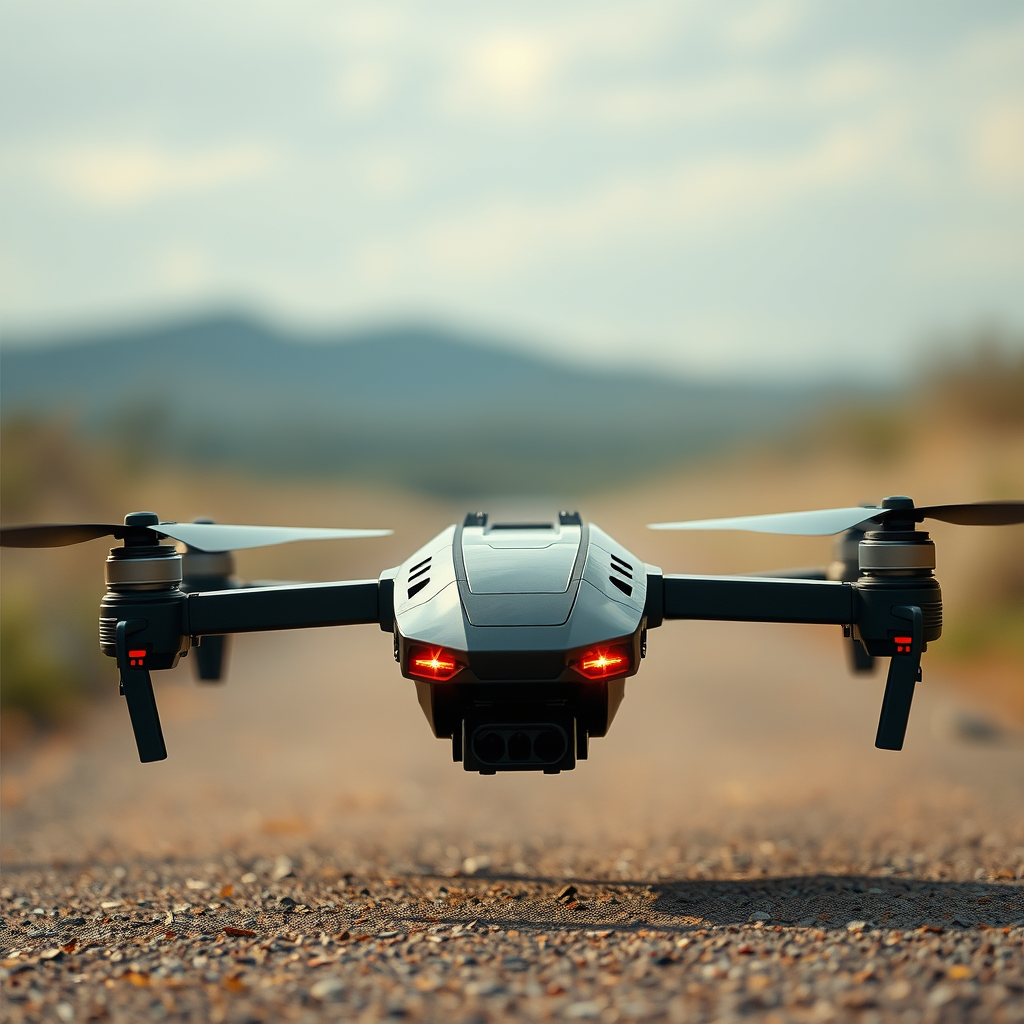
Switchblade drones, often referred to as loitering munitions, are a class of unmanned aerial vehicles (UAVs) designed to provide both surveillance and precision strike capabilities. Unlike traditional drones that are primarily used for reconnaissance or delivering payloads from a distance, switchblade drones can autonomously fly into a target area and detonate on impact. This functionality allows them to engage targets with high precision, reducing collateral damage and increasing mission effectiveness. Key features that differentiate switchblade drones from traditional drones include their compact design, rapid deployment capabilities, and unique operational profiles that allow them to loiter over a battlefield until a target is identified. The Switchblade 300 and Switchblade 600 are notable examples, with the former being suited for lighter targets and the latter designed for heavier engagements, including armored vehicles.
Tank Vulnerabilities
Armored tanks are engineered for battlefield resilience, featuring layered armor and advanced defensive systems. However, they are not invulnerable. Common weak points in tank armor include the top and rear sections, which are typically less fortified than the frontal armor. Additionally, many modern tanks have vulnerable components such as ammunition storage and fuel tanks that, if struck, could result in catastrophic failure. Factors affecting a tank’s resilience against aerial attacks include its speed, maneuverability, and the effectiveness of its onboard active protection systems. While tanks are designed to withstand traditional anti-tank projectiles, the dynamic nature of aerial threats such as switchblade drones necessitates a reevaluation of their defensive capabilities.
Payload Capabilities of Switchblade Drones
Switchblade drones can carry a variety of explosive payloads, typically ranging from 10 to 50 pounds, depending on the model. The Switchblade 300 is equipped with a high-explosive warhead, while the Switchblade 600 can carry a more substantial payload suitable for engaging fortified targets, including tanks. In comparison to traditional anti-tank weapons, which often rely on larger missiles or guided bombs, switchblade drones offer a unique advantage: their ability to be deployed in areas where conventional munitions might not be feasible due to the risk of collateral damage. This versatility makes switchblade drones an appealing option for modern military operations where precision and speed are paramount.
Operational Tactics for Engaging Tanks
Deploying switchblade drones in the field requires careful planning and tactical awareness. These drones can be launched from ground-based platforms or even from small vehicles, allowing for flexibility in engagement strategies. Effective targeting of tanks involves utilizing intelligence, surveillance, and reconnaissance (ISR) to identify armored vehicles and assess their vulnerabilities. Tactical considerations may involve coordinating with infantry units for optimal timing and positioning. Engaging tanks with switchblade drones often necessitates exploiting moments of vulnerability, such as when a tank is stationary or in a less-defended position. The ability to loiter and wait for the perfect moment to strike is a defining characteristic of switchblade drone operations.
Countermeasures and Defense Systems
Modern tanks are equipped with an array of technologies designed to counter aerial threats, including radar systems, electronic warfare capabilities, and active protection systems (APS) such as Trophy or Iron Fist, which can intercept incoming projectiles. These countermeasures can be effective; however, their success against switchblade drones can vary based on several factors, including the speed and altitude of the drone’s approach. Additionally, switchblade drones can be programmed to execute evasive maneuvers to avoid detection and interception, increasing their chances of successfully engaging a target. Nonetheless, the ongoing arms race between offensive drone technology and defensive systems continues to evolve, shaping the future of armored warfare.
Real-World Examples and Case Studies
There have been instances in recent conflicts where drones have successfully engaged armored vehicles, demonstrating their tactical effectiveness. For example, during the Nagorno-Karabakh conflict, Azerbaijani forces utilized drone strikes to target Armenian tanks, showcasing the effectiveness of drone technology in modern warfare. In that context, drones not only provided real-time intelligence but also delivered precision strikes that significantly disrupted armored formations. The lessons learned from these operations highlight the need for adapting military strategies to integrate drone capabilities effectively, emphasizing the importance of a multi-domain approach to combat.
Future of Drone Technology in Warfare
As drone technology continues to advance, emerging trends indicate a growing emphasis on their anti-tank capabilities. Innovations in artificial intelligence and machine learning are poised to enhance the precision of drone strikes, while advances in materials and propulsion systems may lead to more robust and versatile platforms. The implications for military strategy and defense planning are profound; forces must adapt to the integration of drones into conventional warfare paradigms, not only as offensive tools but also as critical components of reconnaissance and intelligence-gathering operations. The future battlefield may very well hinge on the effective use of drone technology, reshaping the landscape of military engagements.
In conclusion, while a switchblade drone has the potential to take out a tank, its success largely depends on the specific circumstances and technologies involved. Factors such as the drone’s explosive payload, the vulnerabilities of the tank, and the effectiveness of countermeasures all play crucial roles in determining the outcome of such engagements. As drone warfare continues to evolve, understanding these dynamics becomes crucial for military forces worldwide, highlighting the need for continuous adaptation and innovation in modern military strategies.
Frequently Asked Questions
Can a switchblade drone effectively destroy a tank?
Yes, a switchblade drone can potentially destroy a tank, particularly if equipped with the appropriate payload. These drones are designed for precision strikes and can carry explosive warheads that, when accurately targeted, can penetrate the armor of a tank. However, the effectiveness also depends on various factors like the type of tank, its armor thickness, and the drone’s flight altitude during the attack.
How does a switchblade drone compare to traditional anti-tank weapons?
Switchblade drones offer several advantages over traditional anti-tank weapons, including enhanced mobility and real-time targeting capabilities. Unlike stationary missile systems, switchblade drones can be deployed rapidly and adjusted mid-flight to hit moving targets. Their ability to provide intelligence and reconnaissance before an attack also gives them an edge in modern warfare, making them a valuable addition to ground forces.
Why are switchblade drones gaining popularity in military operations?
Switchblade drones are gaining popularity due to their versatility, cost-effectiveness, and capability to conduct precision strikes with minimal collateral damage. They can be launched from various platforms and operated by a single soldier, making them accessible for rapid deployment in dynamic combat scenarios. Their ability to provide surveillance and strike capabilities in one platform makes them particularly appealing in the changing landscape of modern warfare.
What are the limitations of using switchblade drones against armored vehicles like tanks?
While switchblade drones are effective, they have limitations when targeting heavily armored vehicles like tanks. The success of the strike depends on factors such as the drone’s payload capacity and the tank’s armor resilience. Additionally, environmental conditions, such as weather and terrain, can affect the drone’s flight and targeting accuracy. Security measures, like active protection systems on tanks, can also mitigate the threat posed by these drones.
Which countries are currently using switchblade drones for military purposes?
Several countries, including the United States, Israel, and Turkey, are actively using switchblade drones for military operations. The U.S. has integrated these drones into various branches of its armed forces, particularly for special operations and reconnaissance missions. Other nations are exploring similar drone technology to enhance their military capabilities, demonstrating a growing trend in the adoption of unmanned aerial vehicles in modern combat scenarios.
References
- https://en.wikipedia.org/wiki/Drone_warfare
- https://www.bbc.com/news/world-us-canada-63208164
- https://www.reuters.com/world/us/us-army-tests-switchblade-drones-battlefield-2022-01-25/
- https://www.defense.gov/Explore/News/Article/Article/2870970/us-army-to-acquire-newer-switchblade-600-drone/
- https://www.sciencedirect.com/science/article/pii/S2352864821000069
- https://www.theguardian.com/us-news/2022/jun/29/us-drone-strikes-ukraine-switchblade-tank
- https://www.nytimes.com/2022/05/18/us/politics/us-ukraine-drones.html
- https://www.wired.com/story/switchblade-drone-ukraine/
