
Air traffic control (ATC) can detect drones in certain circumstances, but it largely depends on the technology used and the specific regulations in place. As drone usage increases, understanding how ATC interacts with these unmanned aerial vehicles (UAVs) becomes crucial for safety and regulation. The integration of drones into the national airspace system is a complex challenge that necessitates advancements in detection technology and a thorough understanding of governing rules.
Understanding Air Traffic Control Systems
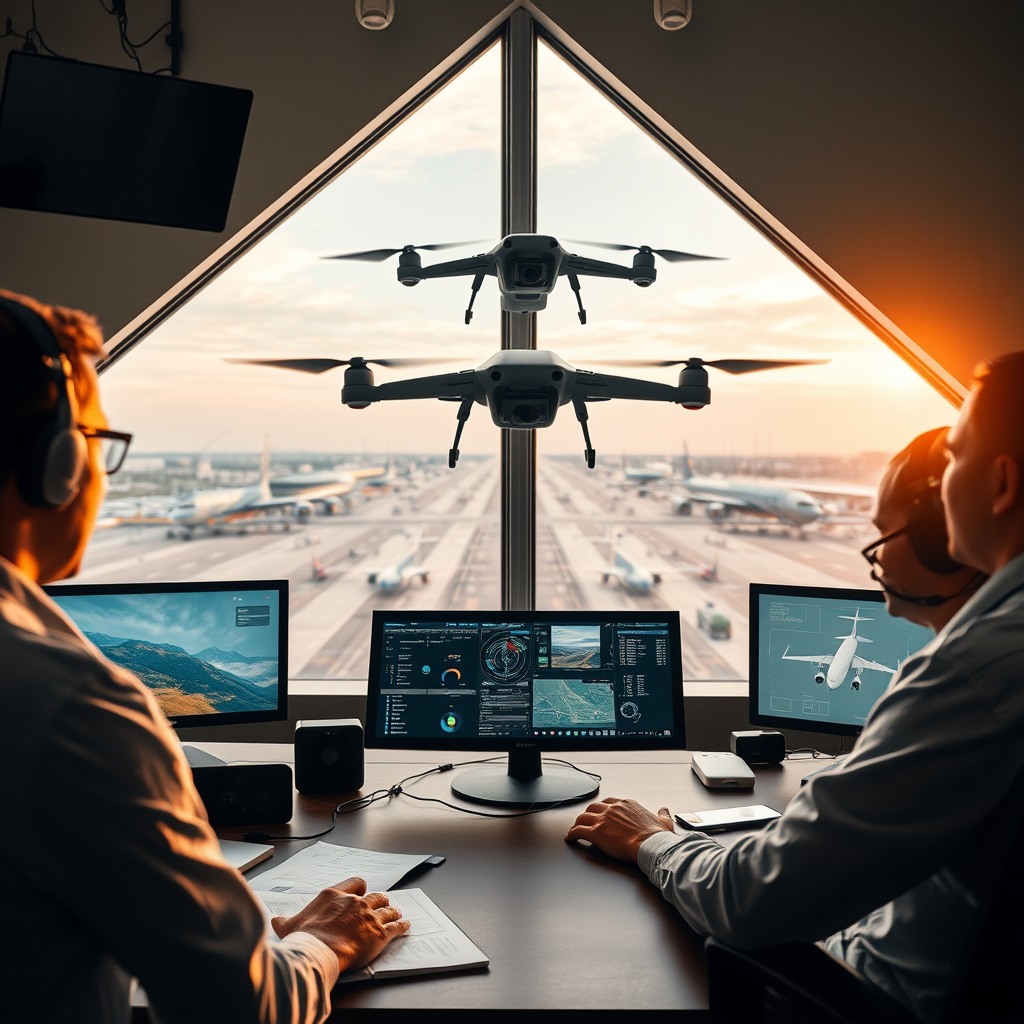
Air traffic control systems are designed to ensure the safe and efficient movement of aircraft within controlled airspace. ATC primarily relies on radar and communication systems to monitor air traffic, guiding pilots and managing flight paths to prevent collisions. Traditional radar systems are adept at tracking larger commercial and private aircraft; however, drones often operate at lower altitudes and may not always be detected by conventional radar methods. This limitation is particularly pronounced as many drones can fly below the radar coverage, leading to potential safety risks in areas where both manned and unmanned flights coalesce.
Furthermore, ATC’s ability to monitor airspace effectively is contingent upon accurate communication with pilots. Drones, especially consumer-grade models, frequently operate autonomously and may not communicate their presence or intentions to ATC, further complicating the situation. As the number of drones in the airspace continues to grow, understanding the nuances of ATC systems becomes essential for safe drone operations.
Drone Detection Technologies
The advancement of drone detection technologies is a pivotal factor in enhancing the visibility of UAVs in controlled airspace. Some technologies, like Automatic Dependent Surveillance–Broadcast (ADS-B), allow for drone tracking by enabling the UAV to broadcast its position, velocity, and other relevant information. However, many consumer drones do not come equipped with transponders, meaning they cannot be detected through ADS-B.
To address these challenges, specialized radar systems designed specifically for drones are being developed. These systems can detect smaller objects at lower altitudes more effectively than traditional radar systems. For example, the use of multi-sensor systems that combine radar, visual, and acoustic detection technologies is gaining traction. These systems can provide ATC with more comprehensive data on drone activity, facilitating better integration with existing air traffic.
Innovations such as drone detection systems that utilize machine learning algorithms to differentiate between drones and other aerial objects are also on the rise. These advancements promise to improve the accuracy and reliability of drone detection, thereby enhancing overall airspace safety.
Regulations Governing Drone Operations
The Federal Aviation Administration (FAA) has established a comprehensive regulatory framework to govern drone operations in the United States. These rules dictate how drones can be flown, where they can operate, and what safety measures must be in place. For instance, all drones over a certain weight must be registered with the FAA, which helps improve tracking and accountability.
Moreover, the FAA has implemented specific requirements, such as the Remote Pilot Certificate, which mandates that drone operators undergo training and demonstrate their knowledge of airspace rules. This regulatory oversight is crucial for ensuring that drone operators understand their responsibilities and how their operations can impact air traffic.
Additionally, the FAA is continuously working to adapt its regulations to accommodate emerging technologies and the evolving landscape of drone usage. Current initiatives include the integration of drones into the U.S. airspace through the Unmanned Aircraft System (UAS) Integration Pilot Program, which aims to explore new operational concepts and develop procedures that enhance safety while promoting innovation.
Challenges in Detecting Drones
Despite advancements in detection technologies, several challenges remain in reliably spotting drones within controlled airspace. One of the primary issues is that many drones are small and can operate at low altitudes, making them difficult to identify with conventional radar systems. This poses a significant risk, especially near airports and populated areas where the presence of UAVs may interfere with manned aircraft operations.
Furthermore, the lack of transponders on many consumer drones complicates detection efforts. Unlike larger aircraft that are required to have transponders to communicate their positions, many hobbyist drones do not have this capability, rendering them invisible to traditional ATC systems. This gap in detection can lead to dangerous situations where drones unintentionally enter restricted airspace or come into close proximity to commercial flights.
Another major challenge is the rapid proliferation of drone technology, which often outpaces regulatory and technological responses. As drones become more accessible and capable, the potential for unauthorized flights or safety incidents increases, necessitating ongoing efforts to enhance detection mechanisms and regulatory frameworks.
The Future of Drone Detection in Airspace
The future of drone detection in airspace is poised for significant evolution, driven by innovations in both drone technology and air traffic management practices. As the drone industry continues to grow, so does the need for sophisticated solutions that can ensure the safe integration of UAVs into the existing airspace system. Collaborative efforts between drone manufacturers, operators, and ATC agencies will be essential in realizing this goal.
One promising development is the potential for remote identification systems that allow for real-time tracking of drones. These systems would enable ATC to monitor drone movements more effectively, fostering a safer environment for all aircraft. The FAA has been exploring remote ID rules that would require drones to broadcast their identification and location information, increasing accountability and visibility.
Moreover, advancements in artificial intelligence and machine learning hold the promise of revolutionizing drone detection. By utilizing algorithms that can analyze vast amounts of data from multiple sources, ATC could gain enhanced situational awareness and improve decision-making processes in real-time. This proactive approach to airspace management could mitigate risks and bolster safety for both manned and unmanned aviation.
Case Studies and Real-World Examples
Real-world examples highlight the importance of ATC awareness when it comes to drone incursions. For instance, there have been multiple incidents of drones flying near airports, leading to temporary groundings of flights and heightened security measures. In 2018, Gatwick Airport in London experienced significant disruptions due to drone sightings, affecting thousands of passengers and resulting in economic losses. Such incidents underscore the critical need for effective drone detection and response mechanisms within ATC systems.
Conversely, successful integration of drones into controlled airspace has also been observed in various pilot programs. For example, the FAA’s UAS Integration Pilot Program has seen collaborations between local governments, private companies, and ATC to explore safe drone delivery operations and other applications. These initiatives demonstrate the potential for drones to coexist alongside traditional aircraft when proper frameworks and technologies are in place.
Recommendations for Drone Operators
For drone operators, understanding airspace regulations and maintaining open lines of communication with ATC is paramount. Operators should familiarize themselves with the specific rules governing their flight operations, including altitude restrictions, no-fly zones, and registration requirements. Proactively communicating with ATC can help ensure that drone activities do not conflict with manned aircraft operations, thereby enhancing overall safety.
Additionally, utilizing technology to enhance compliance and safety is crucial. Operators should consider investing in drones equipped with transponders or remote identification capabilities to facilitate detection and tracking. Moreover, employing software solutions that provide geofencing features can help prevent drones from inadvertently entering restricted airspace.
Staying informed about regulatory changes and advancements in drone detection technology is equally important. As the landscape evolves, operators must adapt their practices to align with new guidelines and leverage improvements that enhance safety and operational efficiency.
In summary, while air traffic control can see drones under certain conditions, challenges remain in reliably tracking them. As drone technology and regulations evolve, ongoing cooperation and innovation will be key to ensuring safe coexistence in shared airspace. The partnership between ATC, drone operators, and regulatory bodies will ultimately shape the future of UAV integration, fostering a safer and more efficient airspace for all users.
Frequently Asked Questions
Can air traffic control see drones flying in controlled airspace?
Yes, air traffic control (ATC) can see drones operating in controlled airspace, but this visibility largely depends on the drone’s compliance with regulations. Drones that are equipped with transponders, such as those used for commercial purposes, can be tracked by ATC systems. However, many recreational drones do not have this capability, which can make it challenging for air traffic controllers to monitor their movements effectively.
How do air traffic controllers detect unauthorized drones?
Air traffic controllers primarily use radar systems to monitor aircraft in their airspace, but traditional radar may not always detect small drones due to their size. To track unauthorized drones, ATC may rely on advanced technologies like drone detection systems that use radio frequency sensors or visual observation. Additionally, pilot reports of drone sightings can also alert air traffic controllers to the presence of unauthorized drones.
Why is it important for air traffic control to monitor drones?
Monitoring drones is crucial for air traffic control to ensure the safety and security of manned aircraft operating in the same airspace. Drones can pose significant risks, including potential collisions with commercial flights and interference with airport operations. By keeping track of drone activities, ATC can mitigate these risks and maintain a safe flying environment for all aircraft.
What regulations govern drone visibility to air traffic control?
In the United States, the Federal Aviation Administration (FAA) regulates drone operations under Part 107, which requires certain commercial drones to have Remote ID capabilities. This technology allows air traffic control and other authorities to identify and track drones in real-time. Regulations may vary in other countries, but many are moving toward similar requirements to enhance airspace safety by ensuring drones are visible to ATC.
Which types of drones are most likely to be detected by air traffic control?
Drones that are equipped with transponders or Remote ID technology are the most likely to be detected by air traffic control systems. Commercial drones used for delivery, surveying, or inspection often have these features to comply with regulations. In contrast, many small recreational drones, which typically lack advanced tracking capabilities, are not easily detectable by ATC, increasing the risk of potential airspace violations.
References
- https://en.wikipedia.org/wiki/Drone#Air_traffic_control
- https://www.faa.gov/newsroom/faa-issues-new-rules-drones
- https://www.nytimes.com/2021/04/27/us/drones-air-traffic-control.html
- https://www.reuters.com/technology/faa-issues-new-rules-drones-2021-04-27/
- https://www.cnn.com/2021/04/27/politics/faa-drone-rules/index.html
- https://www.sciencedirect.com/science/article/pii/S0968090X20304828
- https://www.faa.gov/uas/
- https://www.aa.com.tr/en/science-technology/faa-drone-rules-aim-to-address-air-traffic-control-concerns/2230917
- https://www.nap.edu/catalog/25445/assessing-the-impacts-of-uncertainty-in-drones-on-air-traffic-control
- https://www.aopa.org/news-and-media/all-news/2021/april/27/faa-releases-new-drone-regulations
