
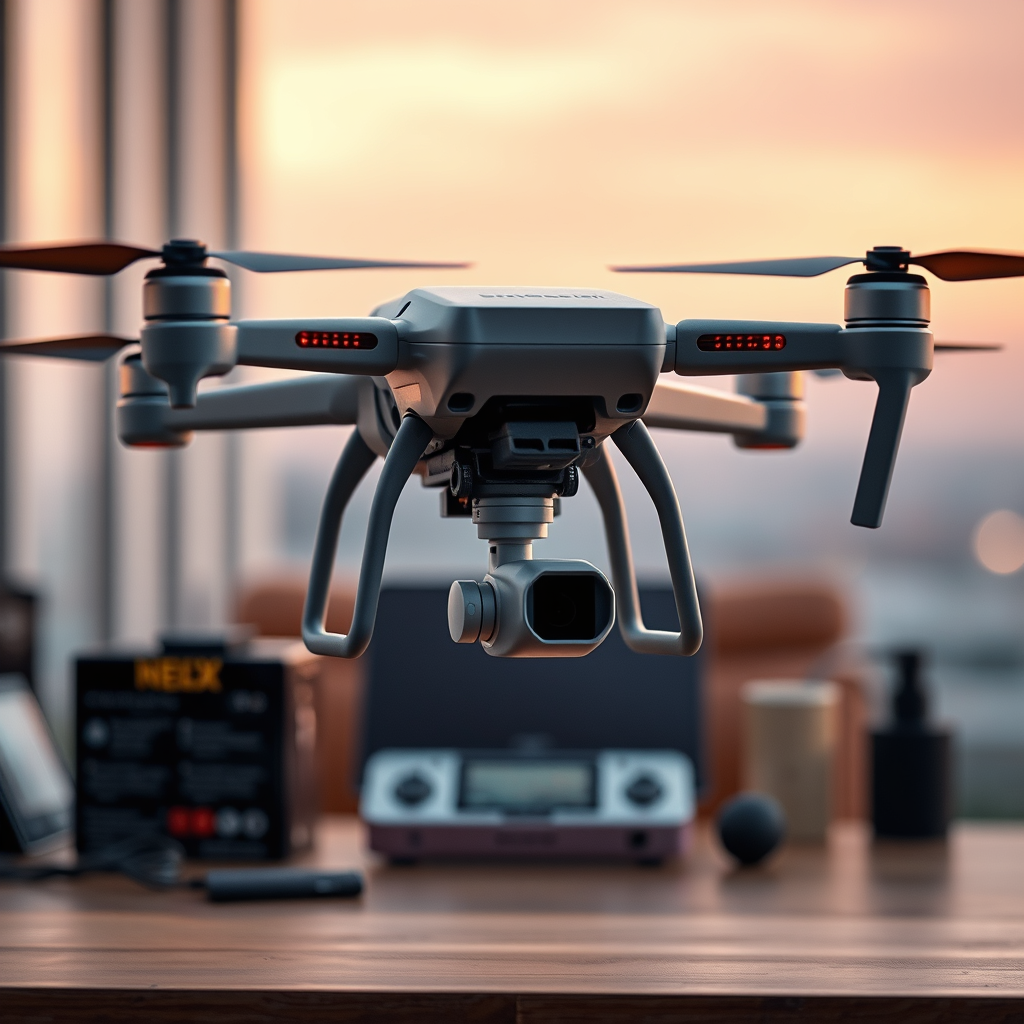
Yes, an electromagnetic pulse (EMP) can potentially take down a drone by disrupting its electronic systems. EMPs, whether generated by nuclear explosions or non-nuclear devices, can emit bursts of electromagnetic energy that interfere with the functioning of electronic circuitry. This article will explore how EMPs work, their effects on drone technology, and considerations for their use, particularly in military and security contexts.
What is an Electromagnetic Pulse (EMP)?
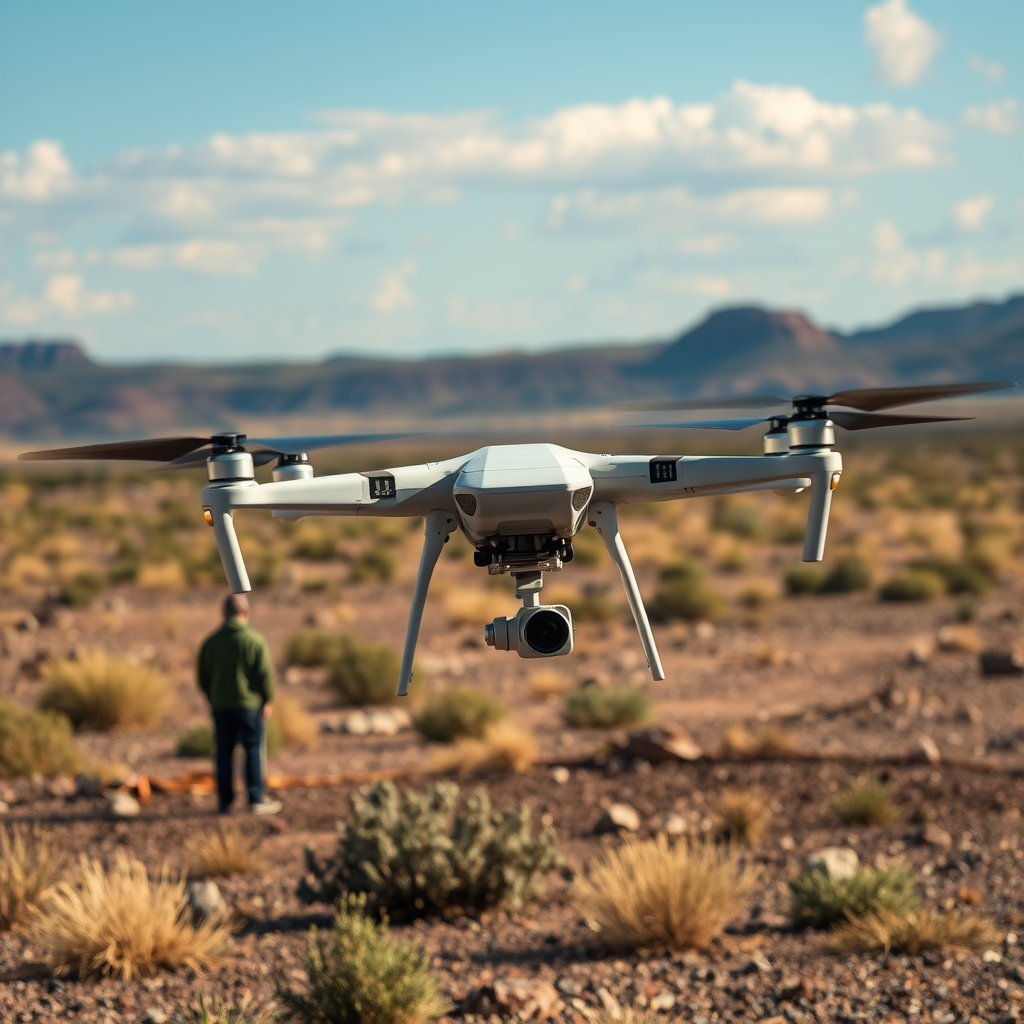
An electromagnetic pulse (EMP) is a burst of electromagnetic radiation that can disrupt or damage electronic devices and systems. There are two primary types of EMPs: nuclear and non-nuclear. A nuclear EMP is generated by detonating a nuclear weapon at high altitudes, resulting in a widespread pulse that can affect electronic systems over vast areas. In contrast, non-nuclear EMPs can be created using specialized devices designed to emit a focused pulse, often for tactical purposes.
The mechanism behind an EMP’s disruptive power lies in its electromagnetic field, which induces high-voltage surges in electrical circuits. When an EMP strikes an electronic device, it can cause immediate and catastrophic failures by overloading circuits, damaging microprocessors, and corrupting data. In the context of drones, which rely heavily on electronic systems for navigation, communication, and control, the implications of an EMP can be significant.
How Drones Operate
Drones, or unmanned aerial vehicles (UAVs), are complex machines equipped with various components that enable them to perform a wide range of tasks. Key components include sensors, cameras, communication systems, and flight control systems. These elements work in concert to allow drones to navigate, gather data, and execute missions autonomously or under human control.
The importance of electronics in drone functionality cannot be overstated. Drones rely on advanced algorithms to process data from their sensors and make real-time decisions. Communication systems facilitate the transfer of data between the drone and its operator, while flight control systems ensure stability and maneuverability during flight. Given this heavy reliance on electronics, drones are particularly vulnerable to disruptions caused by EMPs.
The Effects of EMP on Drones
The potential damage to drone systems due to EMP exposure can vary significantly based on the design of the drone and the level of shielding present. For instance, a consumer-grade drone may not have the protective measures necessary to withstand an EMP, rendering it inoperable immediately upon exposure. In contrast, military-grade drones often incorporate some level of electromagnetic shielding, which can mitigate the effects of an EMP but may not guarantee full protection.
The effects of an EMP on drones can manifest in several ways. First, there may be complete system failures, leading to a loss of control and resulting in crashes. Second, drones may experience partial failures, where some systems continue to operate while others are rendered inoperative. Additionally, the integrity of the data collected by the drone could be compromised, leading to inaccuracies in the information transmitted back to the operator.
Real-World Applications and Concerns
The military and security sectors have considered the use of EMPs as a means to neutralize enemy drones. In scenarios where enemy UAVs pose a threat, deploying an EMP can provide a non-lethal method for disabling these devices without causing collateral damage. However, the use of EMPs raises ethical and legal considerations. The potential for unintended consequences, such as affecting civilian electronics and infrastructure, must be carefully evaluated.
Moreover, the deployment of EMP weapons may violate international treaties or laws governing armed conflict, necessitating a thorough legal review before implementation. As nations explore EMP technology, it is crucial to balance operational effectiveness with ethical responsibility.
Alternatives to EMP for Drone Neutralization
In addition to EMPs, there are various non-EMP methods available for neutralizing drones, each with its own advantages and drawbacks. One of the most common alternatives is jamming, which disrupts communication signals between the drone and its operator. By broadcasting a stronger signal on the same frequency, jamming can prevent the drone from receiving commands, effectively rendering it uncontrollable.
Hacking is another approach, where security vulnerabilities in the drone’s software are exploited to take control of the device or to force it to land. While these methods may be less destructive than EMPs, they come with their own set of challenges, including the need for technical expertise and the potential for legal repercussions.
Despite these alternatives, EMPs remain an attractive option for their ability to disable multiple drones simultaneously and without the need for precision targeting. However, the choice between EMP and other methods will depend on the specific context and objectives of the operation.
Future of Drone Technology and EMP Resistance
As drone technology continues to evolve, so too do the strategies for protecting these devices against EMPs. Manufacturers are increasingly incorporating shielding techniques to bolster the resilience of drones against electromagnetic disturbances. This includes the use of conductive materials that can dissipate electromagnetic energy and protect sensitive electronic components.
Research and development efforts are also focused on creating drones with embedded protective features, such as enhanced circuit designs that are more resistant to voltage surges. As awareness of EMP threats increases, the demand for EMP-resistant technologies is likely to grow, prompting further innovations in the field.
Moreover, regulatory frameworks are being developed to address the challenges posed by EMPs and other counter-drone technologies. Ensuring that drones can operate safely in a variety of environments while minimizing risks associated with EMPs will be a priority for both manufacturers and regulatory bodies.
In conclusion, while EMPs can effectively disable drones, their use raises significant ethical and legal questions. Understanding the capabilities and limitations of both EMPs and drone technology is crucial as we navigate this complex landscape. As drone technology continues to advance, the focus on resilience against EMPs will play a critical role in shaping the future of this dynamic field.
Frequently Asked Questions
Can an EMP (Electromagnetic Pulse) effectively disable a drone?
Yes, an EMP can potentially disable a drone by disrupting its electronic systems. Drones rely on intricate electronics for navigation, communication, and control, and an EMP generates a burst of electromagnetic energy that can overload and damage these components. However, the effectiveness of an EMP depends on its strength and the proximity to the drone, as well as the specific technology used in the drone.
How do EMPs impact different types of drones?
EMPs can affect various types of drones differently, depending on their design and technology. Consumer drones, which often utilize off-the-shelf components, may be more susceptible to EMPs than military or specialized drones that are shielded against such phenomena. Additionally, the impact can vary based on the drone’s flight systems—drones using GPS and wireless communication are particularly vulnerable to EMP effects.
Why would someone want to use an EMP against a drone?
People may consider using an EMP against a drone for several reasons, including protecting privacy, countering unauthorized surveillance, or disabling rogue drones that pose safety risks. Given the increasing prevalence of drones in both commercial and private sectors, concerns about privacy invasions and safety breaches have led some individuals to explore EMPs as a potential countermeasure.
What are the legal implications of using an EMP to disable a drone?
The legality of using an EMP to disable a drone can vary significantly depending on the jurisdiction. In many areas, using EMP technology or devices to interfere with drones could be considered illegal, as it may violate federal regulations pertaining to airspace and electronic interference. It is important to consult local laws and regulations before considering any action against drones to avoid legal repercussions.
Which alternatives exist for disabling a drone without using an EMP?
Several alternatives for disabling a drone exist that do not involve EMPs, including using signal jammers, net guns, or drone defense systems designed specifically for countering UAVs. Signal jammers can disrupt communication between the drone and its operator, while nets can physically capture and neutralize the drone. However, each method has its own legal and ethical considerations, so it’s vital to understand the implications of any counter-drone measures before implementation.
References
- https://en.wikipedia.org/wiki/Electromagnetic_pulse
- https://www.theguardian.com/technology/2020/jul/18/how-emp-technology-could-take-out-drones
- https://www.army.mil/article/228371/what_is_emp_and_how_can_it_affect_drones
- https://www.scientificamerican.com/article/how-emp-weapons-work/
- https://www.reuters.com/investigates/special-report/usa-military-drones-emp/
- https://www.techrepublic.com/article/what-is-an-emp-how-does-it-work-and-can-it-bring-down-drones/
- https://www.faa.gov/air_traffic/publications/ATpubs/ATC/Chp6/ATC0603.html
- https://www.nist.gov/news-events/news/2018/06/electromagnetic-pulses-and-their-effects-electronic-devices
