
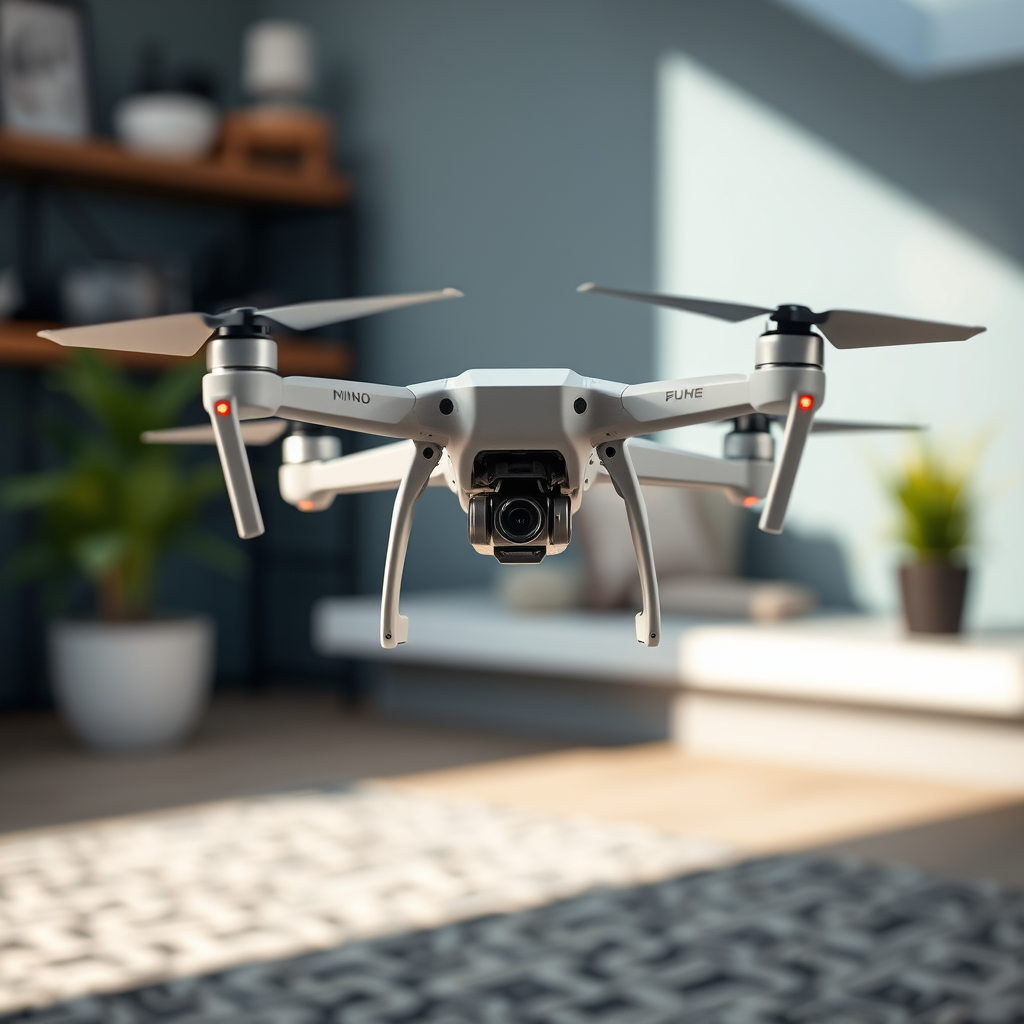
Yes, anyone can own a drone, but there are regulations and responsibilities that come with it. While the technology is widely accessible and the market for drones continues to expand, prospective owners must familiarize themselves with the legal guidelines and safety practices that govern drone use. Understanding these regulations is crucial not only for legal compliance but also for ensuring the safety of both the operator and the public.
Understanding Drone Ownership Regulations
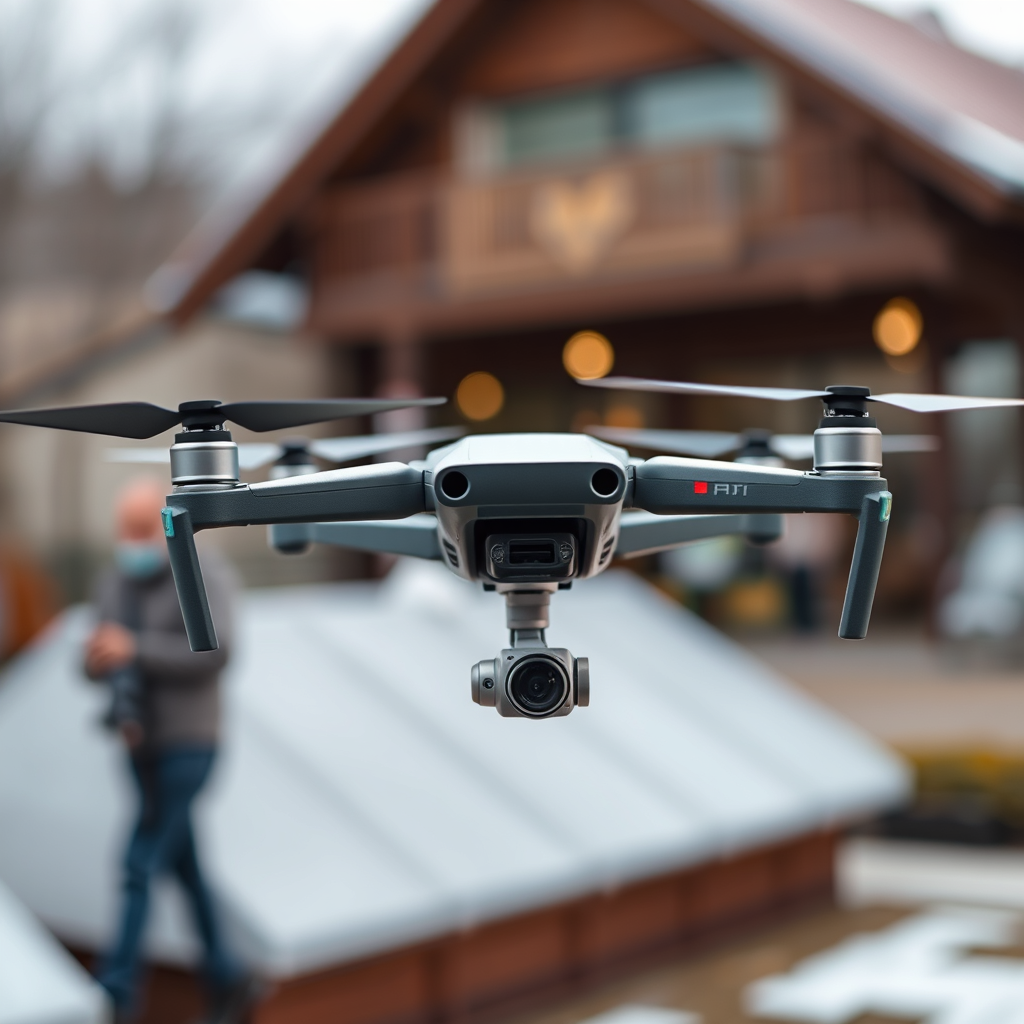
Drones are subject to a variety of regulations established by aviation authorities around the world. In the United States, the Federal Aviation Administration (FAA) is the primary governing body responsible for drone regulations. The FAA categorizes drones into different classes based on their intended use, including recreational and commercial purposes. For instance, recreational drone users must adhere to specific rules, such as flying below 400 feet, keeping the drone within visual line-of-sight, and not flying near airports.
Moreover, commercial drone operators face stricter regulations, including the requirement to register their drones and comply with Part 107 of the FAA regulations. This includes obtaining a remote pilot certificate, passing a knowledge test, and following operational limitations. Other countries have similar regulatory frameworks, making it essential for potential drone owners to research and understand the laws applicable in their specific location. Failure to comply with these regulations can result in fines, penalties, and even criminal charges, underscoring the importance of informed ownership.
Age and Licensing Requirements
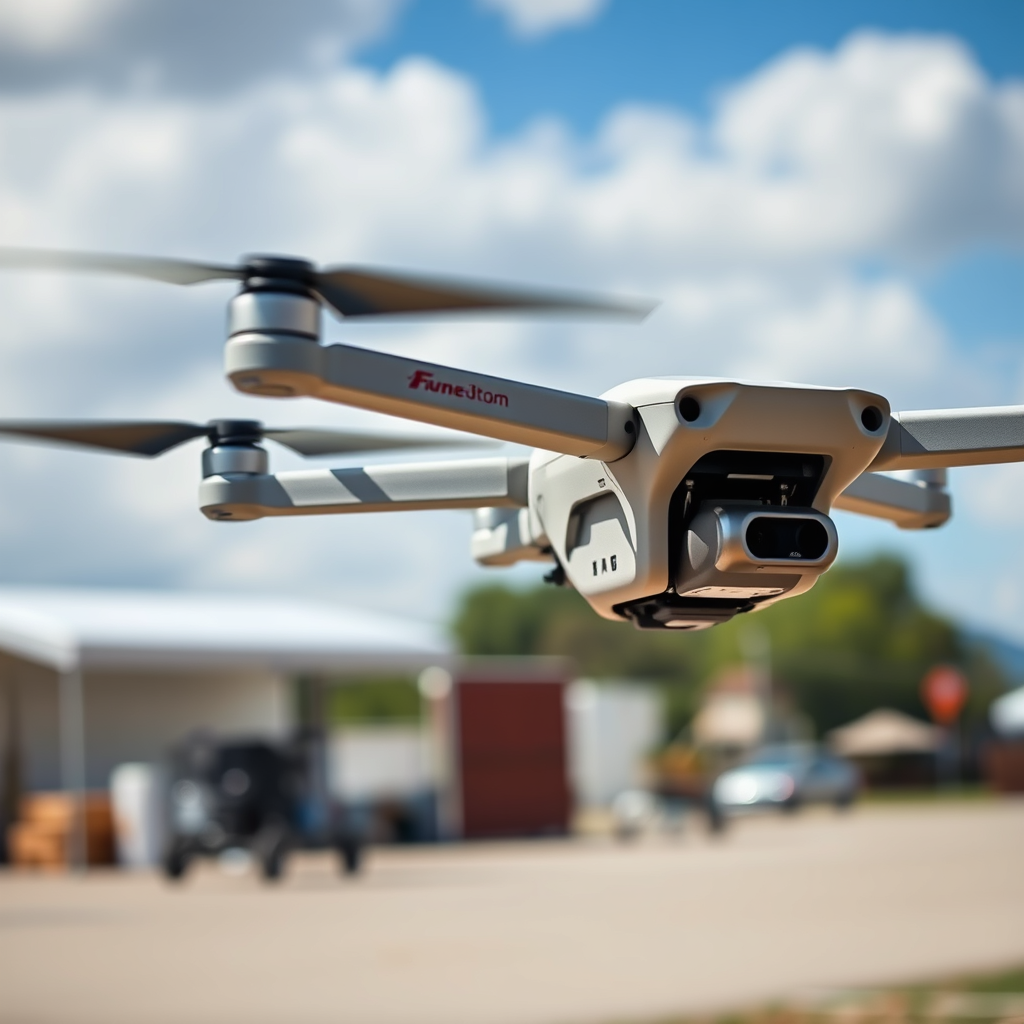
Age and licensing requirements vary by jurisdiction and are crucial for ensuring responsible drone operation. In many regions, including the United States, operators must be at least 16 years old to obtain a remote pilot certificate for commercial use. This requirement aims to ensure that pilots possess a basic understanding of aviation safety and regulations. For recreational drone users, there is often no formal licensing requirement, but operators are still encouraged to educate themselves on safe flying practices.
Some countries may require additional certifications or training for certain types of drones, especially those weighing over specific thresholds. For example, in Canada, drone operators who fly drones weighing over 250 grams must obtain a drone pilot certificate. Understanding these age and licensing requirements is crucial for potential drone owners to avoid legal pitfalls and promote safe drone operation.
Types of Drones Available for Ownership
Drones come in various types, each tailored for different users and purposes. Consumer drones are the most popular among hobbyists and photographers. These drones are typically user-friendly, equipped with high-definition cameras for aerial photography and videography. Examples include models like the DJI Mavic Air and the Parrot Anafi, which offer impressive features at relatively affordable prices.
On the other hand, professional drones are designed for commercial use, boasting advanced capabilities that cater to industries like agriculture, construction, and real estate. These drones often include features such as thermal imaging, longer flight times, and enhanced payload capacities. Models like the DJI Matrice 300 RTK and the senseFly eBee X are examples of professional drones that come with higher price tags but offer robust functionalities for specialized applications.
Choosing the right type of drone depends on the intended use, budget, and level of experience. As the market continues to evolve, new models and features are constantly emerging, providing prospective owners with a range of options to fit their needs.
Safety and Responsibility as a Drone Owner
Owning a drone comes with significant responsibilities that extend beyond just flying it. Drone owners must adhere to comprehensive safety guidelines to prevent accidents and violations. For example, always checking the weather conditions before flight, maintaining a safe distance from people and property, and ensuring the drone is in good working condition are essential practices for safe operation.
Additionally, respecting privacy laws is paramount. Drone operators should refrain from capturing images or videos of individuals without their consent to avoid infringing on privacy rights. It is also crucial to avoid flying in restricted airspace, such as near airports or government installations. Many jurisdictions have designated no-fly zones, and failure to comply can lead to severe consequences, including fines and the revocation of flying privileges.
To foster a culture of safety, drone owners should consider joining local or national drone clubs, which often provide resources, training, and community support for responsible flying. By taking these precautions, drone owners can contribute to a safer flying environment for everyone.
Insurance and Liability Considerations
While drone insurance is not mandated, it can be a wise investment for drone owners. Insurance can protect against liability in the event of accidents or damage caused by the drone. For instance, if a drone crashes and injures someone or damages property, liability insurance can cover legal fees and potential compensation claims.
There are various insurance options available, ranging from basic liability coverage to comprehensive plans that cover damage to the drone itself. Understanding the nuances of these options is crucial for responsible ownership. For commercial operators, having insurance is often a requirement from clients or businesses that hire drone services, making it essential for professional credibility.
Additionally, some drone manufacturers offer extended warranties or damage protection plans that can provide additional peace of mind. Thoroughly researching and understanding the available insurance options can aid drone owners in making informed decisions that align with their needs and usage patterns.
The Future of Drone Ownership
The future of drone ownership looks promising, with advancements in technology paving the way for more accessible options. Innovations such as improved battery life, enhanced autonomous flying capabilities, and better navigation systems are making drones easier to operate and more efficient than ever before.
Moreover, regulatory frameworks are likely to evolve alongside technological advancements. As drones become more integrated into various industries and daily life, authorities may implement new guidelines that reflect these changes. For example, the FAA has been exploring the integration of drones into the national airspace system, which could lead to more streamlined processes for drone registration and operation.
Additionally, as public awareness and acceptance of drones grow, we may see an increase in urban air mobility solutions, including delivery drones and air taxis. These developments will undoubtedly shape the landscape of drone ownership, creating new opportunities and challenges for operators.
In summary, while anyone can own a drone, it is crucial to be informed about the legal regulations and responsibilities that accompany ownership. Understanding the intricacies of drone regulations, age and licensing requirements, types of drones available, safety practices, insurance considerations, and the future landscape of drone technology will ensure a safe and enjoyable flying experience for both hobbyists and professionals alike. By committing to responsible drone ownership, individuals can not only enjoy the benefits of this exciting technology but also contribute to a safe and respectful flying community.
Frequently Asked Questions
Can anyone own a drone, or are there restrictions?
Yes, anyone can own a drone, but there are specific regulations and restrictions depending on the country or region. In the United States, for example, the Federal Aviation Administration (FAA) regulates drone ownership and operation. Users must adhere to guidelines such as registering drones over a certain weight and following airspace rules. It’s essential to check local laws to ensure compliance and avoid penalties.
What are the legal requirements for owning a drone?
Legal requirements for owning a drone vary by location, but generally, they include registering your drone with the appropriate aviation authority, obtaining a Remote Pilot Certificate for commercial use, and adhering to safety guidelines. In the U.S., the FAA mandates that drones weighing over 0.55 pounds must be registered. Additionally, operators must maintain visual line-of-sight and avoid flying over people or restricted airspace.
How do I register my drone for legal ownership?
Registering your drone is a straightforward process. In the U.S., you can register your drone online through the FAA’s official website. You’ll need to provide your personal information, details about the drone, and pay a small fee. Once registered, you’ll receive a unique identification number that must be displayed on your drone, ensuring you comply with legal ownership requirements.
Why is it important to understand drone regulations before purchasing one?
Understanding drone regulations is crucial to ensure safe and legal operation. Failing to comply with local laws can lead to hefty fines, confiscation of the drone, or even criminal charges. Additionally, being aware of restrictions can enhance your flying experience by preventing accidents and promoting responsible usage, which is especially important as drone technology continues to evolve.
Which type of drone is best for beginners looking to own one?
For beginners, a lightweight, user-friendly drone with built-in safety features is ideal. Models like the DJI Mini SE or the Holy Stone HS720 come equipped with easy-to-use controls, GPS stabilization, and a decent camera for aerial photography. These drones are not only affordable but also provide a great starting point for those new to flying, allowing users to learn the basics without overwhelming complexity.
References
- https://en.wikipedia.org/wiki/Drone
- https://www.faa.gov/uas/getting_started/registration
- https://www.nytimes.com/2021/04/26/technology/drone-regulations.html
- https://www.nasa.gov/mission_pages/UAS/faq/index.html
- https://www.theguardian.com/technology/2020/jan/30/drones-are-they-legal-in-the-uk
- https://www.ncbi.nlm.nih.gov/pmc/articles/PMC7334880/
- https://www.bbc.com/news/technology-33897474
- https://www.faa.gov/uas/
- https://www.wired.com/story/the-future-of-drones/
